

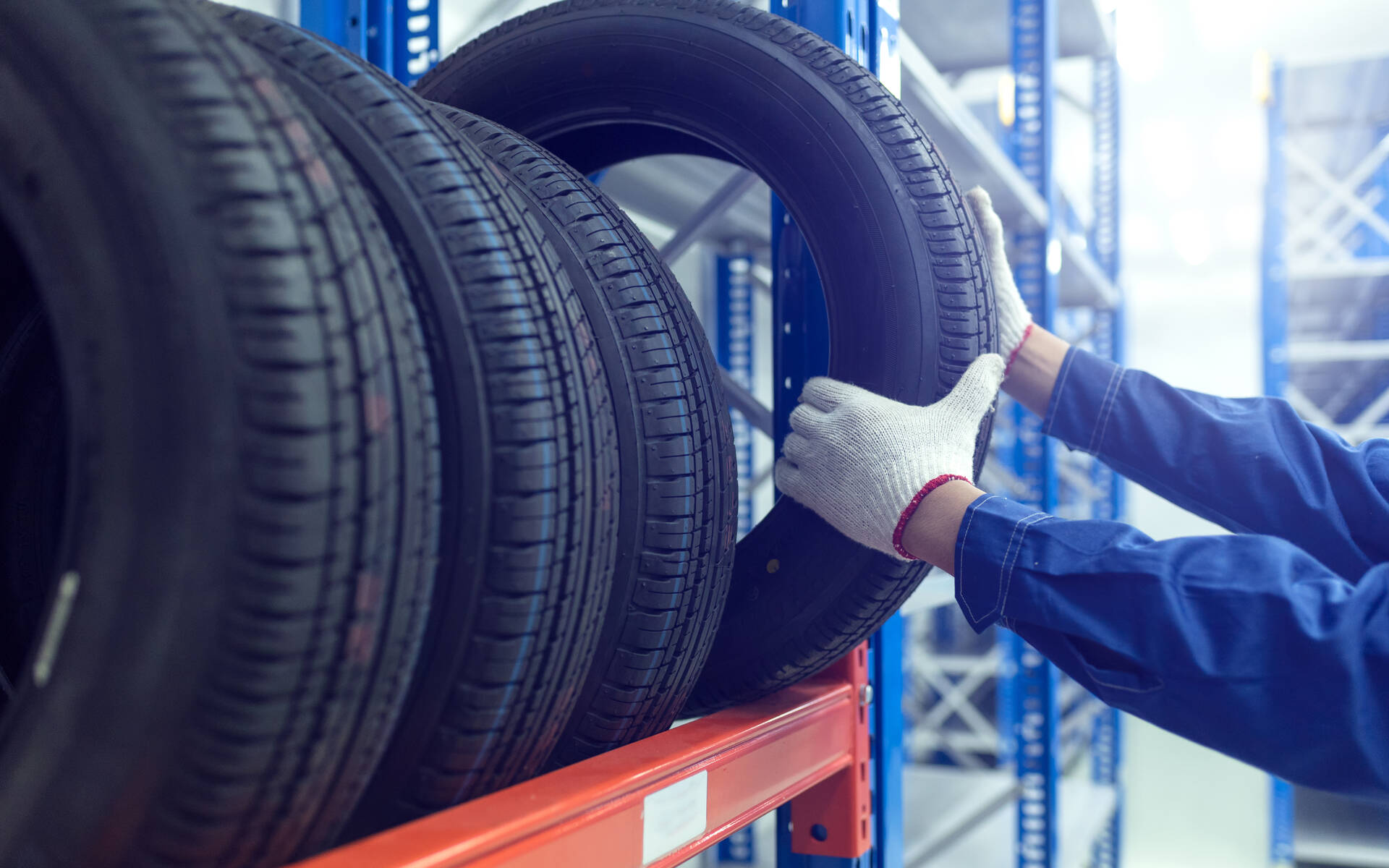
When is the deadline for installing winter tires?
Changing tires is always a hot topic for Quebec motorists as the cold season approaches. And with good reason: winter tires are mandatory on all light vehicles circulating in the province. These are tires bearing the mountain and snowflake pictogram.
Every year, the question comes up: when is the deadline for installing winter tires? If you're wondering the same thing, we've got the answer.
In Quebec, the law stipulates that tires must be changed before December 1. In fact, since 2019, the deadline for installing winter tires has been brought forward from December 15 to December 1. They must remain on the vehicle until at least March 15 of the following year. Drivers who fail to comply with the regulations are liable to a fine of between $200 and $300.
Why are winter tires mandatory?
Thanks to their design, winter tires retain greater flexibility when temperatures drop below 7°C, giving them better grip on icy or snow-covered roads.
In addition to bearing the famous pictogram, winter tires must have a tread depth of at least 1.6 mm to drive legally, as the Société de l'assurance automobile du Québec (SAAQ) reminds us. You can check the wear indicators on the tire, use a depth gauge or do the 25-cent test (insert the coin into one of the grooves with the caribou's nose down and, if the nose is hidden, the tire is still good).
Please understand that this is the strict minimum permitted by law. To be sure of getting through the winter without having to change tires again, just about all experts agree that a tread depth of at least 4.8 mm is required at the time of installation. The SAAQ also warns that a tire manufactured more than five years ago begins to lose some of its qualities, compromising safety.
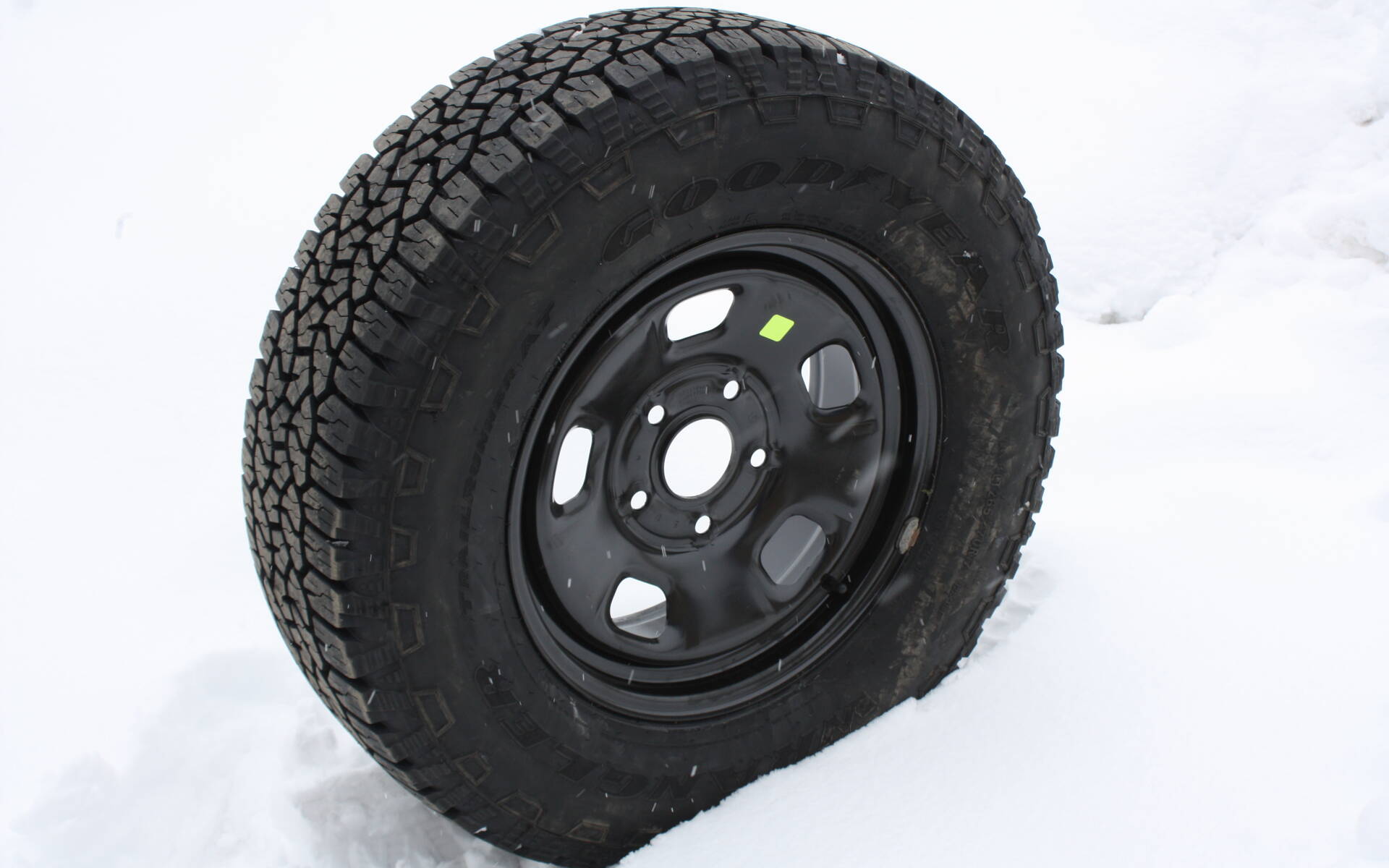
Which vehicles are exempt from winter tires?
As mentioned in a previous article, there are certain exceptions to the law. These include heavy trucks, tool vehicles, farm machinery and motorcycles used as emergency vehicles. This also applies to vehicles bearing a removable license plate (X plate) or a temporary registration certificate (transit), typically valid for a maximum of seven days.
Trailers and spare wheels do not have to be fitted with winter tires either. The same applies to newly purchased vehicles, or those at the end of a leasing contract: a seven-day grace period is allowed, but you must be in possession of the contract or a copy of it.
Finally, there are vehicles for which an exemption certificate for winter tires is issued by the Société de l'assurance automobile du Québec (SAAQ) and its agents. This certificate, too, is valid for seven days, and no more than four can be issued for the same vehicle from December 1 to March 15. Think of drivers who use their vehicles to leave or return to Quebec, like the many snowbirds.
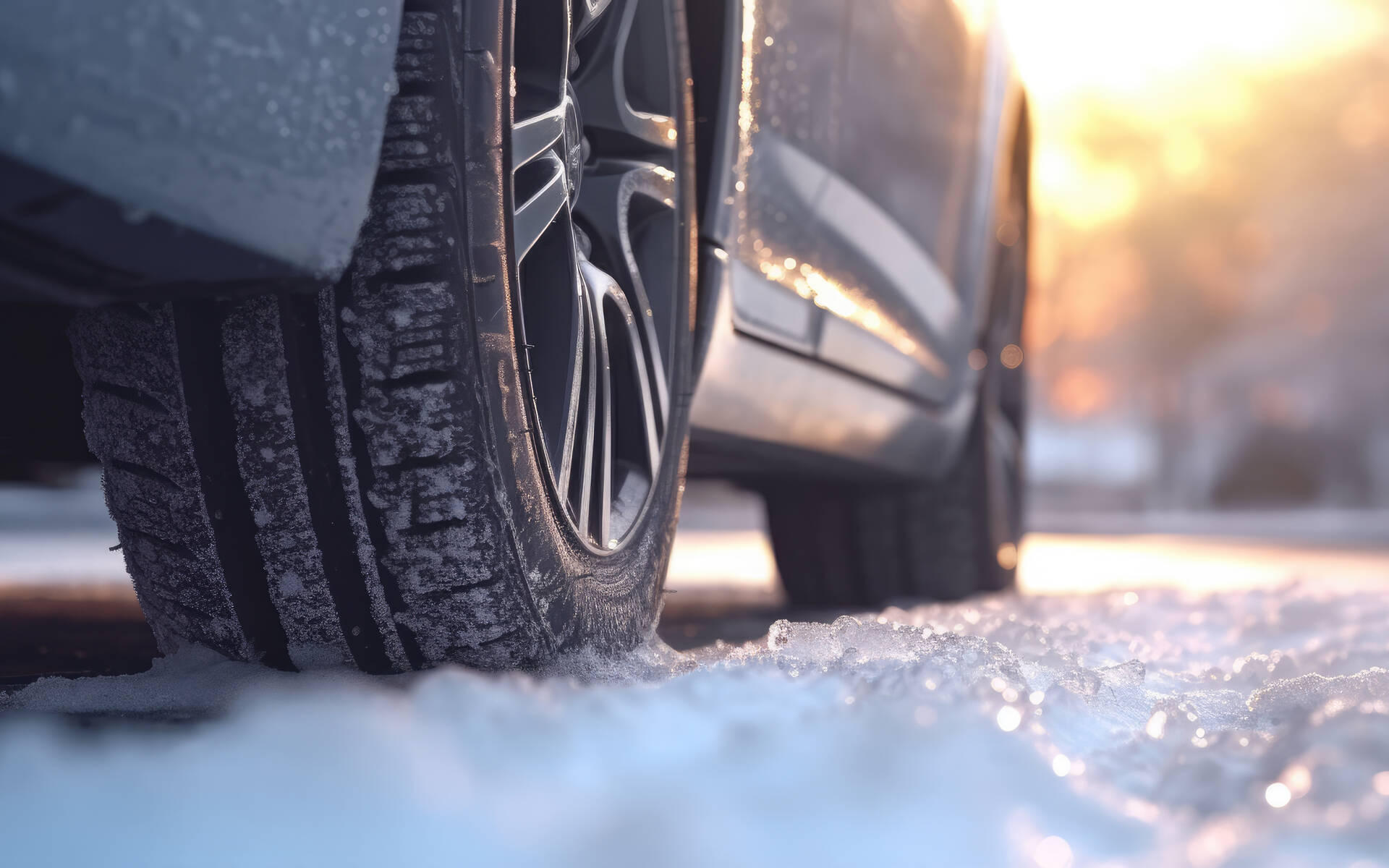
How to choose the best winter tires
If you need to change your winter tires, there are many choices available, and not all tires are created equal. Price is only one factor to consider: grip (wet or dry), ride comfort, quietness and wear resistance are other aspects you need to consider. Often, it's better to pay more for a better-quality tire and take care of it.
In addition, the size of your tires and the type of roads you drive on (city, country, long-distance), as well as your driving style, will help you determine the best winter tires for your needs. Also follow these winter tire tips for electric vehicles.
Need some suggestions for your shopping? Don't miss our list of the best winter tires 2023-2024!