

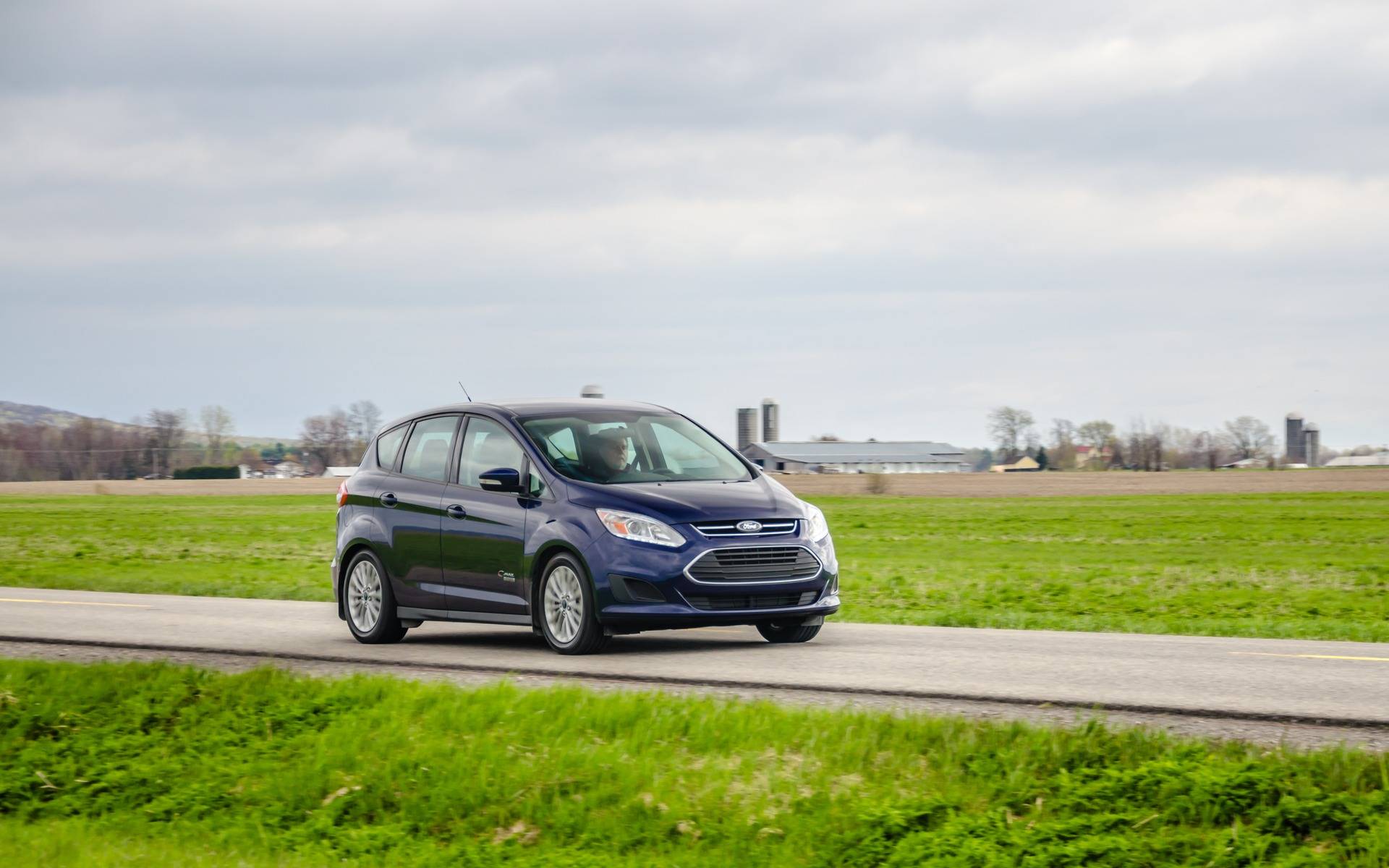
5 Hybrid Vehicles You Might Have Forgotten About
Hindered by various factors, including political ones, the shift to electric vehicles is not as far along as might have been expected a few years ago. Internal combustion engines are still very much alive. However, electrification is gaining momentum with the increasing number of hybrid vehicles and their growing popularity.
There are certainly several reasons to choose a hybrid model, starting with fuel economy. However, every buyer should compare the price difference with a gasoline-only equivalent to get an idea of how far they’d need to drive to make it worthwhile, taking into account their driving habits and the price per liter.
A smart choice is a used hybrid vehicle that’s been well-maintained and can be purchased at a great price. This is especially true for certain models that are less popular or have depreciated quickly. Here are five you might have overlooked…
Honda Insight
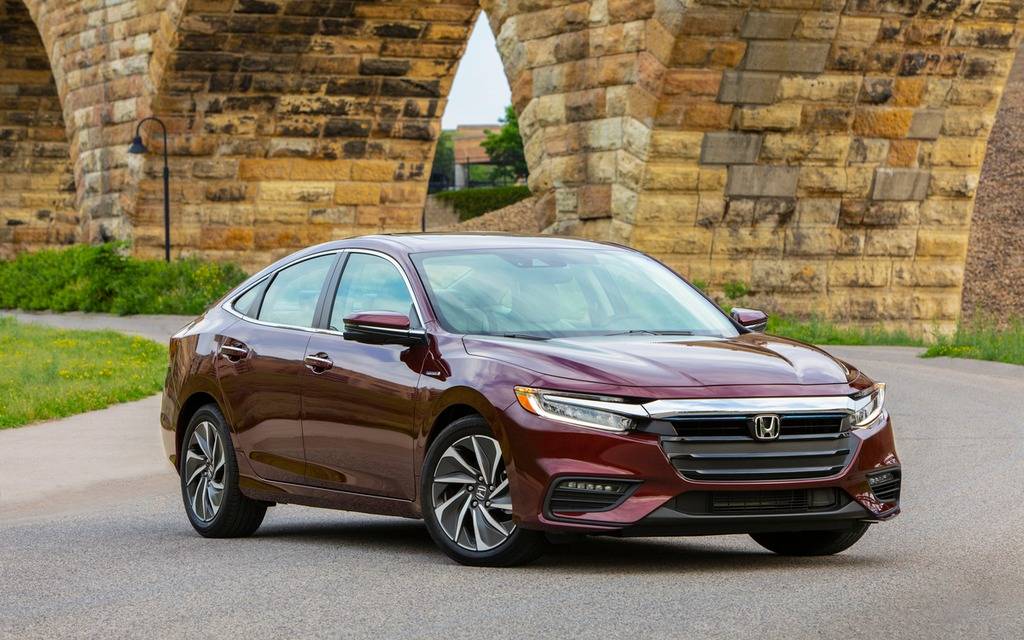
The Insight has spanned three generations, with the most recent one being sold from 2019 to 2021 to fill the gap left by the absence of a Civic hybrid sedan. Compact in size but offering a fairly spacious interior, it led a rather low-key existence within Honda’s lineup. Equipped with a powertrain producing a total of 151 horsepower and averaging 4.9 L/100 km, the Insight also stood out for the comfort of its suspension. In its final year, the model’s features were enhanced with a sunroof, a blind-spot detection system, and a rear cross-traffic alert.
Ford C-Max
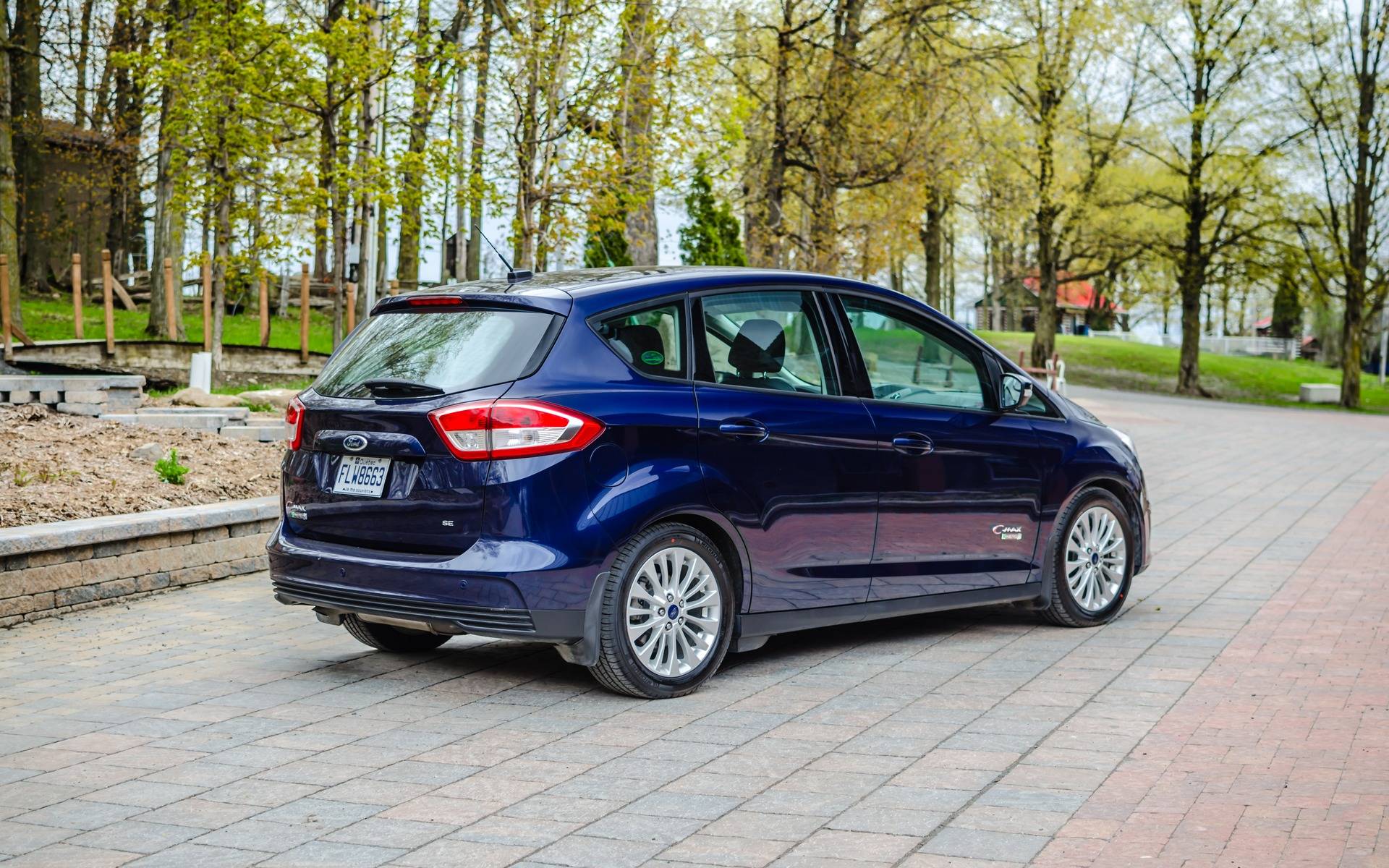
From 2013 to 2018, the C-Max served as a versatile compact hatchback and a fuel-efficient alternative in Ford’s lineup. Its 188-horsepower hybrid powertrain achieved a combined city/highway fuel economy of 5.9 L/100 km. There was even a plug-in hybrid variant, called the Energi, with an all-electric range of just over 30 km on a full charge. While visibility and handling are appealing, the unusual dashboard design (derived from European models) isn’t to everyone’s taste.
Volkswagen Jetta Turbo Hybrid
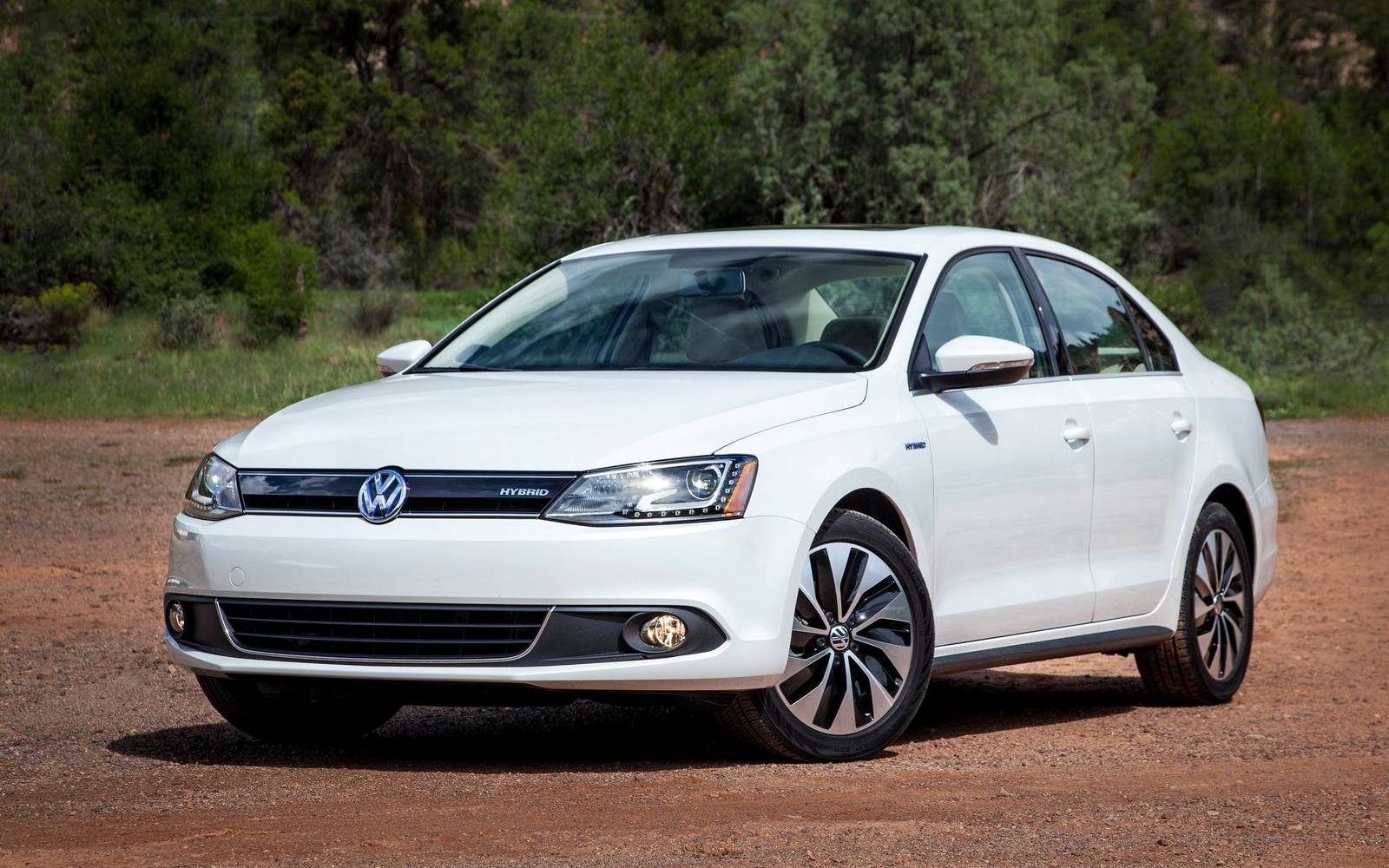
The Jetta Turbo Hybrid was very expensive and accounted for just over 1% of total Jetta sales between 2013 and 2016. This car was powered by a 1.4-liter turbocharged four-cylinder engine and an electric motor, delivering 170 horsepower and achieving a fuel economy rating of 5.3 L/100 km (compared to 5.7 for the diesel-powered Jetta TDI). The 7-speed dual-clutch transmission was intended to offer an advantage over a CVT in terms of driving enjoyment. On the downside, the rear seat could not be folded down due to the presence of the battery.
Lexus CT 200h
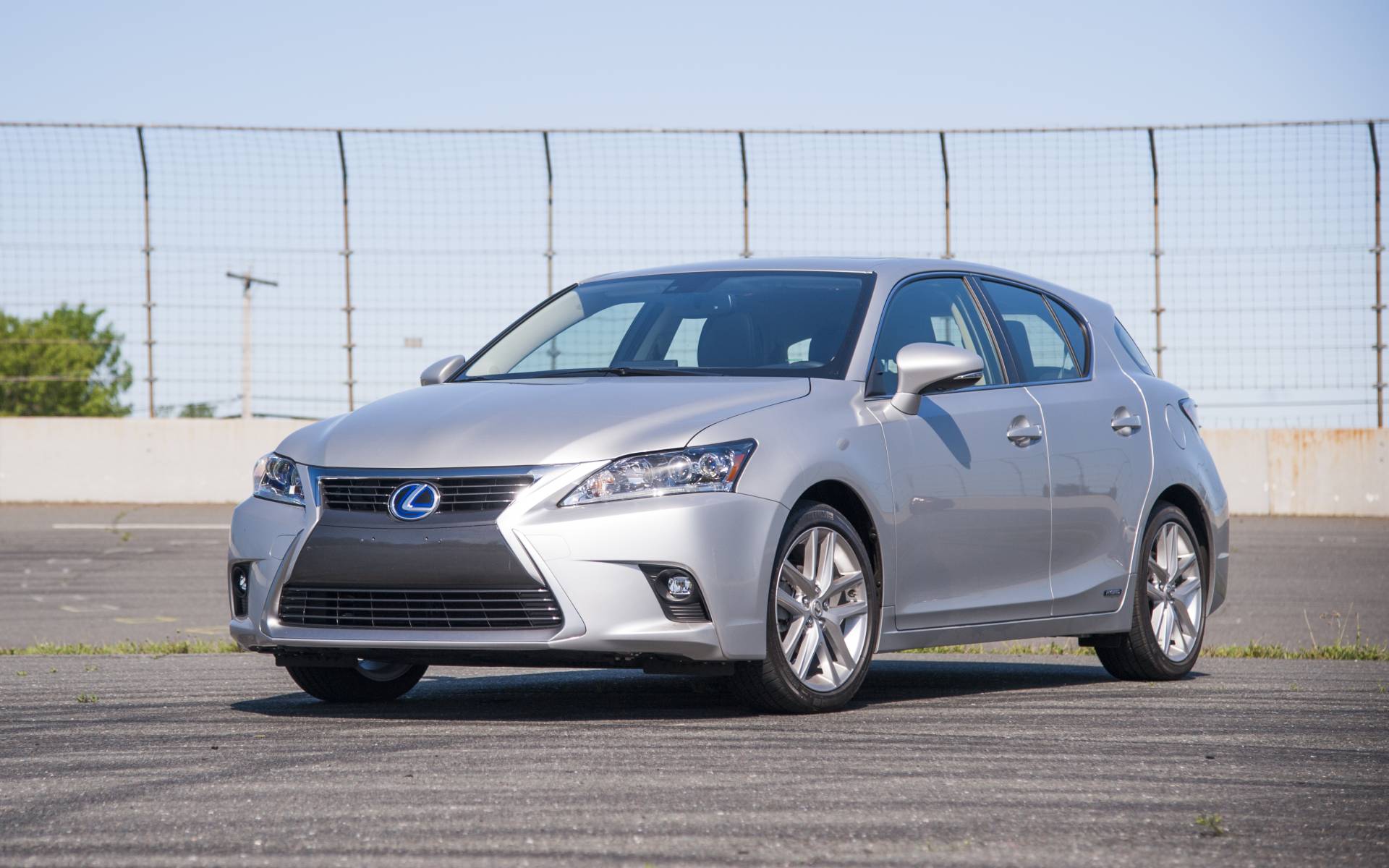
Indirectly replaced by the UX subcompact crossover, the CT 200h was a compact front-wheel-drive hybrid wagon (sharing its powertrain with the Toyota Prius). From 2011 to 2017, this Lexus allowed fuel-conscious customers to average 5.7 L/100 km, but its driving dynamics were lackluster, especially with a meager 134 horsepower under the hood and erratic braking. The CT remains a semi-luxury car, well-finished and very reliable. Lexus even offered an F-Sport package, primarily for styling. By the way, do you also remember the HS sedan, another hybrid that’s since disappeared from the Lexus lineup?
Nissan Pathfinder hybrid
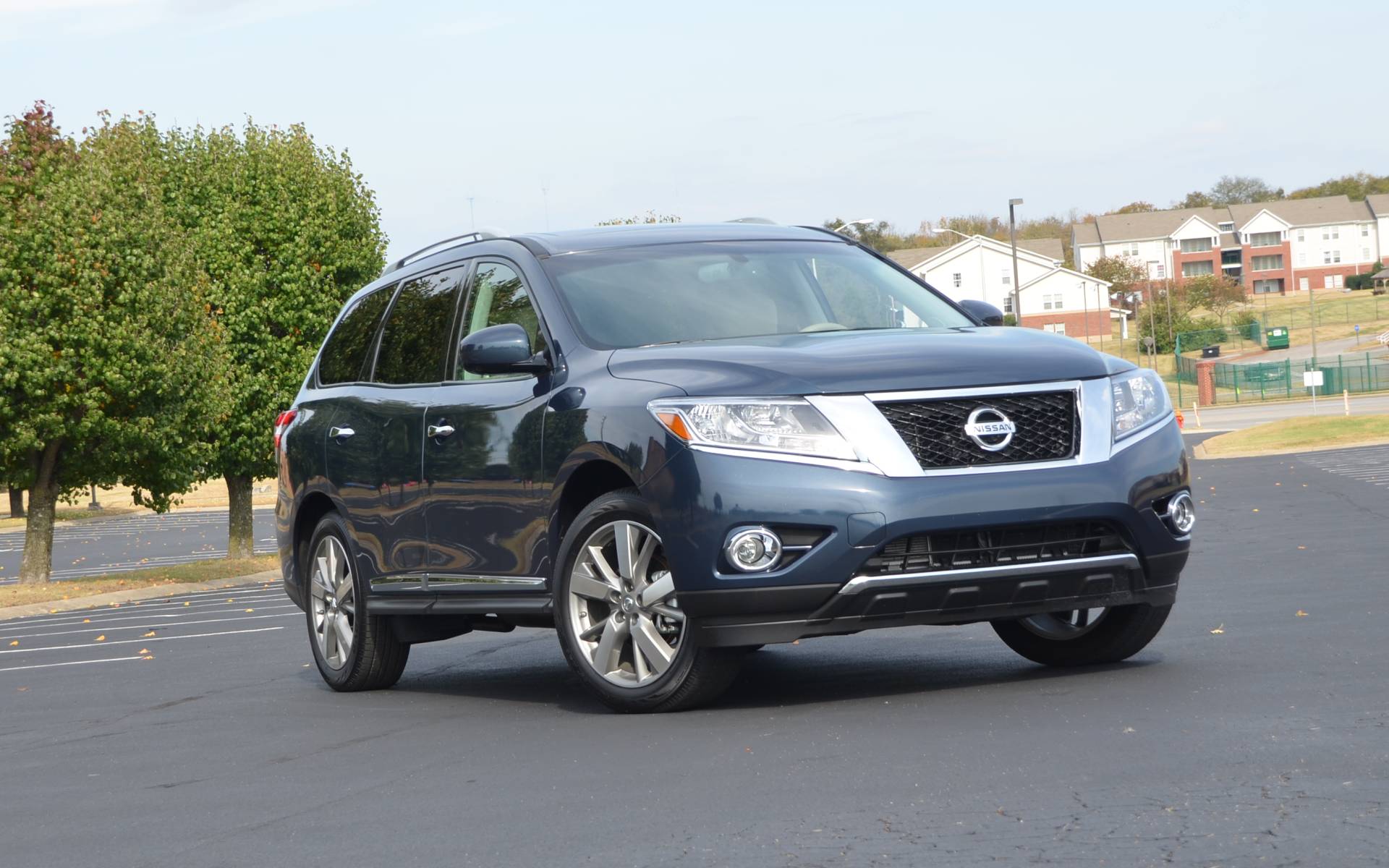
The Pathfinder is Nissan’s flagship midsize SUV, appealing to many families. For a very short time in the middle of the previous decade, it was also available in a hybrid version. That model used a supercharged four-cylinder engine and an electric motor, achieving fuel economy of 8.8 L/100 km instead of the 10.7 L of the standard Pathfinder with a V6 engine and all-wheel drive. Net power dropped only slightly, from 260 to 250 horsepower. Discontinued due to lackluster sales, it quickly faded into obscurity.