

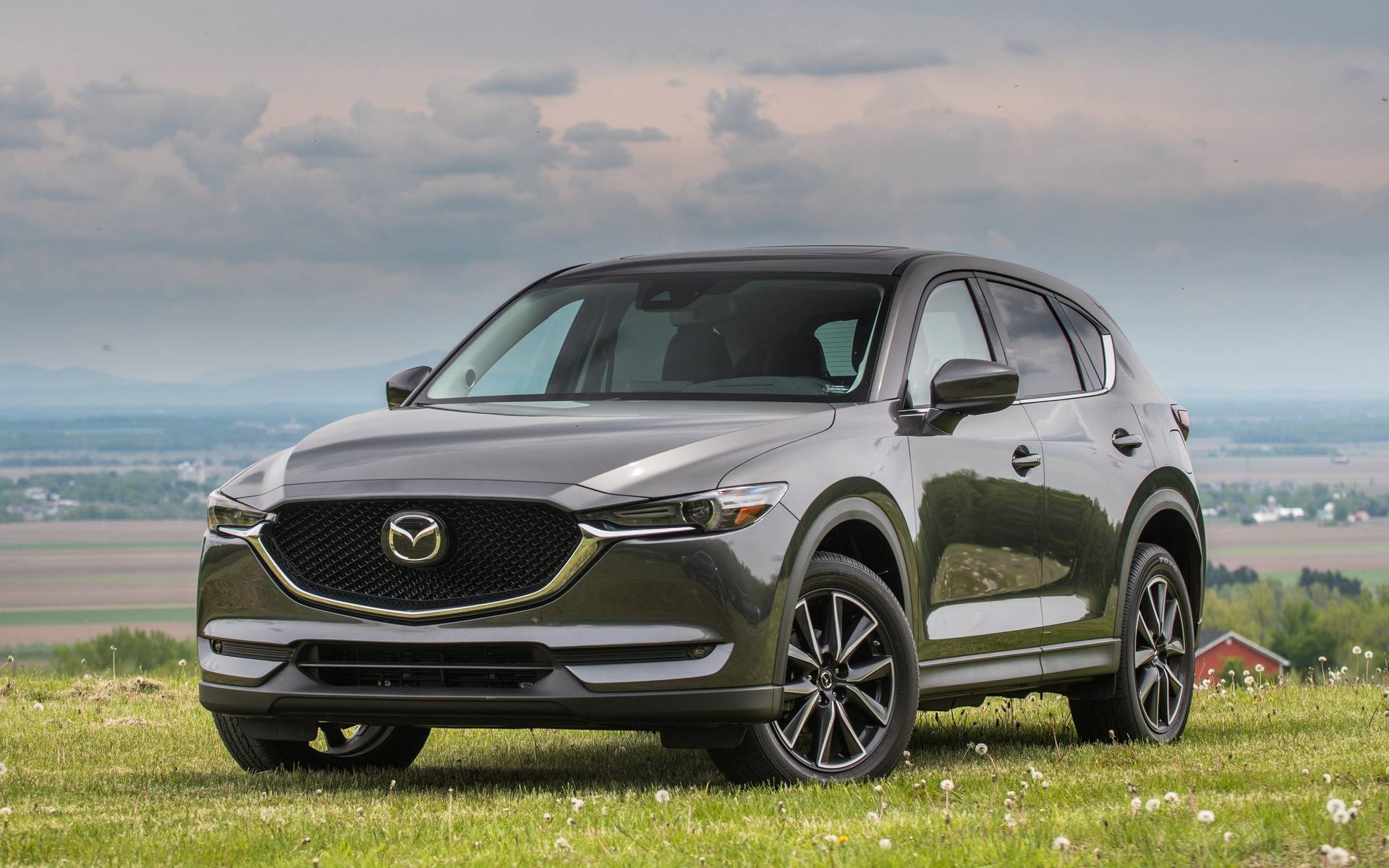
2017–2025 Mazda CX-5: What You Need to Know Before Buying
The Mazda CX-5 will enter its third generation in 2026, subtly evolving its Kodo design philosophy and gaining more interior space, while transforming the driving experience with an all-new infotainment system featuring a large central screen reminiscent of Tesla’s.
However, if you’ve landed on this page, it’s likely because you’re interested in a used CX-5, perhaps due to its track record of reliability or to stay within a tighter budget. After all, the new model costs significantly more. So here’s what you need to know if you’re shopping for a 2017–2025 Mazda CX-5…
Three main versions and four engines
Generally speaking, the CX-5 lineup includes three trim levels: GX, GS, and GT. All-wheel drive was optional on the first two and came standard on the third through 2021. All models have featured Mazda’s i-Activ system, which, by the way, is quite effective, since 2022. With the exception of the CX-5 GX, which offered a manual transmission for the first two years, a six-speed automatic transmission handles the power delivery.
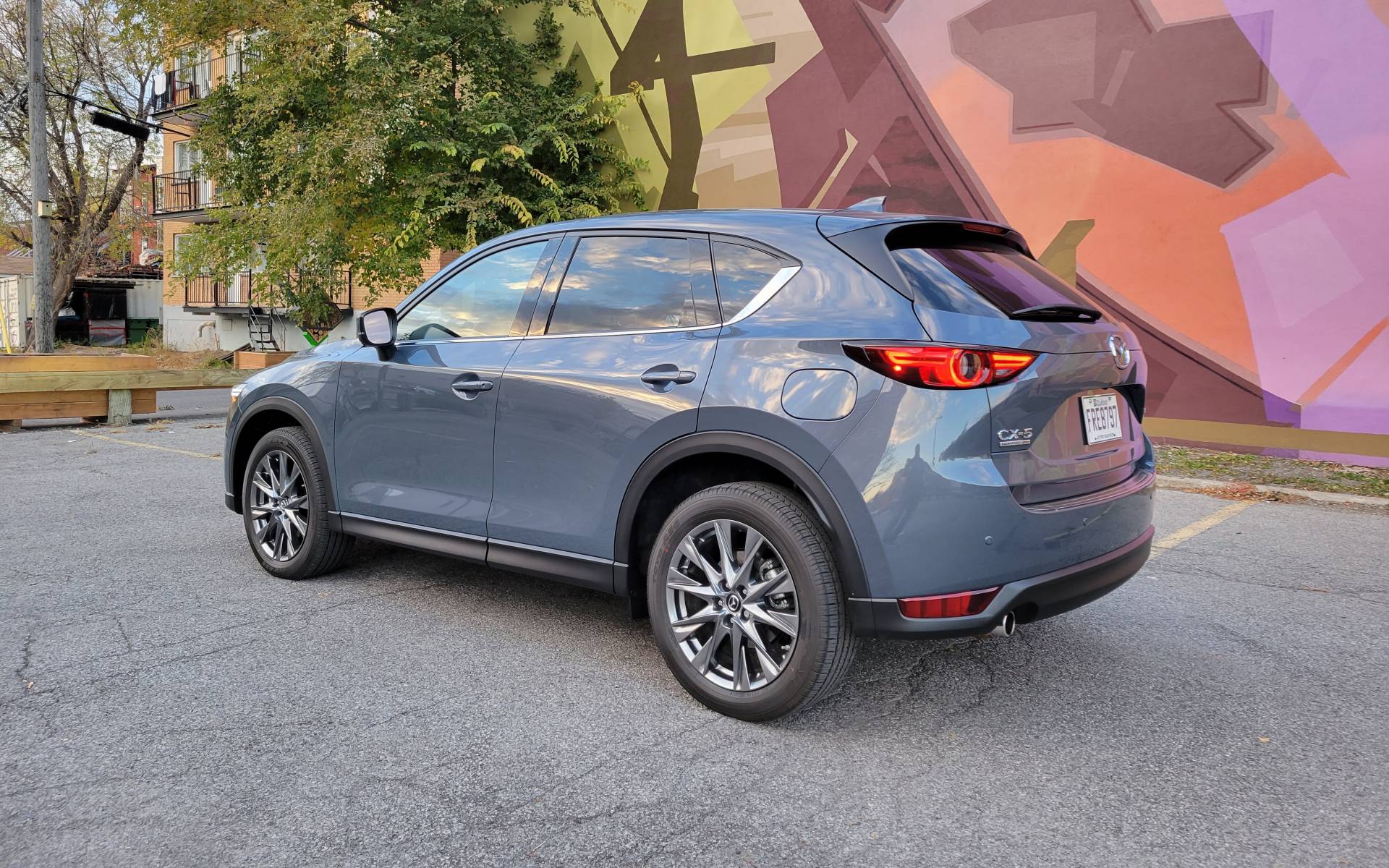
It’s best to forget about the 2-liter naturally aspirated four-cylinder engine offered at the start of this generation, which is far too underpowered at 155 horsepower and 150 lb-ft of torque, especially since it isn’t particularly fuel-efficient. The 2.5-liter engine, on the other hand, delivers 187 horsepower and 186 lb-ft of torque, with average fuel consumption of about 8.8 to 9.3 L/100 km, depending on the number of driven wheels. In some cases, a cylinder deactivation system helped reduce fuel consumption by a few tenths of a liter.
The turbocharged version of the same engine delivers up to 250 horsepower and 320 lb-ft of torque… when running on premium gas. Otherwise, with regular gas, those figures drop to 227 horsepower and 310 lb-ft, which is still impressive for the popular compact SUV segment. However, you’ll have to accept slightly higher fuel consumption (9.8 L/100 km) and make do with a maximum towing capacity of 2,000 lb.
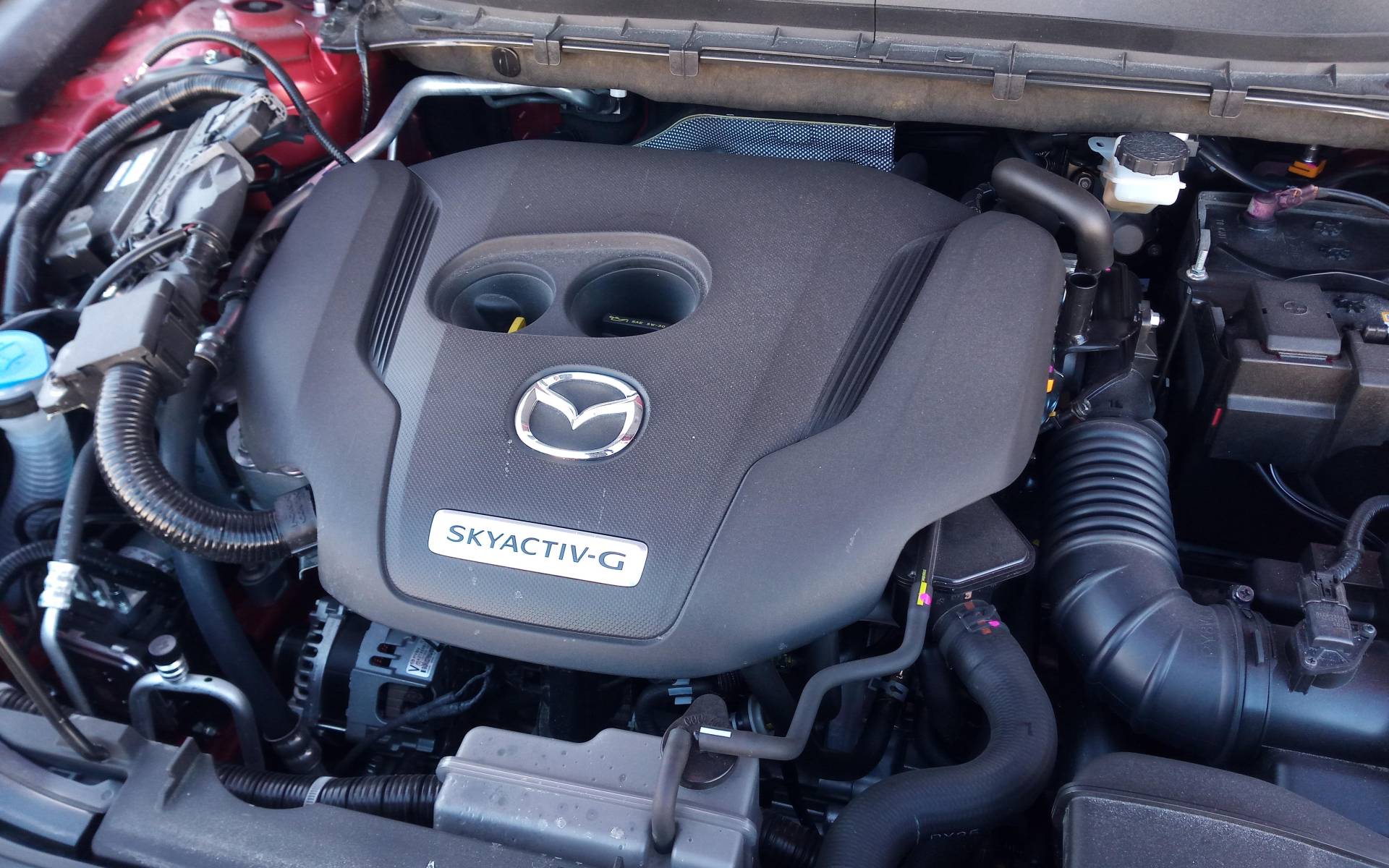
There was also a 2.2-liter turbodiesel engine producing 168 horsepower and 290 lb-ft of torque. Its short, one-year run (2019) can be attributed to sluggish sales and less-than-impressive fuel economy, as it still consumed 8.4 L/100 km. That’s to be expected, since this type of engine is better suited for full-size pickup trucks and SUVs that get a lot of mileage. Needless to say, you should avoid it.
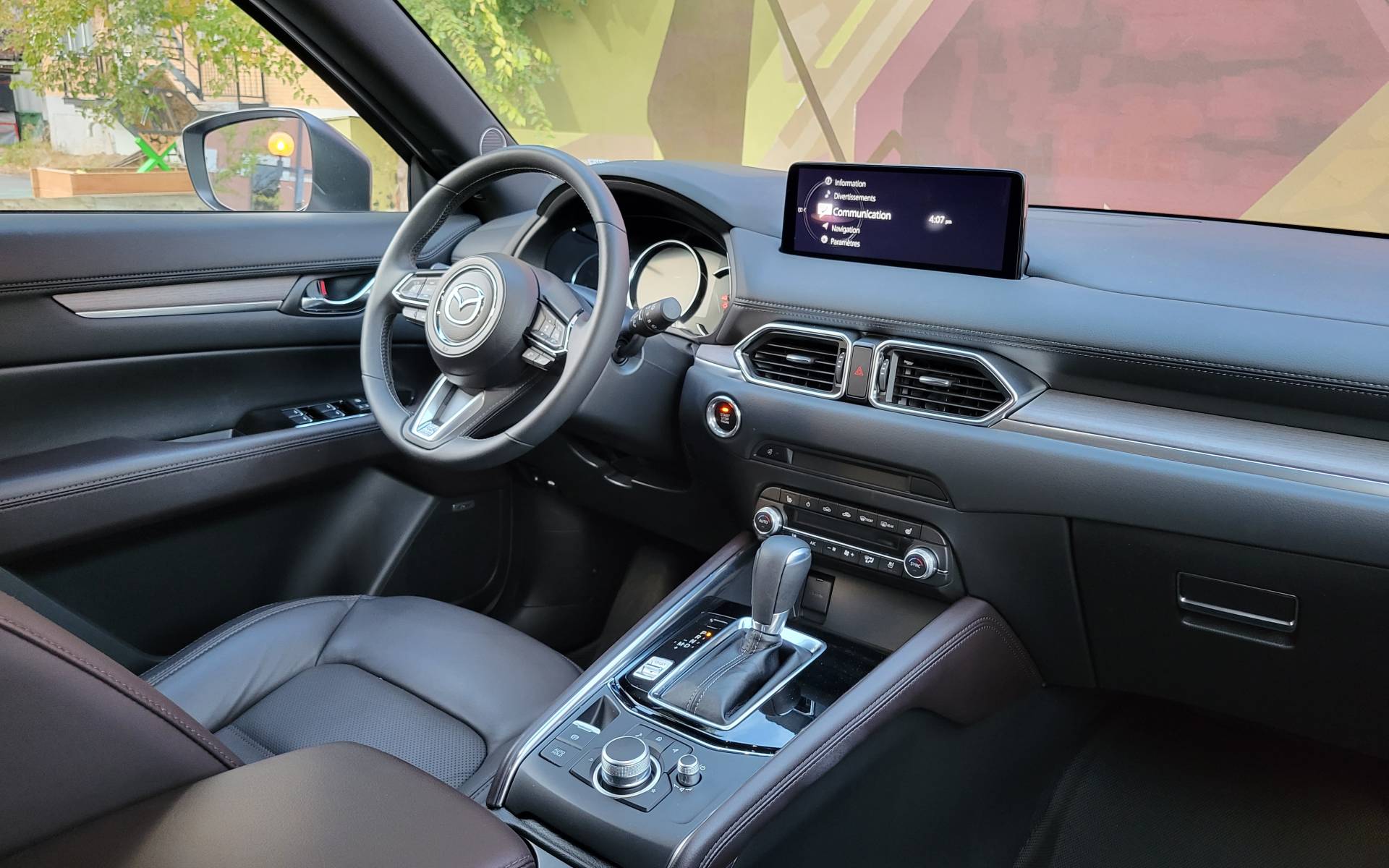
In 2019, Mazda expanded the number of standard i-Activesense safety technologies and introduced a top-of-the-line trim level called Signature, featuring exclusive alloy wheels, Nappa leather seats, wood trim, and sophisticated LED lighting. Later in 2021, the size of the center display was increased to 10.25 inches and featured a new interface for the Mazda Connect infotainment system. Then, in 2023, Mazda updated the grille, headlights, and wheels and redesigned the seats for better support. Finally, a Suna edition (Zircon Sand color with gloss black accents) debuted for 2024.
Strengths and Weaknesses of the Mazda CX-5
Mazda’s SUV has always stood out from the competition thanks to its driving pleasure (good handling, precise steering, responsive engines), its refined interior, and its safety features. On that last point, it’s worth noting that it has repeatedly won the IIHS Top Safety Pick award in the United States for its performance in crash tests. Mazda is also generally ranked among the safest automotive brands, according to Consumer Reports magazine.
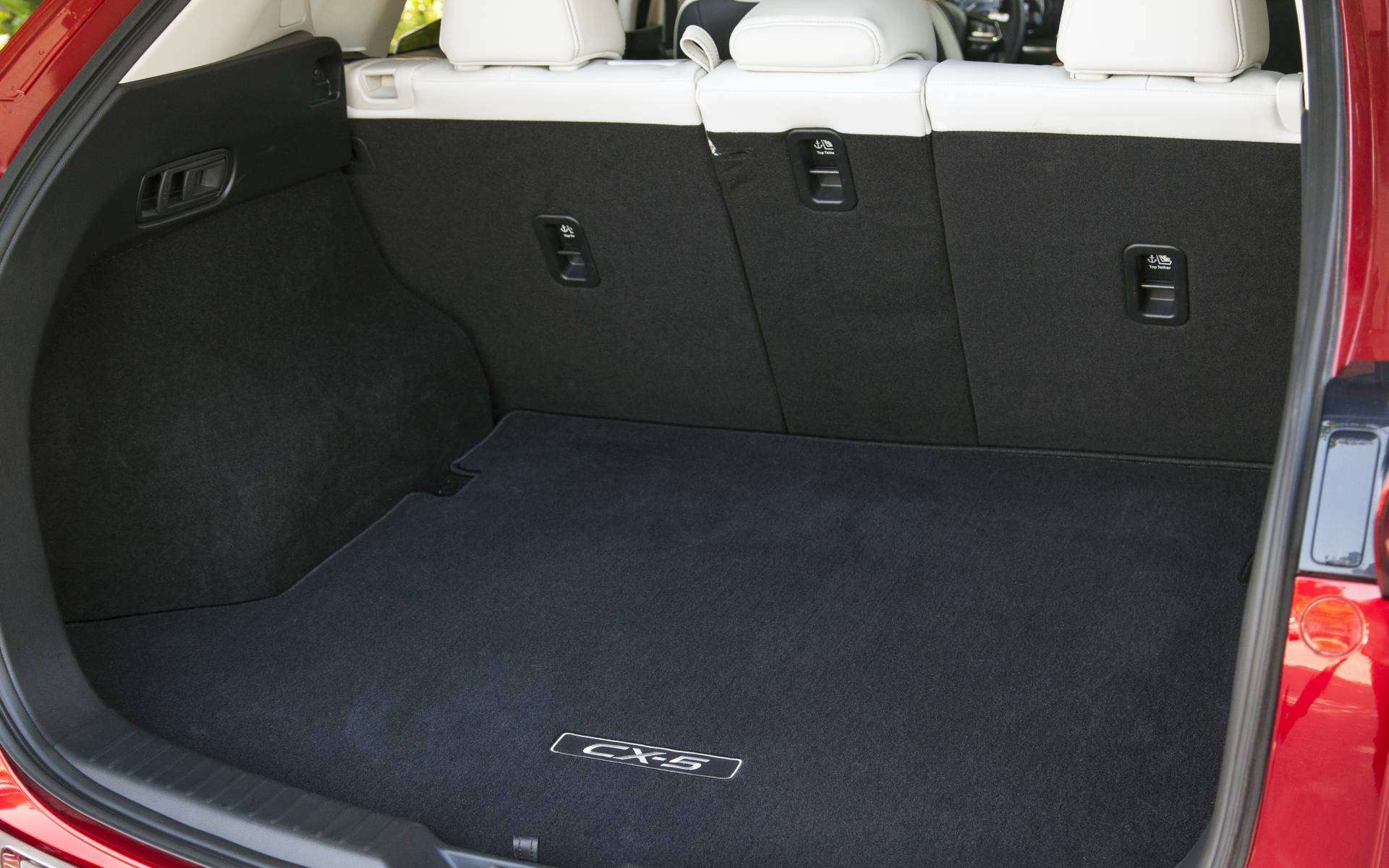
On the other hand, rear-seat and trunk space are below average. The cargo volume ranges from 871 to 1,680 liters, depending on the position of the seatbacks. Visibility is adequate, but nothing more. Much of the frustration stems from the user-unfriendly multimedia system, which requires you to use the controls on the center console or the steering wheel. And as mentioned earlier, there are other models with better fuel economy.
While you should avoid the diesel engine, the 2.5-liter turbo is a good choice, though it still requires a thorough inspection before purchase and rigorous maintenance afterward. There have been reports of some issues with coolant leaks and the fuel pump. The onboard electronics aren’t perfect either, as some owners have experienced glitches and black screens.
Overall, however, a used Mazda CX-5 from 2017 to 2025 is a safe choice that’s inexpensive to maintain. Once you’ve done all your due diligence as a savvy buyer, including checking the vehicle history report and the RDPRM, you’ll be able to drive with complete peace of mind.