
10 questions you might be asked about your used vehicle for sale
If you are considering changing vehicles, you have the choice of leaving yours at the dealership or trying to sell it yourself. In the case of the second option, we have previously detailed a series of tips and steps to follow to ensure a successful transaction. Read it if you haven't already!
When you put on your salesperson hat, you will need to be patient, generally meet with several potential buyers who may or may not be serious, and answer various questions and requests that may or may not be relevant—not to mention the many scammers out there—before you finally sell your car.
Here are 10 examples of questions you may be asked along the way, whether by phone or email:
1. Why are you selling the vehicle?
This is often the first question that needs to be answered. The buyer will want to know if the vehicle has any problems, as this may be the reason you are selling it. Be very transparent in explaining your decision. Perhaps you need a larger (or smaller) model to better suit your lifestyle, or to save gas on your commute. If you are trying to get rid of it because of a mechanical or cosmetic problem, it is best to say so up front.
2. Where does the vehicle come from?
The buyer will want to know its origins and history in order to fully understand what they are getting. Mention whether you are the original owner or if you know the previous owners, if applicable. Gather as many details and documents as possible. At the same time, the buyer will undoubtedly want to confirm that you are the legal owner and that the registration information matches the vehicle identification number (VIN).
3. Has he ever been in an accident?
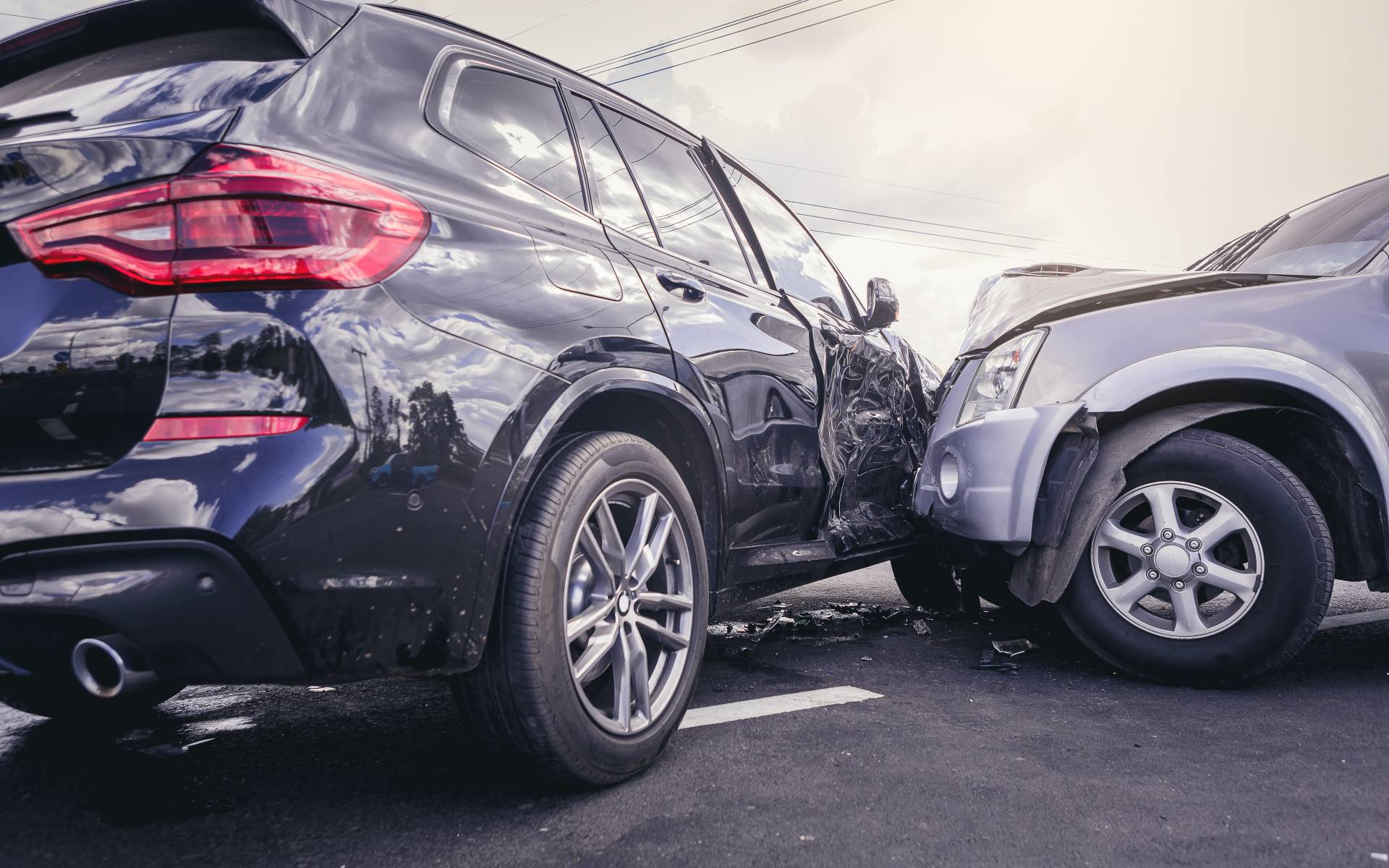
If the vehicle has been involved in a collision or accident, you must inform the buyer. Specify the severity of the accident, the repairs that were carried out, and whether there are any lasting effects. For most buyers, a vehicle that has been in an accident is not an obstacle to the sale, provided that it has been properly repaired.
4. Have you made any repairs or modifications?
Since you took possession of your vehicle, have you made any repairs or modifications? It's important for the buyer to know this, especially if the work affects the vehicle's safety, capabilities, or performance. This is also the time to highlight all the good care you've given it, any exterior or interior improvements, the installation of better tires, etc.
5. What condition is the vehicle in?
The photos in an ad are rarely enough to get a good idea of the condition of a vehicle. With this question, the buyer wants to know more and can decide whether it's worth making the trip. If there are any cosmetic defects, be honest and describe them clearly. Misleading the buyer will waste both your time and theirs when they come to view the vehicle.
6. Does he have this or that equipment?
Again, an ad doesn't tell the whole story. In addition, buyers may have specific needs and requirements. Be prepared by having a complete list of your vehicle's amenities and equipment so you don't forget anything.
7. Can I take it for a test drive?
Another way to learn about the condition of a vehicle is to drive it, of course! The buyer will probably want to test it and check how it performs in different conditions and on different roads. However, you can refuse to let them get behind the wheel and invite them to ride along with you in the passenger seat instead. The test drive should not exceed about 20 minutes.
8. May I take the vehicle to a workshop to have it inspected?
Just as they would with a dealer, buyers may not blindly trust the inspection or history report and may ask you to have the vehicle inspected by a mechanic or repair shop they trust for peace of mind. Agree to this inspection (at the buyer's expense), which will increase your chances of selling your vehicle.
9. Can you fix this problem before selling it?
Among the final questions, if any work needs to be done, the buyer may ask you if you plan to take care of it before the sale. If not, this could become a bargaining chip for them, or even a reason for the transaction to fall through. You will need to weigh the pros and cons of this solution: is it a costly repair that you cannot afford to pay for?
10. Is this your best price? Are you open to negotiation?
Used vehicles have increased in value and are retaining more value than before the pandemic. Make sure you get the most out of the vehicle you're selling by doing some online research on comparable models beforehand. That said, think carefully about your negotiating margin and your reserve price (minimum price you're willing to sell for). Then it's up to you to decide whether to wait for other buyers to come forward and make you a better offer.