
The Tesla Model Y becomes the first vehicle to pass the NHTSA's new test
The U.S. agency responsible for road safety, the National Highway Traffic Safety Administration (NHTSA), has recently introduced new tests for advanced driver-assistance systems.
The result is not expressed as a score out of 100 or a star rating, for example, but simply as a pass or fail. As part of the NHTSA’s New Car Assessment Program, it aims to encourage automakers to place greater emphasis on improving these technologies.
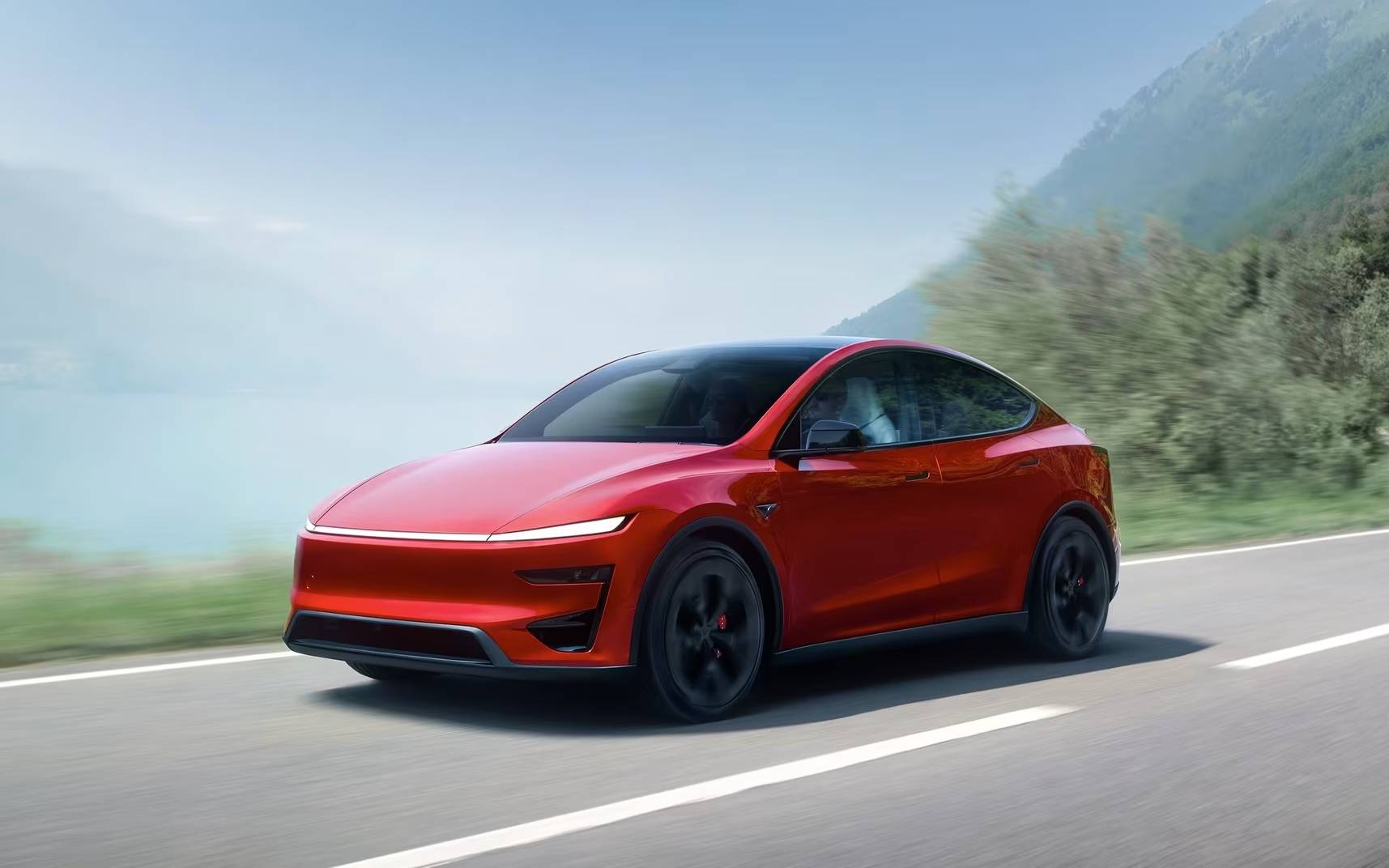
The organization announced on Thursday that the 2026 Tesla Model Y (vehicles manufactured since November 12, 2025) is the first vehicle to pass these new tests, specifically blind-spot monitoring, active blind-spot intervention, lane-keeping assist, and automatic emergency braking with pedestrian detection.
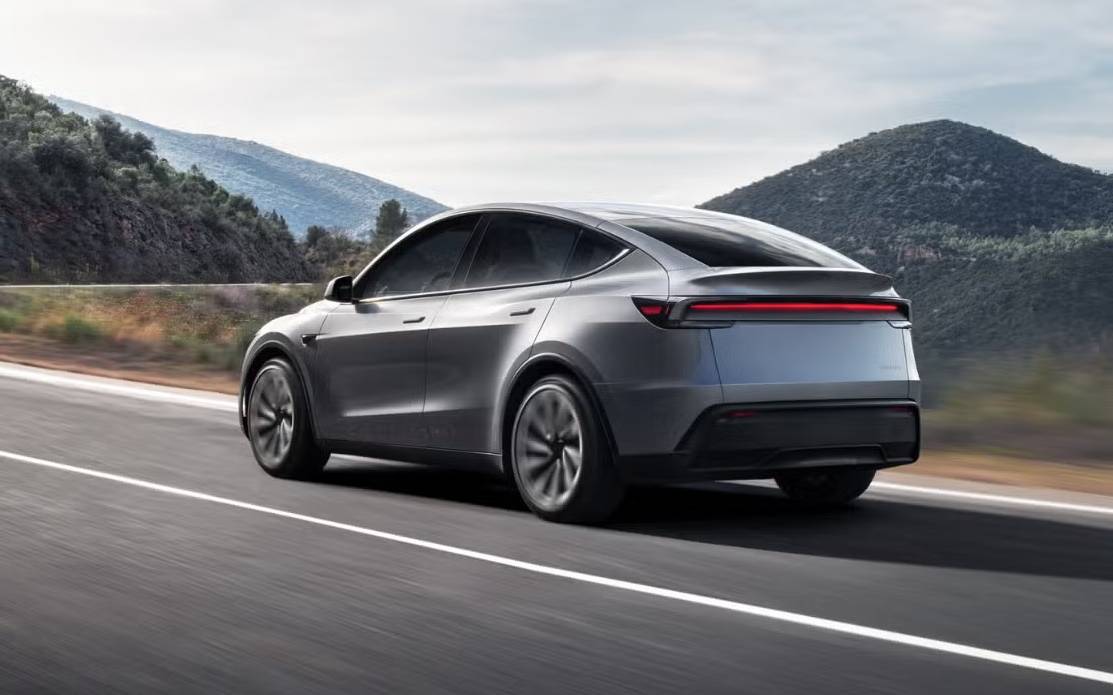
In short, all these systems are designed to assist the driver but do not enable fully autonomous driving. The same goes for Tesla’s so-called “Full Self-Driving (Supervised)” technology, which is available for a monthly subscription fee of $99.
The Model Y had already passed the four initial tests for advanced driver-assistance systems: forward collision warning, pre-collision braking, dynamic braking assistance, and lane departure warning. However, it is currently under investigation by the NHTSA regarding potentially defective door handles that prevent the doors from opening in certain situations.
The Car Guide nevertheless considers it one of the best buys in the mid-size electric crossover category for 2026. The Model Y also ranks among the industry’s top 10 vehicles for the third consecutive year, according to the American magazine Consumer Reports.