

A 100% autonomous car: unrealistic?
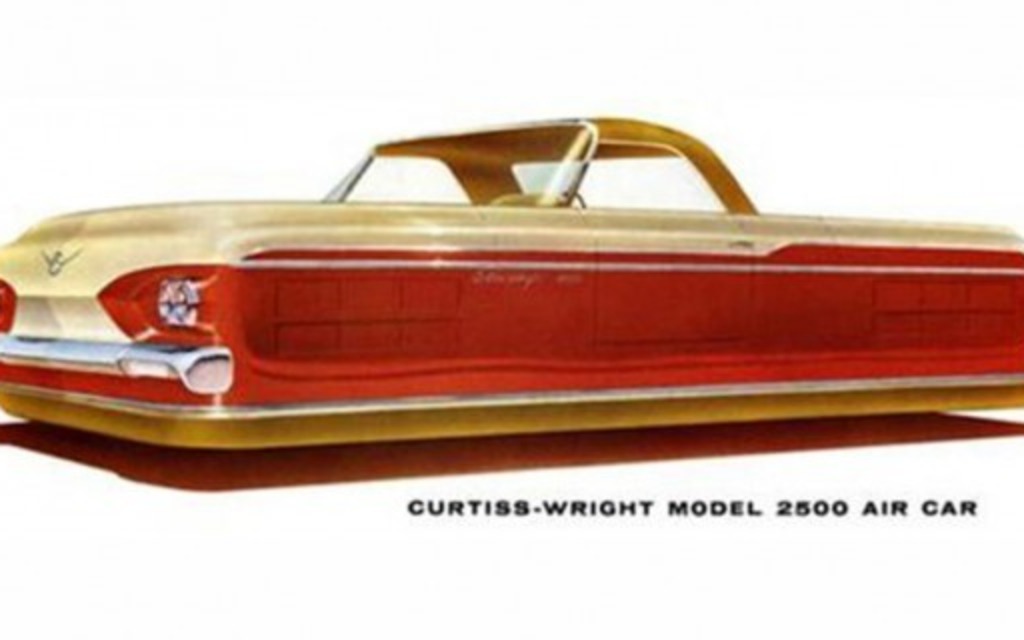
Alain McKenna, a journalist with La Presse, provides an update on the subject. Since the mid-1950s, the automobile industry, and Ford Motor Company in particular, has been looking for innovation. For a long time, the dream of driving a flying car to get around has been exploited and tested. Without success. It worked like a hovercraft, although it was never commercialized.
The dream of modern times? A car that can be driven without a driver. First, navigation systems are working to make the machine more autonomous. Then there are rearview cameras, blind spot detectors, etc. All the options seek to make driving easier and easier. But is it really possible that one day, our cars will drive themselves?
While it may seem like a small step, moving from current driving to autonomous driving is still a big step to take.
According to Gill Pratt, head of autonomous development at Toyota, this could take decades more. Currently, a car anticipates actions one to two seconds in advance. For full autonomy, it will need to get to at least 15 seconds, therein lies the challenge.
Even so, Uber would like to be able to open the world's first autonomous car fleet by 2020. However, some investors, including Bill Gurley, agree with Pratt and believe that North America will not see this technology for at least 25 years. Especially since the issues are not only technological, but also legal and, at some level, cultural.
While waiting for the arrival of 100% autonomous cars on the market, you have the opportunity to find several cars equipped with options such as rear view camera, cruise control and navigation system on otogo.ca.