

Toyota and Volkswagen say they have too many models: a shake-up is needed
Two of the world's largest automakers, both of which are facing their own challenges these days, say they are considering a new strategy to get back on track: a major overhaul of their product lineups.
Let’s start with Toyota. Although it dominates global new-vehicle sales, the Japanese giant believes that the growing number of models, versions, and configurations in recent years has become a problem that is driving up costs. This admission was made in recent days to an American media outlet by the new CEO, Kenta Kon, who took office on April 1.
Sound the alarm about the state of supply chains, his predecessor, Koji Sato, had already emphasized the importance of controlling costs, innovating, and rapidly increasing productivity in order to weather these difficult times and withstand the competition. “If nothing changes, we won’t survive. I want everyone to be aware of this crisis,” he had said.
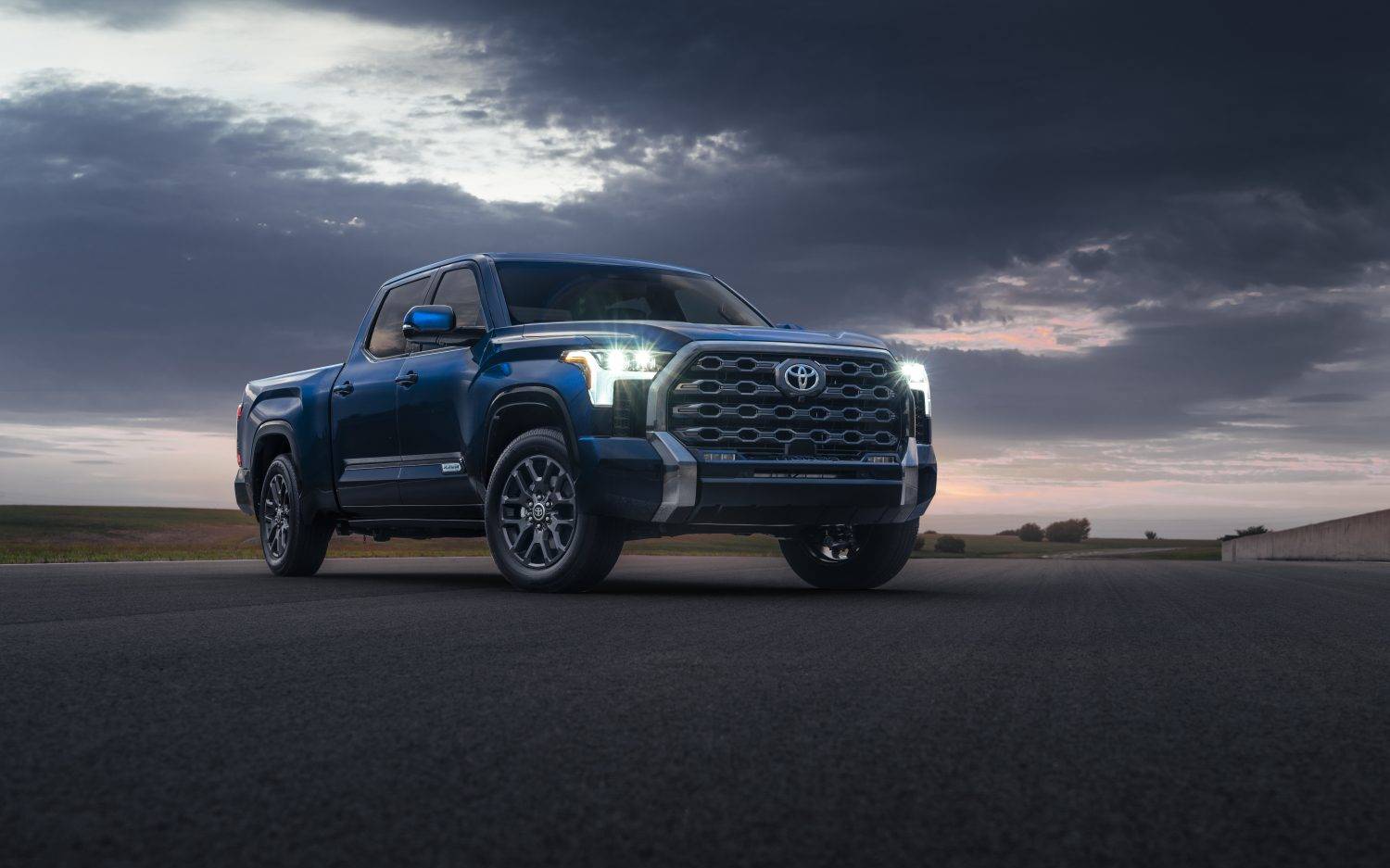
Toyota is reportedly now considering phasing out underperforming models and streamlining others. Of course, every region of the world is different. In North America, does it really make sense to keep the Crown sedan alongside the Camry? To stick with the hydrogen-powered Mirai? To offer 37 different versions of the Tundra when it accounts for only a small share of the full-size pickup truck market? We may find out the answers soon.
Meanwhile, at Volkswagen…
In March, the German Volkswagen Group announced a startling figure: 50,000 jobs will be cut in Germany by 2030 in order to boost its profit margins and invest in the future. The cuts will affect, among others, the luxury brands Audi and Porsche, which are facing significant difficulties, as well as the software subsidiary Cariad.
Is that enough? It seems not. At its annual general meeting held this week, Volkswagen unveiled the next phase of its transformation. The first of the eight major initiatives it has identified is to streamline its entire lineup. The goal is to prioritize high-volume models and phase out those with mediocre sales performance, such as the recently discontinued Audi A1 and Q2.
That said, this is more of a concern in Europe than in North America, where the current supply is fairly limited. The company says it wants to pay closer attention to the needs of its customers in different markets.
Other initiatives to be implemented include reducing the number of electronic platforms and architectures to limit complexity and accelerate vehicle development, and better aligning production at its plants with actual consumer demand.