

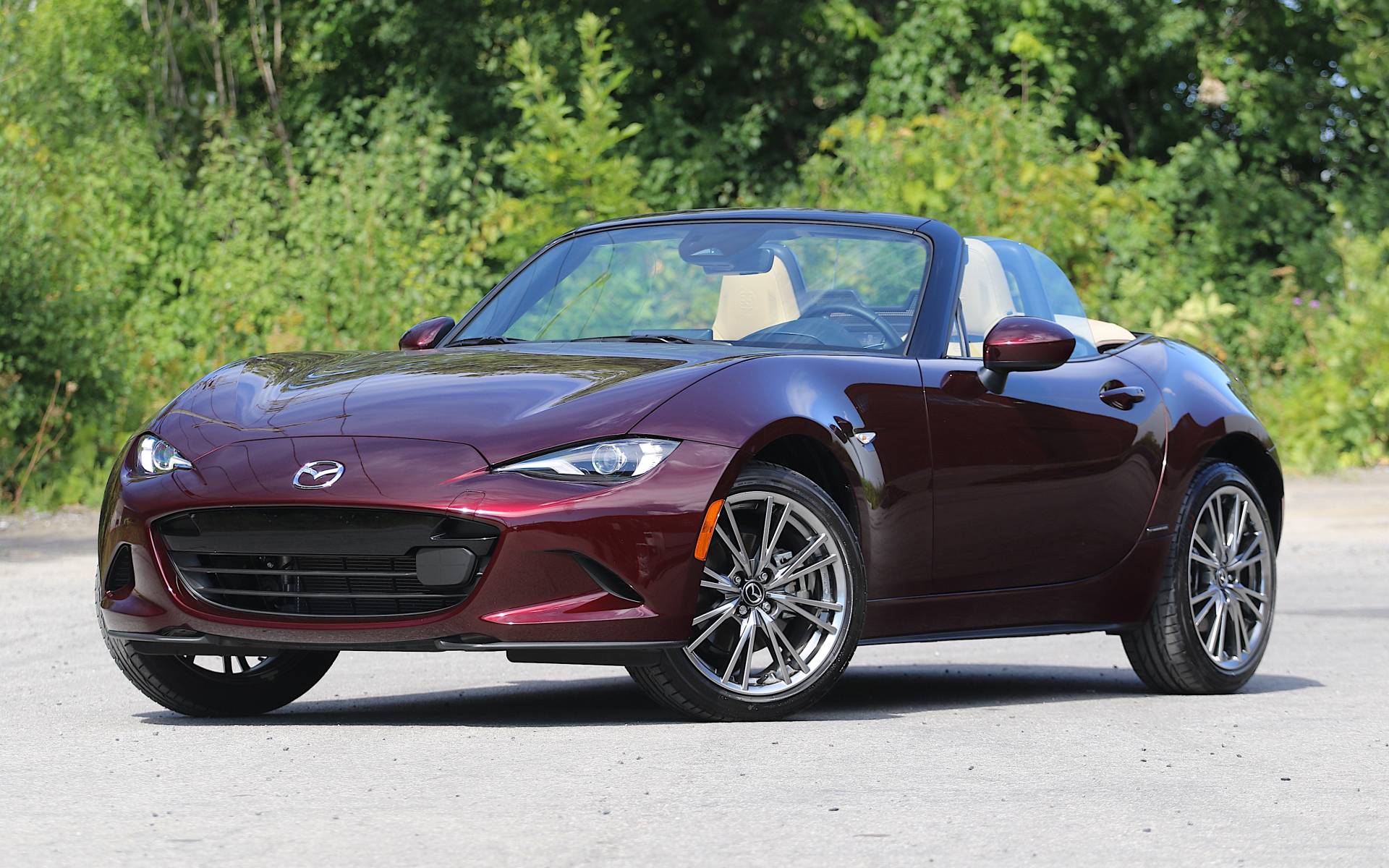
Next Mazda MX-5: the last one with an internal combustion engine?
After more than a decade on our roads in this form, the Mazda MX-5 is no longer a young car, even though it keeps its passengers feeling very young at heart. You see, despite the fact that this fourth-generation platform is already nearly twelve years old, the driving pleasure it provides hasn’t aged a bit since it hit our roads in 2015.
But a small automaker like Mazda must already be thinking about what comes next, despite the niche status of its compact Japanese roadster. The MX-5 draws people into showrooms, but the vast majority of consumers end up driving away in a more practical vehicle, such as the CX-5 or similar models with higher ground clearance.
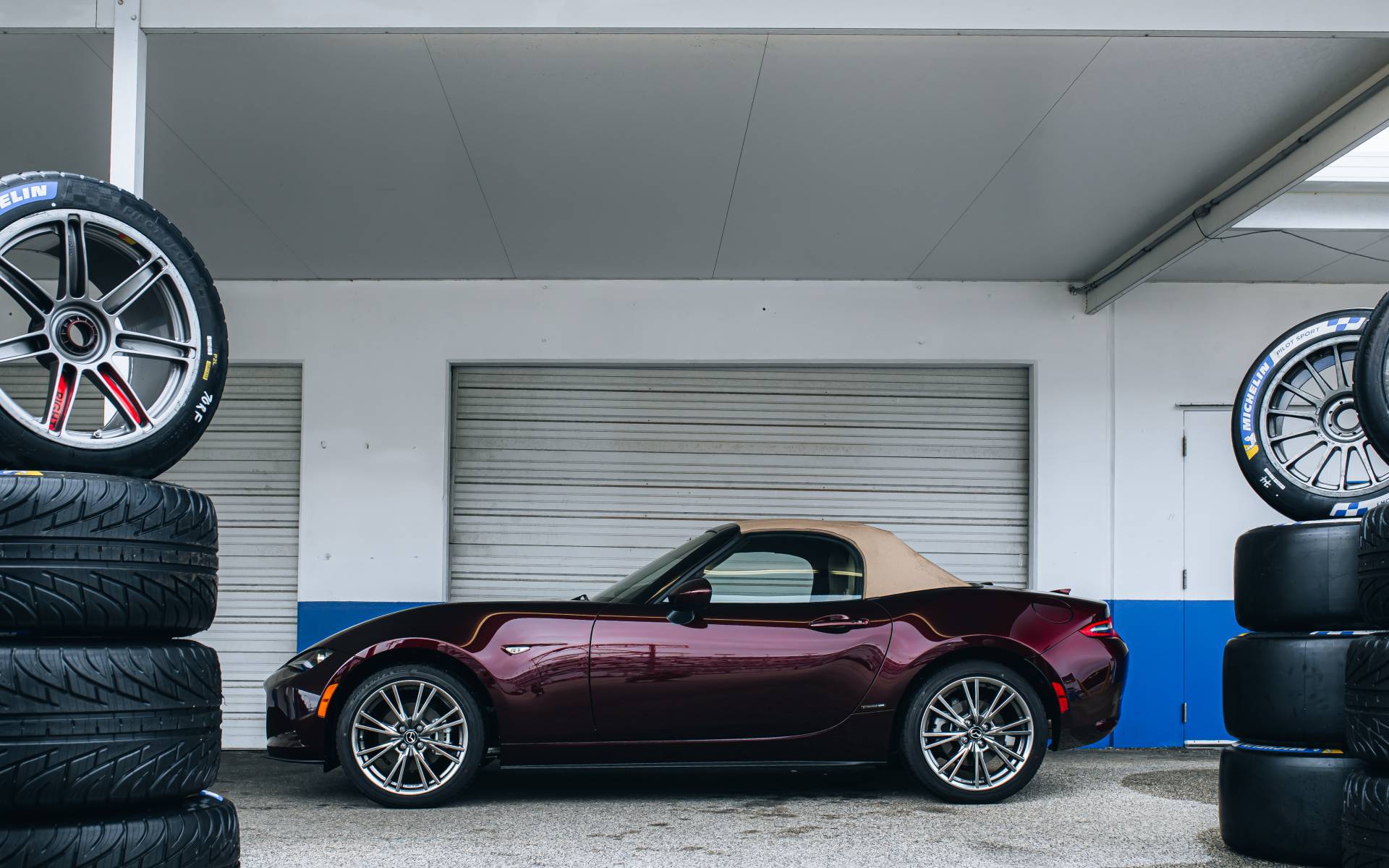
The fifth generation of this model, which in theory should adopt the NE designation based on the model’s history, which has seen the NA, NB, NC, and ND generations come and go since the early 1990s, but another factor comes into play: the type of engine.
According to Mazda Australia President Vinesh Bhindi, the next generation of the famous Japanese sports car could be the last to be powered by an internal combustion engine. When asked by our colleagues at the CarExpert website during the local launch of the new Mazda 6e electric sedan, the Australian executive confirmed that a new MX-5 is indeed in development, even though the automaker still refuses to give an official release date. He reportedly added that this could be the last MX-5 with an internal combustion engine.
Fortunately, the very essence of the Mazda roadster is expected to remain true to the original formula, which combines a naturally aspirated engine, lightweight construction, and an excellent manual transmission. We can therefore expect a driving experience similar to that of previous models.
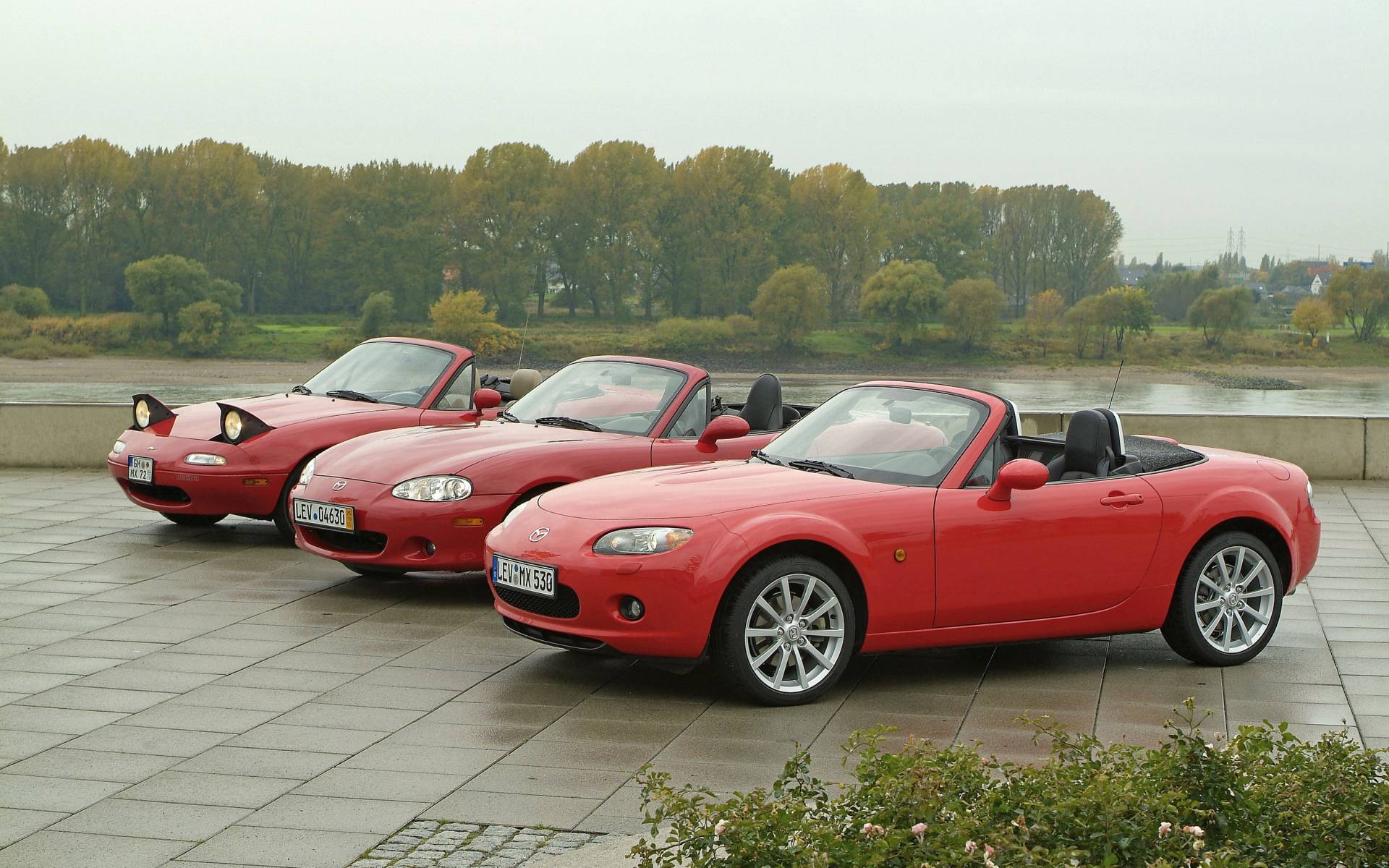
However, one might wonder what will become of the model after this fifth-generation NE. Will Mazda take the plunge into all-electric? The good news for purists of the model is that this future generation is also expected to remain in production for several years before giving way to the NF generation, which could arrive sometime around 2035, at the earliest.
Another question remains unanswered: Will the Japanese automaker dare to develop a simulated manual transmission for its potential electric MX-5, similar to what Toyota is currently developing for some of its future battery-powered vehicles? At this point, nothing has been confirmed. One thing is certain, however: Mazda cannot afford to compromise the DNA of its most iconic model. With more than 1.26 million units produced since its launch, the MX-5 remains the best-selling two-seater sports car in history. Mazda has no room for error, regardless of the type of powertrain it uses.