

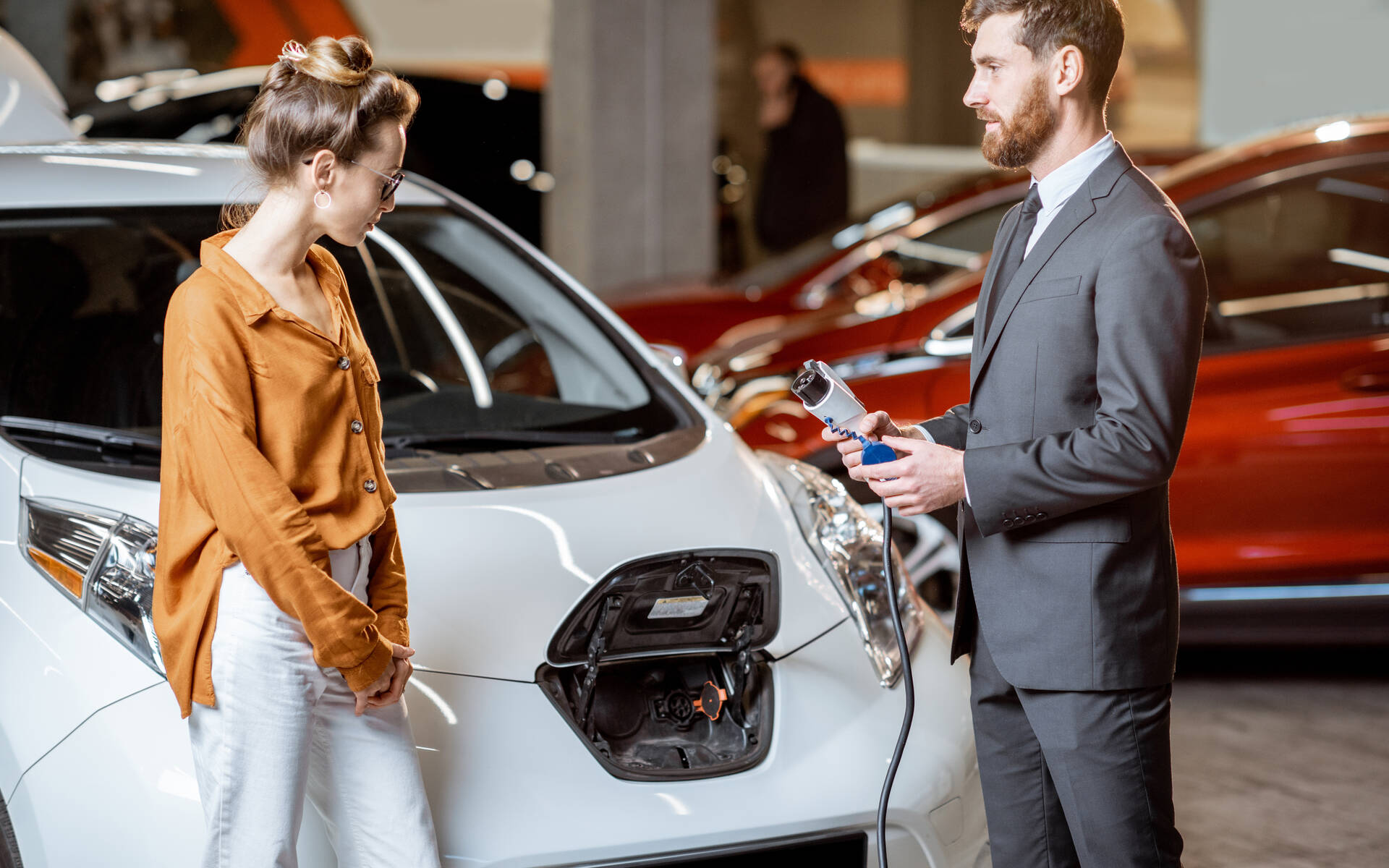
What you need to know before buying electric
The electric car has become part of our daily routine. And when I say "our" habits, I'm referring to us Quebecers, who are more than anyone convinced of its benefits. As proof, the majority of motorists consider it when the time comes to replace their vehicle, even if they don't always make the jump. Certainly, our government will have done everything in its power to sell us on its merits, with the ultimate aim of controlling energy consumption, but also because Quebec wants to set an example when it comes to greenhouse gas emissions.
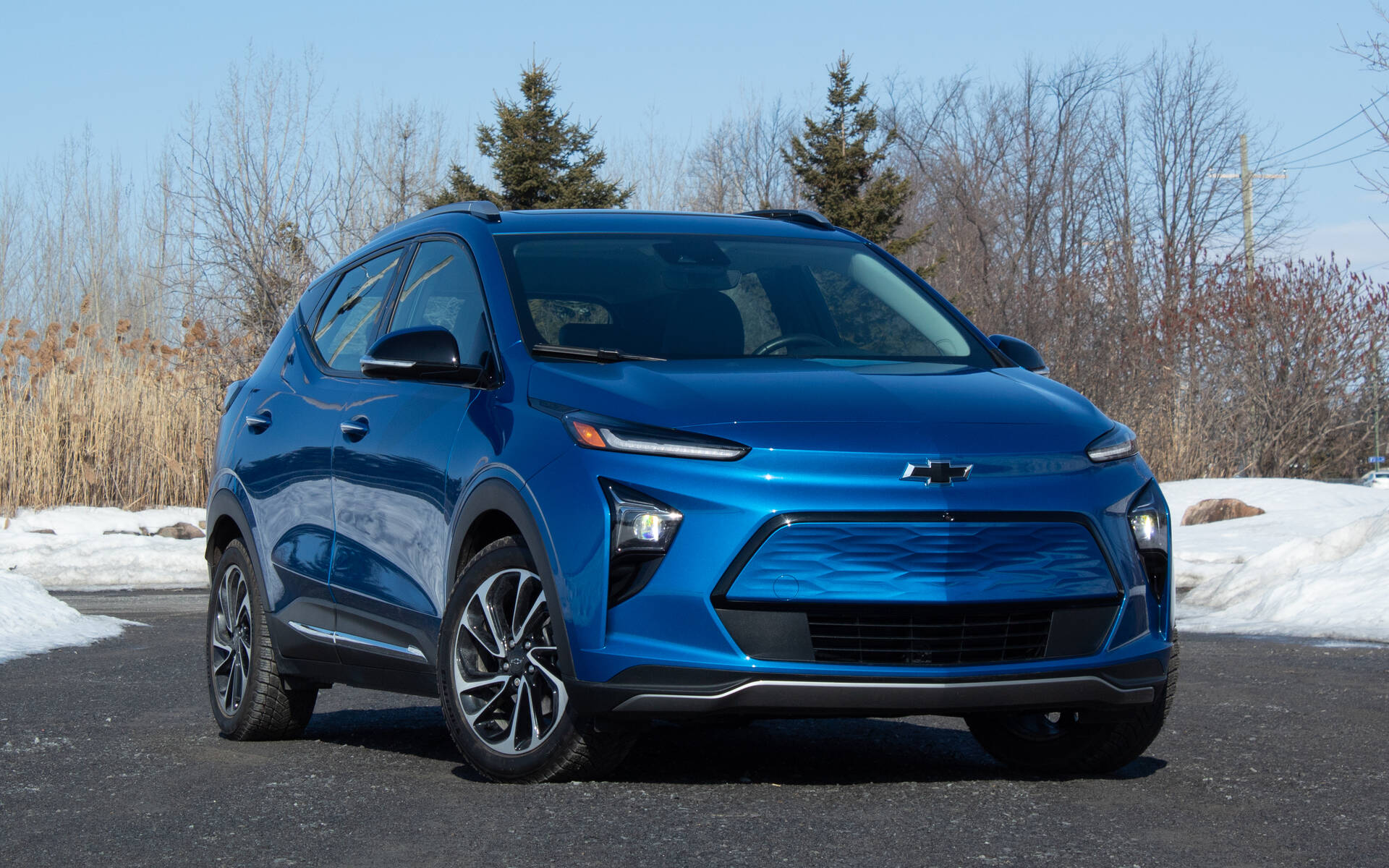
Naturally, with the lowest hydroelectric rates in North America, Quebec offers motorists a considerable financial advantage. Not to mention generous credits of up to $7,000, tax included, for the purchase of an electric vehicle. To this can be added up to an additional $5,000 from the federal government, for a total of $12,000 including taxes (or $10,437 plus taxes). Essentially, this means that a $42,000 electric car like the Chevrolet Bolt receives a net rebate of 25%, which is quite something. Obviously, as the vehicle's selling price rises, the rebate percentage decreases, which explains why the cheapest electric vehicles are by far the most coveted. One possible exception is the Mazda MX-30, which has too short a range (161 km) to attract the masses.
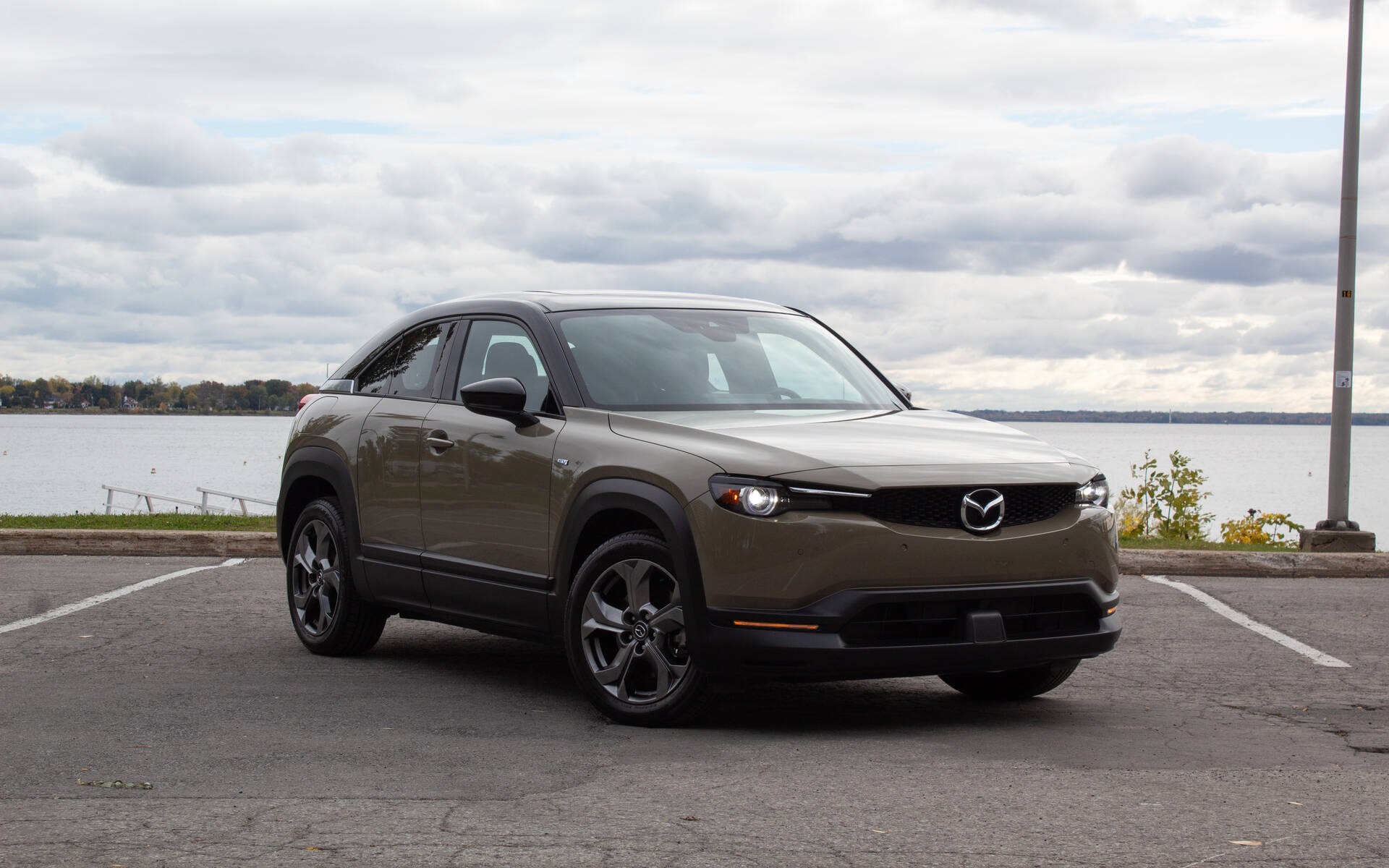
That said, motorists steeped in old habits are often unaware of their real needs. They don't realize that they don't drive more than 75-80 km on a daily basis, which means that a vehicle offering 150 km of range (or 100 km in cold weather) can very often do the job. Now, because some other vehicles offer twice the range at a comparable price, I don't need to tell you which alternative customers are flocking to.
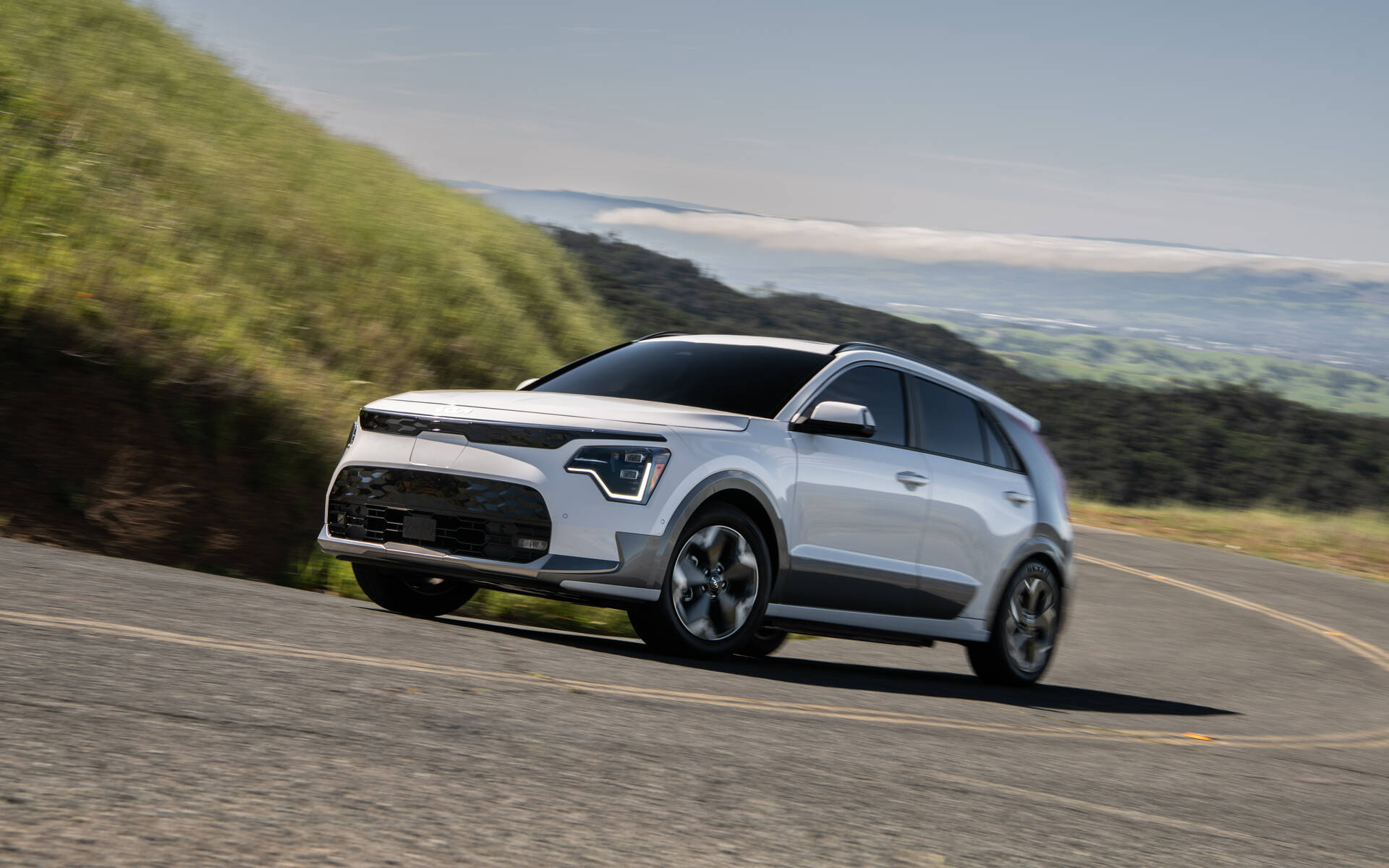
The advantages of electric cars are numerous, starting with the silence of the ride, which is much appreciated in the hustle and bustle of everyday life. Underestimated, this advantage even contributes to a reduction in stress (*absolutely unscientific data, but noted by the author of these lines, who appreciates this peace and quiet after a hard day's work!) Of course, the very low energy consumption translating into several hundred extra dollars in our pockets every month also becomes an advantage, especially if recharging is mainly done at home. Another benefit? Powerful acceleration and instant torque, which means you can react quickly and without delay. And you don't need the fastest Tesla. A simple Kia Niro EV will give you that precious little oomph you can't live without. In other words, once you've experienced this fiery acceleration, it's hard to go back to a traditional gasoline-powered compact.
Saying goodbye to petrol stations is also pleasant. Not only because you save energy, but also because you don't have to stop there anymore. Volkswagen has created a nice advert to illustrate this, with the motorist only stopping at the service station for a treat. In fact, with a home charging station (almost essential when you buy an EV), you become master of your own refuelling. What's more, there's no longer any need to hunt for a price per liter of fuel that fluctuates from morning to night, with Hydro-Québec rates averaging around $0.10 per kWh (i.e. $6.00 for a full charge on a Chevrolet Bolt/Hyundai Kona/Kia Soul).
The electric car also offers the advantage of depreciating in value only symbolically. Especially when it comes to the most affordable cars. Just think of the Chevrolet Bolt, Hyundai Kona /Ioniq 5, Kia Soul/Niro/EV6, Nissan LEAF or Volkswagen ID.4. Subsidized vehicles for which demand far outstrips supply. Obviously, the higher up the range you go, the higher the depreciation on unsubsidized models. And let's not forget that EVs are not targeted by car theft rings, so you can rest easy. And with good reason: stolen vehicles are mostly exported to Africa or the Middle East, where electric models are not at all popular.
The downside of an electric car
Unfortunately, just because EVs are less attractive to thieves doesn't mean that insurance premiums are any lower. On the contrary, they are often higher than those of a comparable gasoline-powered vehicle. This is due to the much higher cost of repairs, the unavailability of parts, the lack of expertise to repair these vehicles and, above all, the unavailability of a replacement vehicle. In short, if you had a claim tomorrow morning on your Hyundai Ioniq 5, the insurer would be able to issue you a cheque, but certainly not to find you another Ioniq 5. Add to the equation the fact that a leased vehicle loaned for a maximum of 30 days is often not electric, and the insured must then be compensated for the fuel he or she will use throughout the claims process.
Electric cars also require maintenance. Of course, much less in the short term, but bear in mind that many models are equipped with multiple cooling systems that need to perform well, while others are equipped with electric motors that require sporadic oil changes. You should also be aware that the weight of an electric vehicle often means premature wear and tear on suspension and steering components, while tires also have a more limited lifespan. As for the brakes, they are clearly subject to less stress, but they do need annual (and inexpensive) maintenance, otherwise corrosion could get the better of them.
And then there's the price. It's still quite a bit more expensive than a gasoline model, partly because manufacturers are well aware that the government grants generous credit. And don't forget the sometimes almost usurious financing rates, which make monthly payments soar.
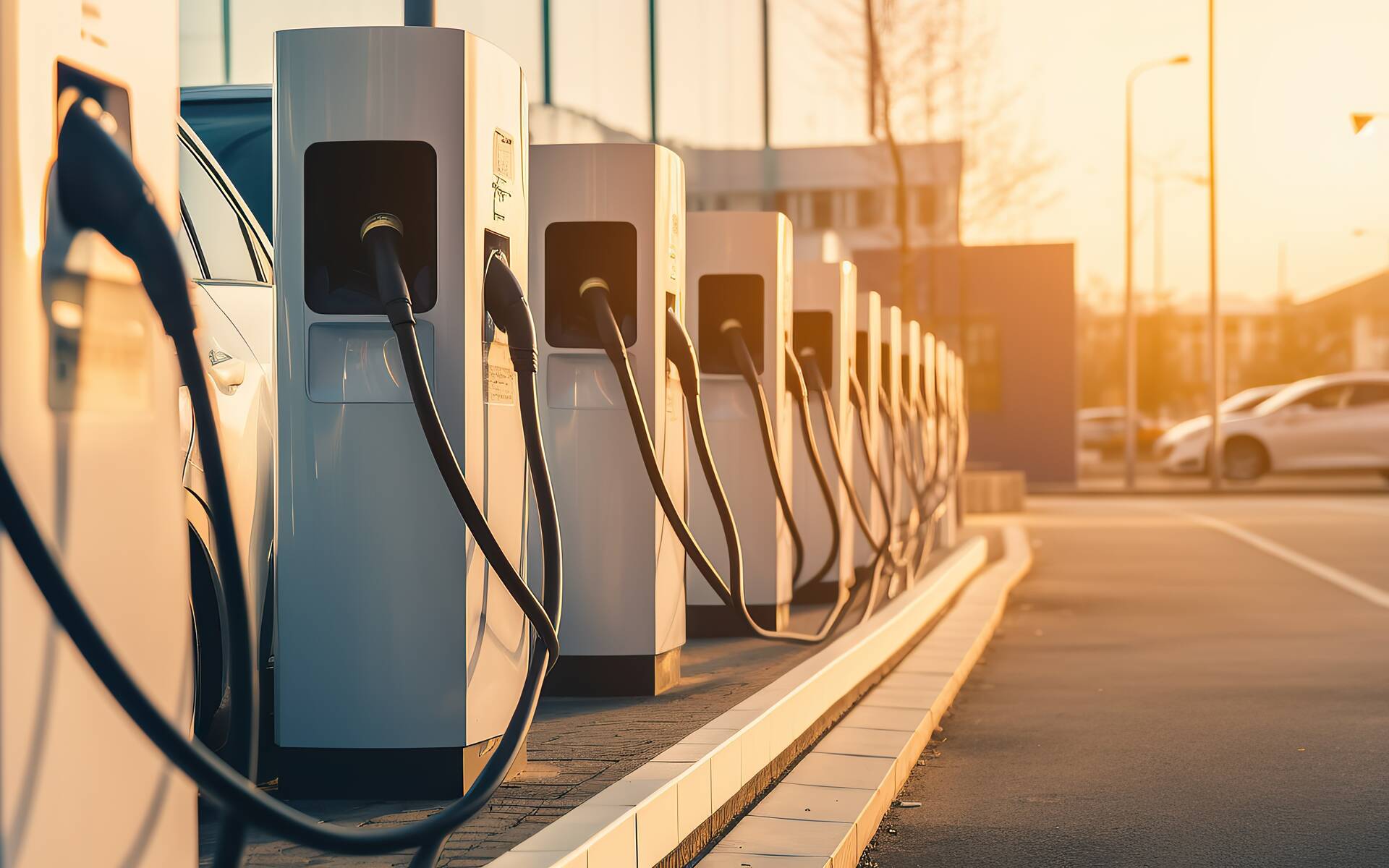
Let's finish by mentioning that a home charging station is more than necessary if you buy an EV. Not only because you won't be dependent on a network like Circuit Électrique or Tesla Superchargers, but also because it will cost you much less to recharge. The problem often arises for those who can't get a charging station, either because they park on the street or live in condominiums, where installations are often problematic. At this point, you need to take the time to assess your needs and the charging stations around you, bearing in mind that traffic will skyrocket over time on all of them.