
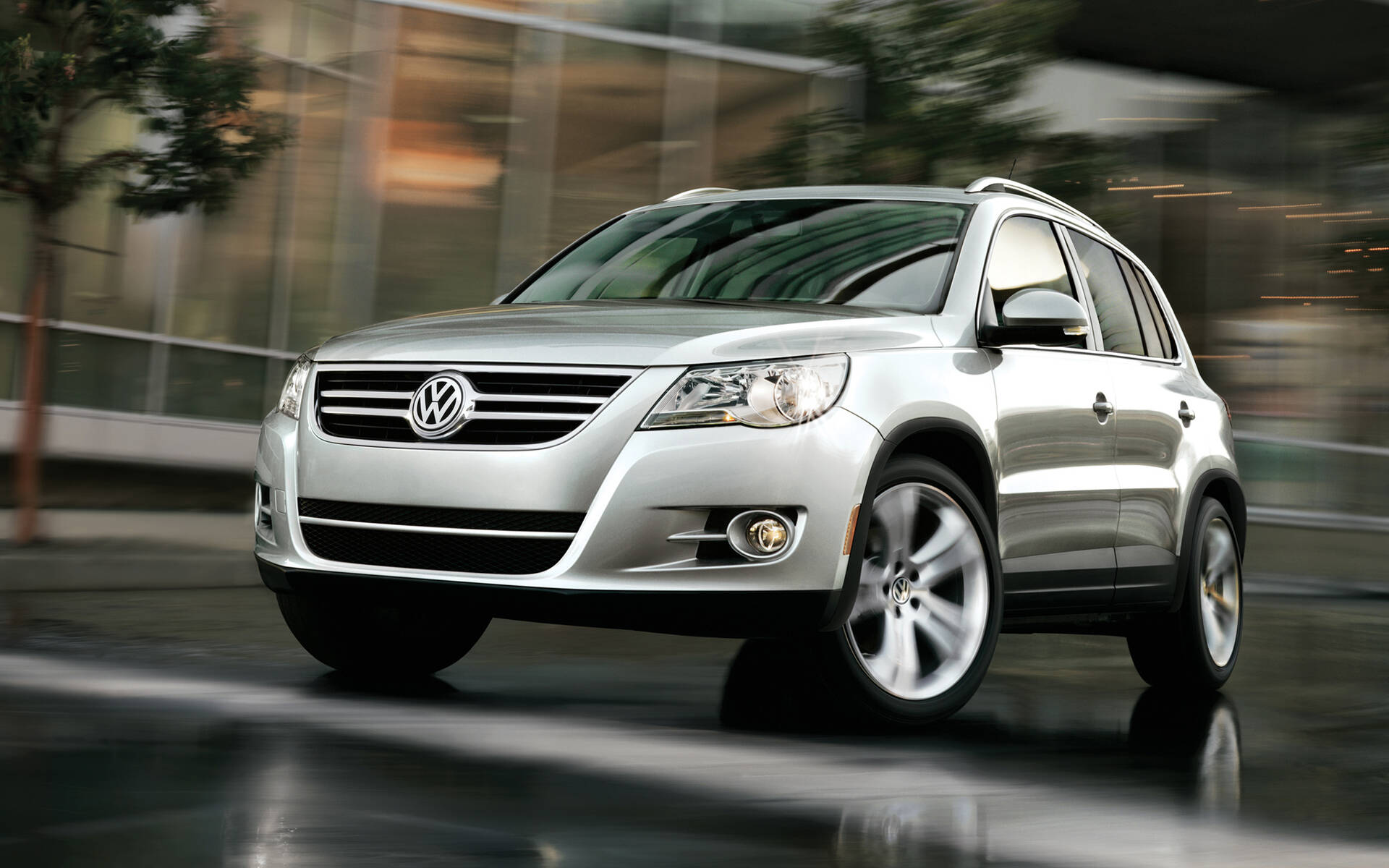
Used Volkswagen Tiguan: which years to avoid?
A third generation of the Volkswagen Tiguan has just arrived on the market, more modern, more powerful, and more technologically advanced. However, unlike its predecessor, this new Tiguan is limited to two rows of seats. Prices have also increased, unsurprisingly.
When it comes to used vehicles, buyers can choose between two generations of the German compact SUV. The first covers model years 2009 to 2017 and the second, 2018 to 2024. The latter has lost some agility and driving pleasure, but has gained a lot in terms of space, comfort, and technology.
However, given that the Tiguan and the Volkswagen brand in general do not have the best reputation for reliability, caution is advised. By the way, are there any years to avoid more than others? Let's take a closer look...
Volkswagen Tiguan 2009 to 2017
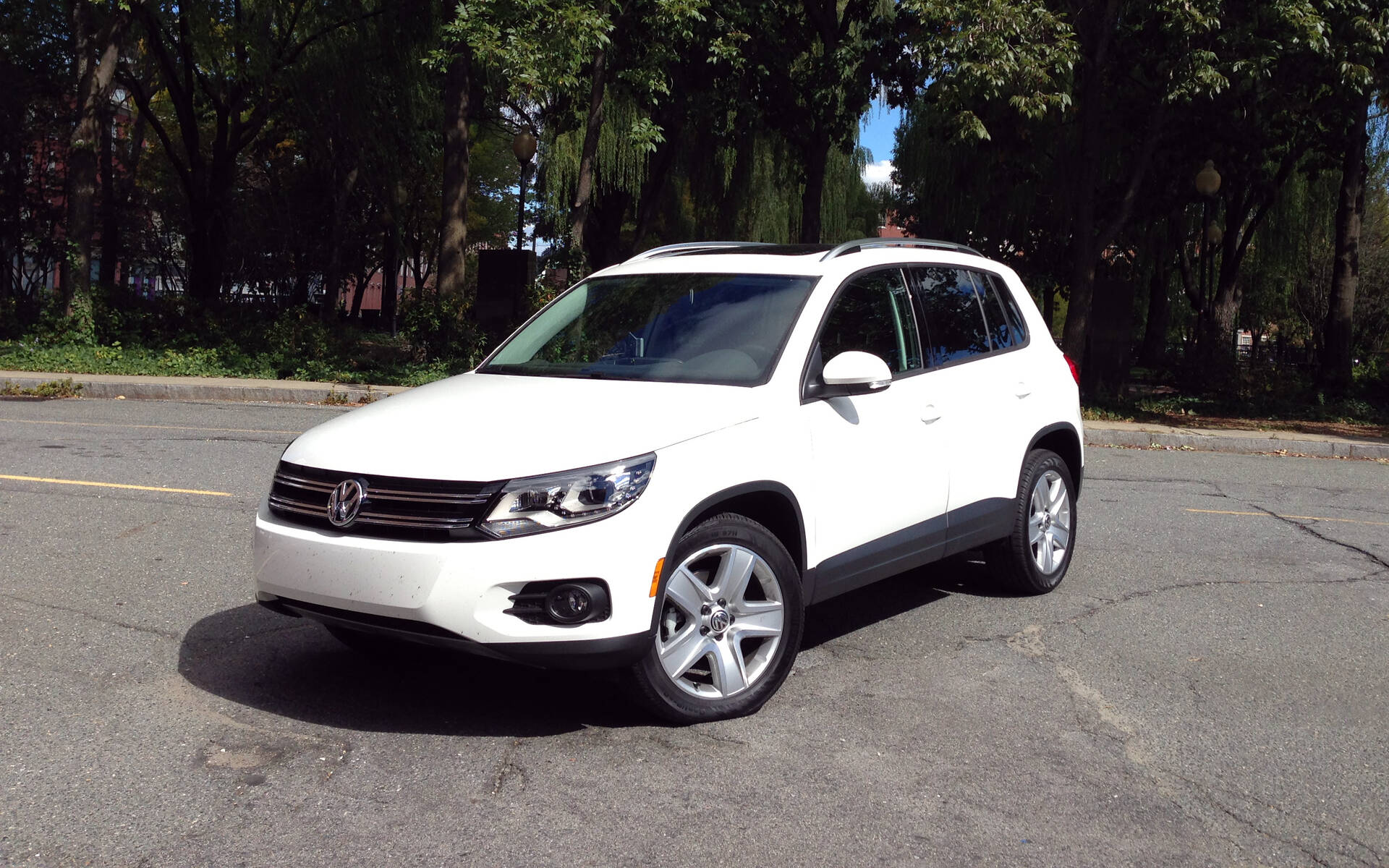
The original Tiguan may be appealing to many buyers on a limited budget, as models priced under $10,000 are easy to find these days. Even if a mechanical inspection reveals no major problems, it's still a gamble.
The early models, from 2009 to 2011 inclusive, are the ones that have generated the most complaints according to CarComplaints.com. This is mainly due to the engine, cooling system, and steering, not to mention the heating, electrical systems, and water pump. In particular, several owners have experienced problems with the timing chain and its tensioning mechanism, leading to breakdowns. In addition, a fuse could overheat and damage the fuse box, causing a partial loss of exterior lights.
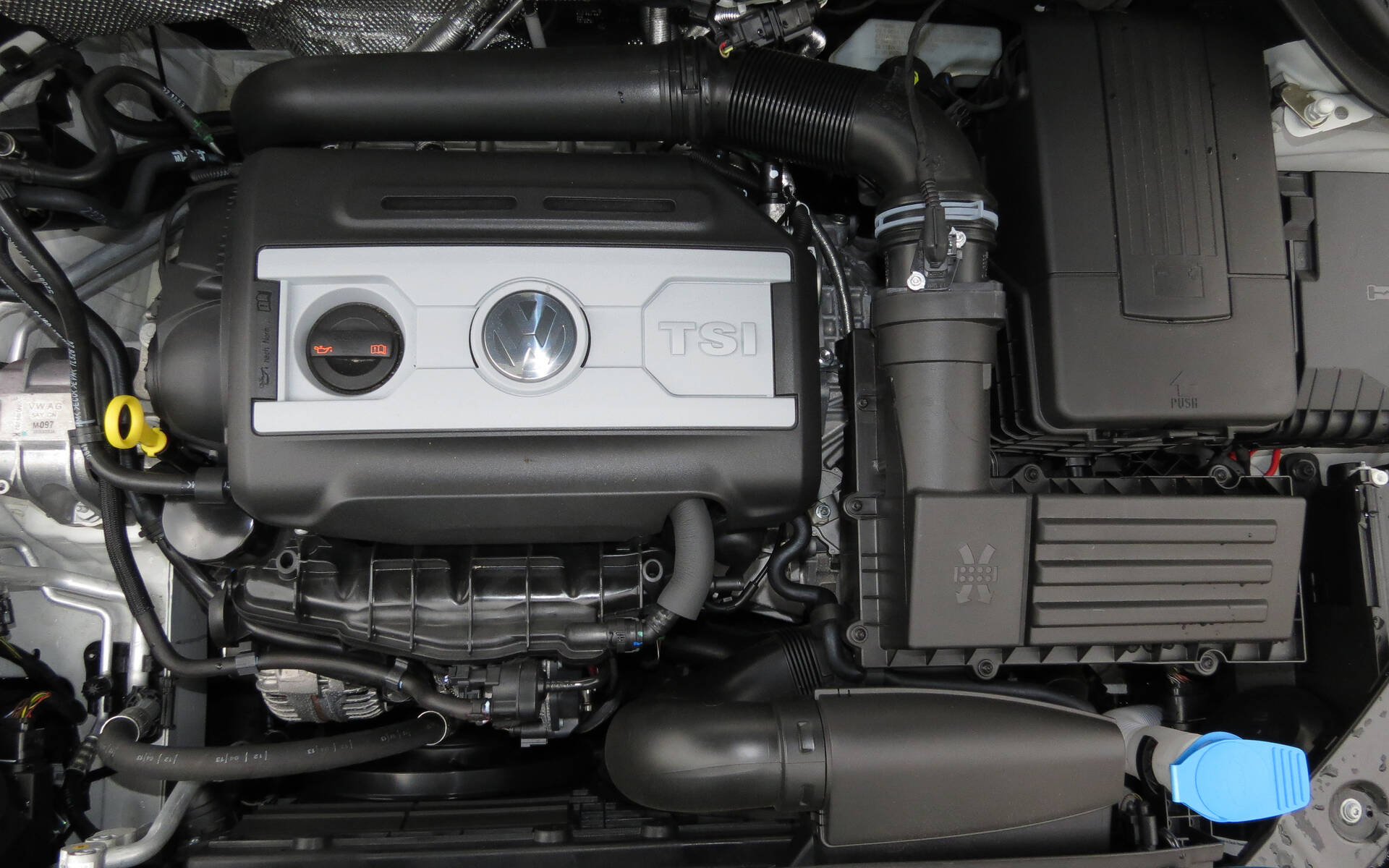
Although Volkswagen remedied some issues toward the end of the generation, the 2016 and 2017 Tiguan models are probably best avoided as well. In fact, the American magazine Consumer Reports gave them a poor reliability rating of 1 out of 5, citing problems with the engine (including excessive carbon buildup and abnormal squeaking), the drivetrain, and electrical and electronic components.
As for safety recalls, there are about ten, but no model year stands out more than the others. That said, be aware that several 2010 and 2014 to 2017 Tiguans have been recalled for airbags that may deploy incorrectly or with excessive force.
Volkswagen Tiguan 2018 to 2024
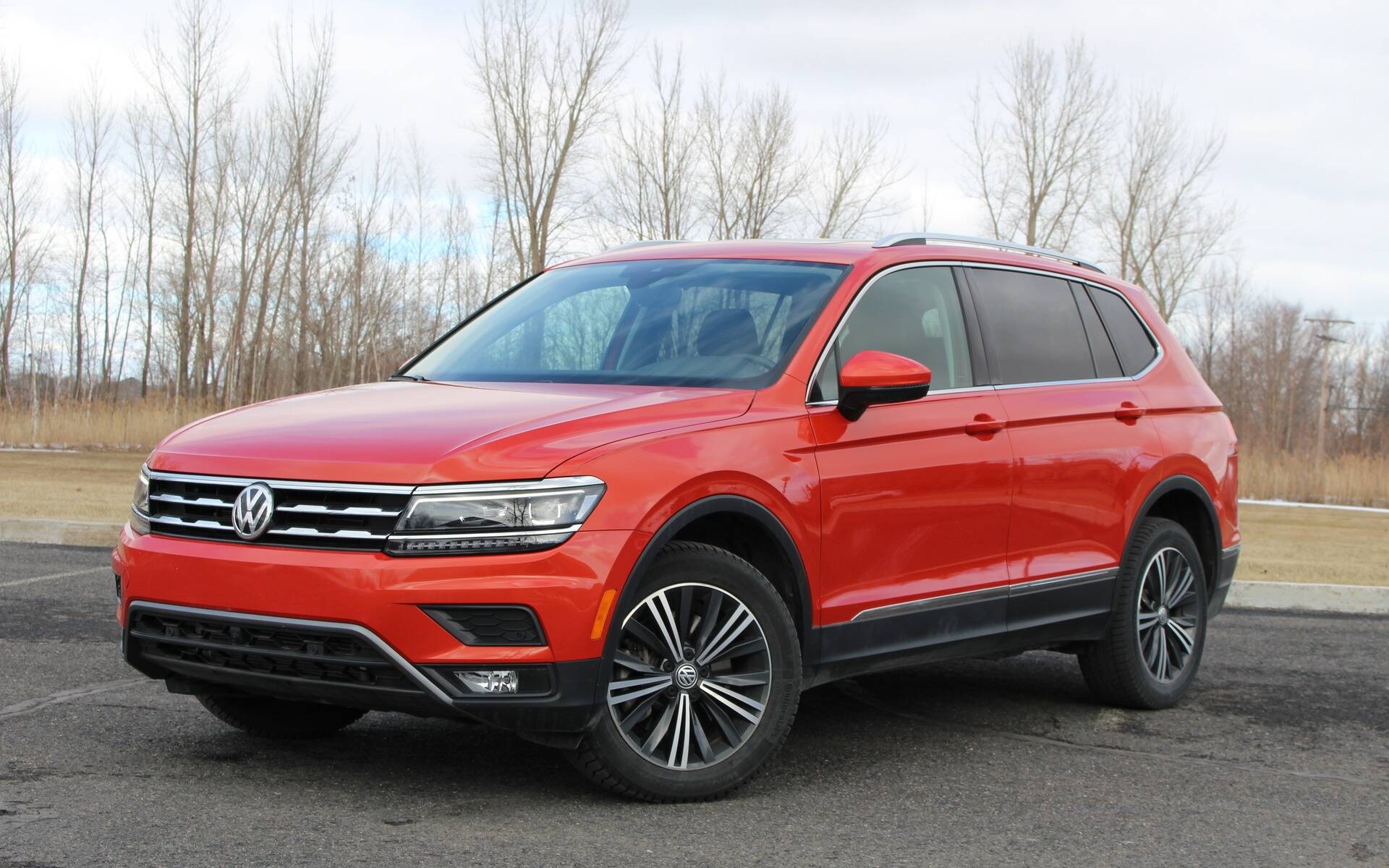
Completely redesigned for 2018, the second-generation Tiguan offered an optional third row of seats, setting it apart from most competitors. Larger families might have their eye on it, but it’s important to remember that the rear seats are really just for occasional use. Expect to pay at least $16,000 for a well-maintained example with reasonable mileage.
Unfortunately, early issues were widespread with this Tiguan. The 2018 model, in particular, suffered from hesitant or jerky acceleration, as well as transmission problems and excessive oil consumption. The brakes also tended to wear out prematurely, although they’ve likely been replaced by now. Even so, complaints are numerous on CarComplaints.com, and Consumer Reports gave it a reliability rating of 1 out of 5, recommending consumers avoid it.
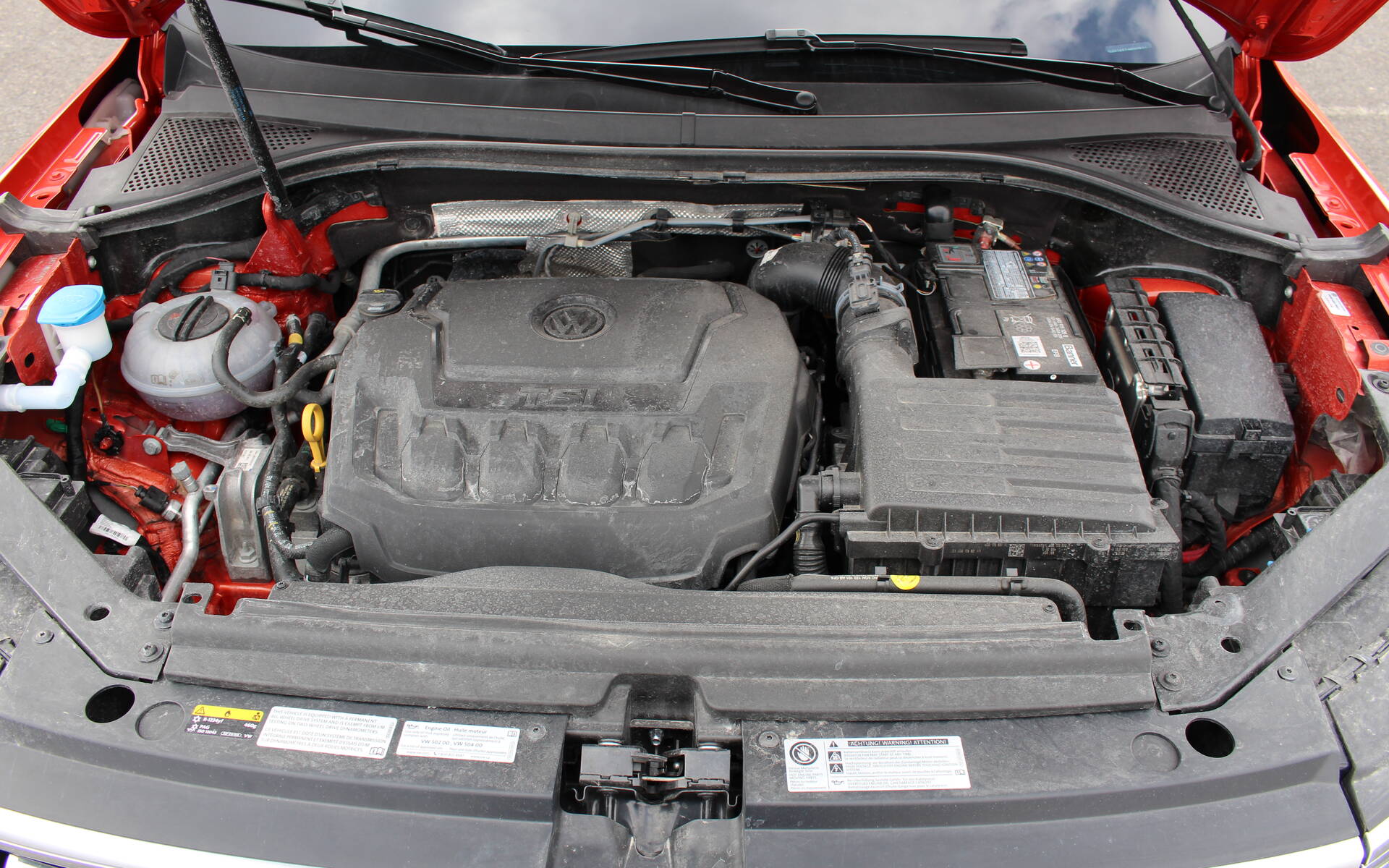
The list of safety recalls is twice as long for the second-generation Tiguan. Ten of the 21 recalls relate to the 2018 model year. The suspension, electrical systems, airbags, and seat belts may be faulty in some cases.
Verdict
In light of this information, it seems wiser to opt for a Tiguan from 2012 to 2015, or 2019 or newer. Don't neglect the mechanical inspection before purchasing, and get an extended warranty if your budget allows.