

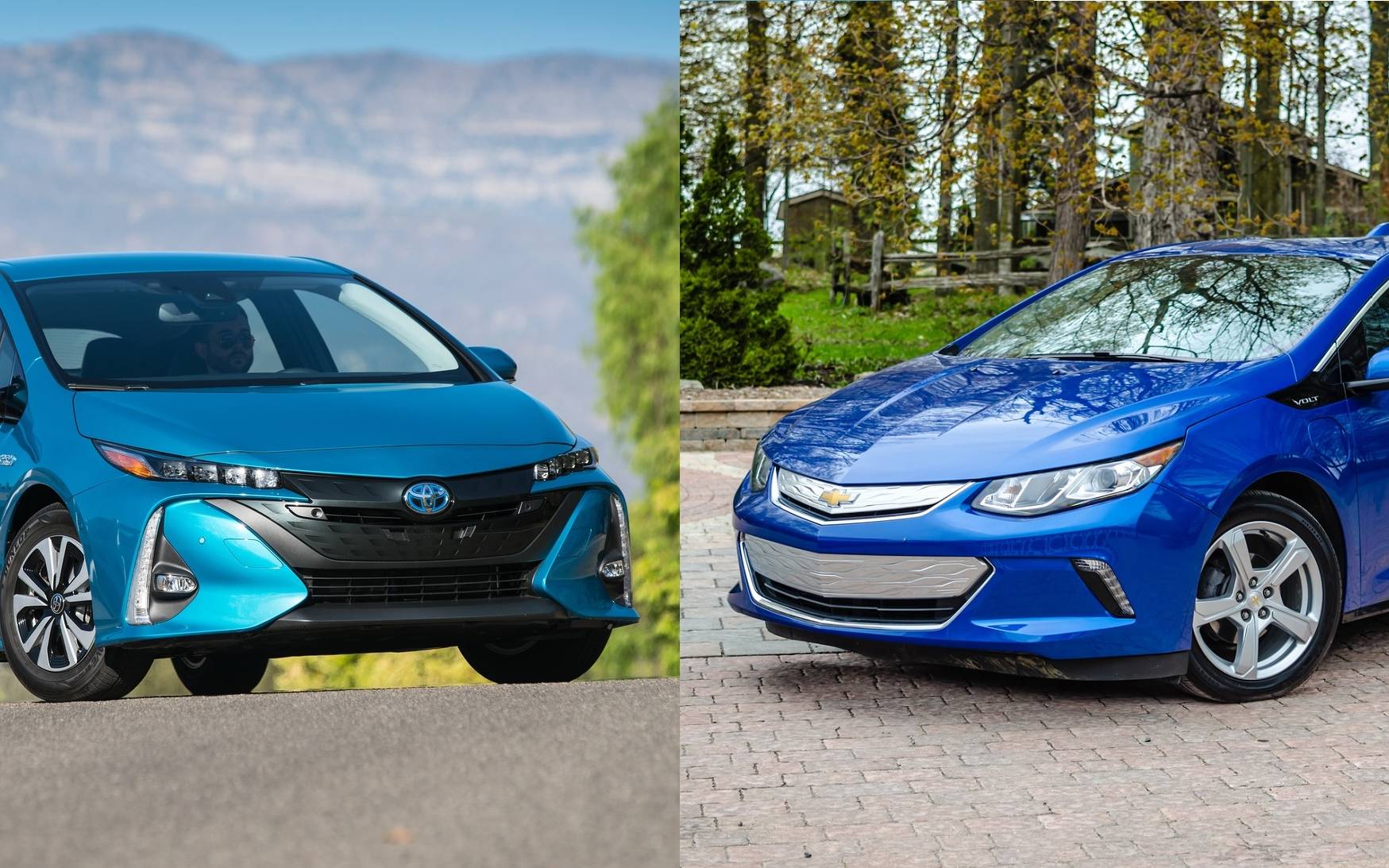
Used Toyota Prius Prime or Chevrolet Volt: which to choose?
Plug-in hybrid vehicles are an alternative for drivers who are not ready to make the full switch to electric, but most of the models currently available are SUVs. Those who prefer a car have far fewer options… and often have to turn to the used car market.
Let’s think of the Hyundai IONIQ, the Ford Fusion Energi, or even the Chevrolet Volt, for example. Of course, there's always the Toyota Prius Prime. These last two cars are probably the first names that come to mind for most people. Which one to choose? Let’s take a closer look...
For the purposes of this exercise, we will compare the previous generation of the Prius Prime (2017-2022) with the second generation of the Volt (2016-2019).
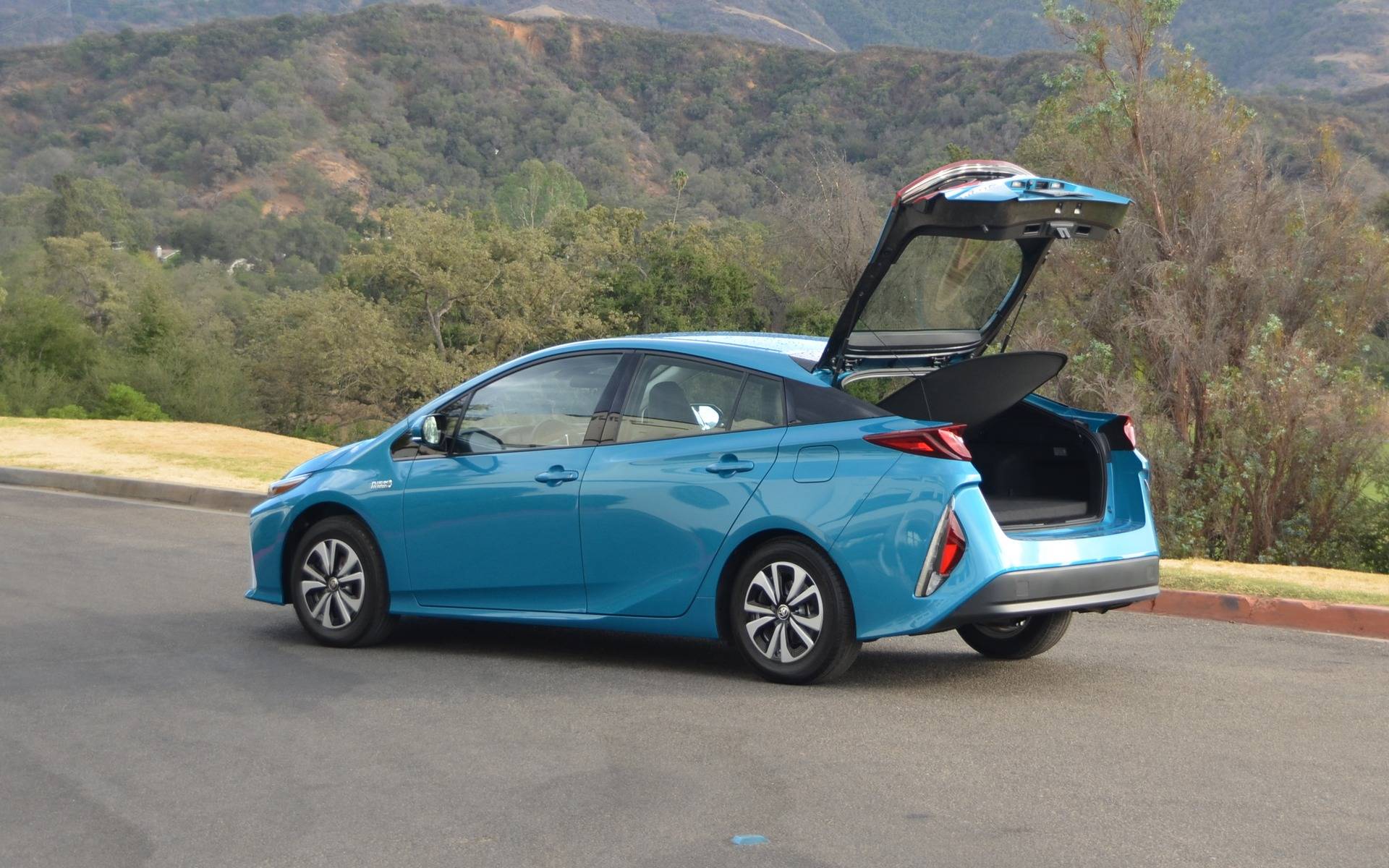
The Japanese hatchback sedan is not to everyone's liking with its design, which aimed to be futuristic and eye-catching but rather missed the mark. It does have the advantage of offering easy access to a spacious trunk (561 liters), but before 2020, its interior could only accommodate four people. It wasn’t until that year that Toyota added a fifth seat by removing the rear center console.
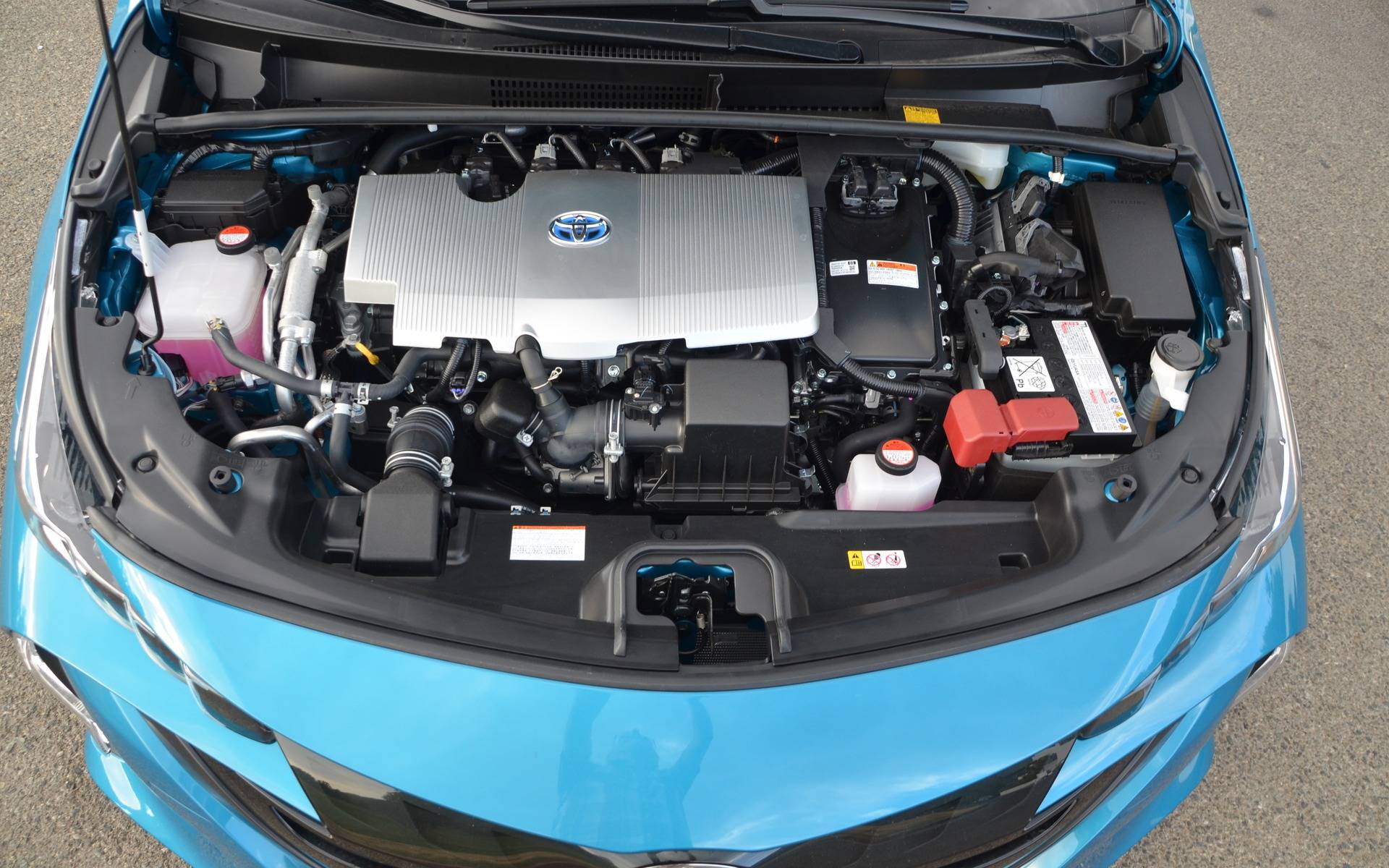
The Prius Prime of this generation is limited to 121 horsepower, and the word "spirited" is definitely not in its vocabulary. However, with its 8.8 kWh battery, it can travel nearly 40 km in electric mode. It takes 5.5 hours to recharge via a regular outlet or just under 2.5 hours with a 240V charging station. Once the battery is depleted, its fuel consumption is only 4.3 L/100 km.
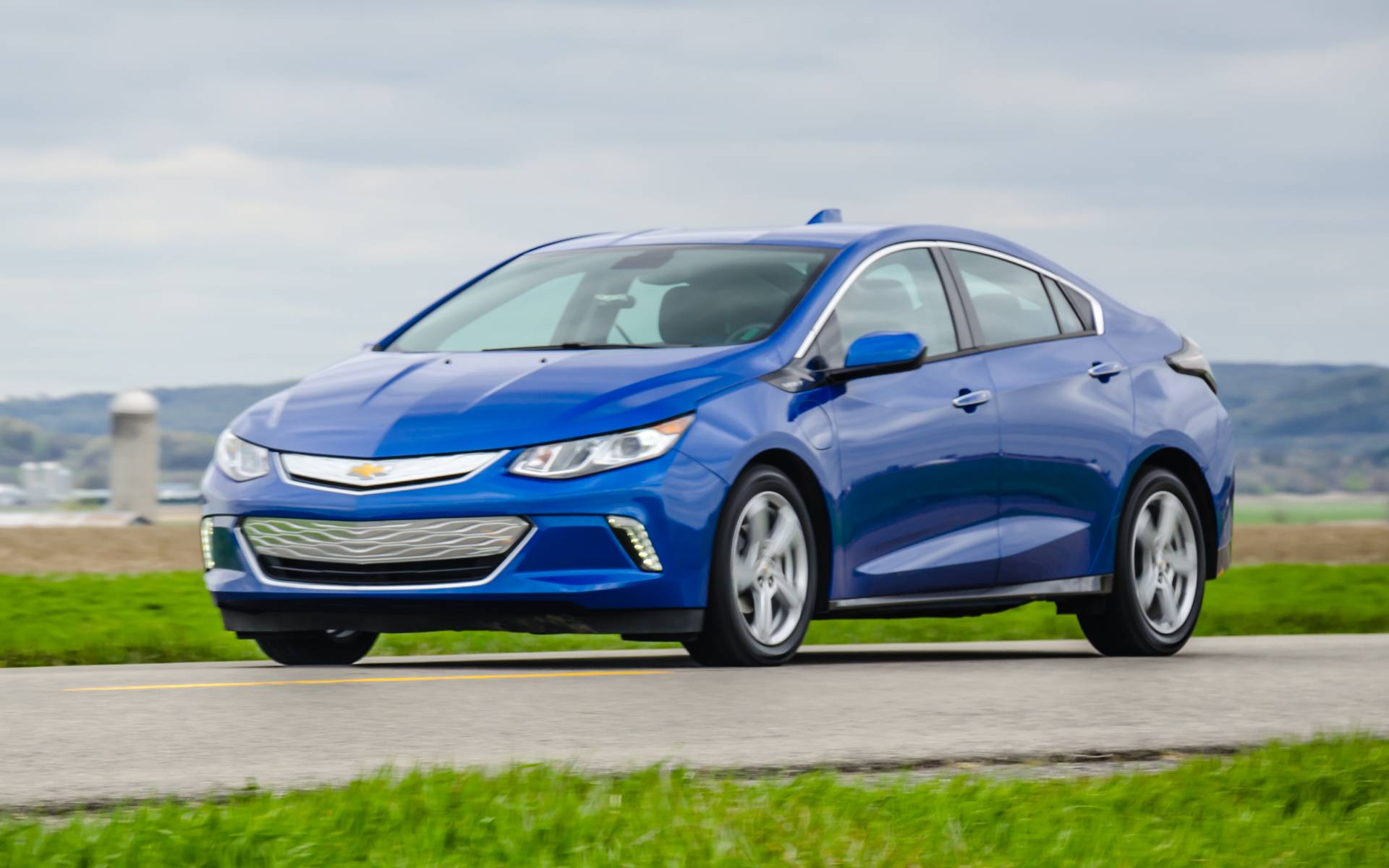
Its American rival was nicely refreshed with the 2016 redesign. It adopts a more classic sedan style, but its rear visibility isn’t quite as good, its trunk is just under 300 liters, its turning radius is larger, and its rear torsion beam results in a slightly less comfortable ride. On the other hand, the handling is surprisingly good (thanks to the 17-inch wheels), and the 149 horsepower, paired with 294 lb-ft of torque, provides better acceleration.
Many appreciate the Volt for its electric range of up to 85 km (more than double that of the Prius Prime), thanks to an 18.4 kWh battery. This means it’s possible to complete most daily trips without ever using the 1.5-liter gasoline engine, which acts as a generator. Otherwise, the engine burns about 5.5 L/100 km. When using a 240V outlet, it takes 4.5 hours to recharge the battery, which is slower. However, with the new 7.2 kW onboard charger added as an option for 2019, the charging time is reduced to 2.3 hours.
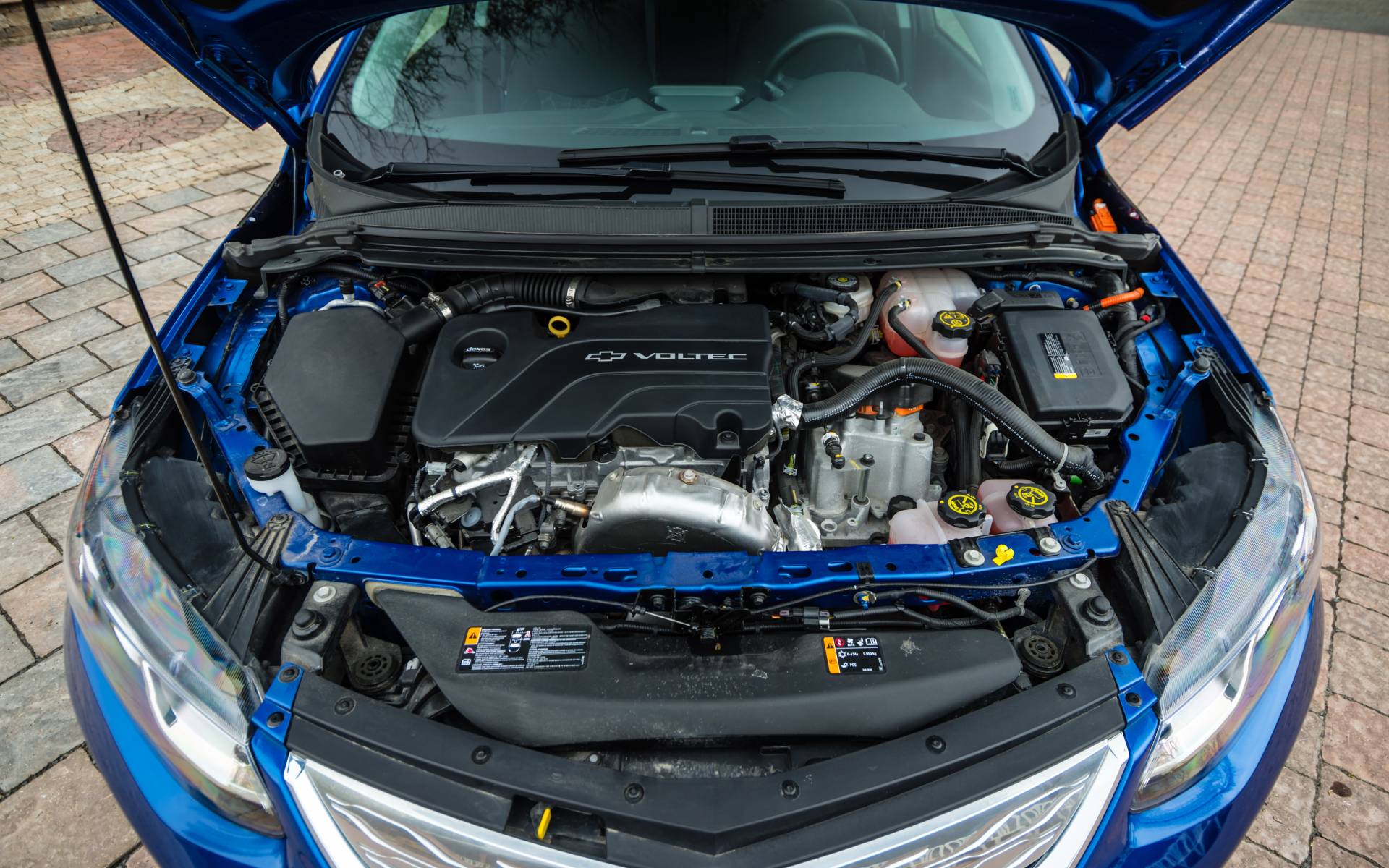
Even though their powertrains may seem complex, the Prius Prime and the Volt are not particularly difficult or expensive to maintain. The former has a better reliability record. On the other hand, the latter topped the list of the least stolen vehicles in Quebec in 2022 and is cheaper to insure. Since it depreciates faster than the Prius Prime, it can generally be found at a lower price as well.
On that note, happy shopping!