

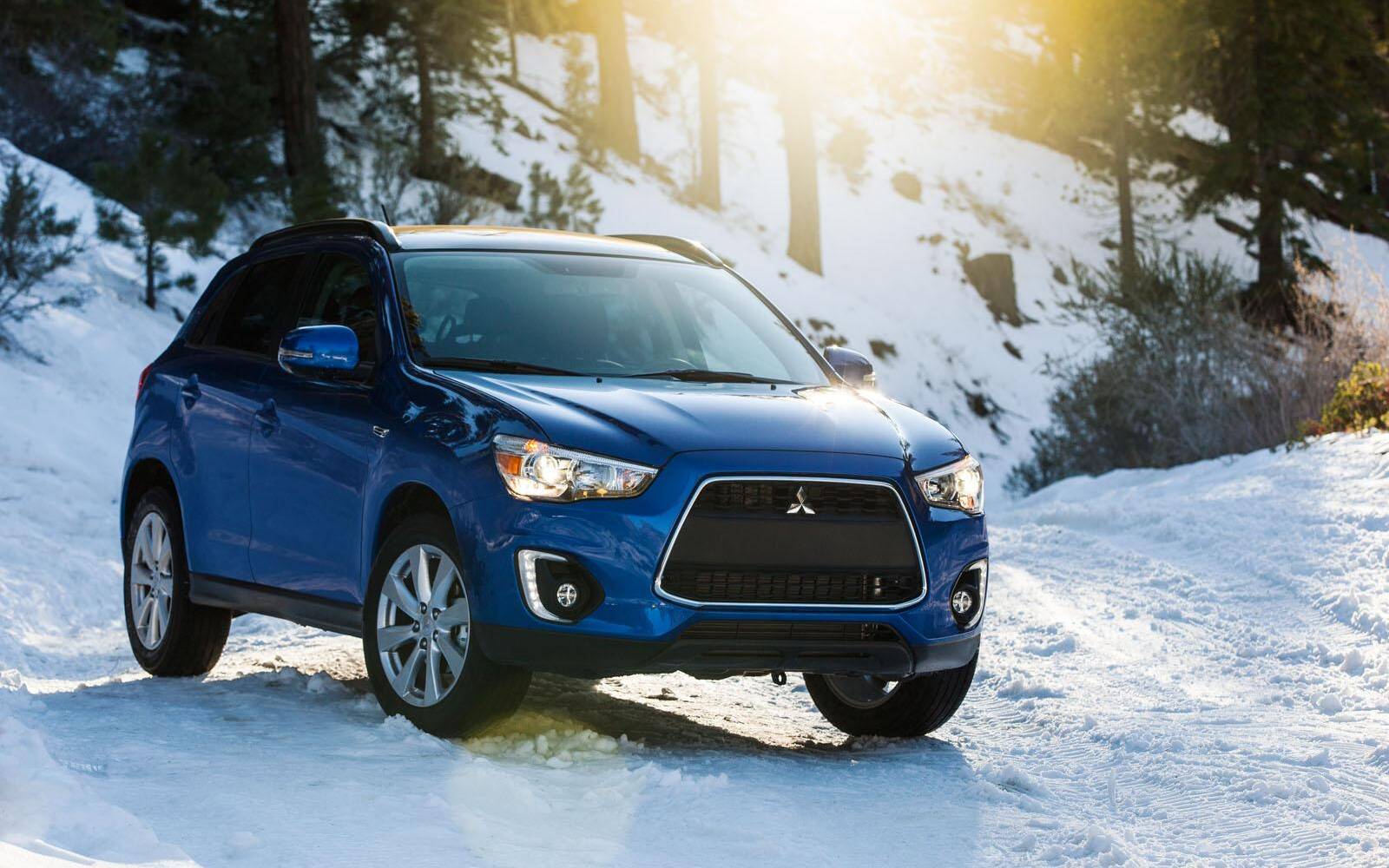
Used Mitsubishi RVR: what to know before you buy?
Broadly speaking, the technical foundations of the Mitsubishi RVR were developed some two decades ago. It derives from the last generation of the Lancer, introduced in 2007. Although one of the pioneers of the sub-compact SUV category, there was nothing avant-garde about the RVR in 2011. Apart from a few cosmetic tweaks and the inevitable addition of driver aids, the SUV seems stuck in the early 2010s.
In any case, this little SUV has the merit of being durable, which is attractive to some buyers. Looking for a used RVR? Here's what you need to know about it...
For a start, older models are powered exclusively by a 2.0-liter four-cylinder engine producing 148 hp and 145 lb-ft of torque. A five-speed manual gearbox was available with front-wheel-drive versions, but in most cases a continuously variable transmission is used.
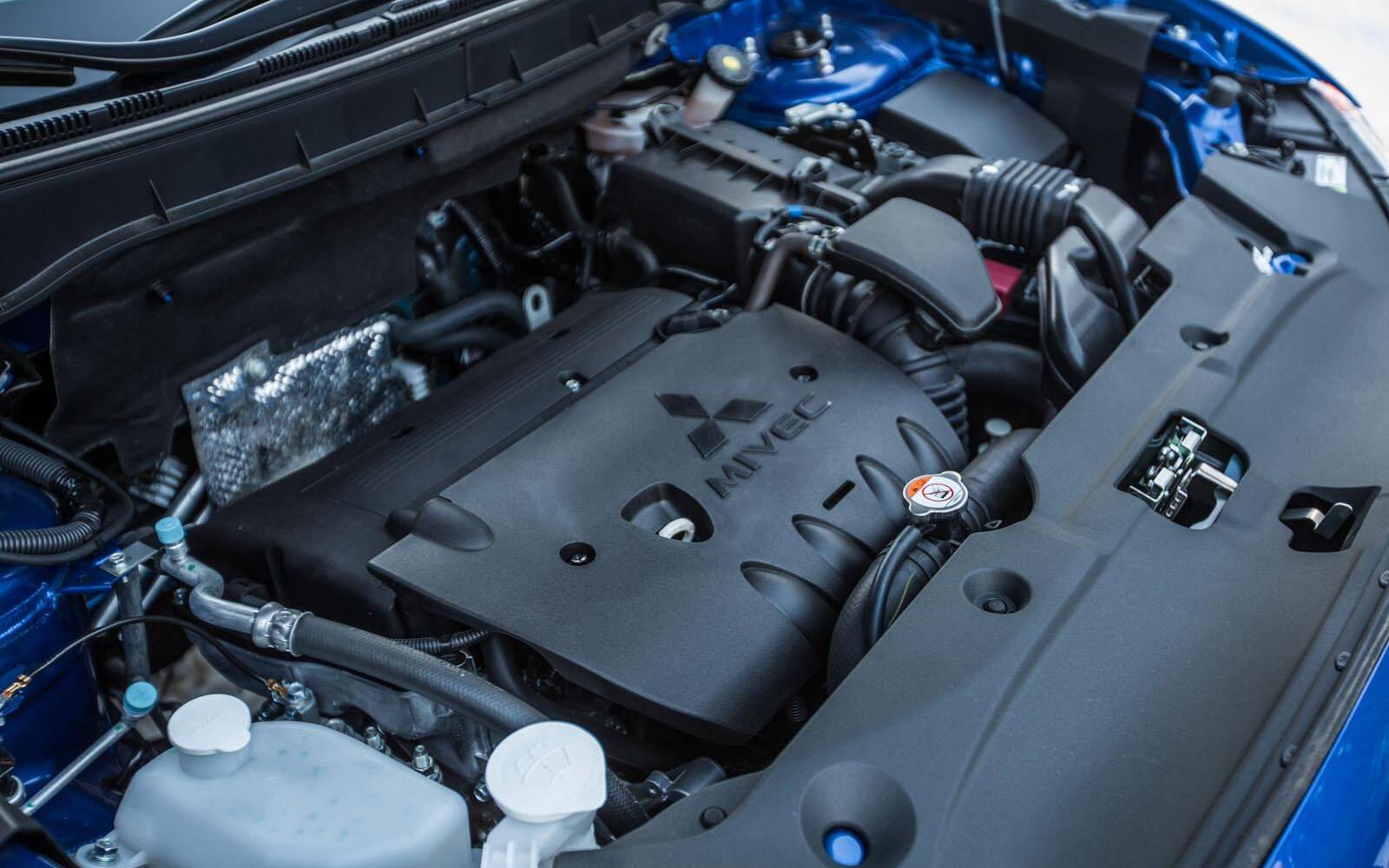
The latter was improved for 2015, when the RVR added the option of a 2.4-liter engine with 168 hp and 167 lb-ft. It teams up solely with the CVT and Mitsubishi's efficient all-wheel drive (with 4WD Lock mode), improving the RVR's laborious acceleration (0-100 km/h in 8.5 seconds instead of 11.5). What's more, average fuel consumption is only a few tenths higher (9.4/100 km). Of course, there are far more fuel-efficient sub-compact SUVs on the market!
In terms of equipment, there are mainly ES, SE and GT versions, the most plush of which sometimes inherits a panoramic roof, sometimes a 710-watt Rockford Fosgate audio system. A Black Edition was offered for 2017, giving the RVR a darker look. A year later, a refresh of the vehicle brought a new infotainment system.
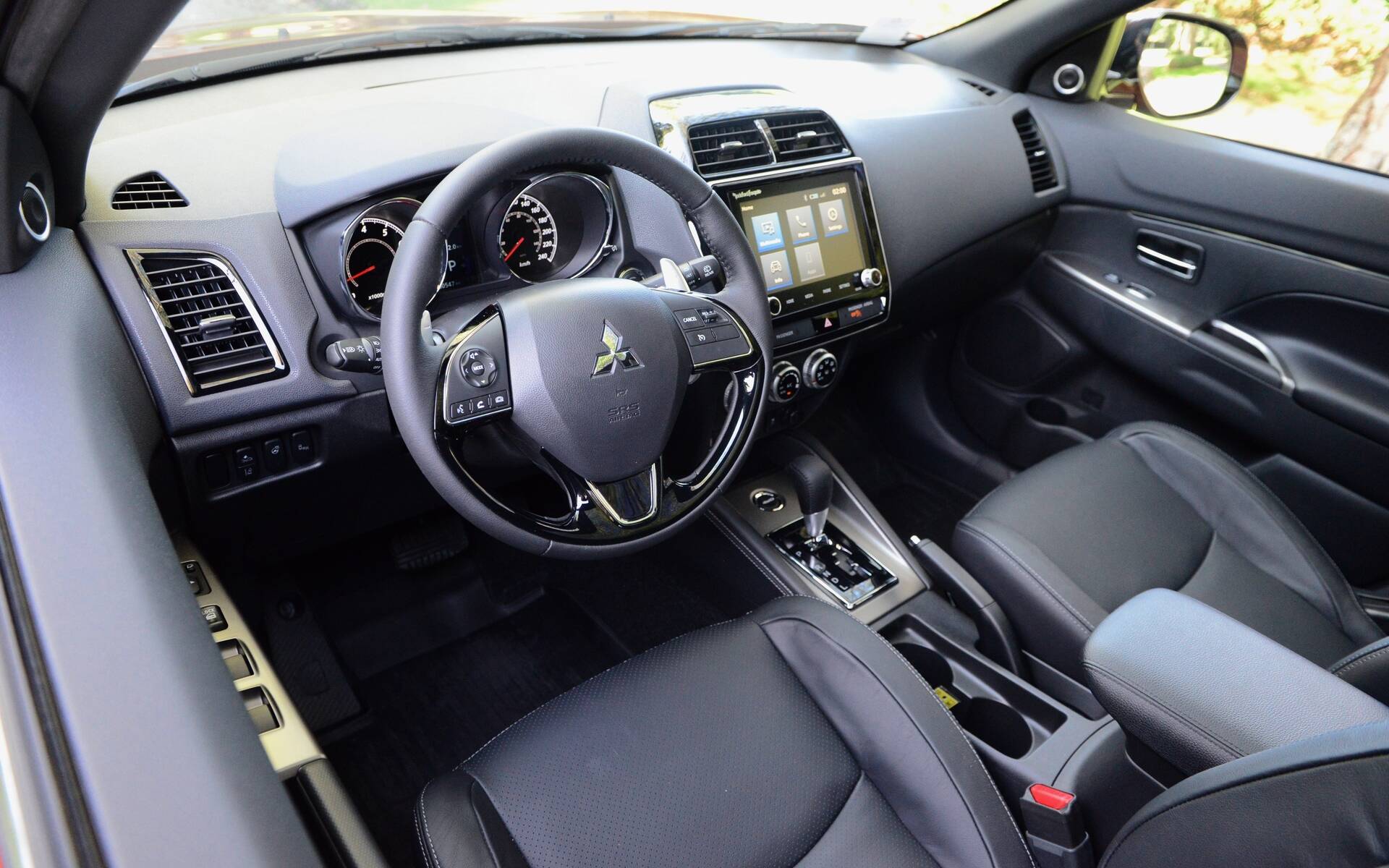
For 2020, the RVR has received a more prominent grille, new headlights and taillights, new colors and the addition of chrome trim. The base version gained an eight-inch touchscreen compatible with Apple CarPlay and Android Auto, enough to inject a dose of modernity on board.
By the way, cargo space ranges from 614 to 1,402 liters, depending on the position of the rear seats, putting the RVR in the middle of the class. Unsurprisingly, towing is not recommended.
One of the strengths of this little Mitsubishi is, of course, its warranty - 5 years/100,000 km on the vehicle and 10 years/160,000 km on the powertrain. So, if you opt for even a slightly older model, it's likely to still be partly guaranteed. The RVR's reliability record is also reassuring. On the other hand, you'll have to accept a rather old-fashioned décor, disappointing finish quality and poor soundproofing, not to mention high fuel consumption.
Final point: nearly two dozen recalls have been issued for the Mitsubishi RVR, mostly for 2011 to 2016 models. Make sure all fixes have been made to the one you're considering buying.
Enjoy your shopping!