

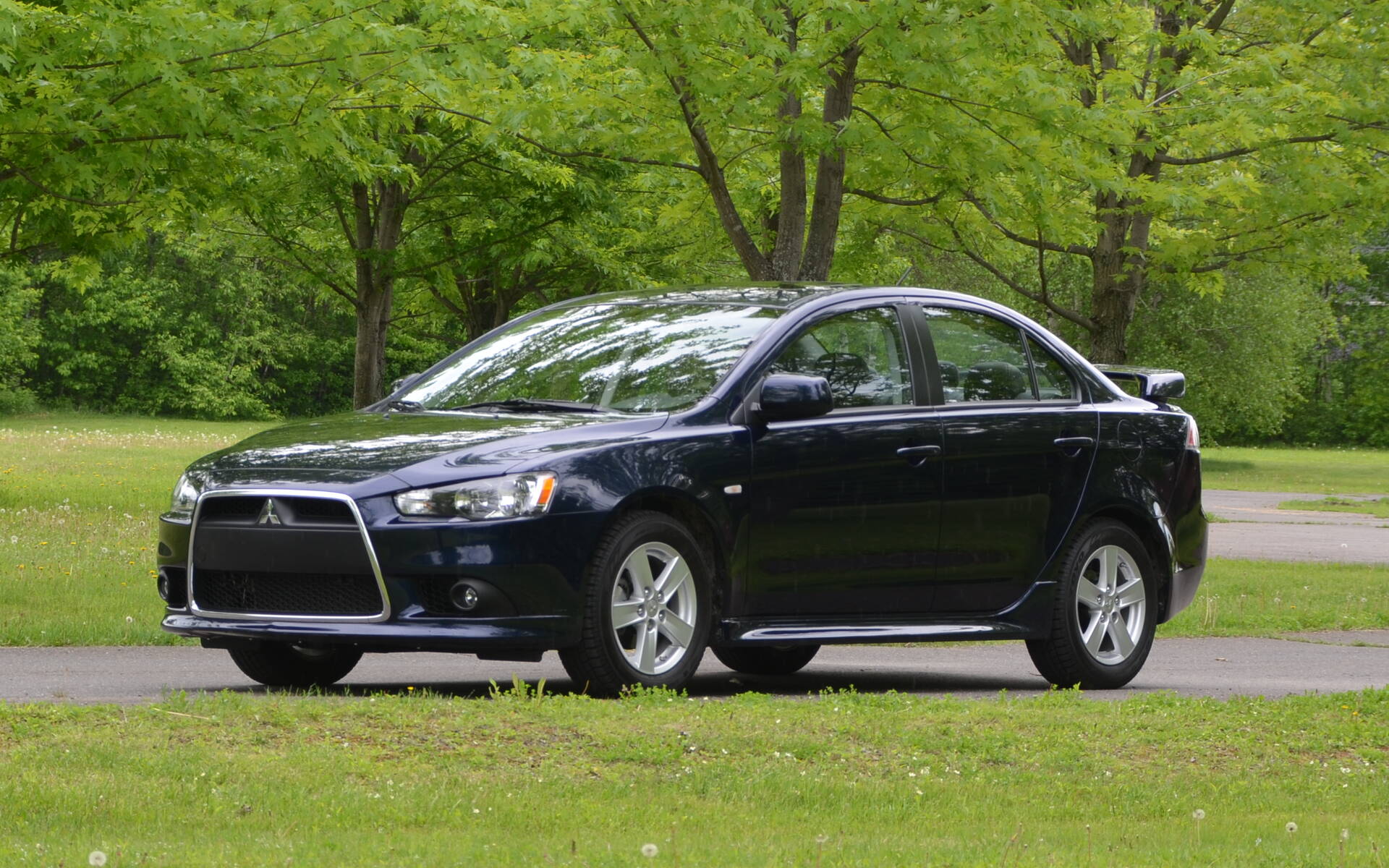
Used Mitsubishi Lancer: What to know before buying?
Abandoned several years ago in favor of more spacious and, above all, more profitable SUVs for the brand, the Mitsubishi Lancer remains an attractive choice for buyers looking for an inexpensive used compact car due to its driving pleasure combined with good durability.
If these criteria appeal to you and you want to learn more, here's what you should know before buying a used Mitsubishi Lancer...
Models and engines
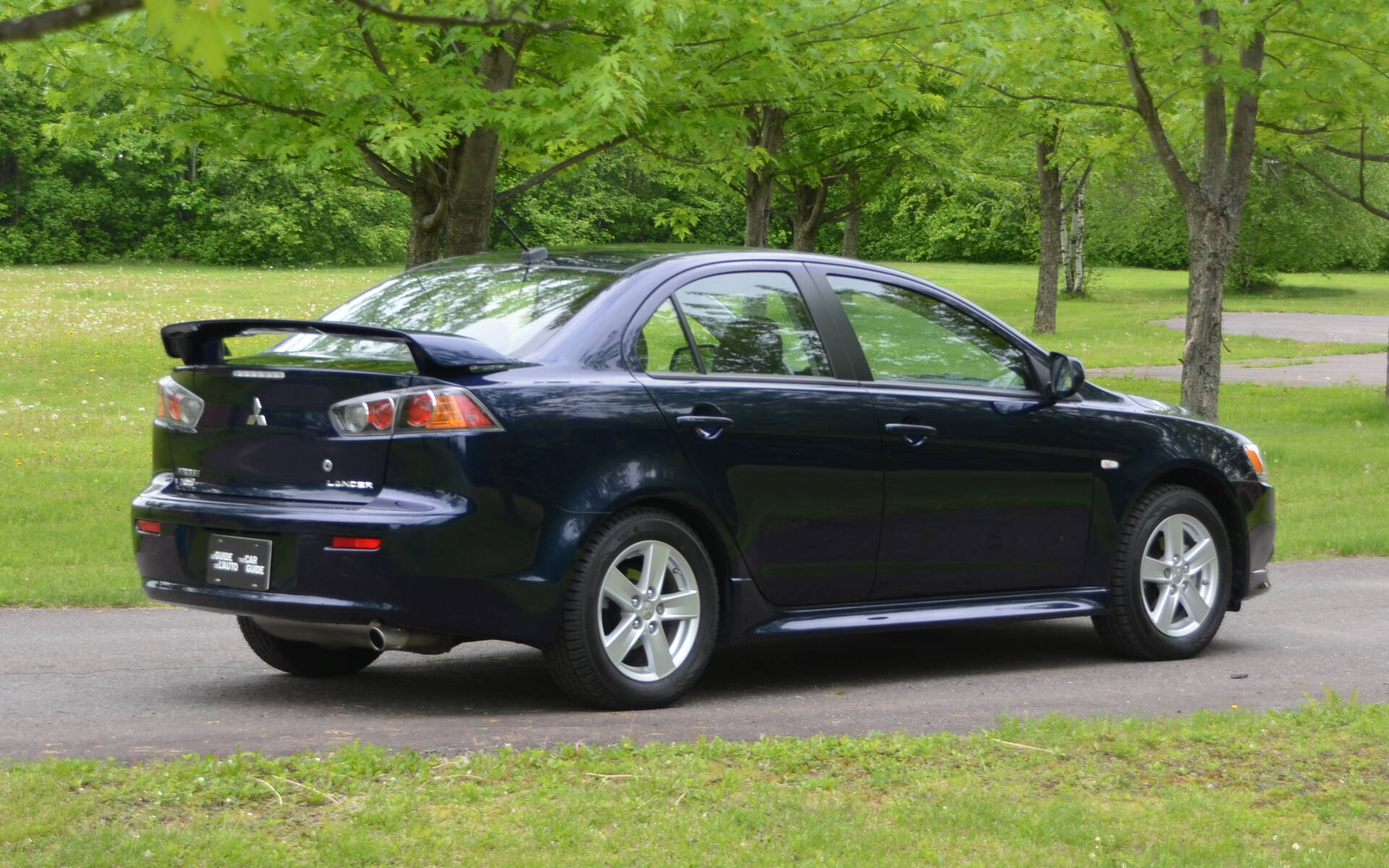
Obviously, we will focus here on the 2008 to 2017 generation, available in both sedan and hatchback formats. The latter is the Lancer Sportback, which is more suitable for small families or outdoor enthusiasts thanks to its cargo volume ranging from 433 to 1,492 liters.
The main trim levels available were, in order: DE, SE, GTS/GT, Ralliart, and Evolution (sedan only). The first three shared a 2.0-liter four-cylinder engine producing 148 horsepower, the Ralliart relied on a turbocharger to generate up to 237 horsepower, while the Evolution reached 291 horsepower. A five-speed manual transmission, a CVT or a six-speed automatic transmission distributed the power depending on the model.
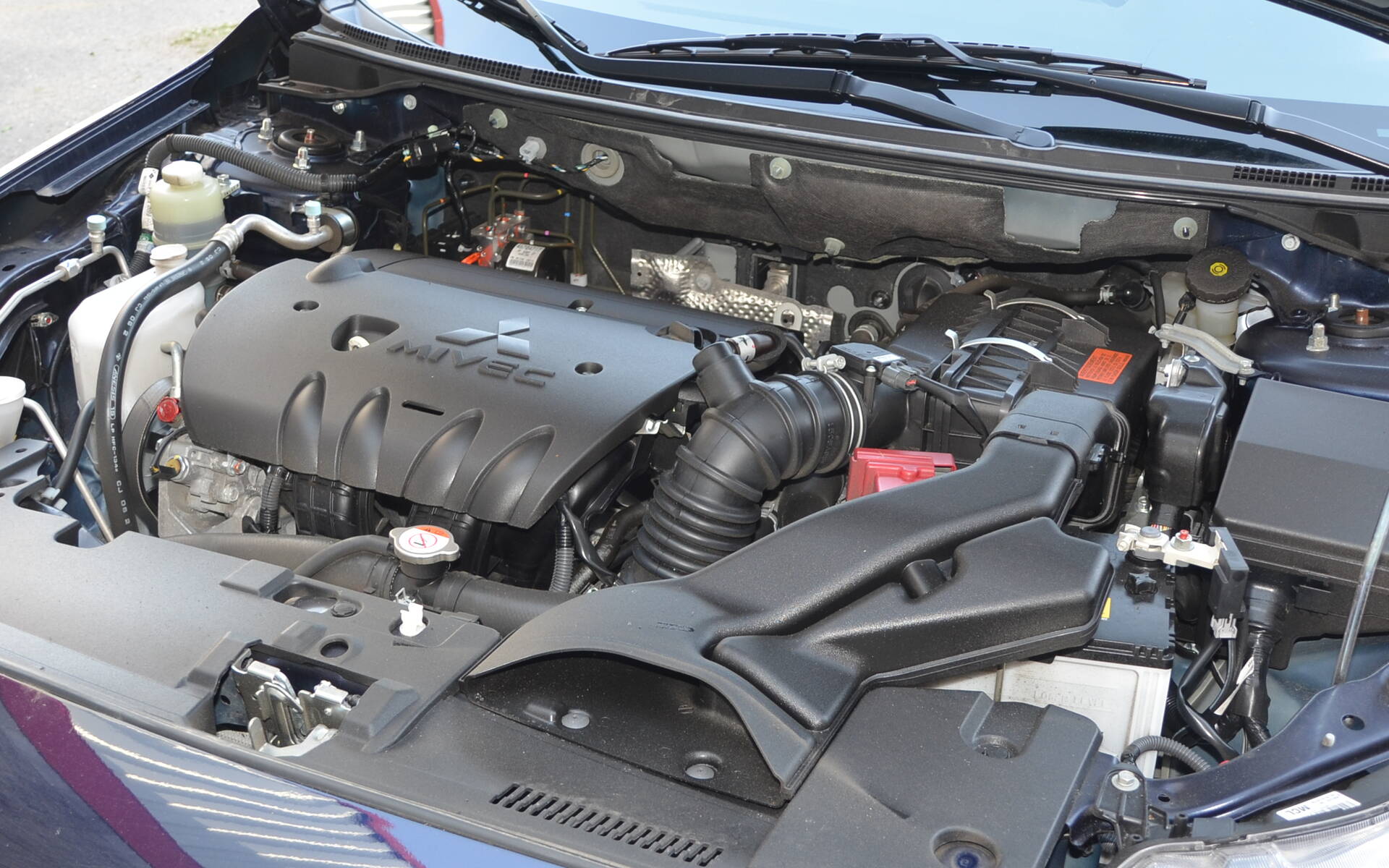
It should also be noted that all Lancer Ralliart and Evolution models required premium gasoline and featured all-wheel drive. This refers to Mitsubishi's renowned AWC (All Wheel Control) system, which was added as an option to the SE and GT sedans midway through the generation. In their case, a 2.4-liter engine producing 168 horsepower replaced the base engine.
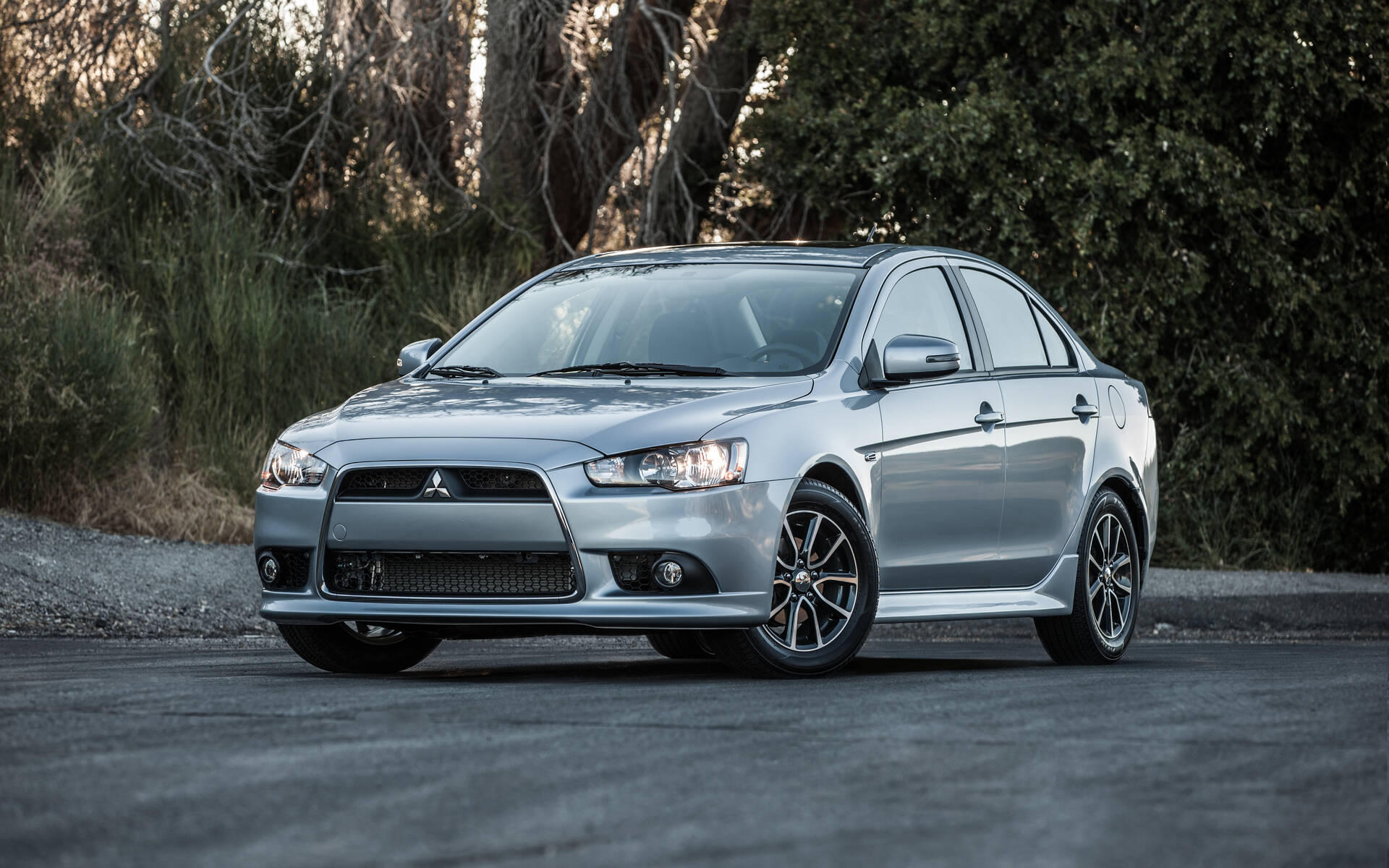
For the 2016 model year, Mitsubishi gave the Lancer a slight facelift, including a new front end and new wheels. It was also at this time that the Ralliart and Evolution disappeared from the Canadian market.
Strengths and weaknesses
The Mitsubishi Lancer is a reliable and proven car overall, having remained virtually unchanged from 2008 until its discontinuation. With its reassuring and effective handling, it's a compact car that's a pleasure to drive all year round. After all, few cars in this category are available with four-wheel drive. Incidentally, since we'll soon be in 2026, don't count on the remaining portion of the initial 10-year/100,000-mile warranty on the powertrain.
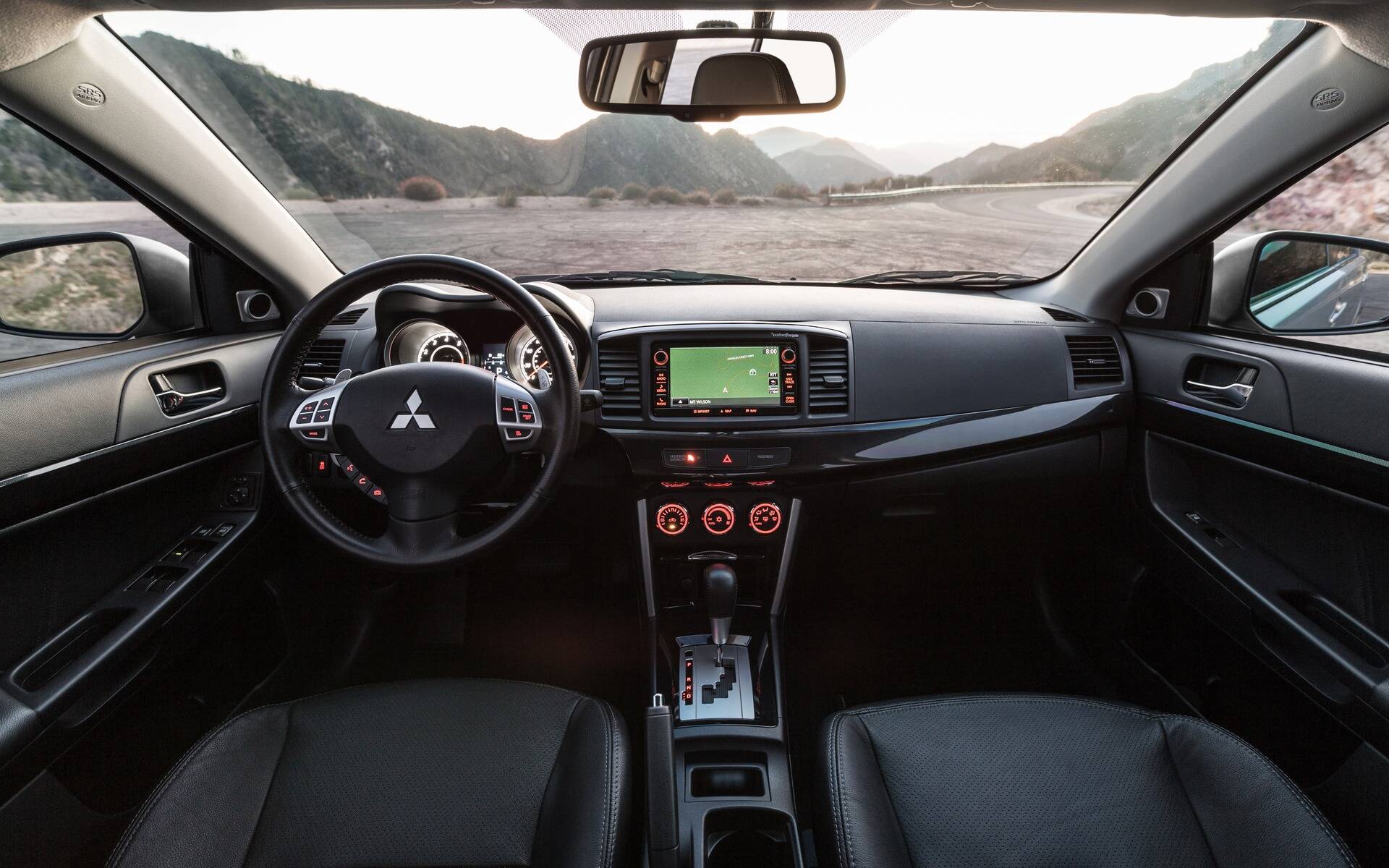
The Lancer doesn't shine in terms of its interior presentation, which has uneven finishes, or the quietness of its cabin, which lacks soundproofing. In addition, its 2.0-liter engine is clearly not a speed demon, and the 2.4-liter engine tends to consume more fuel than average.
A good dozen recalls have been issued for this generation of the Lancer. One of the most significant recalls affected models from 2008 to 2011: the drive belt could cause abnormal wear on the pulley and come loose, potentially leading to malfunction of the cooling system and electrical charging system, battery discharge, engine overheating, or even loss of power steering. It's important to verify that all the fixes recommended by Mitsubishi have been made to the model you're interested in.
According to websites such as RepairPal and CarComplaints, the 2008 and 2011 models are best avoided due to the higher number of complaints and problems reported by owners. Otherwise, overall, a properly maintained Lancer is still a good buy for budget-conscious consumers. Be sure to check out the inventory posted on Otogo.ca, where prices range from roughly $5,000 to $15,000.
Happy shopping!