

Modifying a vehicle: what are the rules and regulations?
Whether new or used, a vehicle can be embellished, improved, modified or customized in many different ways. We saw in a previous article how to give new life to an old car, for example.
That said, every homeowner should be aware that there are laws and rules to be respected. Before embarking on a project, it's best to know what's allowed and what's not. The Société de l'assurance automobile du Québec (SAAQ) is responsible for ensuring that all vehicles on the road are safe and comply with the Highway Safety Code and its regulations. The procedure to follow can be found on their website.
A few tips first...
Whatever modifications you plan, it's always best to use parts that are specially adapted to the vehicle, and that come from recognized manufacturers who certify that they are suitable for road use.

Some modifications, such as rigid suspension or wide tires, would give very good results on a race track, but may affect the vehicle's handling in certain road conditions (rain, bumpy roads, etc.).
Raised or lowered vehicle
Raising a vehicle is of interest for off-road driving, but this pneumatic elevation must not exceed 1.5 inches at tire level (maximum diameter 35 inches) and 2.5 inches at chassis/suspension level.
It is forbidden to heat, bend, cut or weld steering or suspension components, to perform welding or cutting work on the chassis, to install wheels or tires that extend beyond the body (fender extensions are permitted), to install a lift kit that affects the electronic stability control, and to replace the original suspension with an air suspension (the latter may be added in addition to the original suspension).
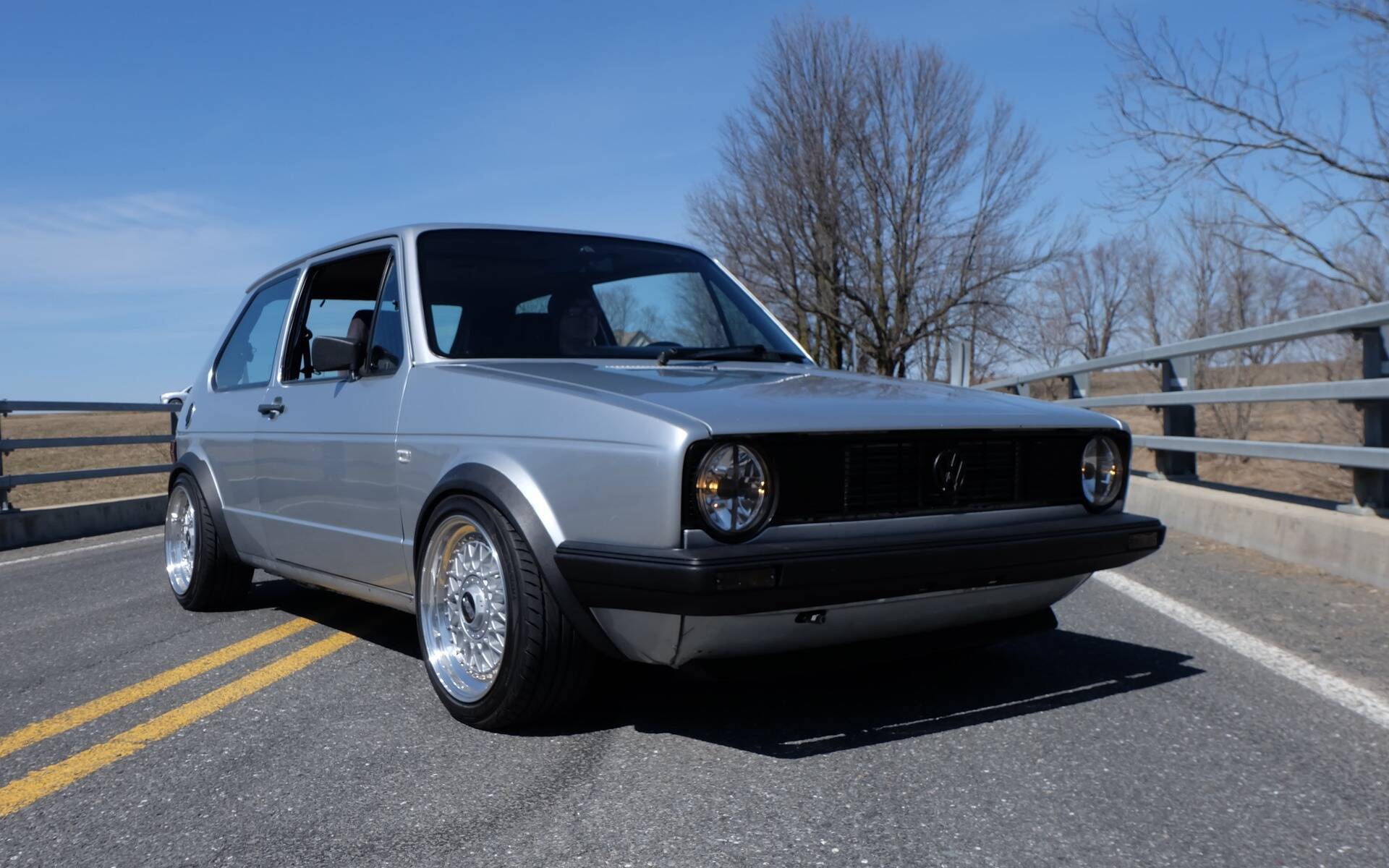
Conversely, to lower a vehicle, it is permissible to install larger-diameter rims (the outer diameter of the tires must be equivalent to that of the original tires) or a spring assembly shorter than the original one, and performance shock absorbers with or without adjustable height.
It is not possible, however, to use cut springs, heated springs or springs with coils attached, to replace the suspension with one that is too stiff or has insufficient travel, to lower the vehicle to such an extent that the tires touch a component of the vehicle or part of the body touches the road surface in normal driving conditions, or to use wheel spacers to modify the vehicle's track.
Exterior and headlights
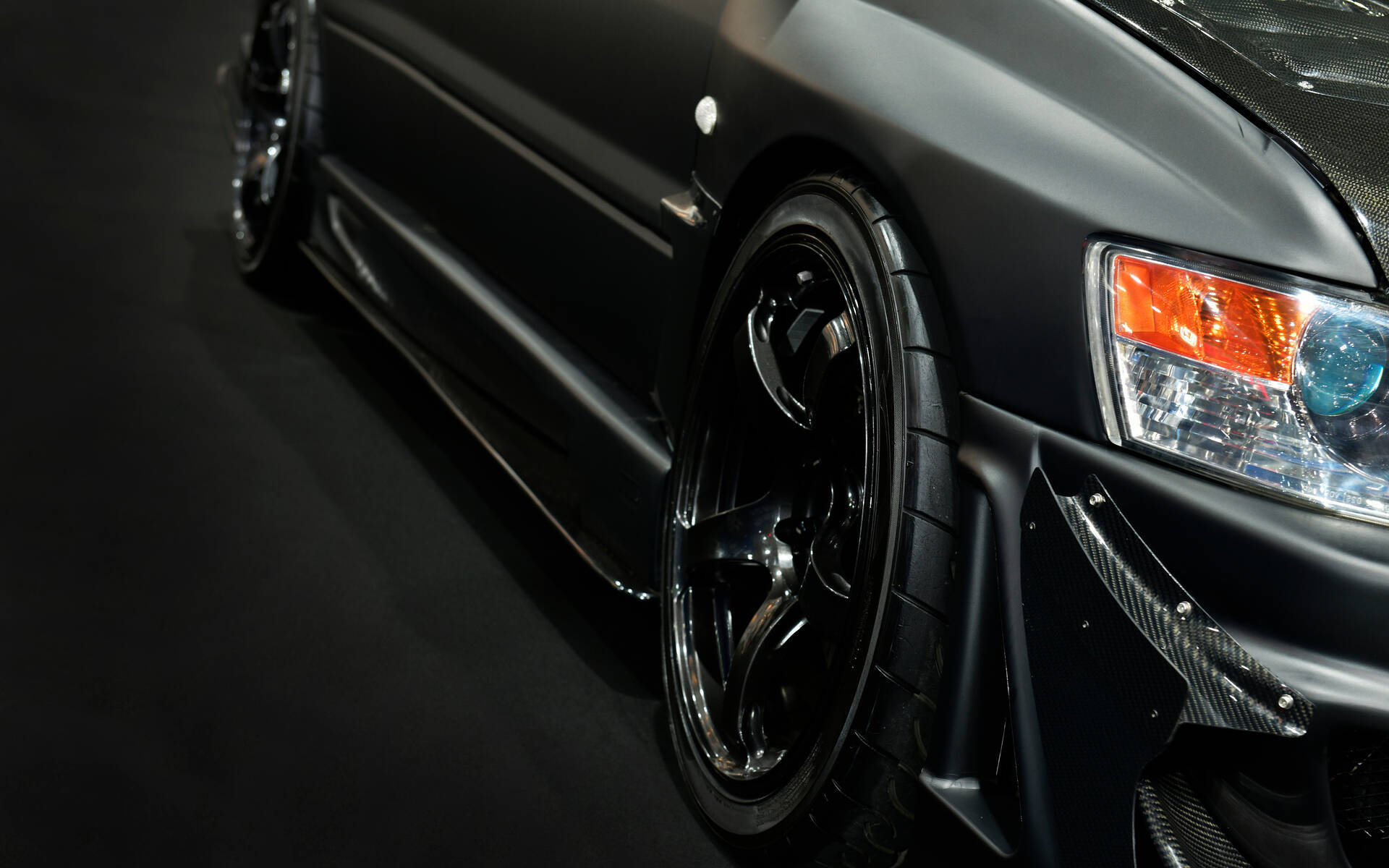
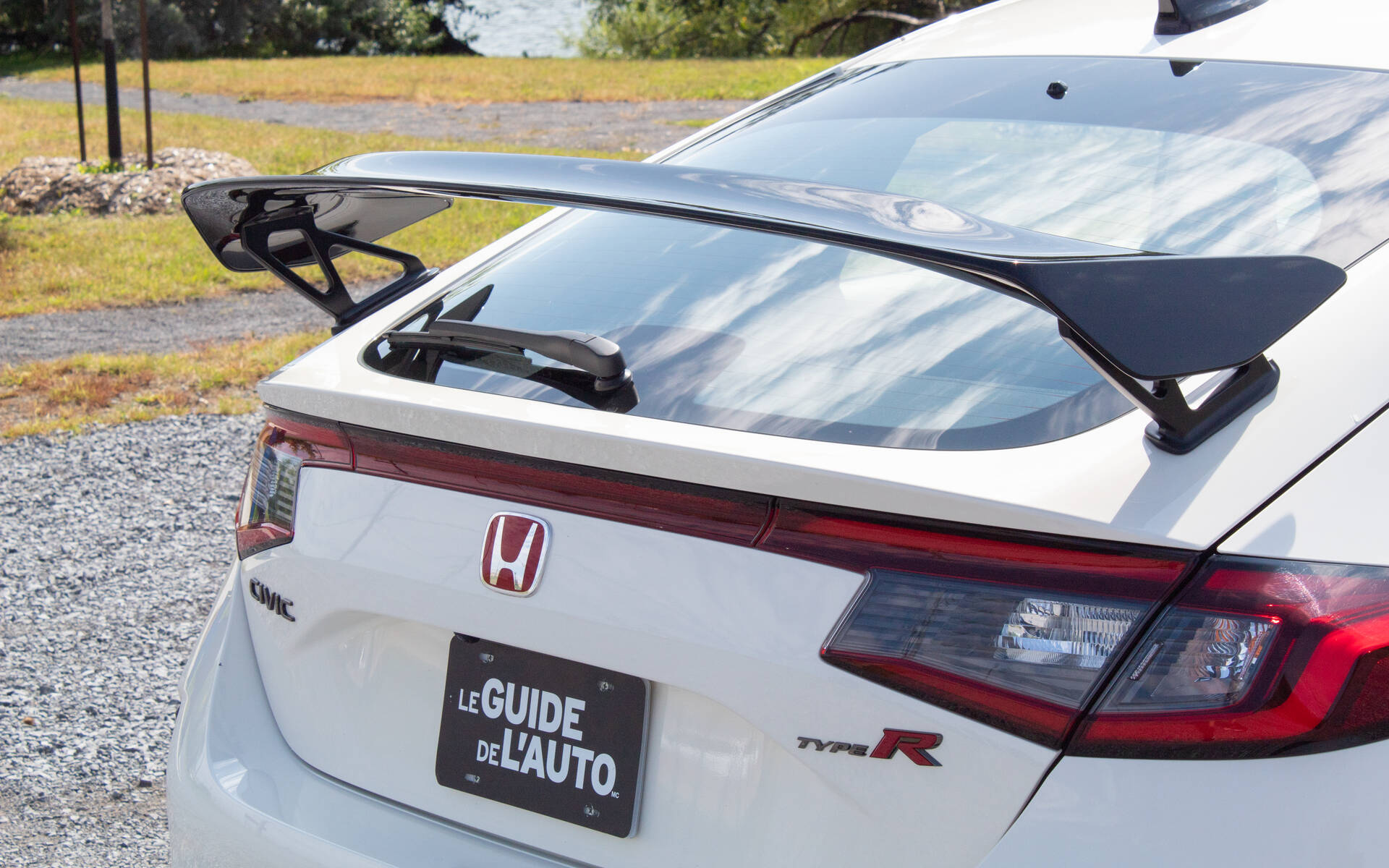
Modifying the bodywork is a popular trick, except that the SAAQ reminds us that the structure of the bumper and the elements that absorb energy in the event of impact must not be removed, deformed or modified. Similarly, adding a spoiler or stylized skirts is perfectly legal, as long as they don't come into contact with the tires or road surface.
When tinting the front side windows, remember that they must let in at least 70% of the light. It is also forbidden to irreversibly disable the ABS brakes or stability control, or to remove the muffler or any part of the emission control system.
As for headlights and reflectors, it is important to replace them with parts bearing the SAE mark appropriate to their function and position on the vehicle. You can't dim them or use a color other than those specified in the Highway Safety Code.
Interior
As far as the passenger compartment is concerned, the SAAQ advises that the addition of a four- or five-point seatbelt is possible for track use, but it must not use the same attachment points as the original belt, which must remain the sole restraint system on the road.
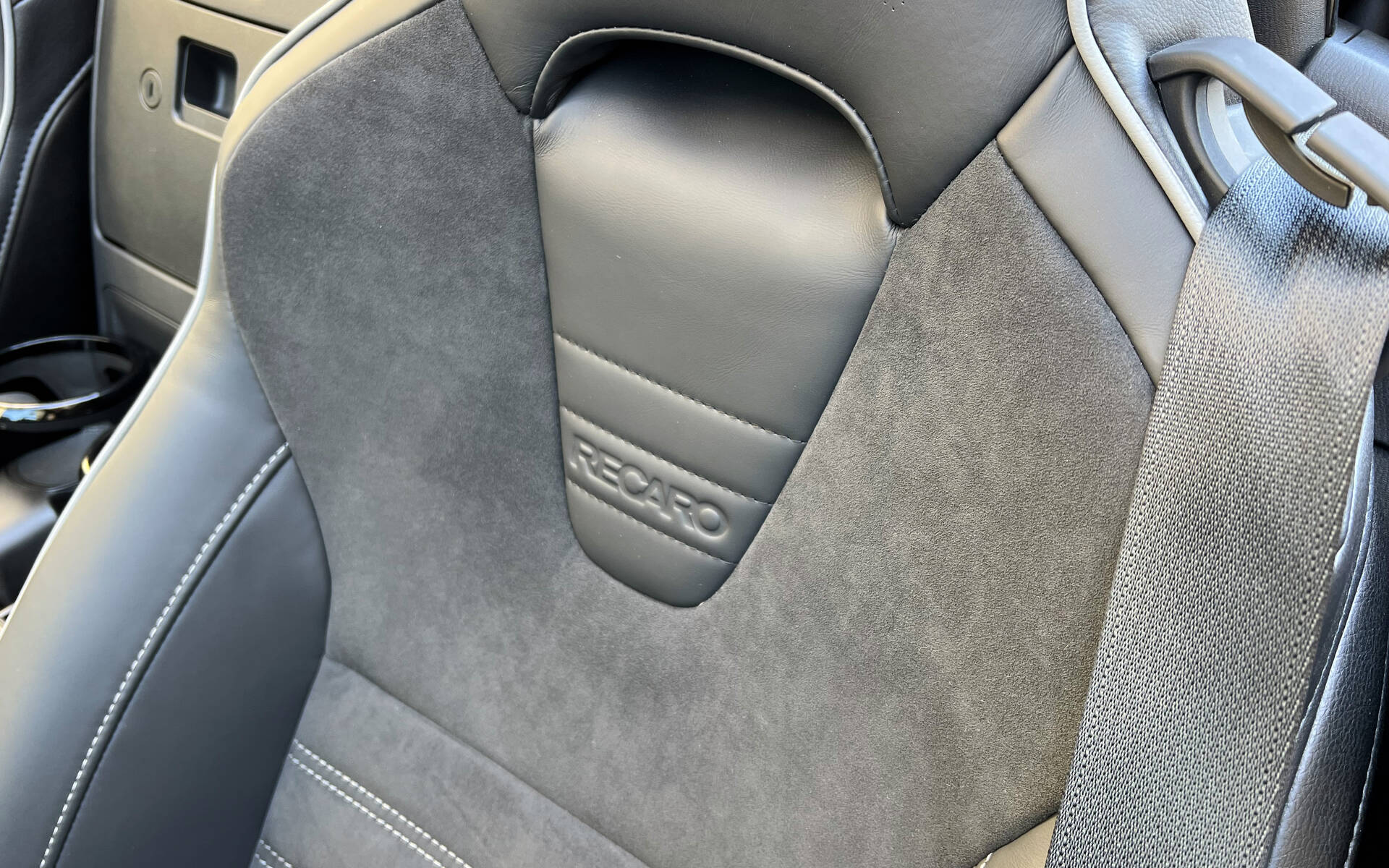
Obviously, removing or deactivating an airbag is unthinkable, as is adding seats, modifying them or changing the way they're fitted. Modifying or replacing a steering wheel can only be done while retaining the airbag (if equipped).
In the event of illegal modifications
Owners who fail to comply with the rules can face a number of consequences. First of all, police officers can at any time intercept a vehicle that has been modified or is in poor condition, issue a statement of offence, demand that a check be carried out, or outright order that the vehicle be taken off the road.
Common violations include a modified exhaust system that has become too noisy, headlights and reflectors that have been modified in color, and front side windows that are too tinted. In these cases, the fine ranges from $100 to $200.
At the end of a mechanical inspection, if modifications are detected that affect the vehicle's stability or no longer meet Transport Canada standards, the owner must return the vehicle to its original state, or produce a modified vehicle file and make the necessary corrections. This is the case, among others, for all vehicles that have been lowered or raised. The SAAQ adds that, for certain modifications, it may require an engineer's report indicating whether the vehicle is still safe.
And beware: a mechanical inspection certificate and a certificate of verification of modifications are not valid indefinitely! They only prove that a vehicle was in conformity at the time of the checks.