

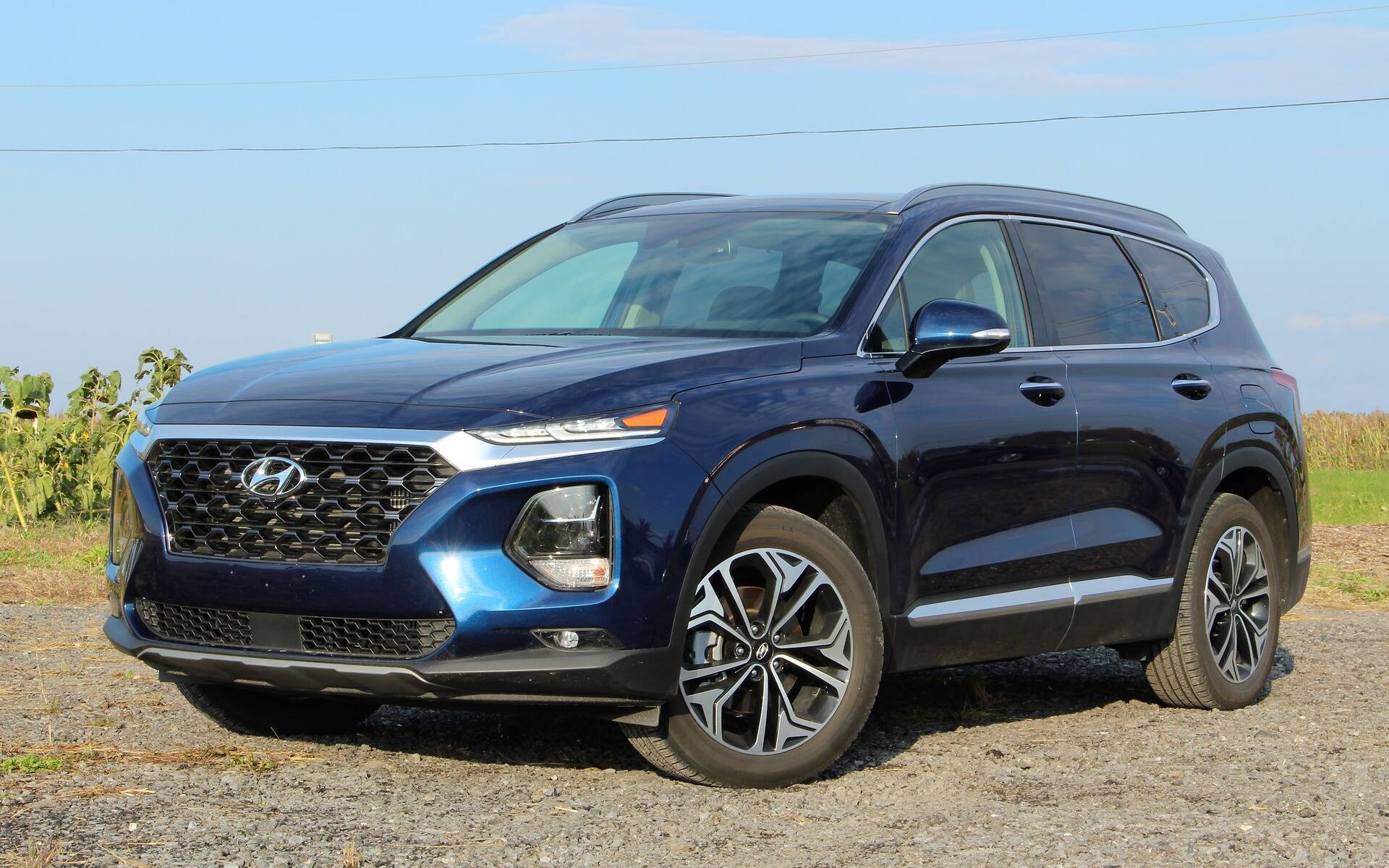
Hyundai Santa Fe 2019-2023: what to know before you buy?
In case you've just come out of a very long coma, or have spent the last year isolated in Antarctica, you've no doubt seen how profoundly Hyundai has transformed its Santa Fe for the 2024 model year. We're talking about a very square, Land Rover-style design and a much more spacious interior, now with three rows of seats as standard.
Naturally, prices have risen as well. If you'd prefer to shell out a more reasonable amount for a pragmatic SUV that your family will love, the older generation remains a strong presence on the used car market. Here's what you need to know before buying a 2019 to 2023 Hyundai Santa Fe...
First of all, this Santa Fe only existed in two-row format, as the Santa Fe XL from the previous generation was replaced for 2020 by the all-new Palisade, a genuine three-row mid-size SUV that won numerous awards, including Best Buy in Class from The Car Guide. The range was divided into four main equipment levels: Essential, Preferred, Luxury and Ultimate.
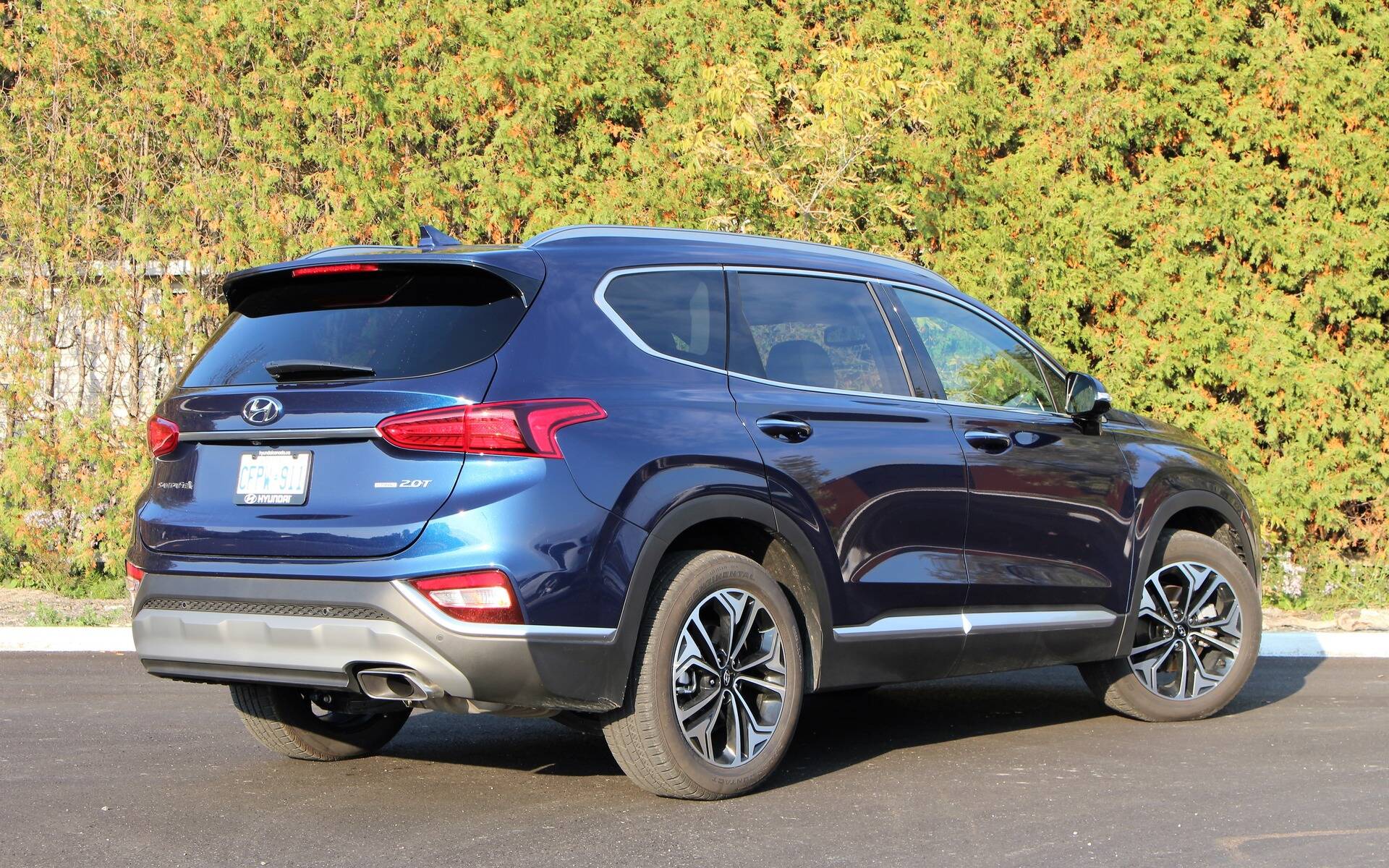
To this selection was initially added a choice of two engines: a 2.4-liter naturally-aspirated four-cylinder (185 hp, 178 lb-ft of torque) and a 2.0-liter turbocharged four-cylinder (235 hp, 260 lb-ft). Regular gasoline is sufficient in each case, which is good news for the wallet, and the automatic transmission has eight speeds. Please note: not all Santa Fe models feature Hyundai's HTRAC all-wheel drive system.
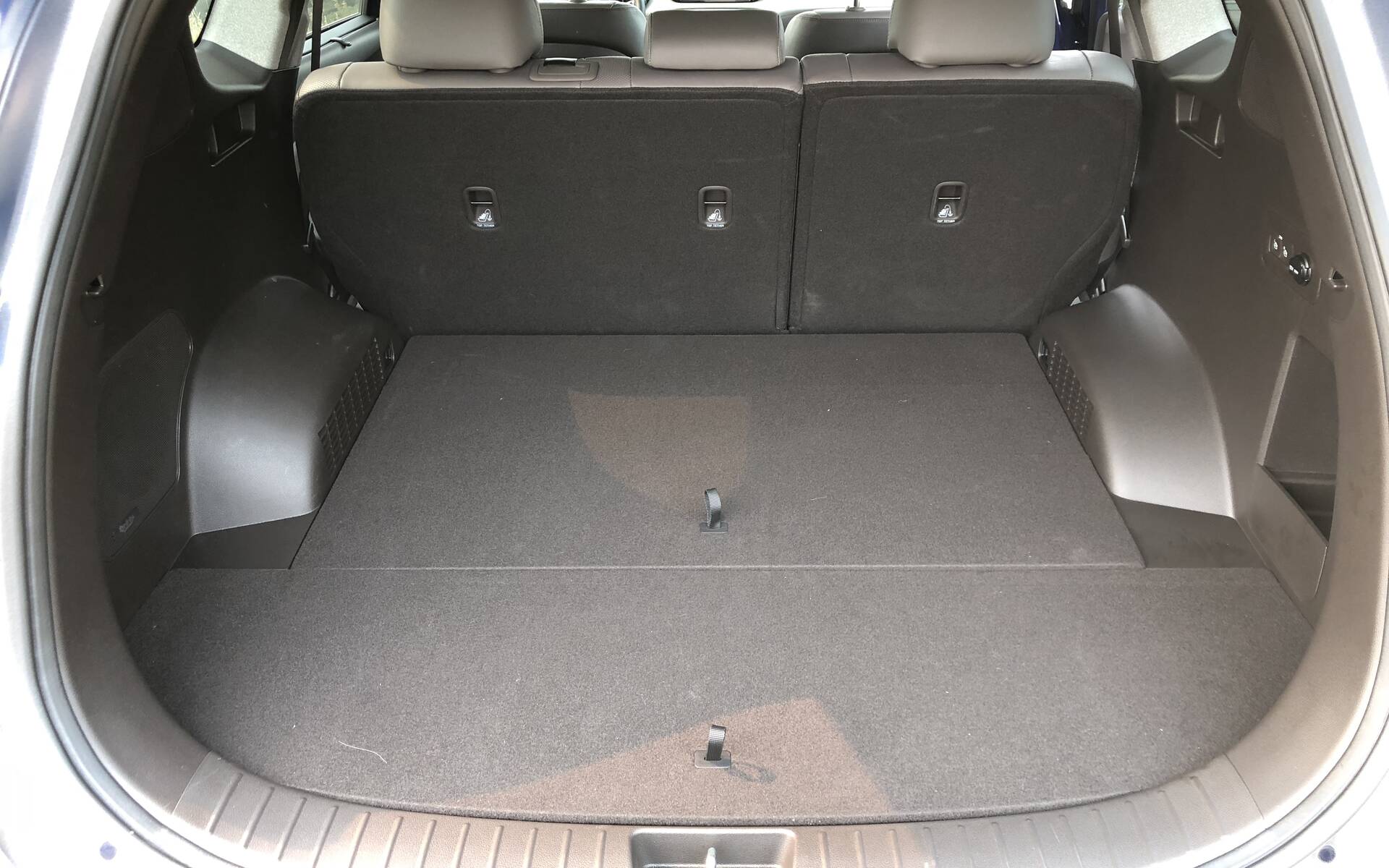
This Korean SUV is not renowned for its fuel efficiency. On the other hand, it delivers a smooth ride, and its cargo volume, ranging from 1,017 to 2,019 liters, provides good service. Towing capacity is 1,650 or 3,500 lb, depending on the engine selected. It has to be said, too, that the previous Santa Fe received excellent marks for ergonomics and road safety.
Updating and electrification
For the 2021 model year, mechanical and aesthetic modifications have been made. Among other things, the front end has changed dramatically, as if the front end of the previous two years had been a mistake in the eyes of the designers. The interior has also been revised, with an updated layout and improved finish quality.
The naturally-aspirated and turbocharged engines have been replaced by 2.5-liter blocks, the former producing 191 hp/181 lb-ft and the latter 281 hp/311 lb-ft of torque - frankly interesting figures, and not just on paper. To improve fuel economy, Hyundai has introduced a hybrid system with a 1.6-liter turbo engine. The result: an average of 7.4 L/100 km in exchange for 226 hp and 258 lb-ft. Don't be surprised, however, if actual fuel consumption turns out to be slightly higher.
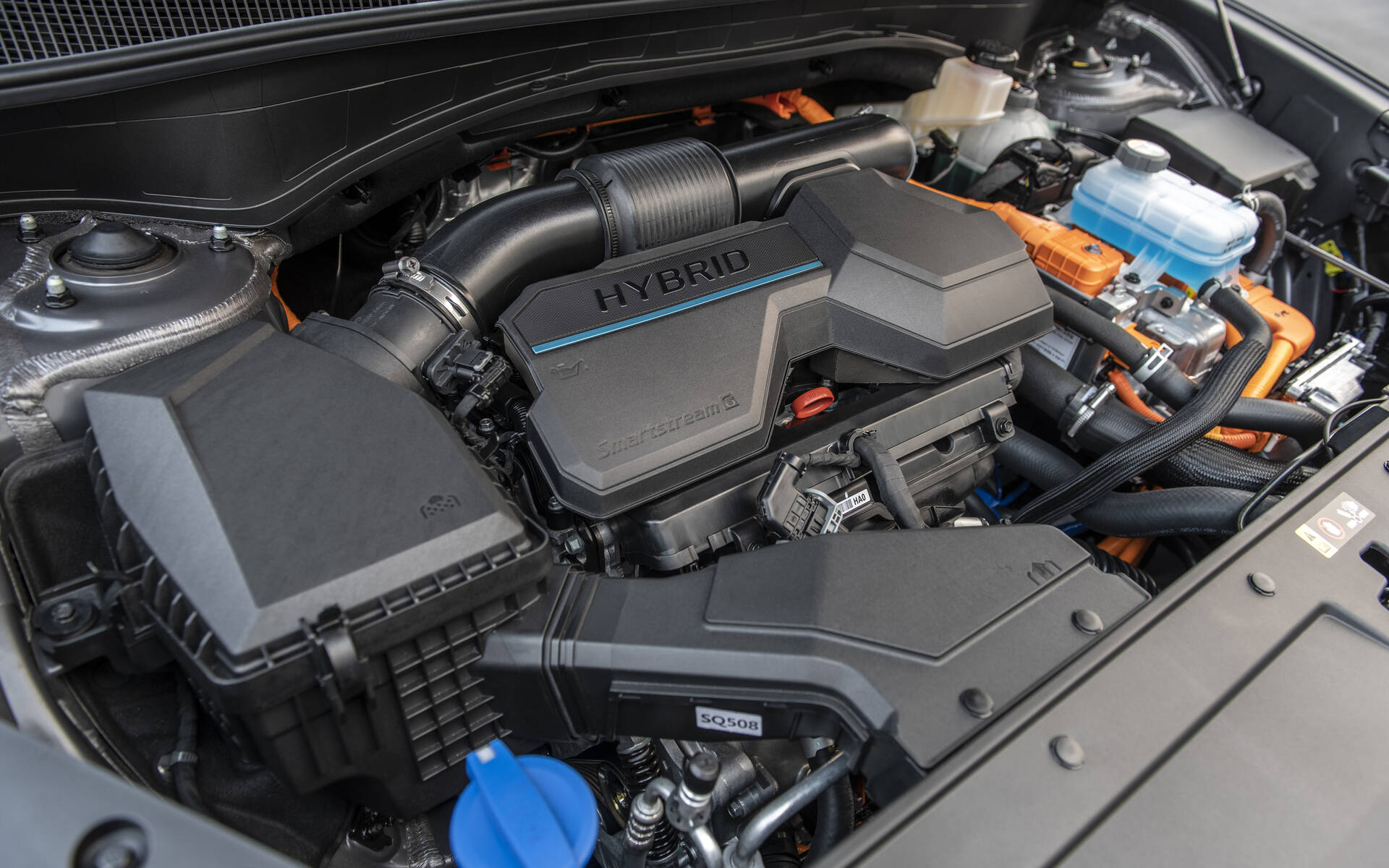
A year later, in addition to the all-wheel drive offered as standard on all models, a plug-in hybrid Santa Fe arrived, equipped with a larger high-voltage battery to provide an electric range of 50 km. Be warned: the system isn't the best or the smoothest, and you need to get into the habit of plugging it in between uses to maximize fuel economy and make the purchase worthwhile.
Returning to the equipment, the Urban package gave the vehicle a slightly more rugged look with the addition of blackened accents and plastic moldings around the wheels. Let's be clear, not enough to make it a road warrior. For its part, the Ultimate Calligraphy version stood at the top of the range, with a level of luxury and refinement far superior to the more affordable Santa Fe.
Let's finish by mentioning that the reliability of the 2019 to 2023 Santa Fe leaves a little to be desired, and that a dozen safety recalls have been issued against it. This should be checked on the model you're interested in, along with its general mechanical and electronic condition. The balance of the initial 5-year/100,000 km warranty could be worthwhile.
Enjoy your shopping!