

How can you protect your engine in cold weather?
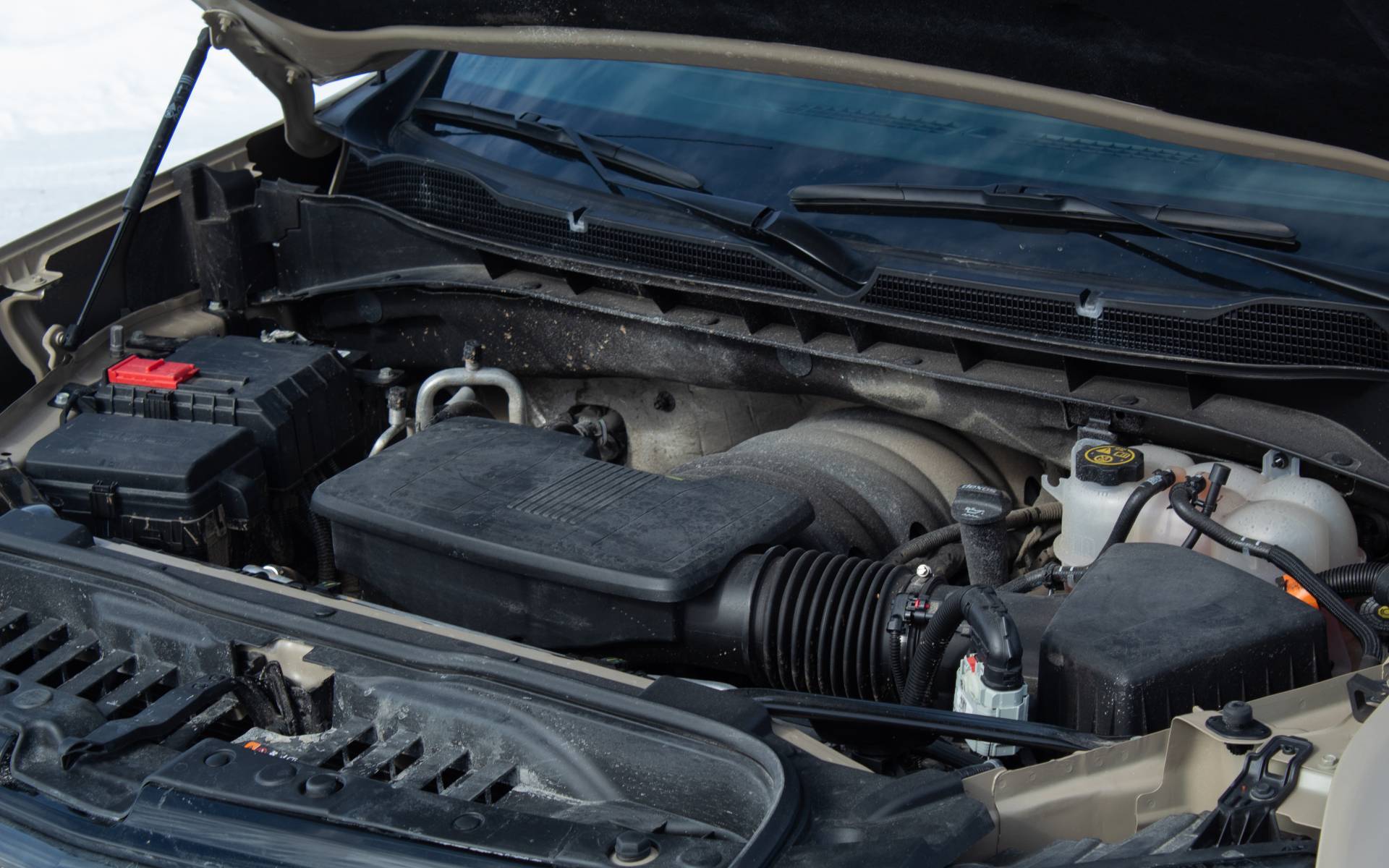
Although they are better designed and more sophisticated than ever, our vehicle engines still hate extreme temperatures. In winter, various precautions must be taken to protect them and ensure they run smoothly, including when starting them. That's what we'll look at here.
First, it's important to reiterate that proper year-round maintenance, following the vehicle manufacturer's recommendations as outlined in the owner's manual, helps keep the engine in good shape on a regular basis and prevents wear and tear. In addition, using high-quality fluids in the right quantities (engine oil, coolant, etc.) will promote the long-term durability of the various mechanical components.
Starting
Now let's talk about cold weather. The first things that come to mind are starting and the battery. As CAA-Quebec points out, you shouldn't try to start the engine for more than 10 seconds at a time. If it doesn't start, wait about 30 seconds, then try again with the accelerator pedal pressed all the way down. This will optimize the air-fuel mixture needed to start the engine without risking flooding it.
If it still doesn't work after four unsuccessful attempts separated by a 30-second pause, it's best to give up and call for roadside assistance to avoid damaging the engine.
Motor oil and gasoline
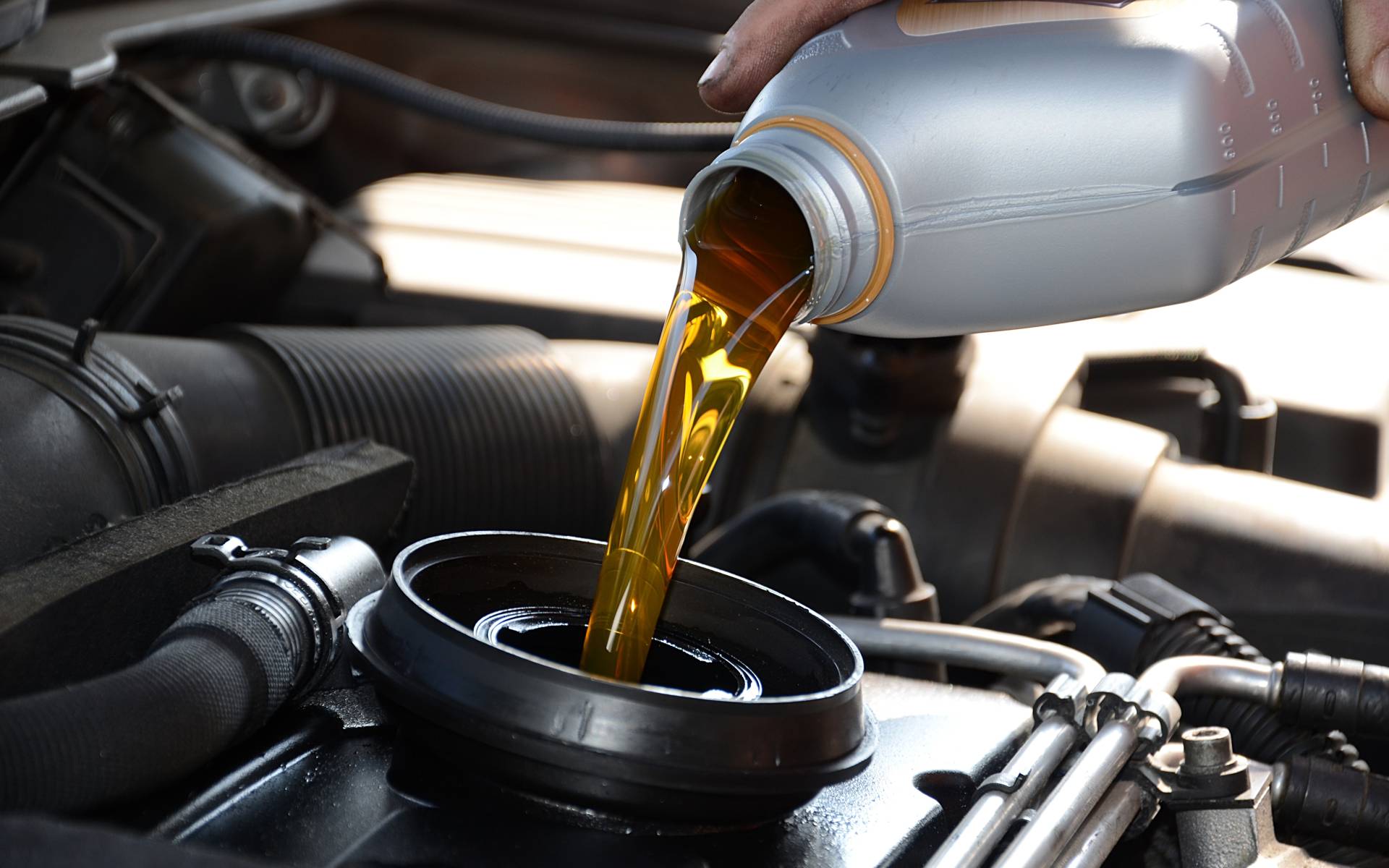
Be sure to choose motor oil that meets the viscosity recommended by the manufacturer. Synthetic oil is also a good choice in cold weather, as it retains its properties better than mineral oil and promotes smooth starting. When you make an appointment for an oil change, keep this in mind—it's worth the investment in winter.
Is your gas tank almost empty? Fill it up right away. The risk of condensation in the tank increases, and in cold weather, frost could block the lines or damage the fuel pump, which is not good for starting or running the engine.
Engine block heater
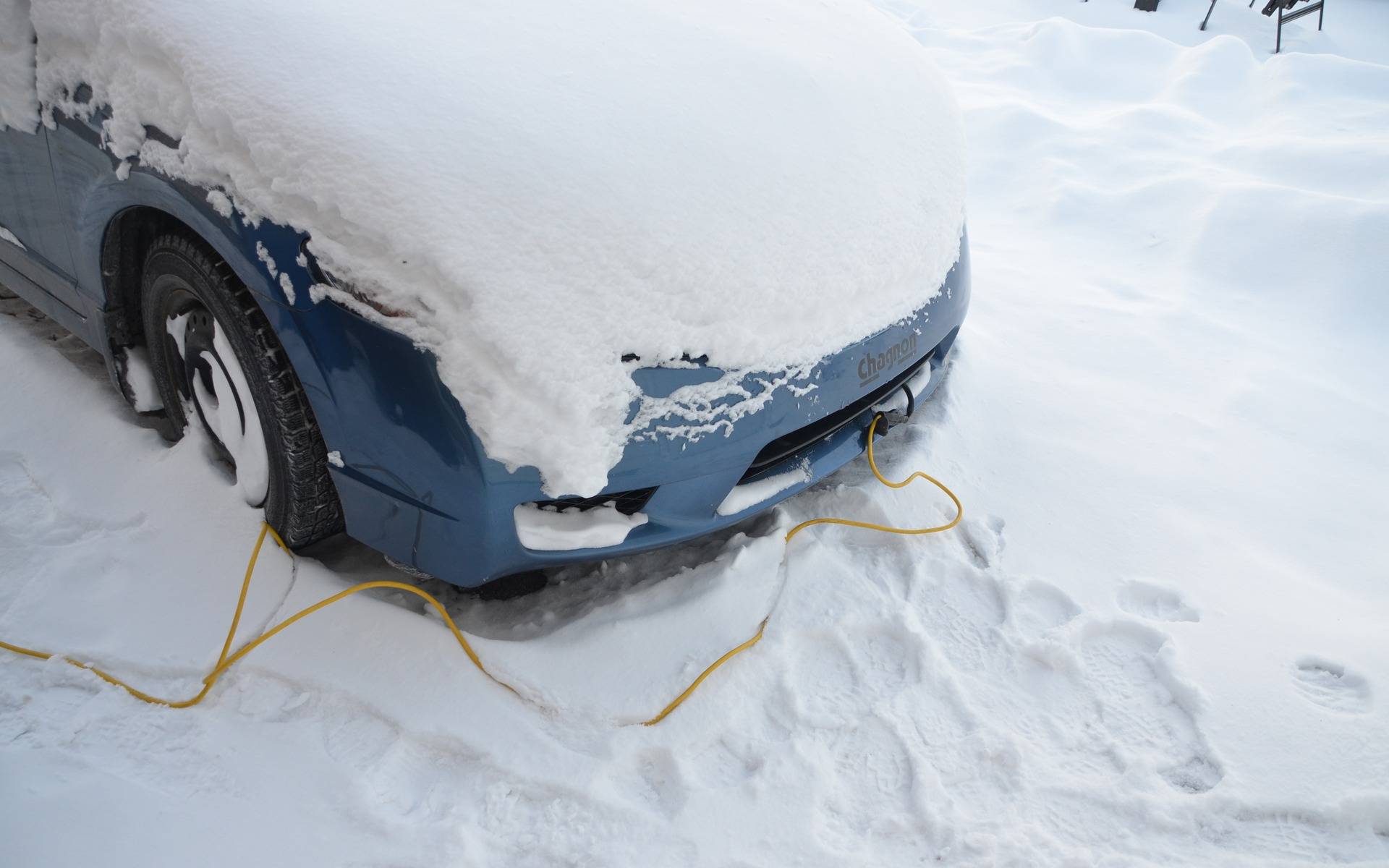
Whether your vehicle is new or older, but especially if you live in an area where temperatures regularly drop below -20 degrees Celsius, consider installing an engine block heater to keep the main components at an ideal temperature. A warm engine allows oil to circulate better and faster. In addition, reduced friction between moving parts decreases fuel consumption.
In the case of a diesel engine, an engine block heater is essential: since this type of engine uses pressure and heat to create an explosion, very cold temperatures will almost certainly prevent your vehicle from starting.
Incidentally, experts at CAA-Quebec say that three hours of connection is sufficient. An engine block heater generally costs between $50 and $200, while installation varies between $100 and $250.
Driving habits
Is it necessary to let the engine idle to warm up before hitting the road? This question is still a topic of debate. For modern vehicles, the answer is often no, with very short exceptions (30 to 60 seconds) for starting in very cold weather. It is better to drive slowly to warm up the engine.
“Gently” is the key word here. Avoid sudden or sustained acceleration for the first few miles, or more precisely, until the engine reaches its normal temperature, as indicated by the oil gauge on the dashboard. This will save your engine a lot of wear and tear!