

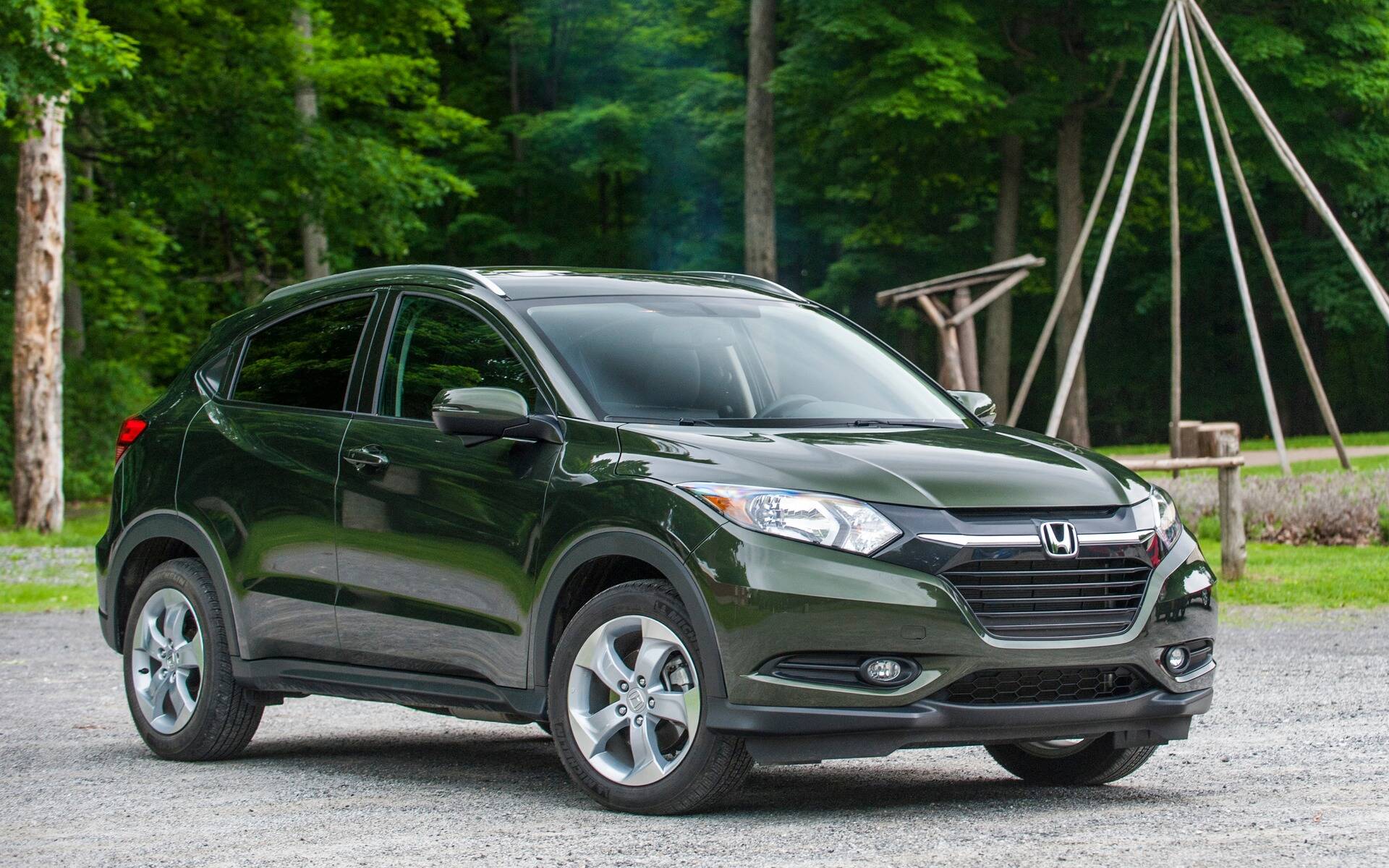
Honda HR-V 2016-2022: what to know before you buy?
The Honda HR-V is one of the models that helped popularize sub-compact SUVs, a type of vehicle that the vast majority of car brands offer today. Initially considered a benchmark and the recipient of various honors, it has nonetheless been overtaken in recent years by players such as the Subaru Crosstrek and Hyundai Kona.
Honda has completely redesigned it for the 2023 model year, but as is the case elsewhere in the industry, prices have gone up quite a bit. If you're not so keen on design or state-of-the-art amenities, you may still be well served by the first generation. Here's what you need to know before you buy a 2016 to 2022 Honda HR-V...
A bigger Fit
Unlike the new HR-V, built on the Civic platform, the former shared the underpinnings of the now-defunct Fit subcompact. Sitting on standard 17-inch wheels, it measures 4.29 meters long and 1.77 meters wide, but it's its interior space and practicality that impress and set it apart from the competition.
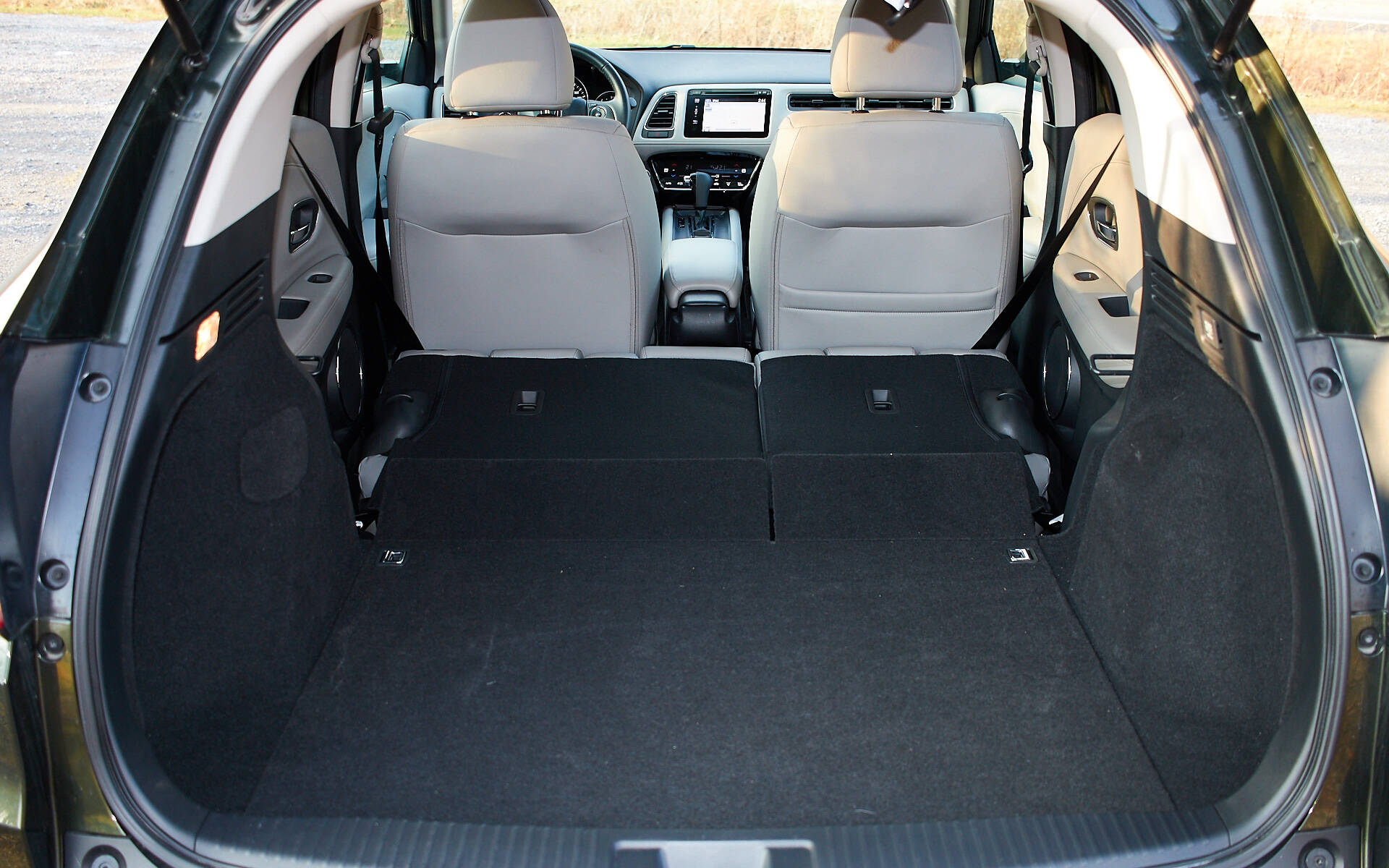
In fact, the HR-V's trunk can carry over 650 liters of luggage and, with the seatbacks folded down, it holds 1,665 liters - almost as much as some compact SUVs. And that's not all: the famous Magic Seat rear bench further enhances versatility by allowing the seat to be raised to accommodate taller objects. By the way, the new HR-V offers neither this function nor such a generous load volume.
A low-powered but frugal engine
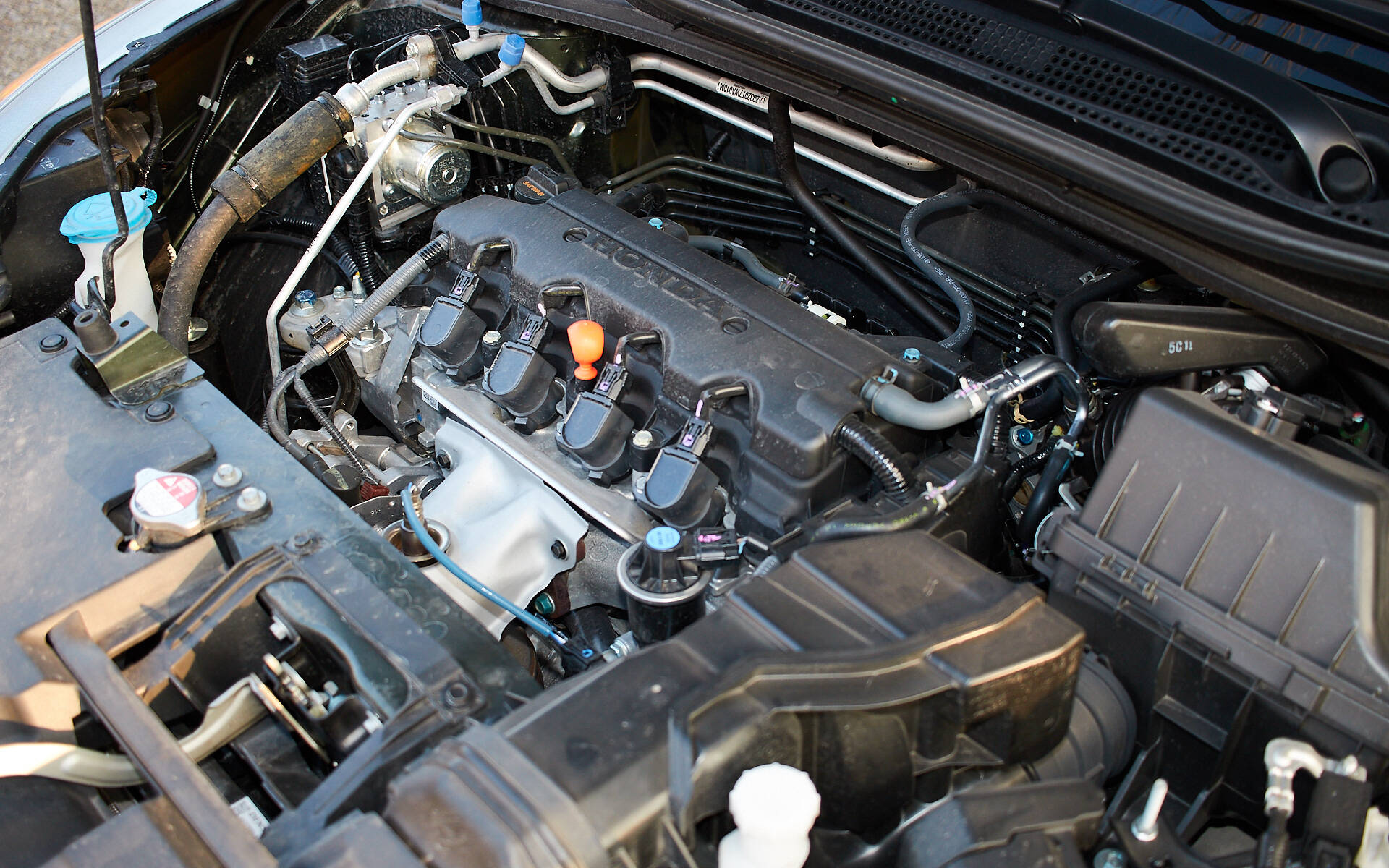
Throughout its first generation, the HR-V has relied on a 1.8-liter four-cylinder engine developing 141 horsepower and 127 lb-ft of torque. Power is just right for overtaking, but otherwise suitable for normal urban use. Except for a few front-wheel-drive versions from 2016 to 2018, which offered a six-speed manual gearbox, all HR-Vs use a continuously variable transmission. The advantage is an average fuel consumption of 7.7 L/100 km (or 8.2 L/100 km for all-wheel drive models), lower than many competitors, but this transmission deserves some of the blame for the engine's noisiness.
Equipment includes heated front seats and air conditioning, while a sunroof, navigation system and leather seats are found in more plush HR-Vs. The 2019 update brought a few changes, including bodywork tweaks and a new, slightly more stylish Sport version. For 2020, the Honda Sensing suite has been added to the standard safety arsenal, including adaptive cruise control, autonomous emergency braking and lane departure prevention.
Problems?
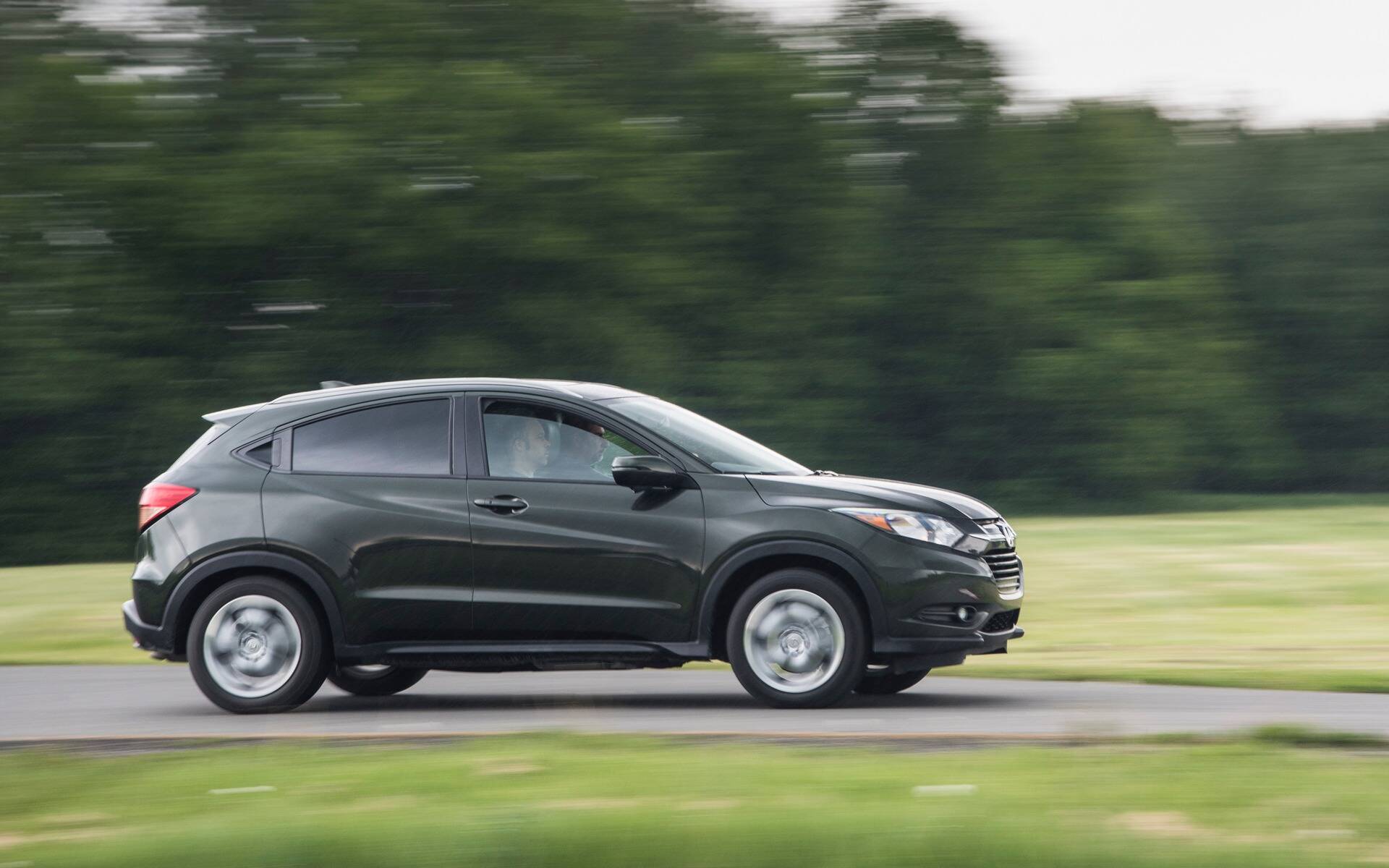
Overall, the Honda HR-V 2016 to 2022 is a reliable vehicle that won't really give you any problems, provided it's well-maintained and you continue to take care of it. Some owners had trouble with the CVT in the early years, but Honda has largely remedied the situation with a software update.
Otherwise, there are minor electrical problems and a fuel pump that can malfunction or fail. Recalls have been issued in this respect.
As for prices, a quick search shows a large number of examples typically ranging from $15,000 to $30,000, with interesting choices just under $20,000. Happy shopping!