

Extreme heat: what precautions should you take with your car?
It's not just some people who can't stand the heat. Vehicles, too, suffer the effects of high temperatures. That's why it's so important to take precautions during the summer months.
The risk of fire due to engine failure or overload increases in warmer weather. The best way to prevent this is to carry out regular maintenance and repairs.
The engine, first and foremost
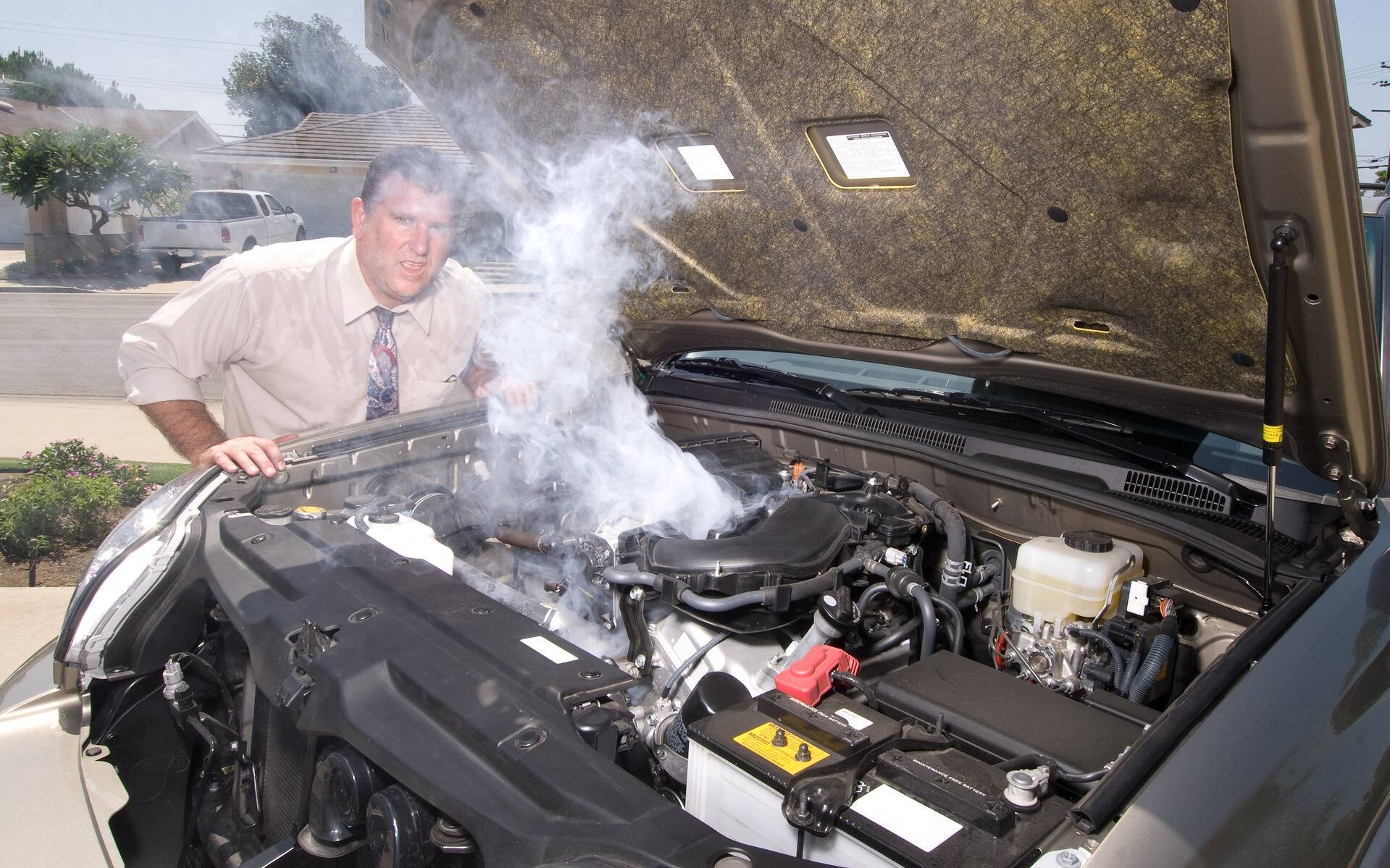
A vehicle's engine can suffer from heat at any time, when working in difficult conditions or during a heatwave, for example. The temperature under the hood can reach 150°C and even higher when the sun is shining! And if you keep driving while the engine is overheating, you run the risk of causing permanent damage.
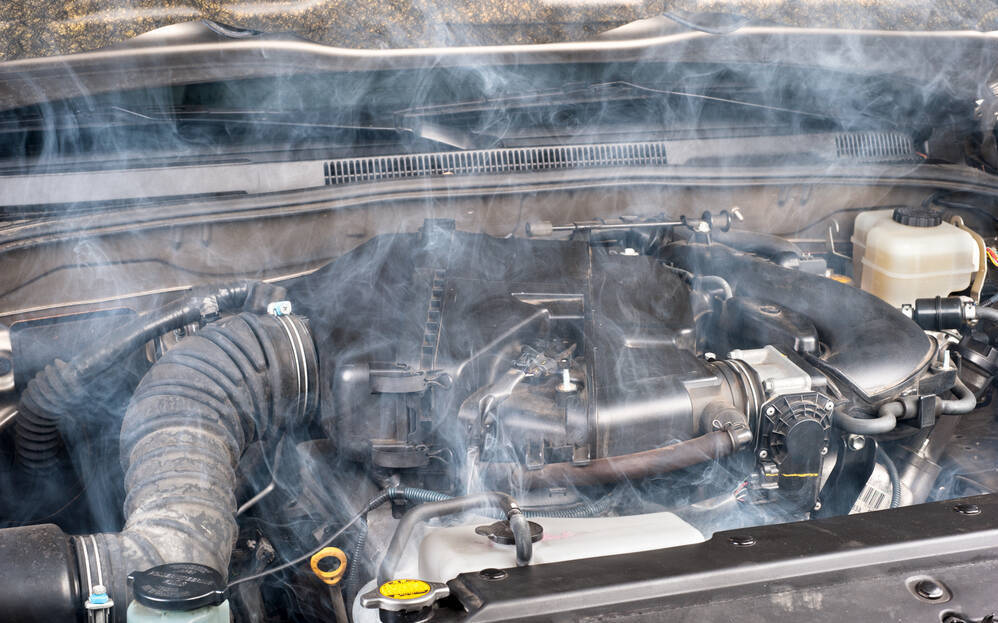
Even before you hit the road for the vacations, the best thing you can do to prevent your engine from overheating is to inspect the cooling system. Have a technician check the circuit for obstructions and leaks, and make sure the fan, water pump and thermostat are in good condition and working properly.
If you're going to tow a trailer or caravan, your vehicle needs to be properly equipped. Above all, don't overstretch your vehicle's capabilities, or you risk overworking it. It's also a good idea to keep a jug of coolant and a jug of water (ideally distilled water, as it contains fewer mineral deposits) in the trunk to cover any eventuality.
Just as you wouldn't go running or do strenuous sports under the blazing sun, avoid travelling when the mercury is high, especially over long distances. Also, to lighten the load on your engine, forget sudden acceleration and choose a route that includes as few steep climbs as possible.
People often don't pay attention to the engine temperature gauge and realize too late that the level is dangerously high. So, while driving, keep an eye on the needle and start to get suspicious as soon as it exceeds its normal threshold. If it does (or even if smoke begins to emanate), turn off the air conditioner and turn up the ventilation to the maximum to move the heat into the cabin. Pull over to the side of the road when it's safe to do so, switch off the engine and open the hood to help it cool down more quickly. Caution: don't touch the radiator cap, which could cause serious burns.
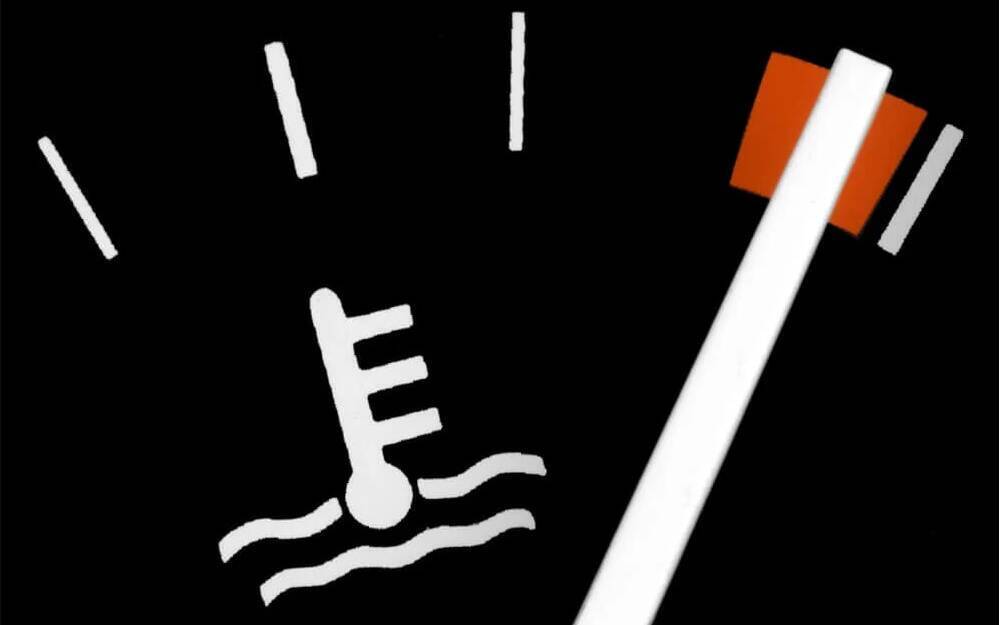
Next, check for coolant leaks or low coolant levels. If necessary, refill the tank with your can of coolant or with water. It's advisable to wait twenty minutes or so for the engine to cool down before taking to the road again.
Don't forget the battery!
Among the elements to be included in summer maintenance and the precautions to be taken during this period, we must certainly not forget the 12-volt battery, which hates the heat just as much as the extreme cold of winter. It has to work harder, and if you're not careful, you run the risk of accelerating wear and tear and having to replace it sooner than expected.
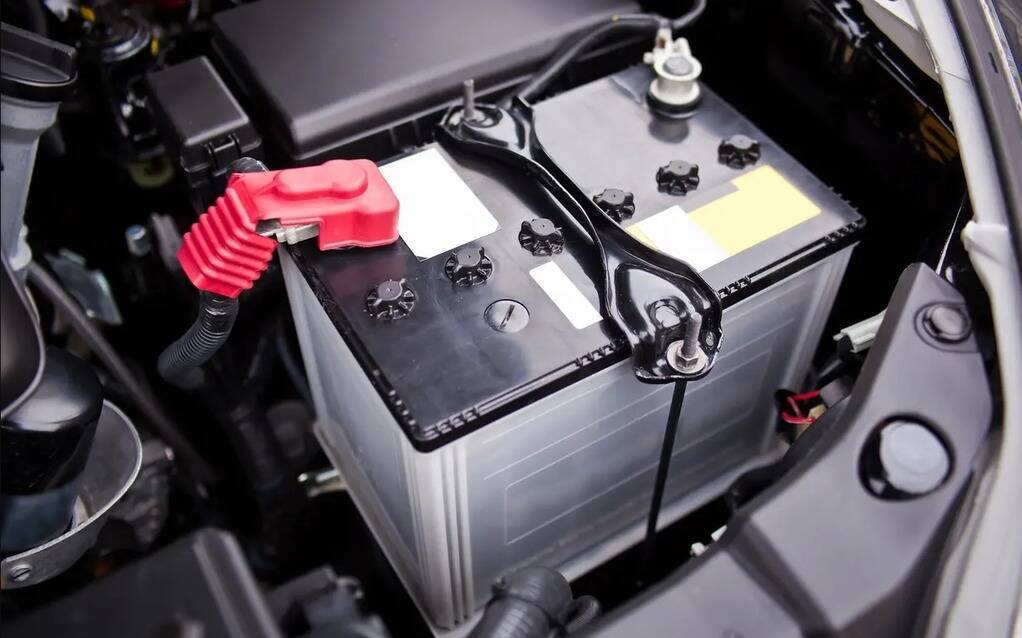
As CAA-Quebec reminds us, a battery produces electricity through a chemical reaction that is exacerbated in very hot weather.
As the cabin can become very hot due to the greenhouse effect, don't overuse the air conditioning, as this in turn increases the level of heat trapped under the hood. This temperature rise accelerates the chemical reaction inside the battery, shortening its lifespan.
Have a good summer and be careful on the road!