
Can we just rely on towing capacity?
Are you one of those drivers who occasionally has to tow a trailer or caravan, whether for work or pleasure? When it comes to shopping for a vehicle, whether new or used, towing capacity is a key consideration. But there's more.
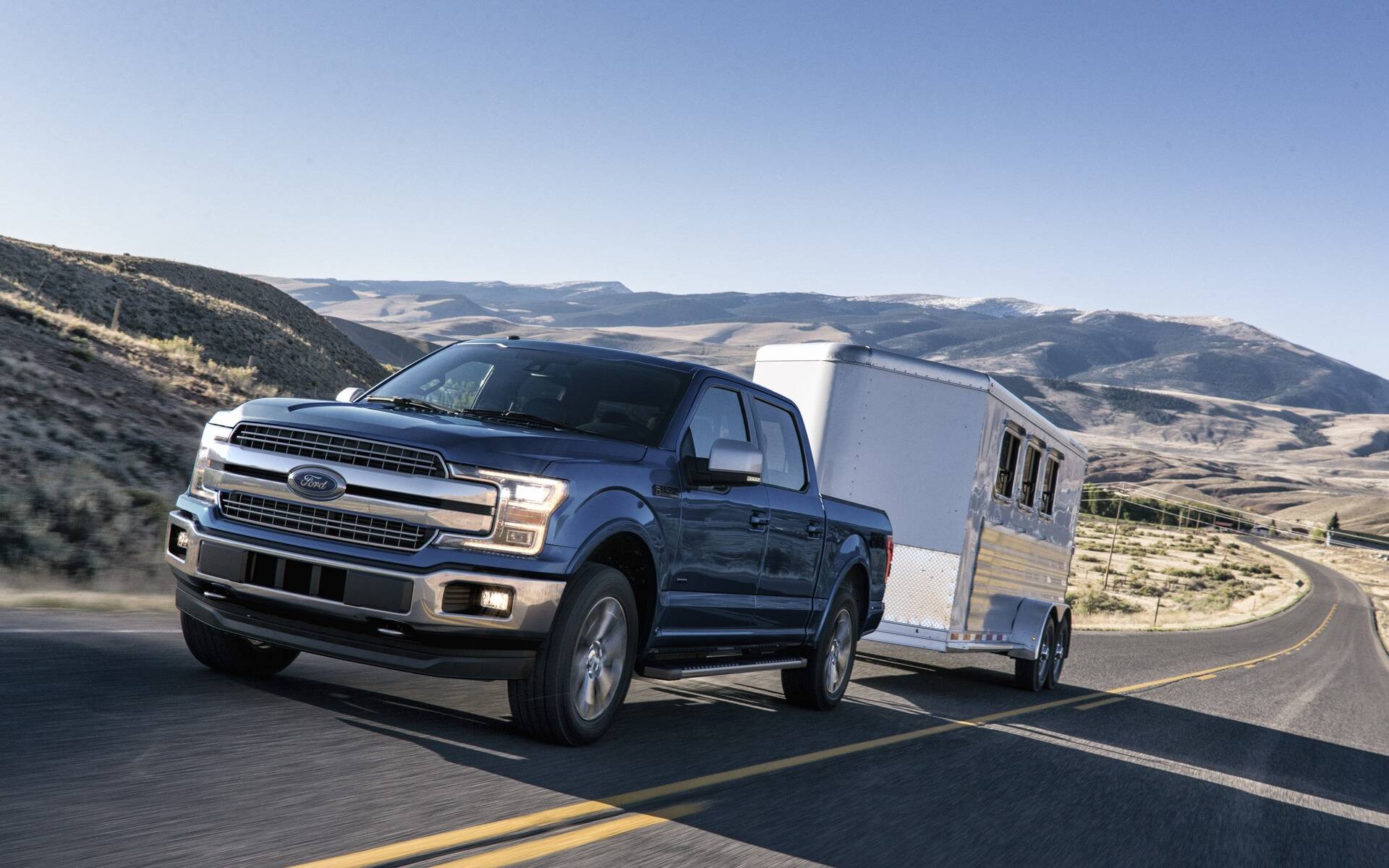
First of all, just to be clear, the towing capacity of a vehicle, as established by the manufacturer, refers to the maximum weight it can tow, i.e. the total of the weight of the trailer/caravan and that of the load it contains. It implies the use of appropriate towing equipment and depends on the presence or absence of electric trailer brakes. Exceeding this limit can overload and damage the mechanics and brakes, as well as making driving less safe.
The rule of thumb is to give yourself a margin of 10% under the stated capacity to maintain good control on the road, having placed around 60% of the load in the front half of the trailer/road trailer.
Now, having said that, you also need to make sure that the trailer hitch installed on the vehicle can handle the load. There is usually a label on the trailer hitch indicating the class (1 to 5), as well as the maximum weight of the trailer and the drawbar weight. The latter normally represents 10 to 15% of the gross weight of the towed vehicle... when it's empty, that is. Keep this in mind when purchasing a trailer hitch.
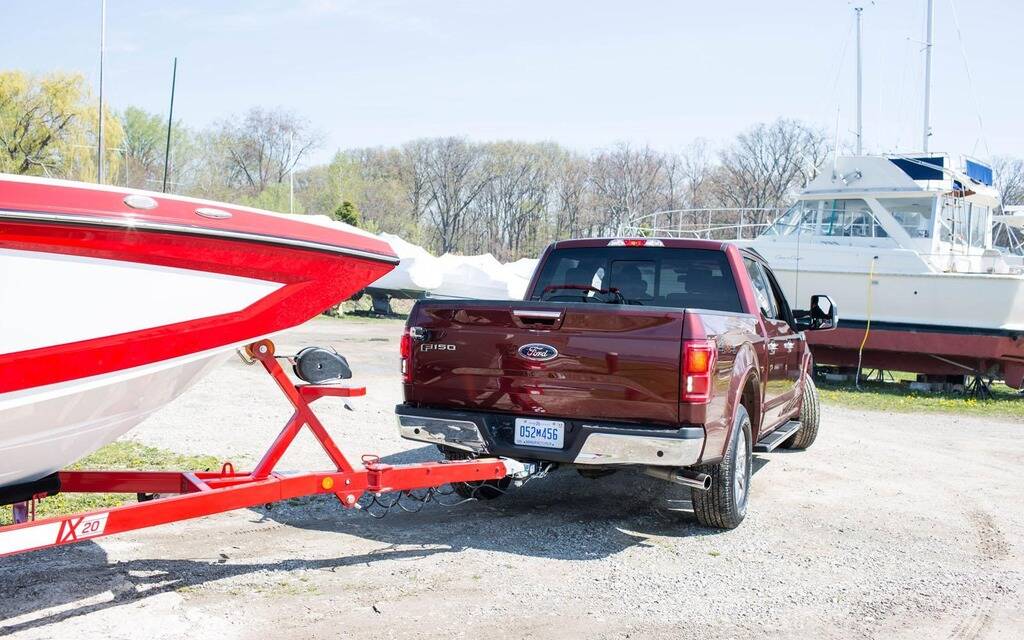
Towing capacity also depends on the load carried by the towing vehicle. Indeed, an SUV without passengers or luggage will be able to tow heavier loads than one with a whole family and their gear on board. That's why it's important to know the Gross Combined Weight Rating (GCWR).
This value refers to the sum of the weights of the towing vehicle, the towed vehicle(s), their equipment, occupants and loads. You'll find the information in the owner's manual and on the label on the driver's door frame. This is extremely important, as the vehicle has been designed to drive and, above all, brake at maximum weight. In an emergency situation, if the GCWR is not respected, it may not be able to brake or change direction quickly enough to avoid an accident.
On that note, enjoy your research and stay safe on the road.