

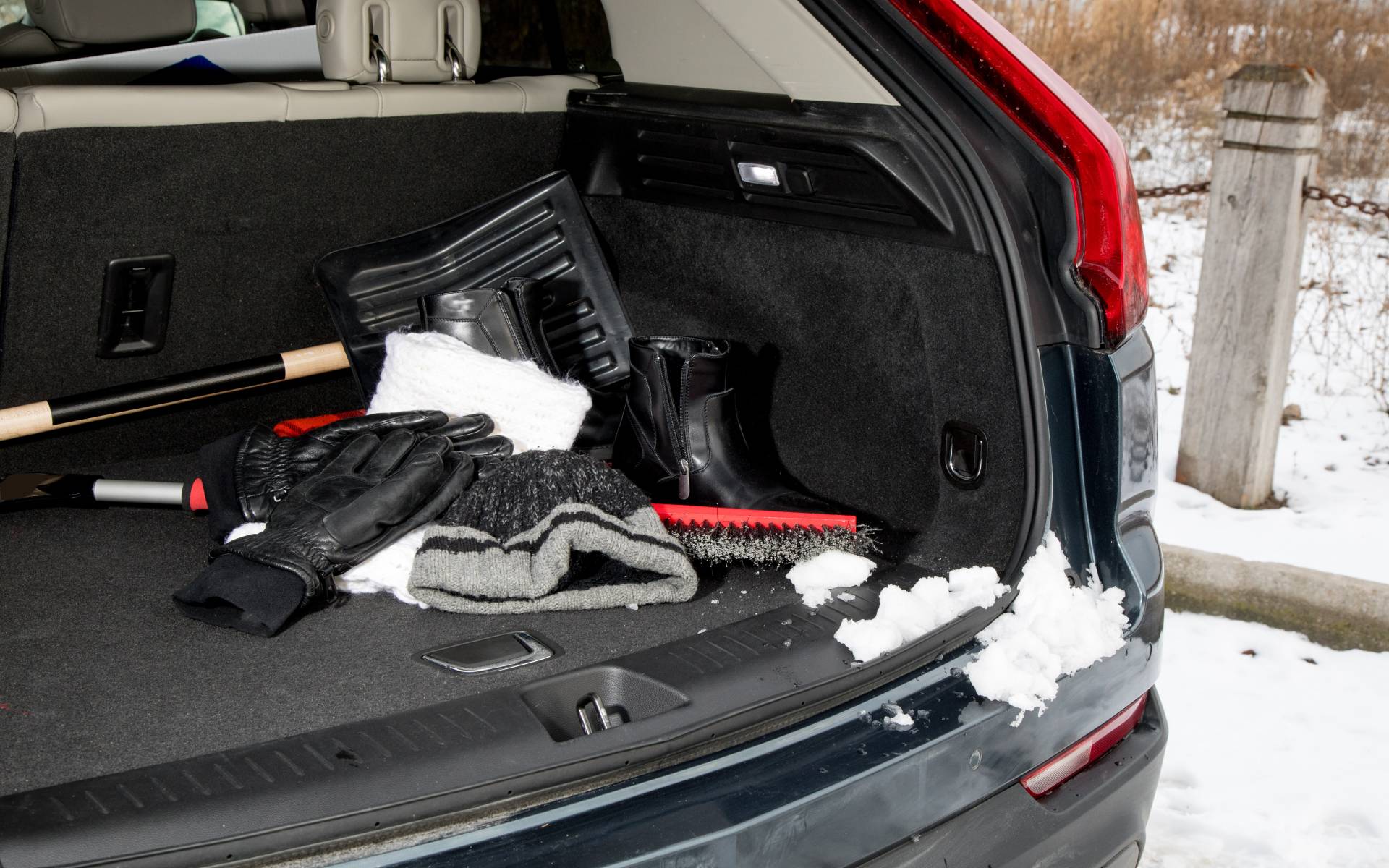
5 steps to winterize your vehicle
The cold season is upon us, and with it snow, ice, slippery roads and other rigours that complicate the lives of motorists. So it's vital to be well prepared.
Of course, there's more to it than simply changing tires (remember: winter tires are mandatory in Quebec from December 1 to March 15 inclusive) and using windshield washer fluid with antifreeze. Here's how to do it in five easy steps...
1. The body
Your car's bodywork needs special care during the winter season. First of all, if it's been more than a year since your last rustproofing treatment, don't delay! In addition, you can limit the risk of corrosion or perforation by washing your car regularly and avoiding parking it in a heated garage, where the humidity, melting snow and de-icing salt could cause damage.
Next, get yourself a good snow broom. A model with anti-scratch foam is less likely to damage paintwork when you're clearing snow.
2. The windshield
Clear, unobstructed windows are essential for a good view of the road and other vehicles on it. Take the time to remove the snow and ice from your windshield before setting off. If the windshield wipers seem to be stuck, avoid hitting them with a snow blade, or even worse, activating them, which could damage their motor. The de-icer is your ally.
Please don't pour hot water on the wipers to make them go faster - your windshield could crack! Consider buying heavy-duty wipers designed specifically for winter use.
3. The tires
Did you know that tire pressure can change rapidly with the weather? According to CAA-Quebec, every 6-degree drop in Celsius causes a pressure loss of about one pound. Too many people forget this and don't think to check their tire pressure regularly during the cold season to make sure they're not too soft.
Maintain the recommended air pressure at all times to preserve your vehicle's safe handling and prevent wear and tear, as well as excessive fuel consumption.
4. The mechanics
In winter, motor oil and other lubricants thicken and don't circulate as well. Synthetic oil is preferable. What's more, leaving an engine idling in the yard wastes more fuel than anything else, so take to the road taking care not to force it in the first few minutes after starting, that is, until it reaches its optimum operating temperature. In very cold weather, it's also wise to use a block heater at home.
Also, remember that when the fuel tank is emptied, condensation forms which, when it freezes, could clog the fuel filter. So fill up more often, especially if it's going to be cold outside.
5. The battery
Finally, one of the most critical elements in winter is of course the 12-volt battery, as it will be heavily stressed. Although its useful life is generally 5 to 7 years, the summer heat may have accelerated its wear and tear. If you notice that it seems to be weakening and your car doesn't start as well, even in mild weather, have it inspected and replaced if necessary. An early replacement is better than a late repair, especially when it's -30 degrees!