

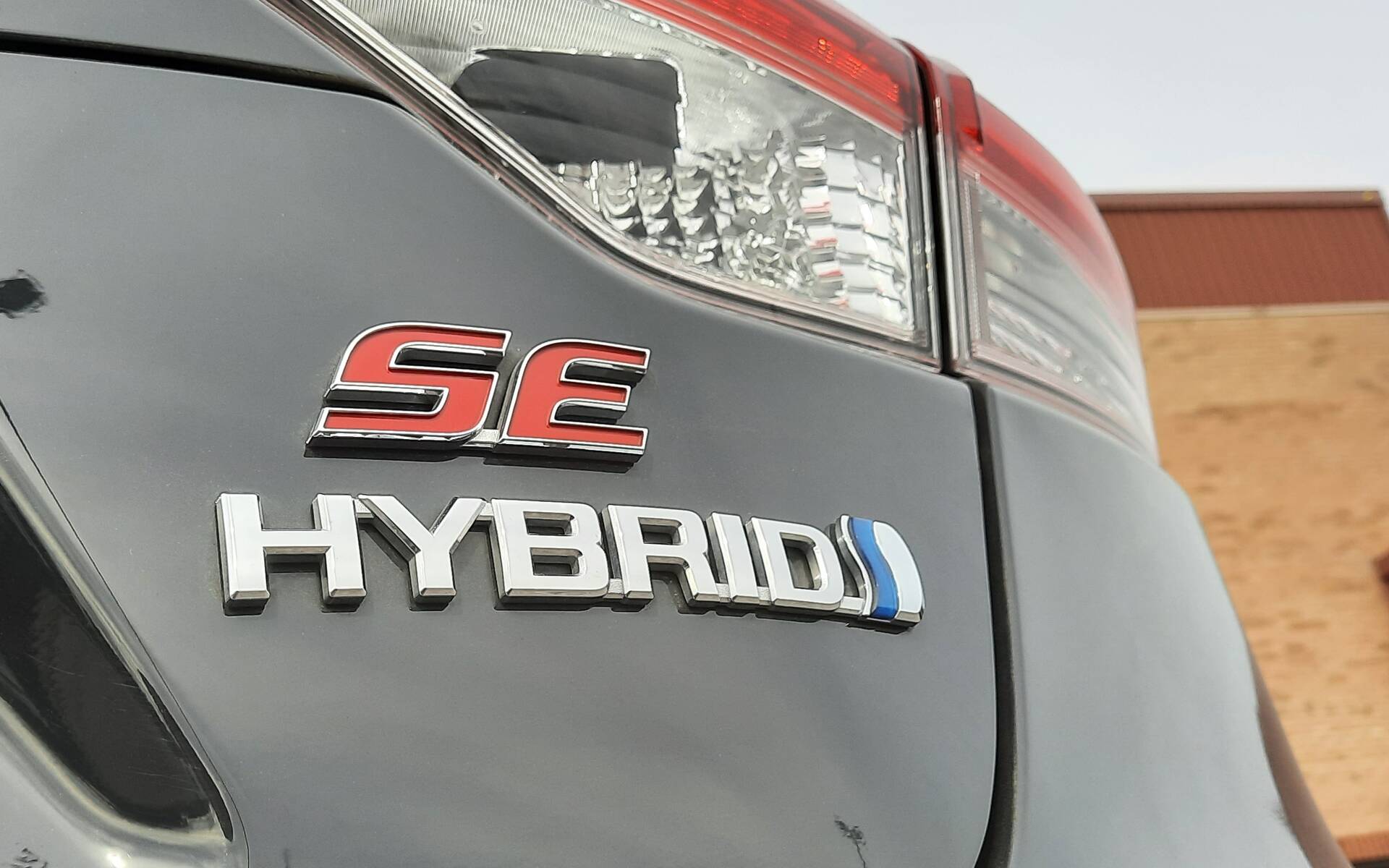
5 false beliefs about hybrid vehicles
Hybrid vehicle technology has been around for over a quarter of a century and has improved greatly over the years. It is easy for drivers to adopt, much more so than 100% electric vehicles, but some misconceptions about it persist.
If you're looking for a new or used vehicle, you'll want to have all the facts so you can make an informed decision—and the best one for your needs. Here's the truth about hybrid vehicles.
Misconception 1: Hybrids need to be plugged in
With the rise of battery electric vehicles and the obsession with charging, some people mistakenly believe that all hybrid vehicles are the same. It's important to note that there are models known as plug-in hybrid electric vehicles (PHEVs) that have a larger, high-voltage battery and can be recharged using a charging station or power outlet to maximize their electric range.
However, conventional hybrid vehicles do not need to be plugged in because they use a smaller capacity battery. This battery does not allow for long-distance travel, but it relieves the combustion engine at critical moments, such as when accelerating at an intersection, which substantially reduces fuel consumption. It’s the combustion engine that takes care of recharging the battery while driving, through energy recovery during braking and deceleration.
Misconception 2: Hybrids are only good in the city
Yes, hybrid vehicles are particularly effective in urban driving, where braking, stopping, and accelerating are more frequent, but that doesn't mean they don't have any advantages on the highway, where it's possible to cruise at a steady speed for long periods of time without using the brakes.
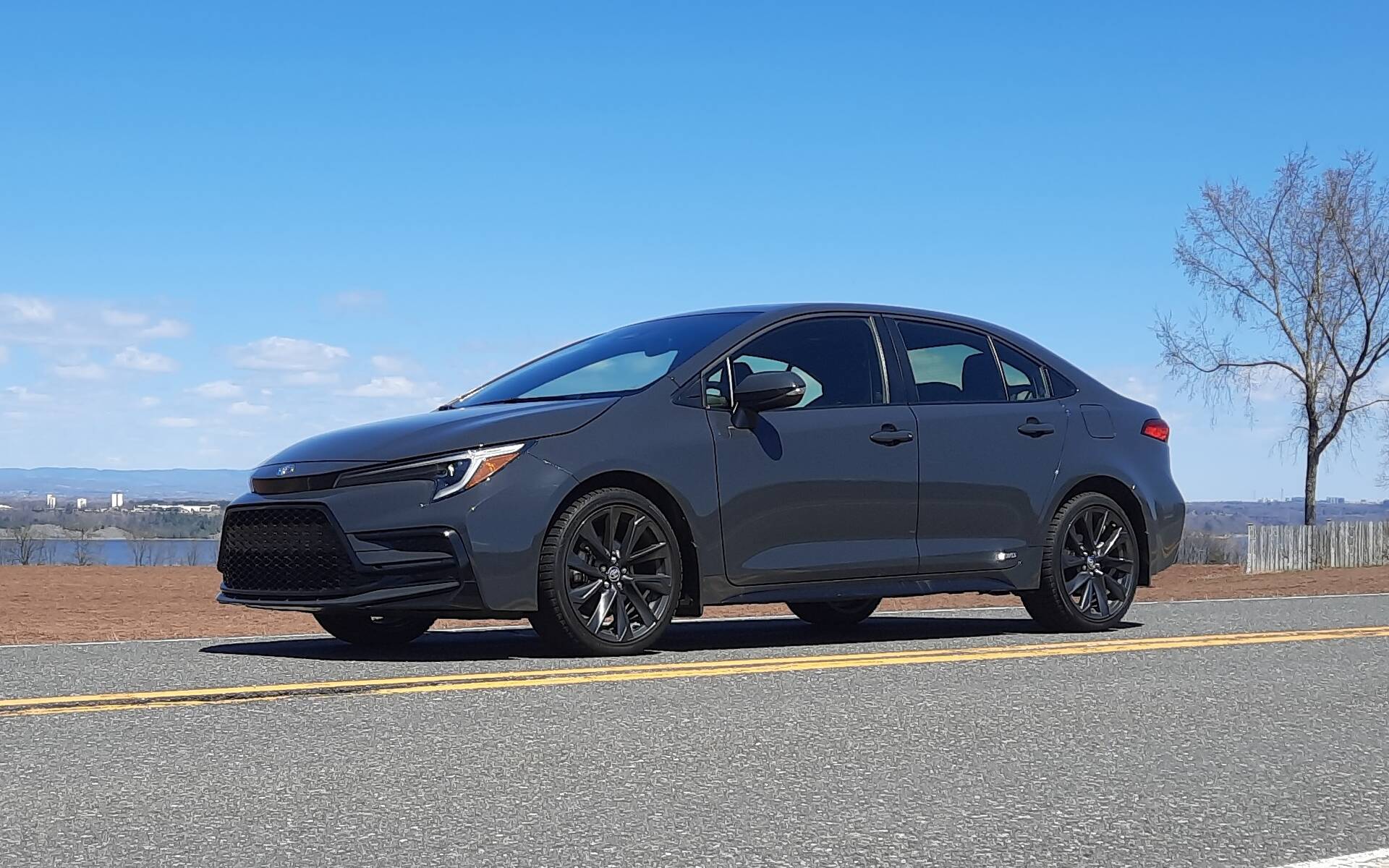
The best way to demonstrate this is with concrete examples. A Hyundai Tucson with all-wheel drive burns 8 L/100 km on the highway, compared to 6.6 L/100 km for a Tucson hybrid. A Toyota Corolla needs about 6 to 6.5 L/100 km depending on the version, while a Corolla hybrid manages 4.5 L/100 km in similar circumstances.
Misconception 3: Hybrids are boring to drive
While the first hybrid models on the market focused heavily on fuel economy and developed a reputation for being boring to drive, the technology has come a long way since then. Manufacturers are increasingly able to combine fuel efficiency with driving pleasure.
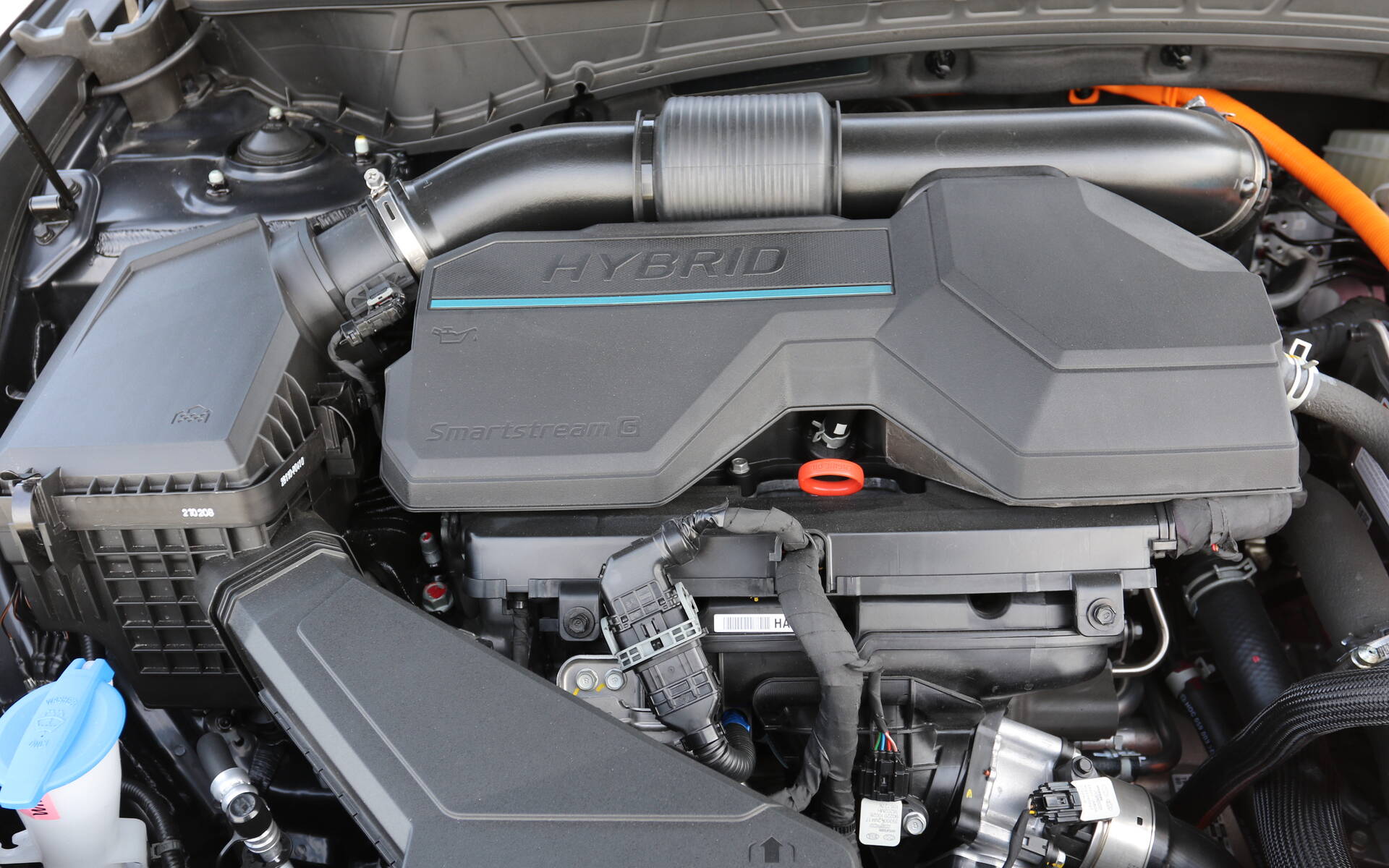
In fact, it's not uncommon for hybrid vehicles to be both more powerful and more fuel-efficient than their non-hybrid counterparts. So, in addition to saving money at the pump, you can enjoy better performance and a more dynamic driving experience. Let's go back to our example of the Hyundai Tucson: the 2.5-liter engine is limited to 187 horsepower and 178 lb-ft of torque, while the hybrid engine (1.6-liter turbocharged) delivers a total of 227 horsepower and 258 lb-ft. Acceleration from 0 to 60 mph goes from about 10.1 to 8.1 seconds!
Misconception 4: Hybrids are more complicated to maintain
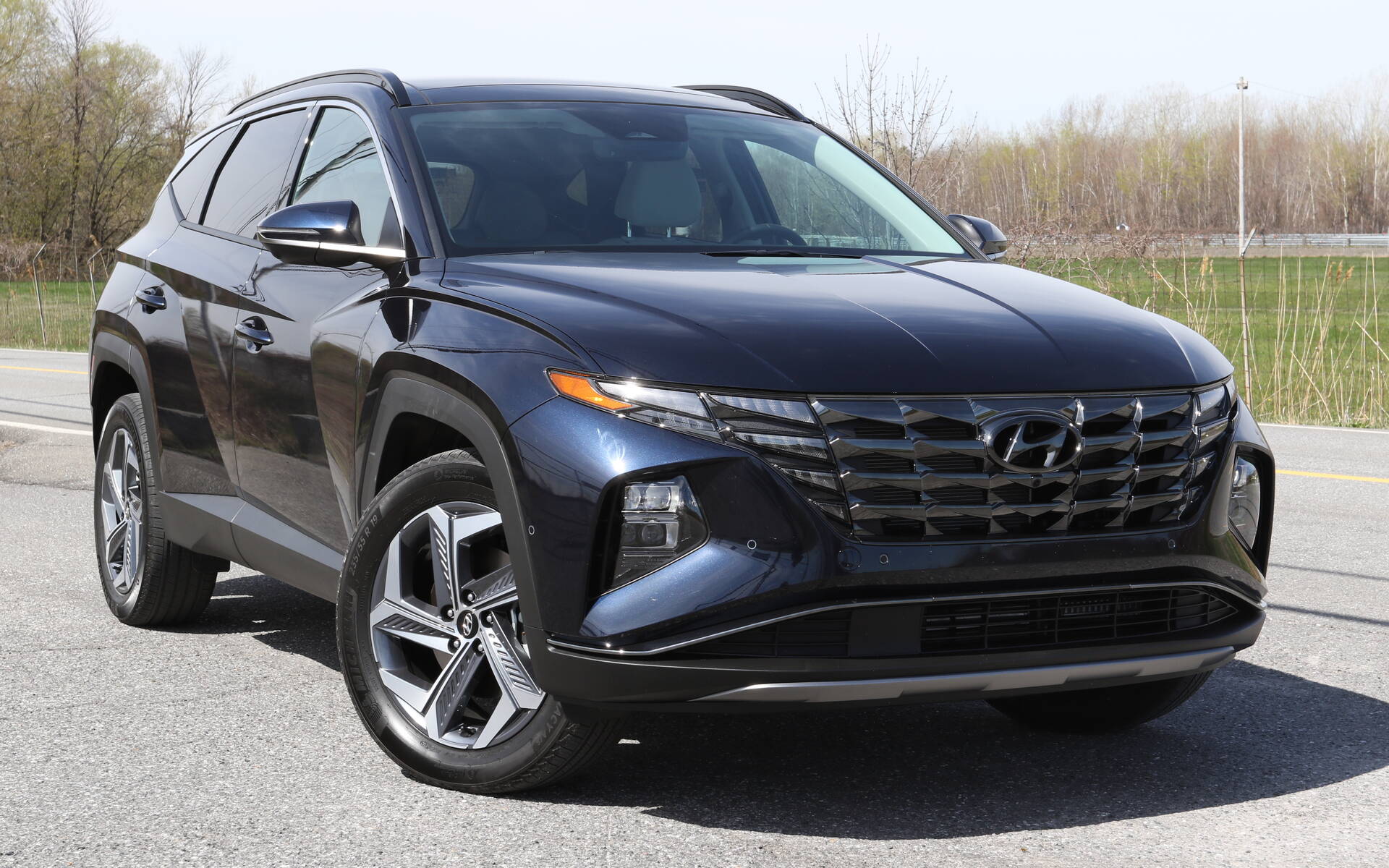
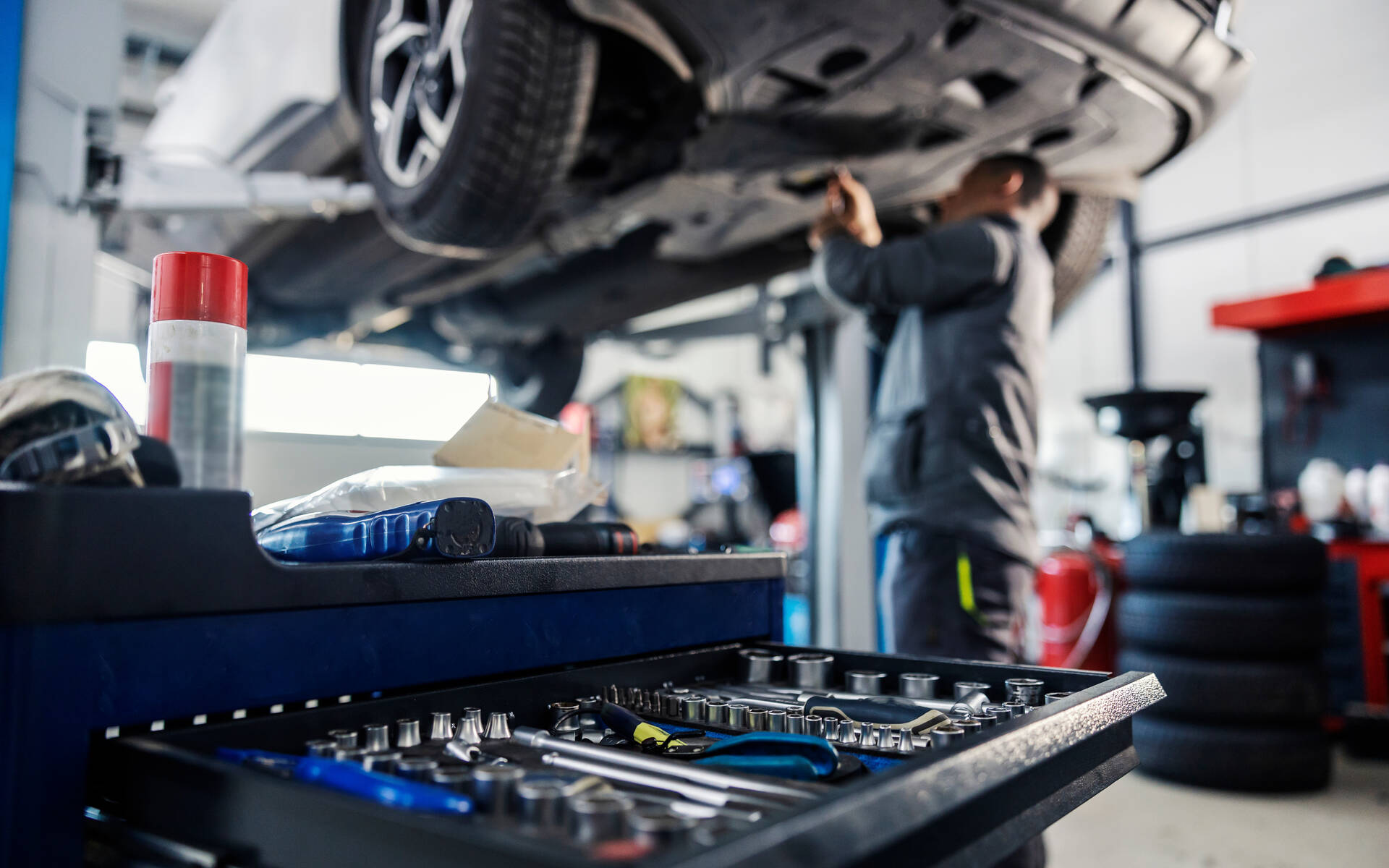
Hybrid vehicles follow a maintenance schedule similar to that of conventional vehicles. Regular tasks such as oil changes, brake checks, and tire rotations remain essential. Some hybrid models may require additional checks on the electric motor and battery, but these are generally part of routine maintenance and are not particularly complex.
Furthermore, contrary to popular belief, batteries are designed to last a very long time. It is no coincidence that manufacturers guarantee them for at least 8 years or 160,000 km. In many cases, they will not need to be replaced until 300,000 km. Regular maintenance and appropriate driving habits can significantly influence the life of the batteries.
Misconception 5: Hybrids are not cost-effective
Although the purchase price of hybrid vehicles may be slightly to moderately higher, their long-term maintenance costs are often comparable to or even lower than those of traditional vehicles. For example, hybrids benefit from regenerative braking, which reduces brake wear.
Furthermore, although hybrid technology is specialized, many qualified mechanics and independent repair shops are equipped to service and repair hybrid vehicles, so it is not necessary to go to a dealership, where service rates are generally higher.
Finally, if you keep your hybrid for several years and maintain high annual mileage, the savings at the pump will continue to add up, and you'll recoup your investment faster than you might think.