

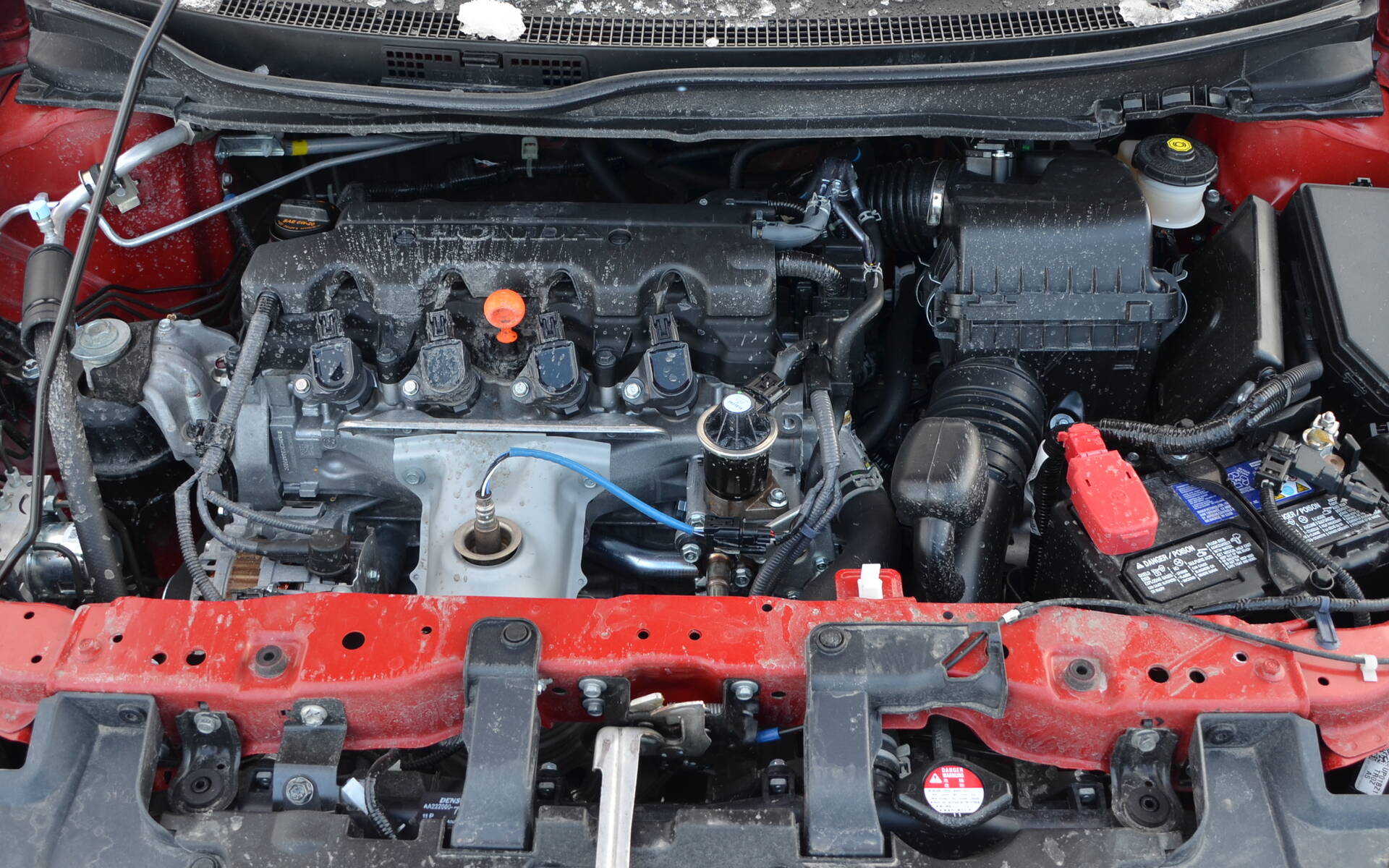
Why is your car engine knocking?
It's never pleasant when a car starts making annoying, suspicious noises. Waiting for time to pass and the problem to magically resolve itself is not the best thing to do, as the situation could get worse and end up costing you dearly.
The worst noises are undoubtedly those emitted by the engine and suspension, as they usually mean serious trouble and more extensive servicing in the garage (or at home, if you're mechanically literate and have the right tools). But what causes an engine to knock, for example?
Many drivers ask themselves this question - and it's true that it can be alarming when driving. Engine knocking is a low, metallic sound that can become more frequent and pronounced as engine speed increases.
Among the most common causes are poor air-fuel mixture or ignition (sometimes attributable to the use of low-octane gasoline, faulty spark plugs or clogged injectors), a faulty knock sensor (causing the engine control system to fail to prevent knocking), damaged connecting rod bearings that cause the pistons to knock against the crankshaft, or an over-worn or stretched serpentine belt that causes the various pulleys connected to the engine to turn incorrectly.
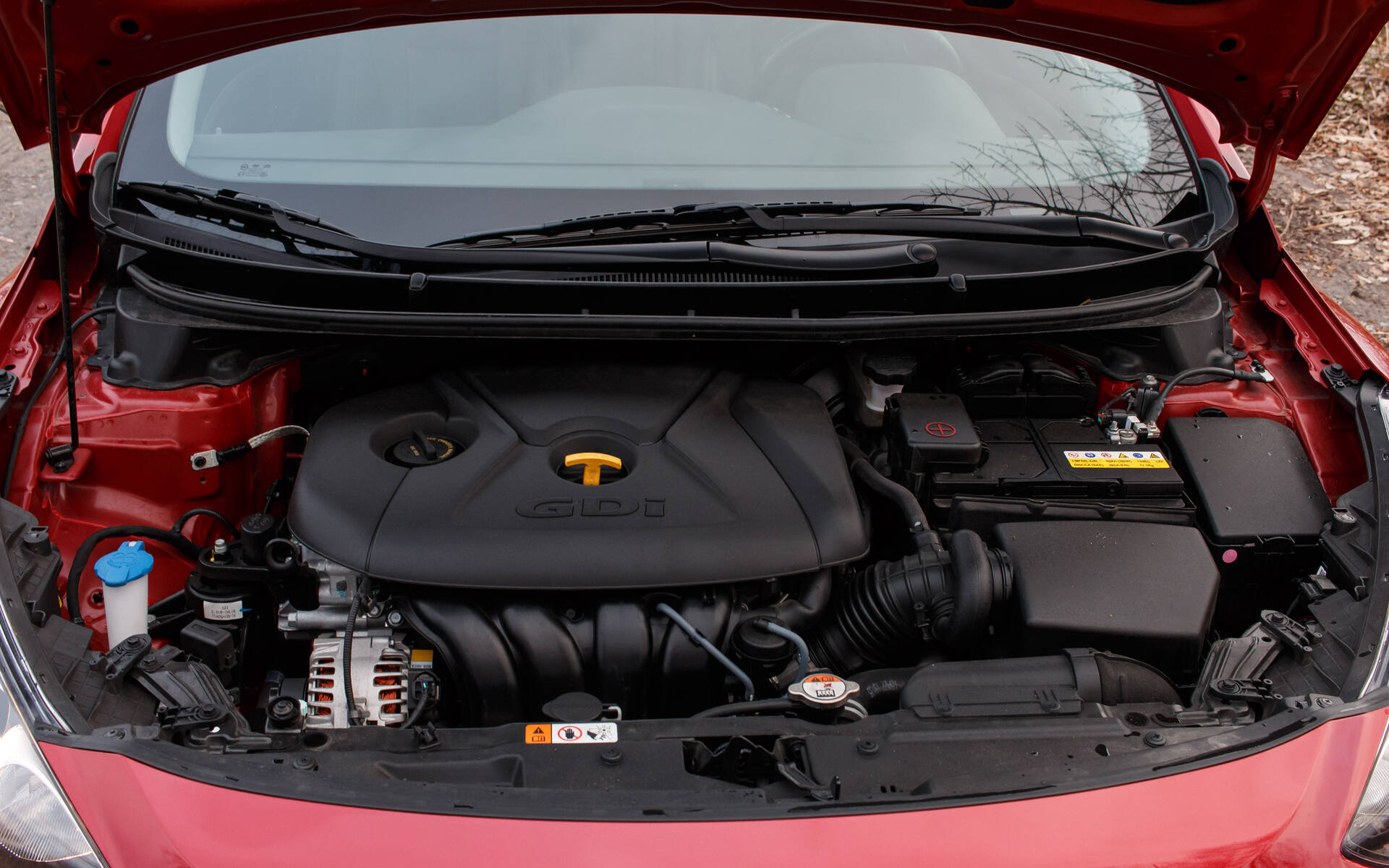
Knocking can also be caused by low engine oil levels (which can lead to other problems and component damage), excessive crankshaft end play, or even loose or missing torque converter mounting bolts.
Note that some automakers have issued recalls in connection with engine problems including knocking. Hyundai and Kia have issued recalls for several models, recommending that the engine control software be updated.
As mentioned in the introduction, don't delay when you start hearing suspicious and unwanted noises while driving, whether from the engine or elsewhere. The best thing to do is to take your vehicle to a specialist for a thorough inspection, and then proceed with the appropriate repairs.