

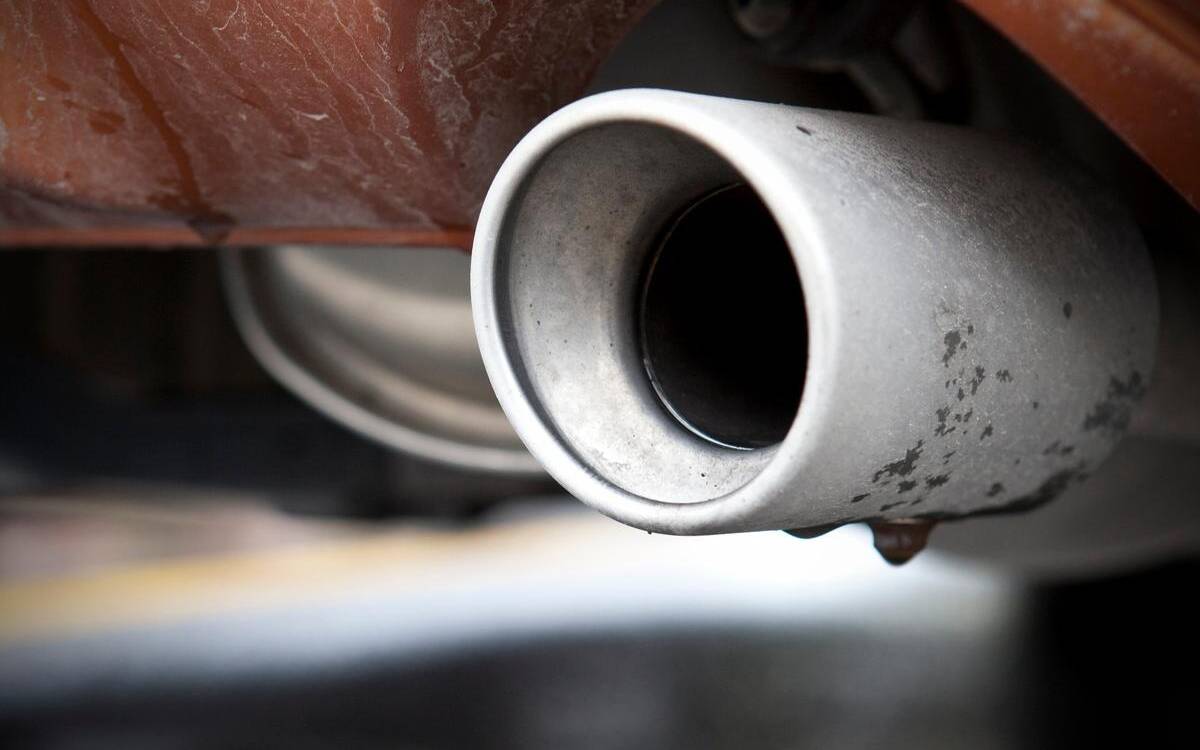
Why does your car emit black smoke?
Drivers who neglect their vehicle's maintenance expose themselves to all sorts of mechanical problems. Among them, smoke could escape at any time, including black smoke.
How dangerous is this? What causes it and what to do about it? Let's take a closer look.
The causes
Generally speaking, black smoke from a vehicle is a sign that it is burning fuel excessively. There can be a number of reasons for this. Here are five of them:
- Clogged air filter - If dirt clogs the engine's air filter, the engine will not receive enough fresh air and the air/fuel mixture will be affected.
- Faulty Oxygen Sensor - This sensor is responsible for informing the engine control module about the air-fuel mixture. If it is not working properly and there is not enough oxygen to ensure full combustion, black smoke will come out of the exhaust.
- Damaged Piston Rings - Engine oil must not enter the combustion chamber and piston rings play a big part in this. If they are damaged, the engine will burn oil and emit black smoke.
- Injector Leak - The engine's injectors ensure that fuel enters the cylinder head directly. If one of them leaks, the combustion system will be affected and carbon will build up in the engine before being released as smoke.
- Engine Deposits - Due to heat, fuel pressure and oxygen in the engine, carbon deposits can form and affect engine performance. In addition to black smoke, damage can occur to parts such as valves.
Solutions
So, the damage is done and you see black smoke coming out of your car. What can you do about it? The best advice we can give you is to visit a dealership or a mechanic shop without delay.
Here are some solutions that can help solve a black smoke problem:
- Clean clogged components - As noted above, the air filter should not be clogged. It should be cleaned (or replaced) and the fuel pressure regulator should be cleaned to ensure proper fuel-air mixture.
- Use additives - In the case of a diesel engine, adding additives such as detergent can reduce the black smoke coming out of the exhaust. Additives are also designed for gasoline.
- Replace the oxygen sensor - If an inspection shows that the sensor is defective, it will definitely need to be replaced.
- Check the piston rings - Again, this is a job for a professional. Inspecting and repairing or replacing piston rings that leak engine oil is critical.
Of course, some of these remedies cost much more than others. Try to follow the vehicle manufacturer's recommended maintenance schedule to avoid bigger problems... and your money going up in smoke!