

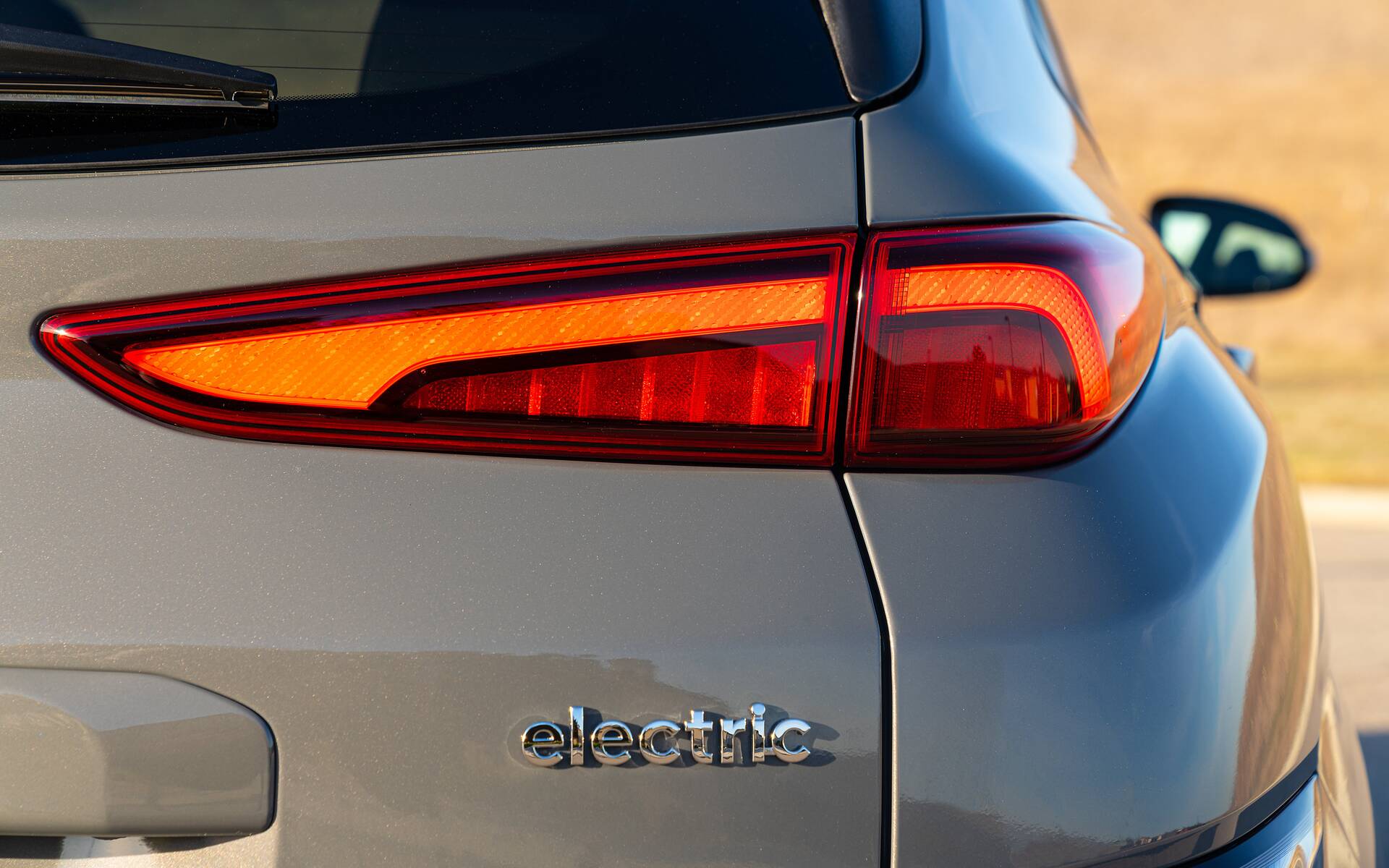
What maintenance is required for a used electric vehicle?
Whether new or used, an electric vehicle offers substantial energy savings (electricity in Quebec costs a lot less than gasoline!) and maintenance savings (since there are far fewer mechanical parts), making the purchase financially advantageous in the long term. Ford, for example, claims that maintenance costs for the F-150 Lightning are 40% lower than for a gasoline-powered F-150.
Of course, there's no room for magical thinking: electromobilists have homework to do and reasons to visit a dealership, especially if they want to keep their vehicle for a long time. Here's an overview.
Batteries and motors
High-voltage batteries are designed to last at least the life of the vehicle, estimated at 10 to 15 years, with a degradation of 10 to 30% of total energy capacity, which is far from enough to render the car unusable. That said, you could have yours tested to find out its real capacity.
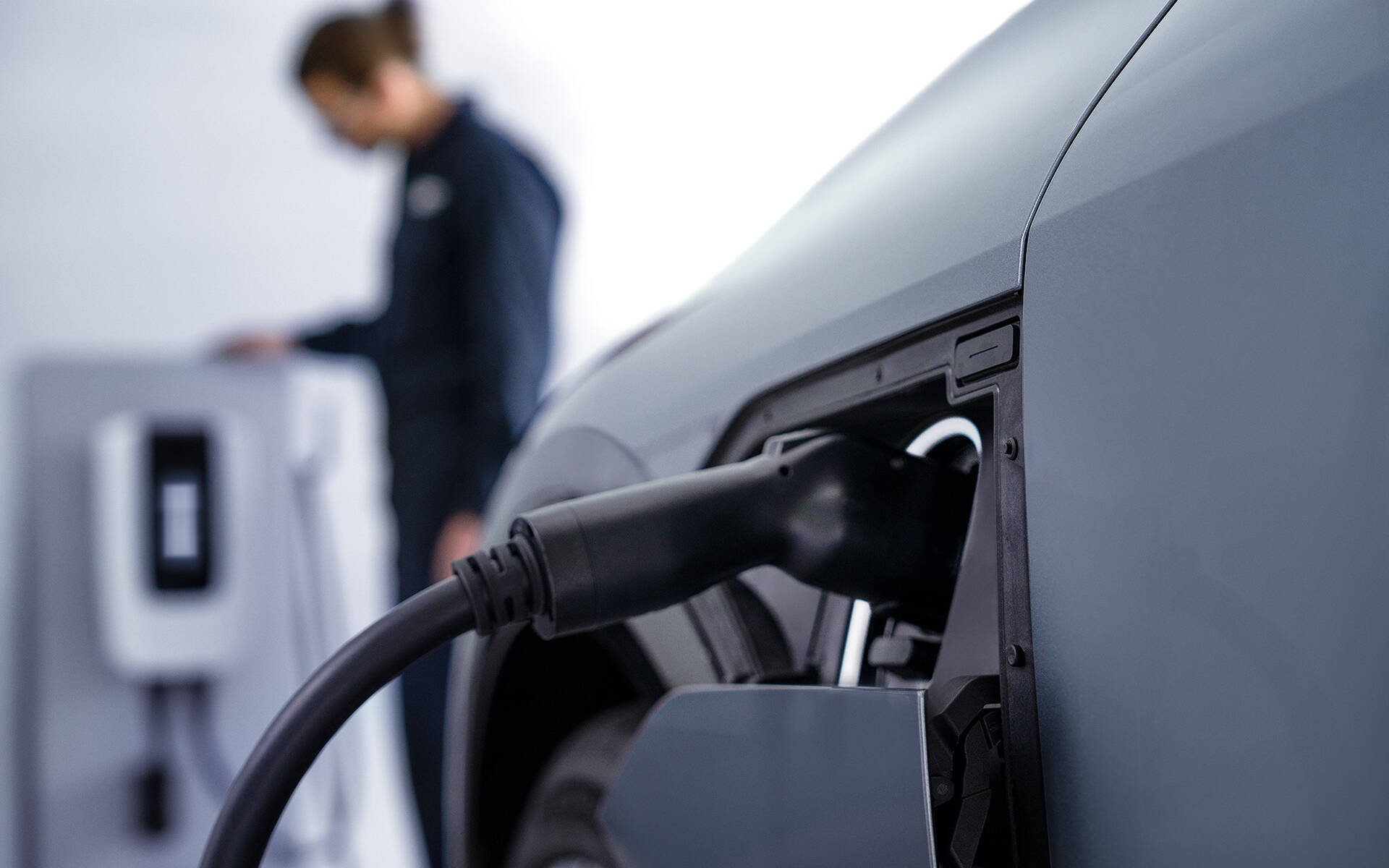
Similarly, electric motors are designed to last the life of the vehicle, and rarely require regular maintenance. The same goes for coolant pumps, which circulate liquid to cool or heat the battery, electric motors and often the vehicle interior.
Brakes and suspension
Although they are less stressed due to the regenerative braking system, which often does most of the work (pads and discs can last much longer), the brakes on an electric vehicle need to be cleaned periodically to counter dirt and corrosion. Brake fluid also always requires inspection.
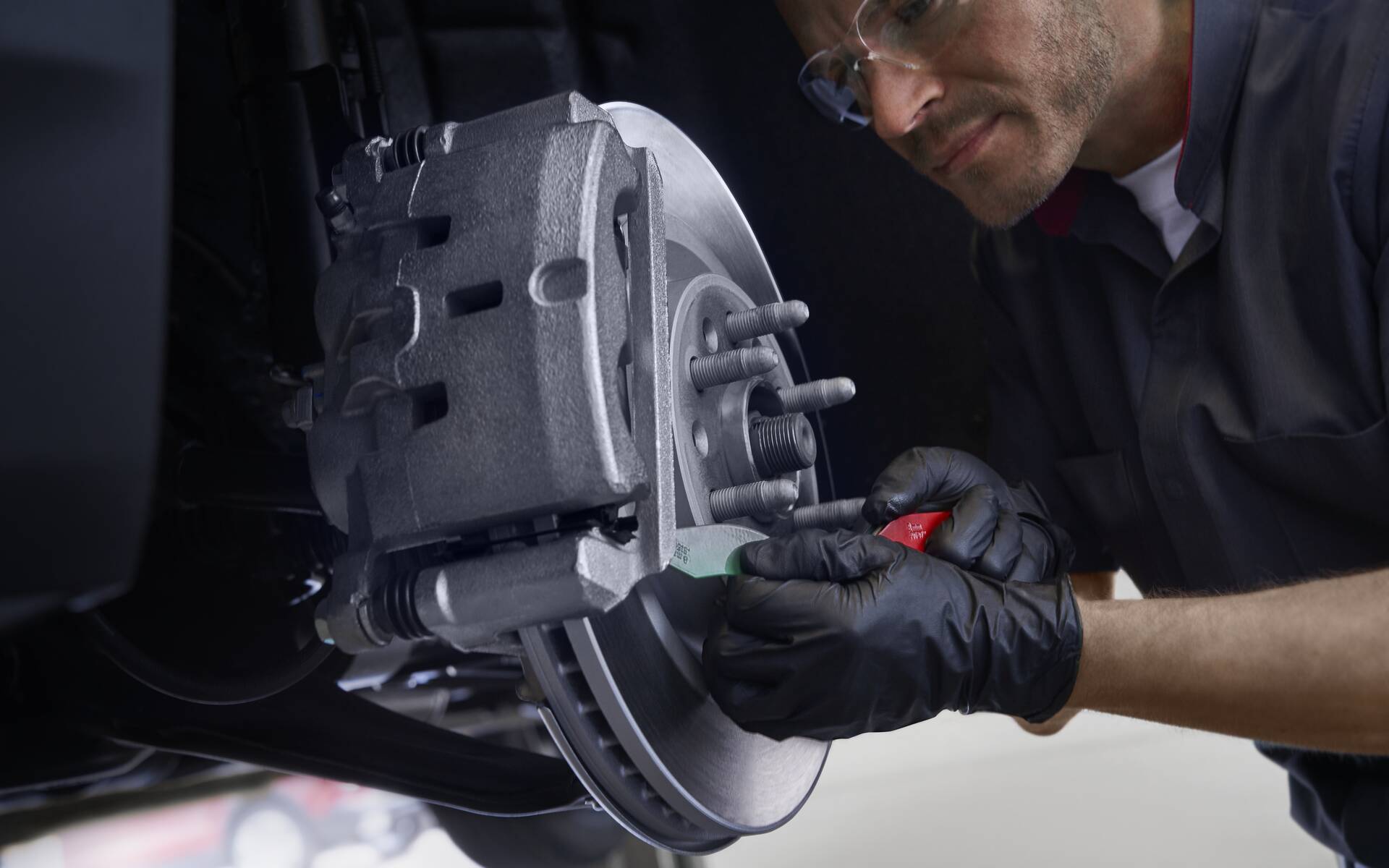
What's more, because this type of vehicle is generally 30% to 35% heavier than a gasoline-powered equivalent, all undercarriage parts such as suspension and steering are subject to more pressure, and it's important to check them.
Tires
Given this extra weight, the tires on an electric vehicle tend to wear out more quickly, especially if you enjoy rapid acceleration. So you need to keep a close eye on the tread, and possibly plan to replace your tires more frequently.
Other systems and components
Are rubber components such as seals and wiper blades still in good condition? Is the cabin air filter clogged? Is the windshield washer reservoir full? Are all headlight bulbs working properly? Is the 12 V battery still charged? These are all points to check. The same goes for the air conditioning, which works in conjunction with the drive system to regulate battery temperature.
And don't forget about rustproofing. Electric vehicles need to be treated differently, as incorrect application could result in damage to electrical system components and possibly invalidate the manufacturer's anti-corrosion warranty. A specialized center that performs the treatment according to the rules of the art is to be preferred.
Where to get maintenance done?
Ideally, make sure you deal with a dealer or workshop whose technicians are specially trained and equipped. CAA-Quebec and the Association des véhicules électriques du Québec are good resources for finding one.
Refer to your owner's manual for recommended service intervals, and check Transport Canada's and/or the manufacturer's recall database to see if your vehicle is affected by any recalls. It's rare that there aren't any! The good thing about electric vehicles is that some fixes require a simple software update via cloud transmission.