

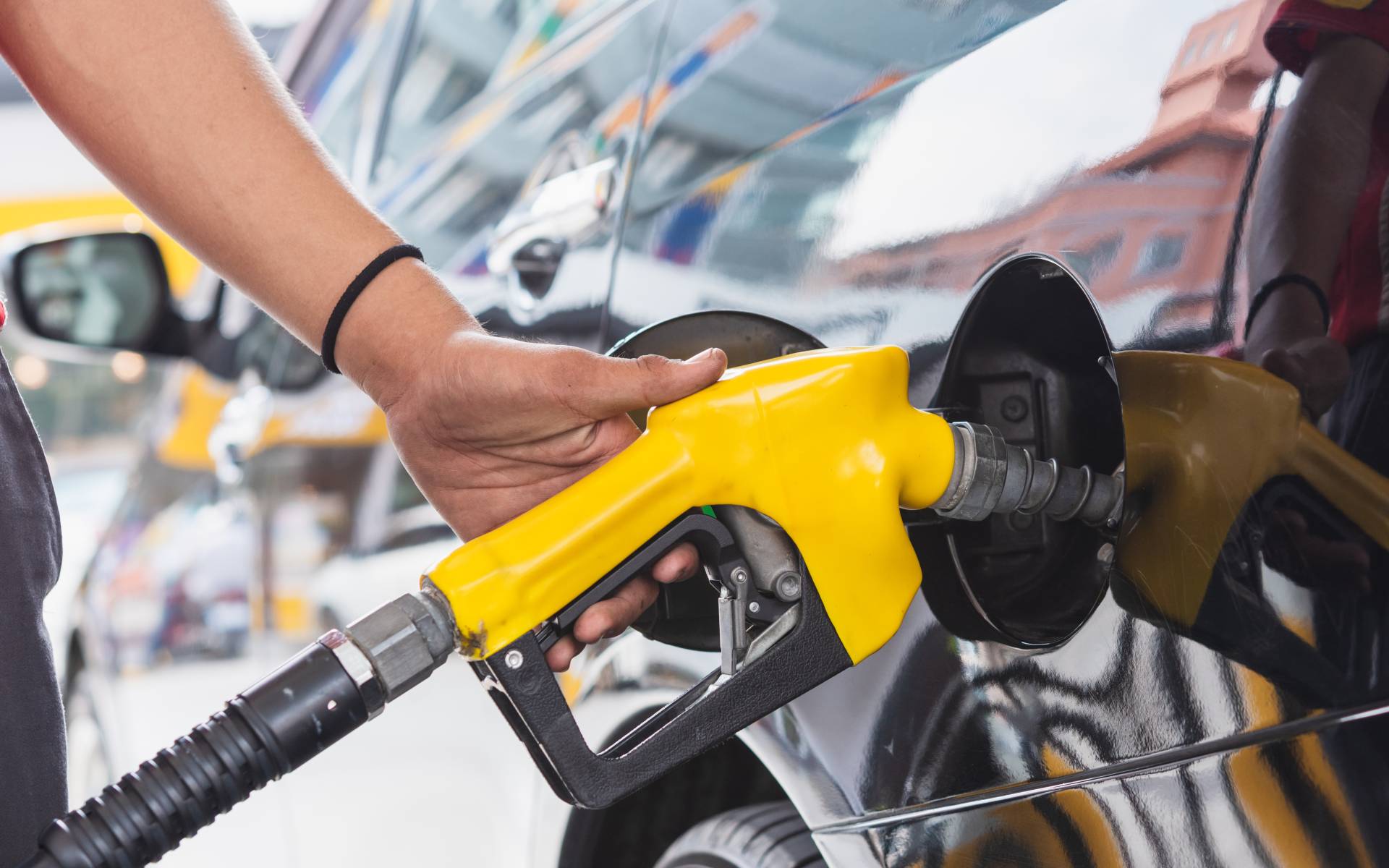
What are the risks of choosing regular gasoline instead of premium?
Gas prices have skyrocketed since the start of U.S. and Israeli strikes in Iran, and many drivers—already hard-hit by inflation—are now faced with tough choices. For some, that might mean switching to a different vehicle. For others, it means cutting back on travel.
Of course, there are also people who wonder whether it makes sense to fill up with premium gasoline, which costs significantly more than regular gasoline. Let’s take a closer look at this issue by considering three different scenarios.
First, for a standard car, premium gasoline is only necessary under certain conditions (such as heavy use) and has little to no impact on improving engine performance or efficiency. This is what various studies have shown, including one conducted a few years ago by the American Automobile Association (AAA).
If regular gas is recommended, there’s no need to waste money on premium. However, it can be a good idea from time to time, since premium gas contains more additives and detergents, which can help the engine.
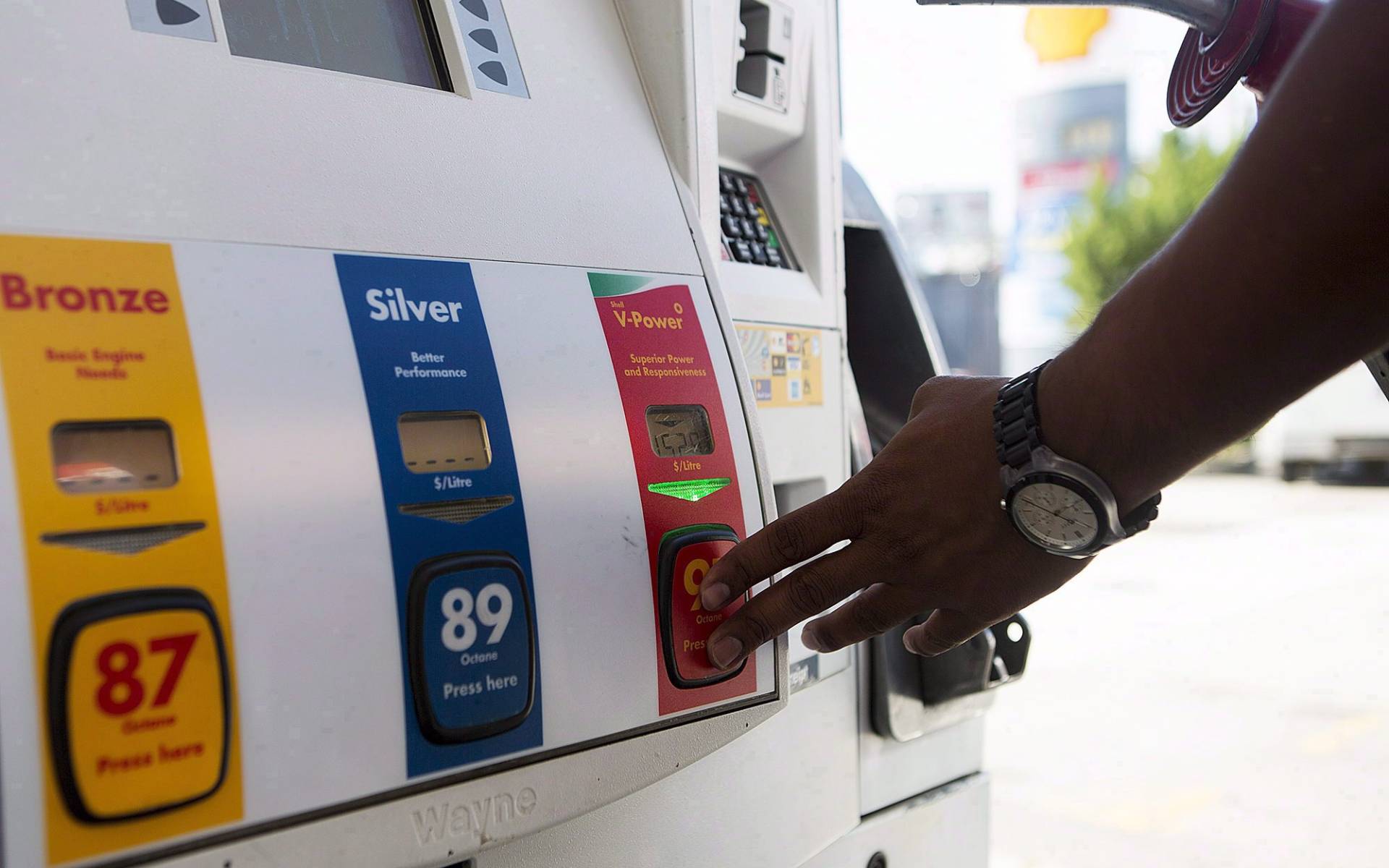
Conversely, in the case of a luxury, high-performance, or turbocharged vehicle for which the manufacturer requires premium gasoline (as indicated on the fuel filler door), the question doesn’t even arise. Otherwise, it’s not just power and performance that suffer, but also the engine’s proper functioning and short- and long-term health, since it isn’t designed for regular gasoline.
Now, what happens with a vehicle that can run on either fuel? Take, for example, the various Mazda models equipped with the 2.5-liter turbocharged four-cylinder engine. This engine loses a bit of power and torque (23 horsepower and 10 lb-ft) when running on regular gasoline, but the impact is negligible in everyday driving.
Keep in mind: when you run a high-performance engine on regular gasoline, there is a risk that combustion will occur too quickly, before the spark plug even fires. It is this phenomenon, known as engine knock, that can damage the engine.
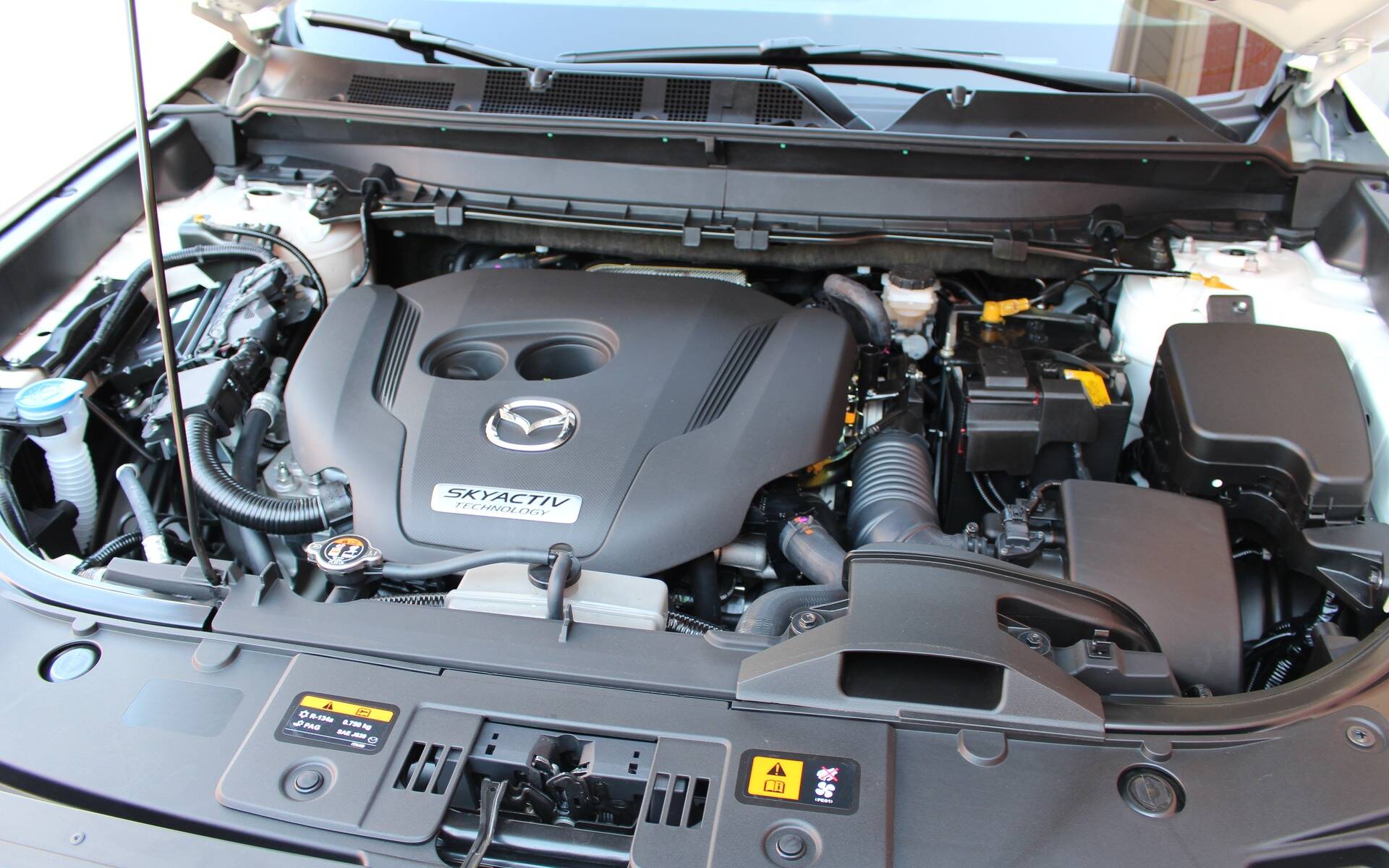
Although Mazda recommends using premium gasoline, it doesn't require it. Why? Because its engine doesn't have a very high compression ratio or very high boost pressure. In short, it isn’t very “high-performance” for a turbocharged engine. In everyday driving, there’s no need to worry. However, it’s a different story if you frequently drive uphill or need to tow—using premium gasoline will help the engine work less hard.
For more information on which fuel to use for a specific vehicle model, please refer to the owner's manual or contact a dealership for that brand.