

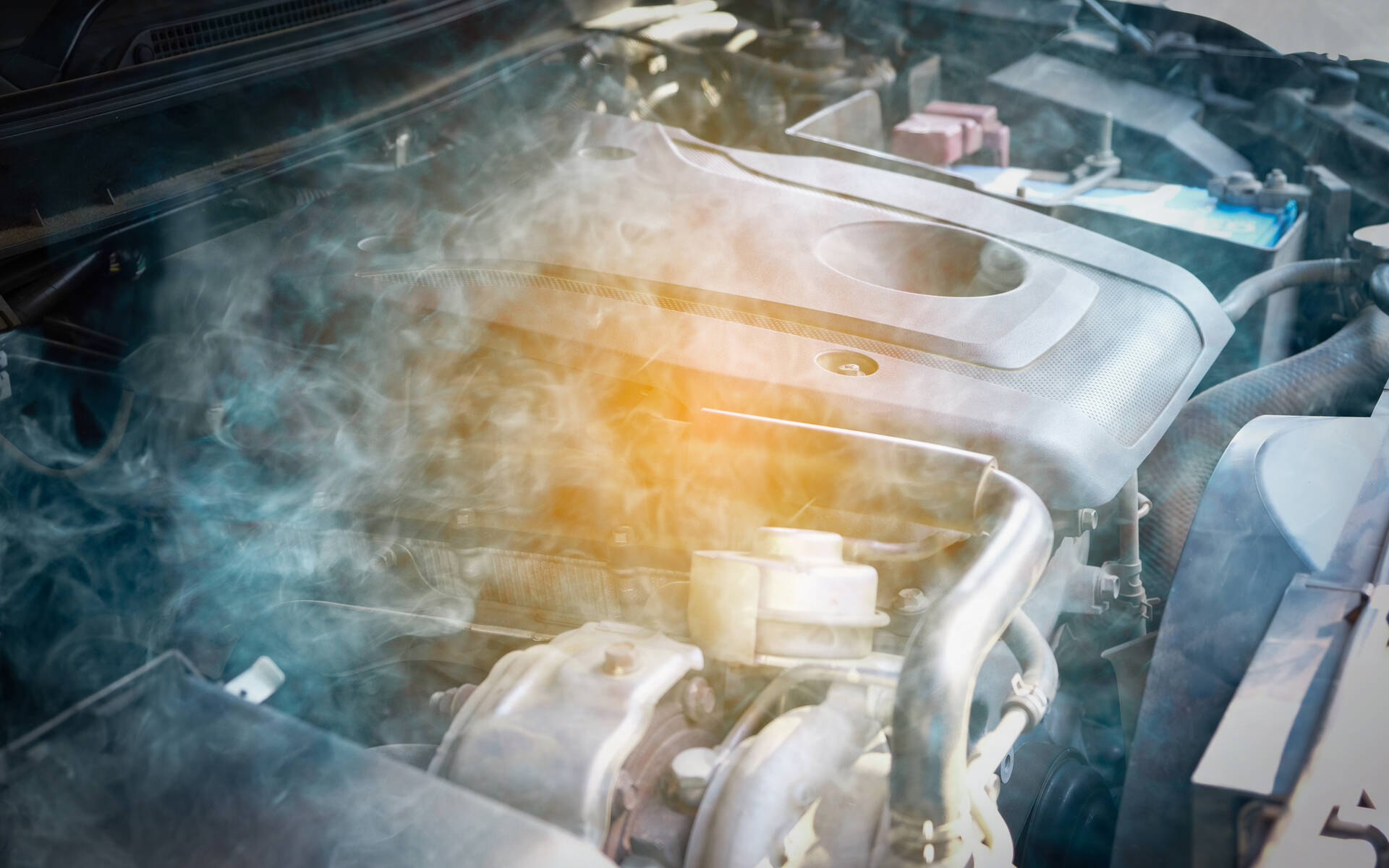
What are the harmful effects of heat on a vehicle?
Carmakers devote an enormous amount of time and energy to the development of their vehicles. This includes all kinds of tests in a wide range of conditions, from freezing to sweltering temperatures, to ensure that the various systems and components can withstand them and perform optimally.
Despite this, heat is an enemy that all drivers need to be wary of. It's not just a matter of carrying out regular maintenance and repairs to keep your vehicle running smoothly. It's also important to adapt driving habits, mainly to avoid overloading the vehicle and overtaxing the engine. The risks of damage and even fire are real.
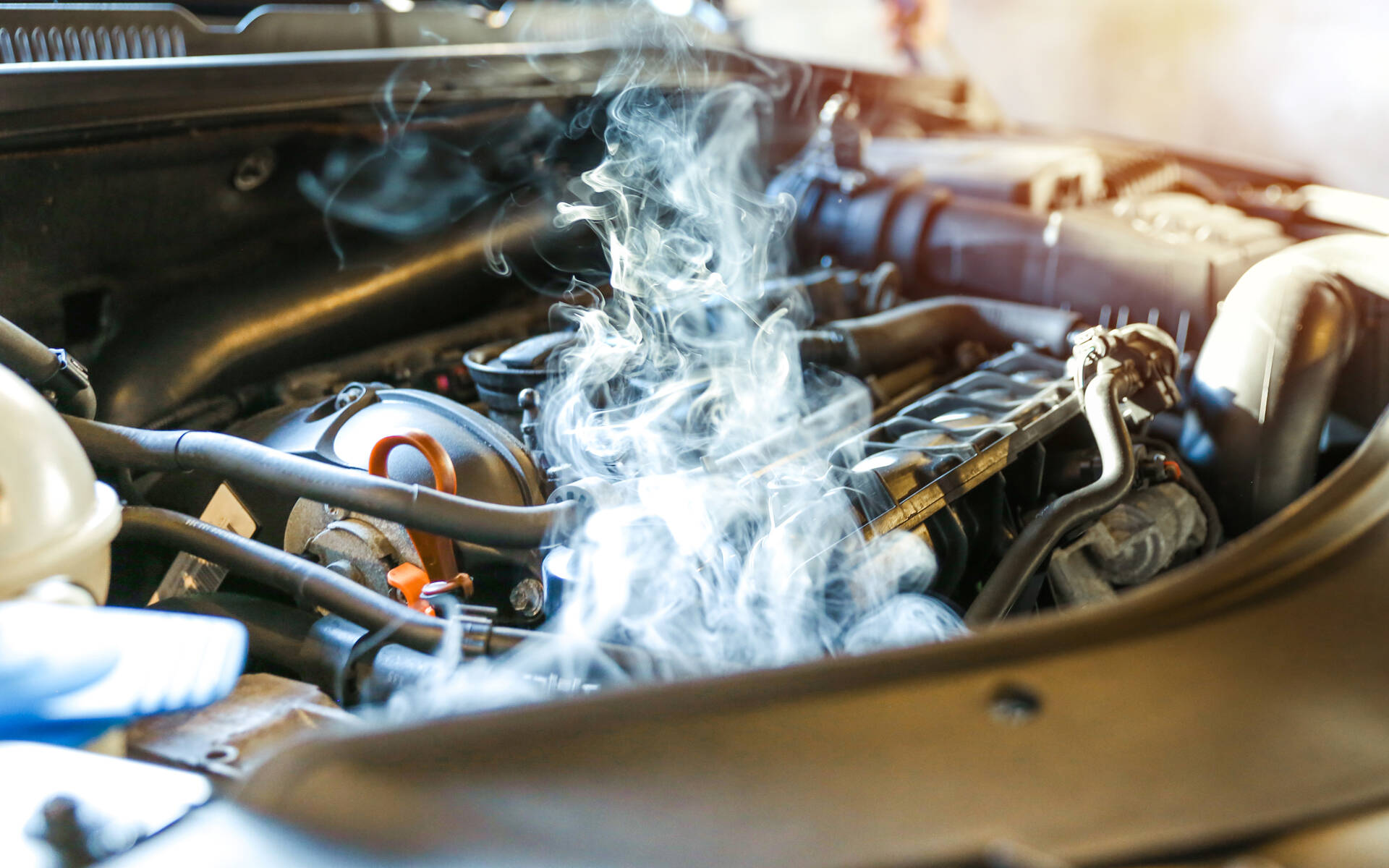
During heatwaves, temperatures under the hood can reach 150°C, and even higher when the sun is shining! If you're not careful, the engine can quickly overheat and eventually catch fire, with serious and permanent consequences.
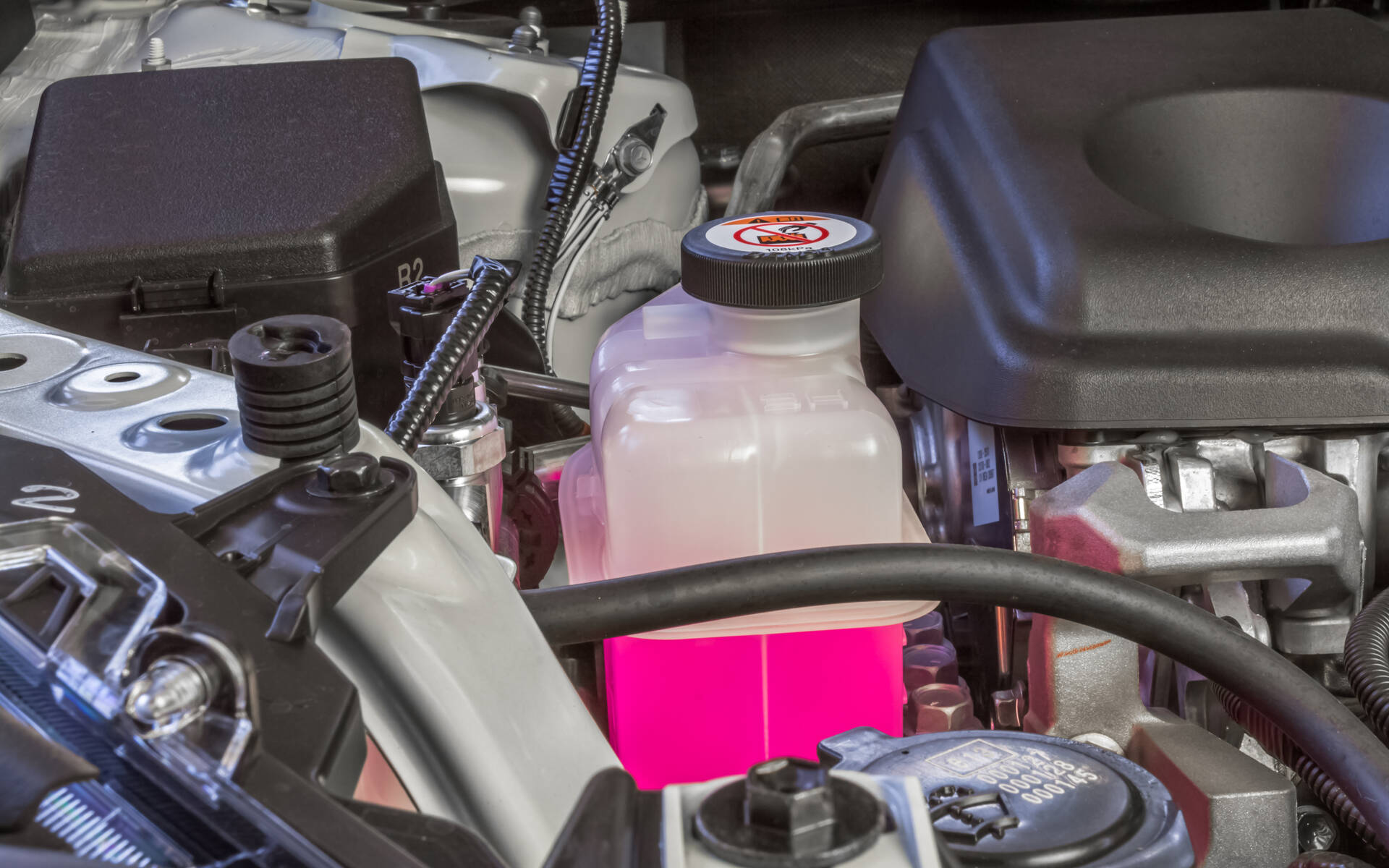
That's why it's so important to have your cooling system inspected before the summer season. A technician can check the system for obstructions and leaks, and ensure that the fan, water pump and thermostat are in good working order. It's a good idea to keep a jug of coolant and a jug of water (ideally distilled water, as it contains fewer mineral deposits) in the trunk to cover any eventuality.
Other undesirable effects of heat include increased fuel consumption, drying out of gaskets and rubber parts, and accelerated wear of batteries, both 12-volt and high-voltage electric vehicle batteries.
As the car interior become very hot due to the greenhouse effect, it's best not to overuse the air conditioning, as this in turn increases the level of heat trapped under the hood. This rise in temperature accelerates the chemical reaction inside the battery, shortening its lifespan.
Finally, beyond its effects on vehicles, heat can also be dangerous for occupants. A recent American study published in the journal Environmental Science & Technology revealed that heat promotes the circulation of a toxic gas in the passenger compartment, produced by flame retardants. Triphosphate, found in seat foams among other things, sees its concentrations multiply by a factor of two to five when temperatures rise, thus increasing the risk of developing cancer.
The authors of the study, who are concerned about the long-term effects of these products on children or motorists who stay in their vehicles for long periods on business, recommend controlling indoor temperatures in hot weather, for example by parking in the shade as much as possible and opening windows to circulate air when starting up.
Consider yourself warned!