

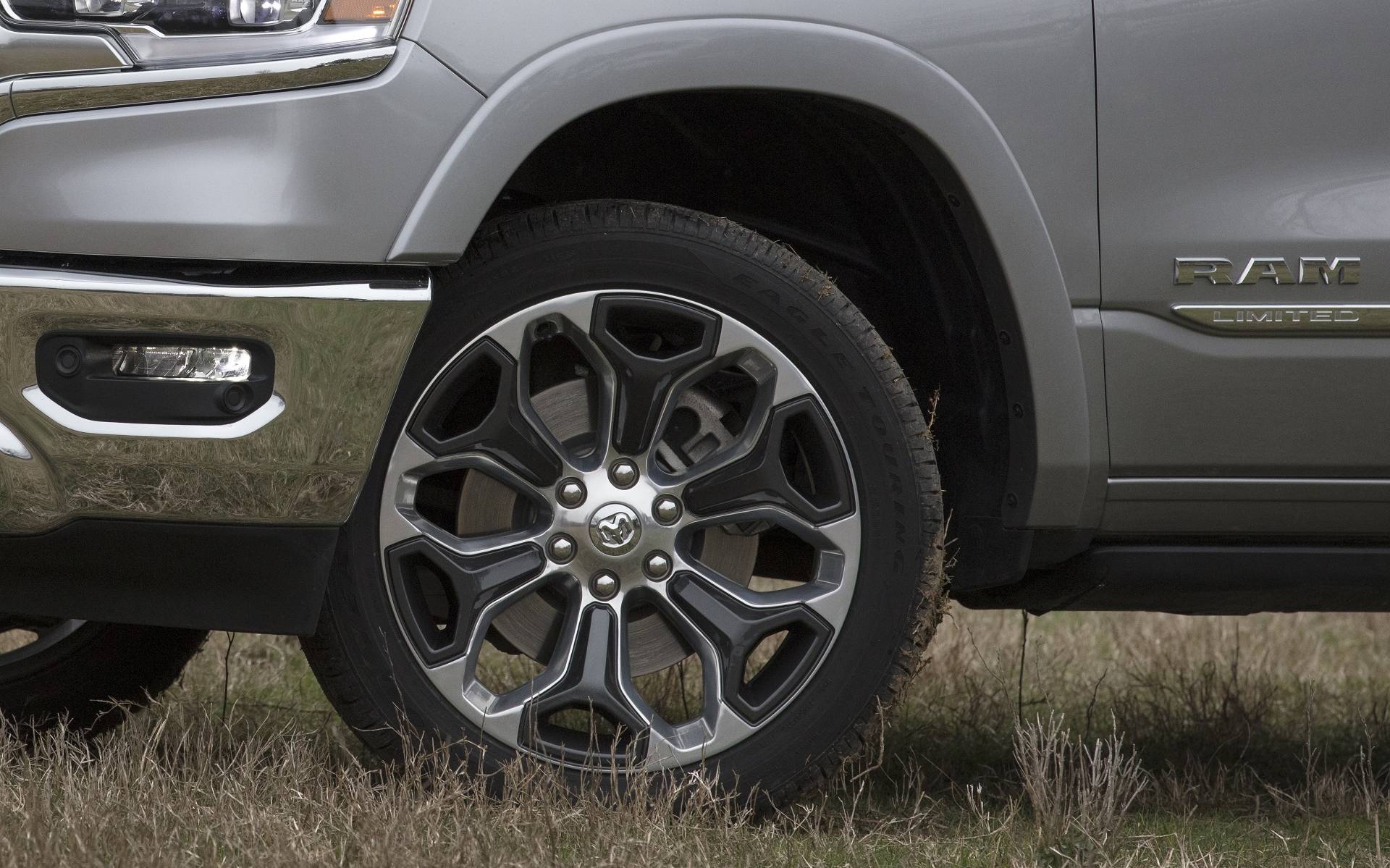
3 vehicles with known suspension problems
With the state of our road network, suspension problems are not uncommon, and garages often have their hands full! It's also true that some vehicle owners neglect maintenance.
That said, not all suspensions are created equal, of course. Design, geometry, parts, and quality can vary enormously depending on the application and need. If you're shopping for a used vehicle right now, here are three models with known suspension problems you should watch out for...
Ram 1500
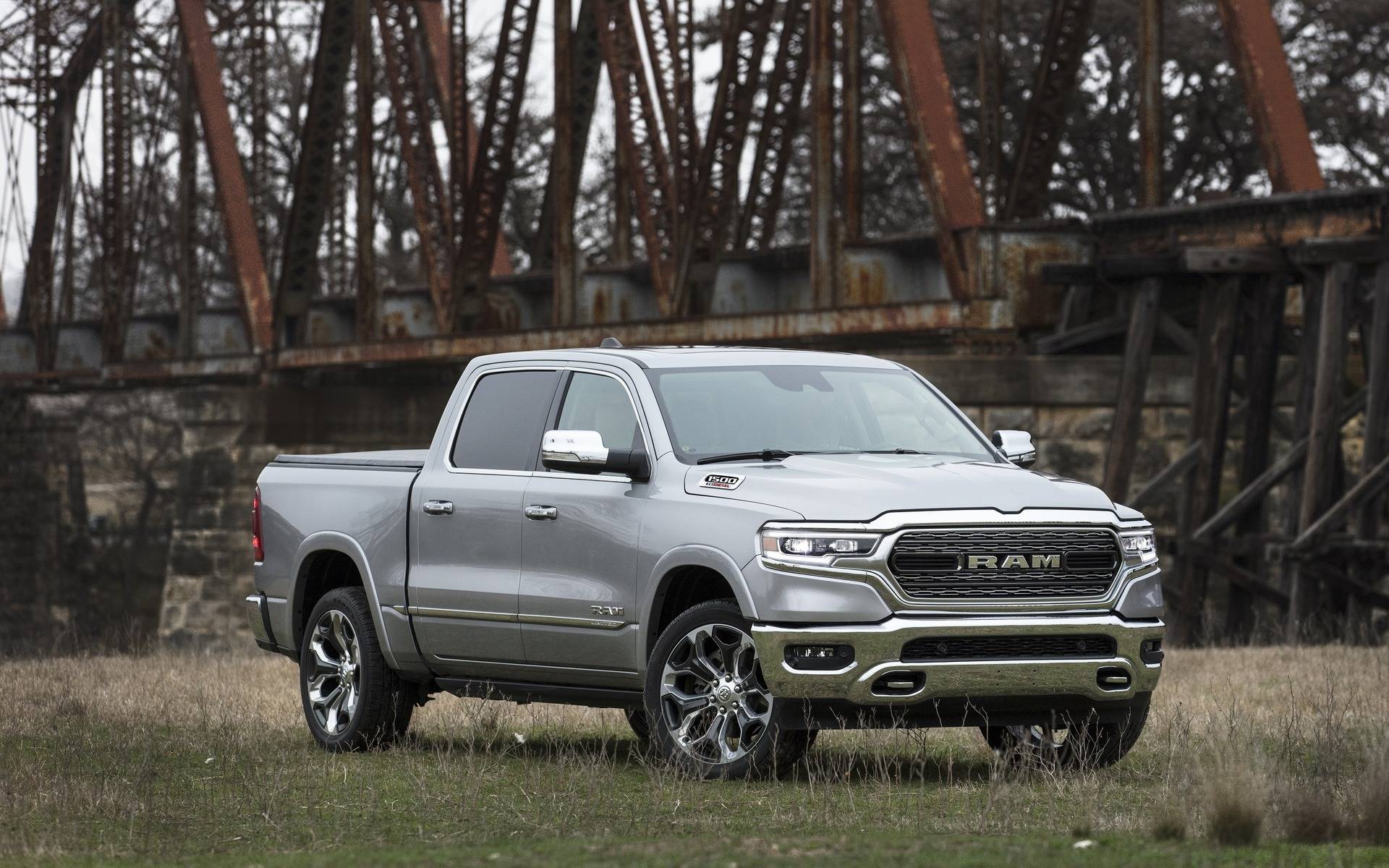
Despite exceptional performance and comfort, the air suspension on some Ram 1500s has caused owners a lot of problems since its introduction. Not only is it often defective, but replacing the shock absorbers costs a veritable fortune, including labor time. It's also worth mentioning that problems are sometimes encountered with the electronic system that uncouples the front stabilizer bar.
Jeep Grand Cherokee
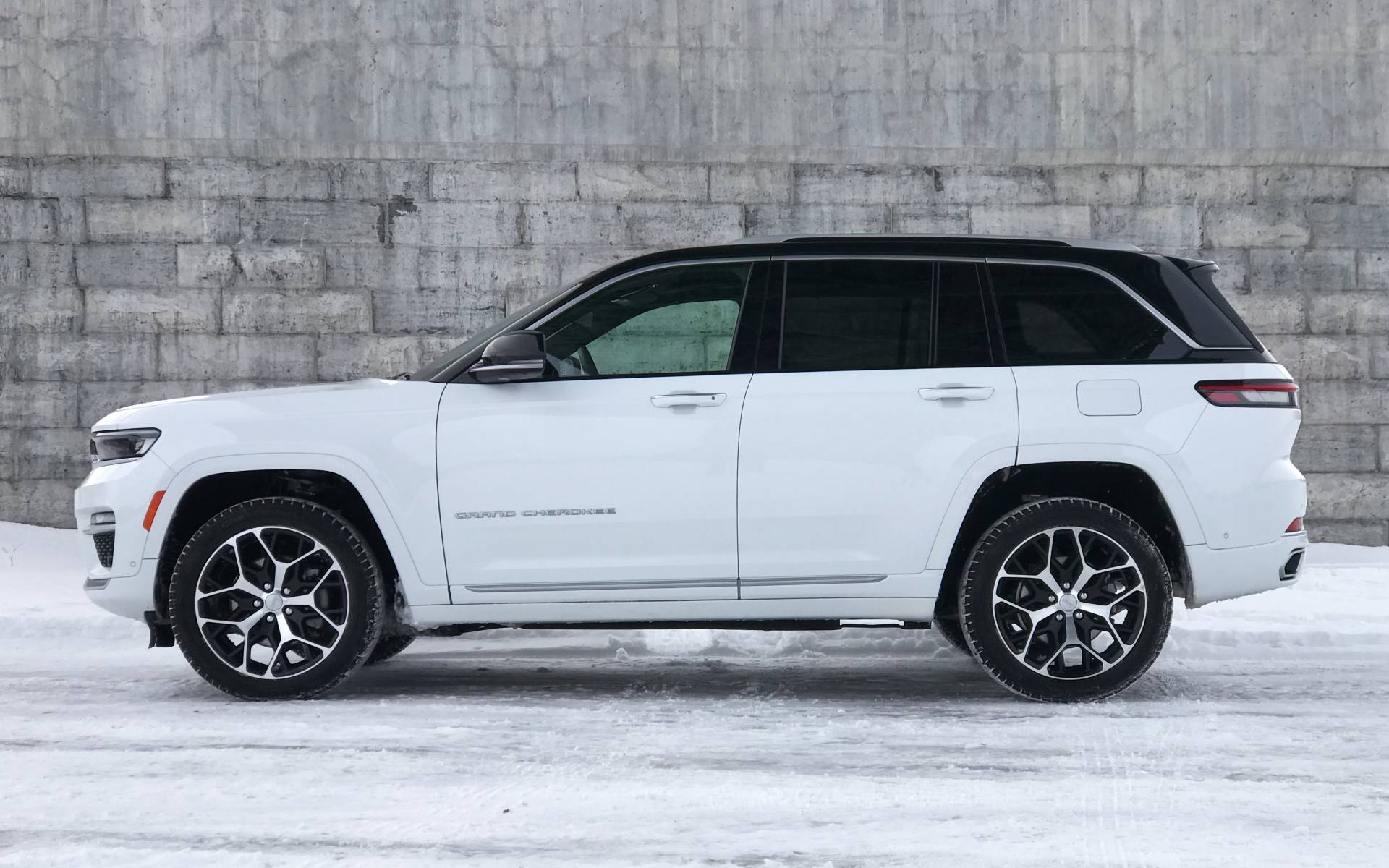
The same air suspension is also found on some Jeep Grand Cherokees, but there's more. Various safety recalls have been issued for this SUV and its suspension components. For example, bolts in the upper suspension armball joints of models 2021 to 2023 may have been damaged during production, causing the suspension arms to separate from the stub axles, and resulting in loss of control. Other models may have improperly installed rear coil springs that could detach while driving.
Ford Explorer
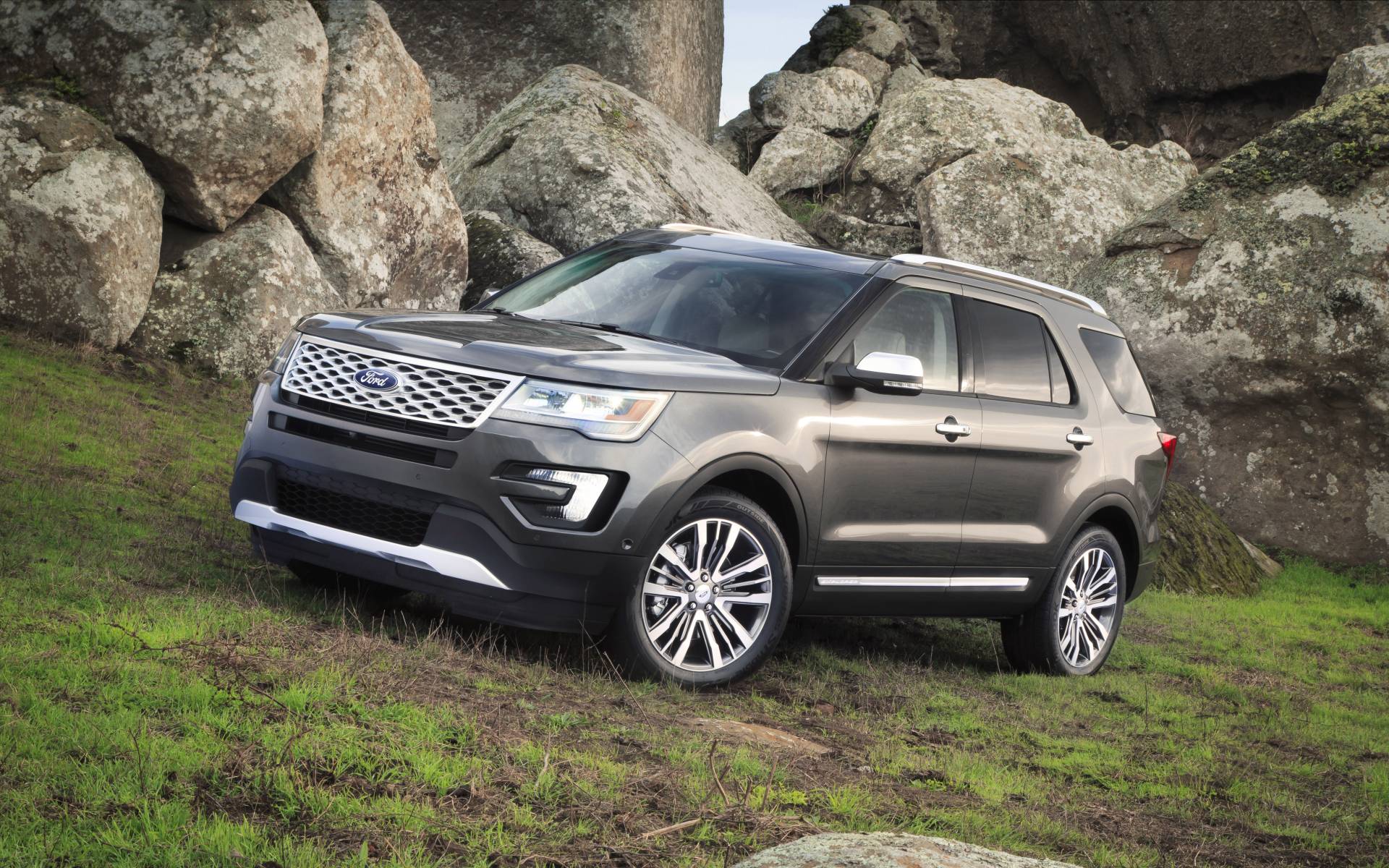
On Ford's side, suspension problems on Explorers from 2013 to 2017 are well documented. Among other things, in regions prone to corrosion (for example, with cold, wet winters and heavy use of de-icing salt), the outer ball joint of the rear suspension arm can jam, breaking the arm. On the other hand, Explorers with rear suspensions that are often fully articulated may experience breakage of one of the suspension arms.
5 signs that your car may have a suspension problem
As the saying goes, prevention is better than cure. So don't wait until it's too late to react, and keep an eye out for the following symptoms:
- Less comfortable ride: If the ride becomes harder and drier and you feel the impact of bumps and potholes more, the suspension may be damaged. An inspection is recommended.
- Knocking or squealing noises: Suspension compression and articulation are affected by wear and misalignment. If you hear suspicious knocking or squeaking noises coming from underneath the car, have it checked by a technician.
- Vehicle pitching: If you notice that your vehicle rolls more than usual when negotiating bends, there's probably a problem with the suspension. The same applies if your vehicle leans to one side or the other when parked on a flat surface.
- Hopping or sagging: When suspension components are in poor condition, you may feel an abnormal hopping effect, or the front of the vehicle may sag. This is because it's harder for the suspension to control weight transfers.
- Loose or imprecise handling: Suspension is closely linked to steering. In the event of breakage or excessive wear, your car may struggle to maintain a straight trajectory, or lack precision when cornering.