

Automatic emergency braking on the way to becoming compulsory
Among the many electronic driving aids available today, automatic emergency braking is one of those with the greatest impact when it comes to reducing collisions and saving lives.
The good news is that the majority of vehicles on the market are equipped with it, even for consumers on a tighter budget. Should automakers be forced to include this technology as standard on all their models? That's what the American authorities think.
A law to this effect will come into force in September 2029 and will apply to all new vehicles weighing less than 4,500 kg (10,000 lb) that are sold in the USA. Low-volume brands will have an additional year to comply.
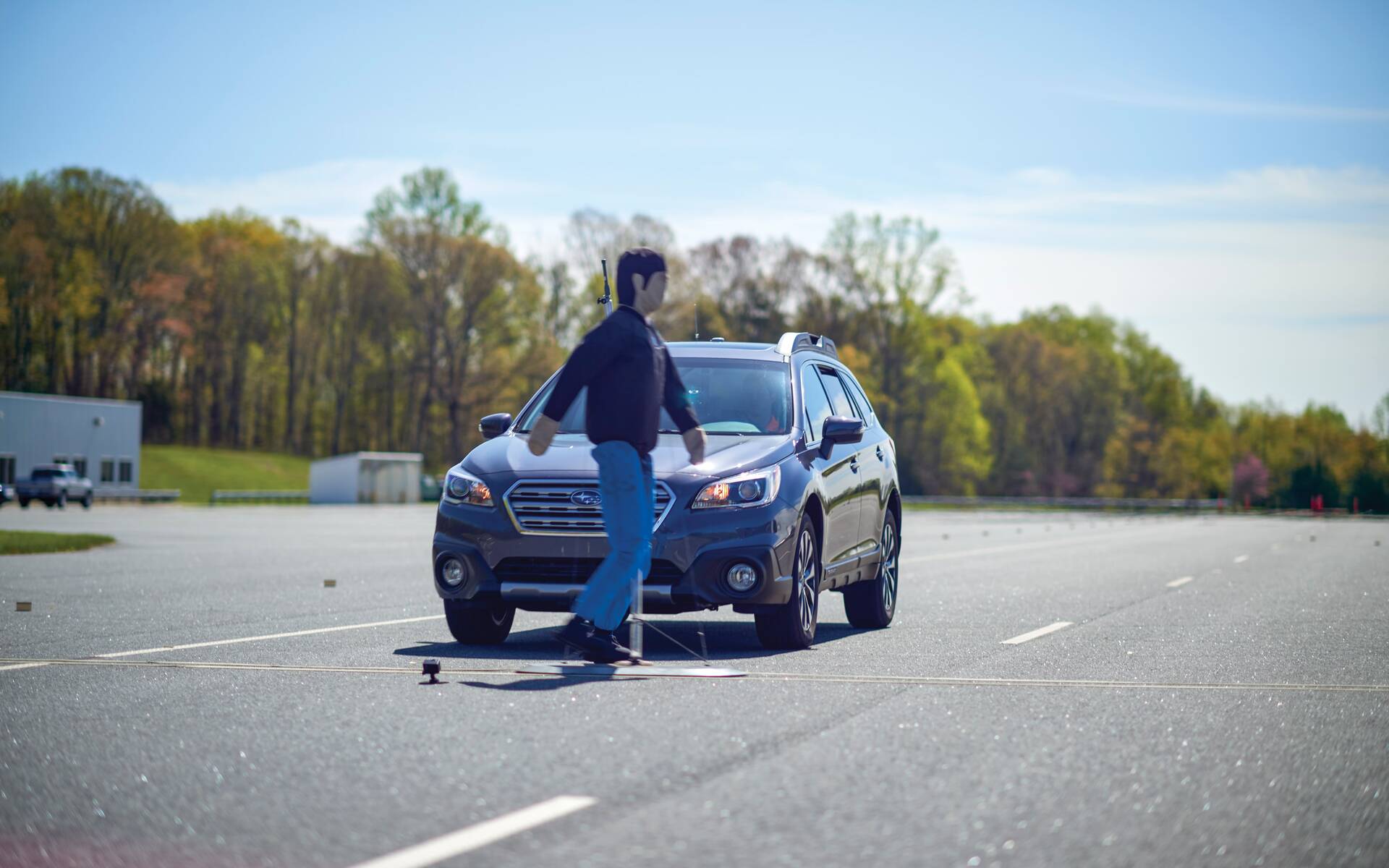
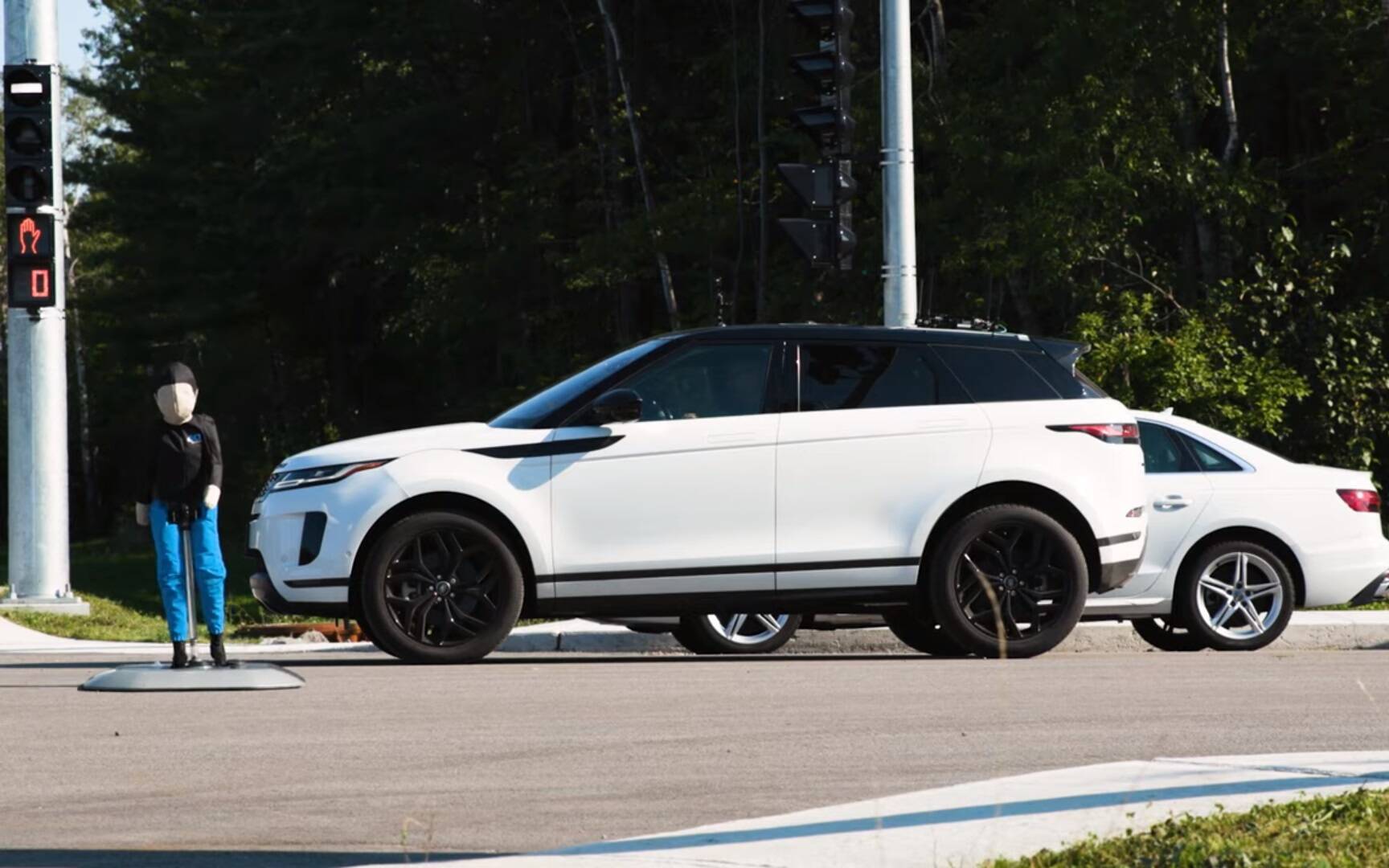
Automatic emergency braking should help avoid a collision with another vehicle even at speeds of up to 100 km/h, day and night. In addition, it should activate automatically at speeds of up to 145 km/h, helping to reduce the severity of an impact on the freeway. Thirdly, the system will have to be able to detect pedestrians and avoid hitting them up to a speed of 72 km/h.
According to the National Highway Traffic Safety Administration (NHSTA), which oversees transportation safety in the U.S., the measure could save the lives of 362 road users (motorists, motorcyclists, cyclists and pedestrians) and prevent 24,000 injuries each year, not to mention vehicle repairs, medical expenses and insurance costs.
Canada could follow in its neighbour's footsteps, but in the meantime, one thing is certain: automakers will have to continue working on the technology, which is far from perfect. A 2022 study by the Insurance Institute for Highway Safety (IIHS) in the USA demonstrated the significantly reduced effectiveness of automatic emergency braking in the dark. Another study in 2023 did the same when it came to avoiding a collision with a motorcycle or heavy truck. According to the National Highway Traffic Safety Administration (NHSTA), which oversees transportation safety in the U.S., the measure could save the lives of 362 road users (motorists, motorcyclists, cyclists and pedestrians) and prevent 24,000 injuries each year, not to mention vehicle repairs, medical expenses and insurance costs.
In 2023, NHTSA also conducted its own tests with 17 vehicles equipped with automatic emergency braking, including the BMW iX, Ford F-150 Lightning and Hyundai IONIQ 5. However, only the Toyota Corolla (!) met the agency's requirements.
In light of recent figures showing a 67% increase in deaths on Quebec roads caused by inattentive driving in the last two years alone, and penalties for offenders that vary widely from province to province, making automatic emergency braking mandatory seems like a good idea. And that's even if some drivers tend to put too much faith in technology and fail to be sufficiently vigilant.