


60 years of Nissan in Canada, that's worth celebrating!
This year, Nissan Canada is celebrating its 60th anniversary in the country. The Japanese manufacturer established itself in 1965 in Burnaby, British Columbia, at a time when other Japanese divisions were trying their luck in Canada.
It is true that for the past few months, the manufacturer has been trying to recover, while a merger with Honda has become a possibility. However, let's forget for a moment the troubles of the Japanese giant and focus on the last 60 years of the brand in Canadian soil with some of its most iconic models.
Datsun 510
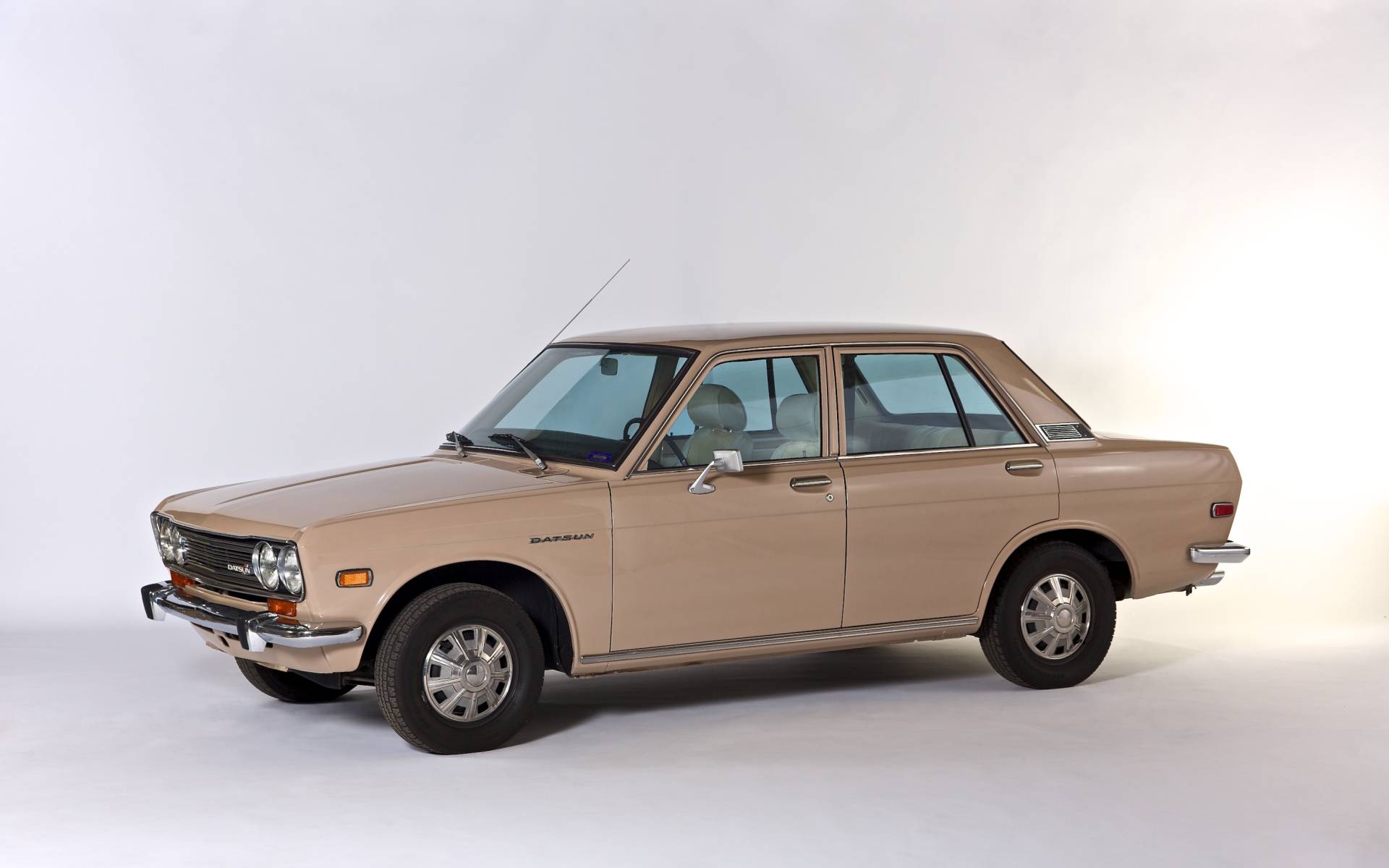
In the mid-1960s, the North American continent was still largely dominated by American cars, but Nissan – or rather Datsun, as the Nissan name would gradually be introduced in the early 1980s – sought to demonstrate that it was possible to combine fuel efficiency and driving enjoyment. Often compared to the BMW 2002, the Datsun 510 was available in three body styles (coupe, sedan, and wagon) and even encouraged some enthusiasts to get involved in motorsports.
Datsun 610
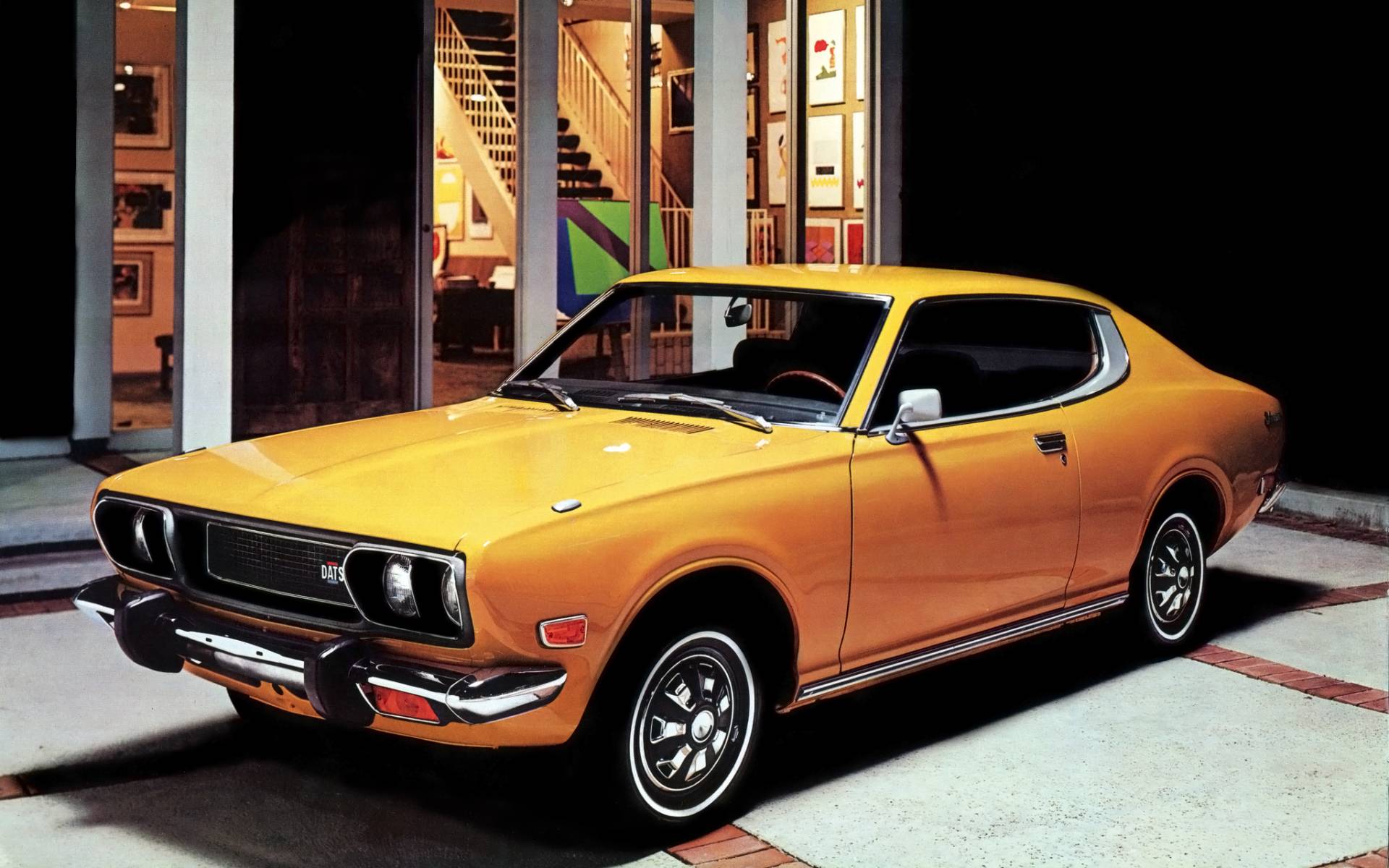
Introduced in 1972, the 610 series abandoned the sleek design of the 510 for a more assertive style, but the spirit remained the same. However, it was said that the 610 was more comfortable than its predecessor.
Datsun 240Z
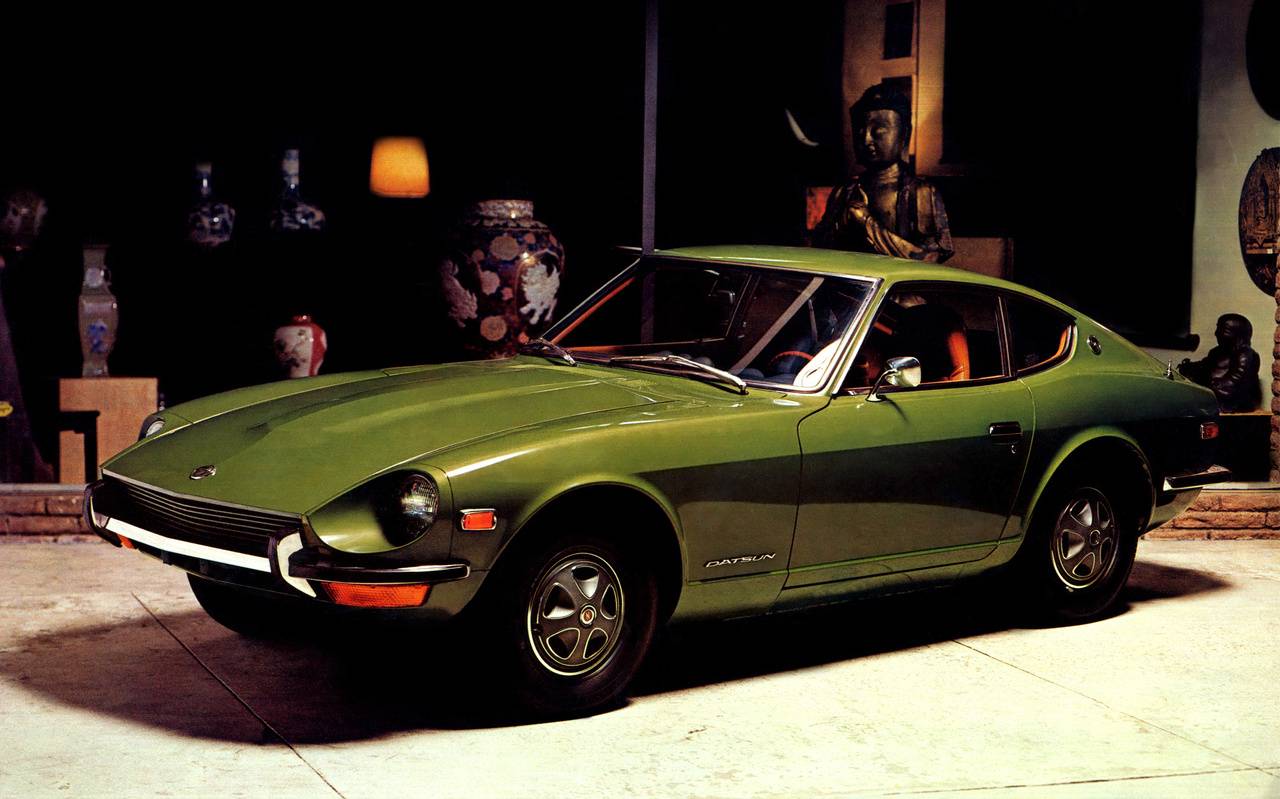
It is impossible to ignore one of the most iconic cars in the brand's history. The Datsun 240Z not only captured the attention of the local public with its highly successful design, but also demonstrated that it wasn't necessary to turn to exceptional cars to have fun behind the wheel. At the time, the coupe with the very long hood was powered by a 6-cylinder inline engine.
Nissan 300ZX
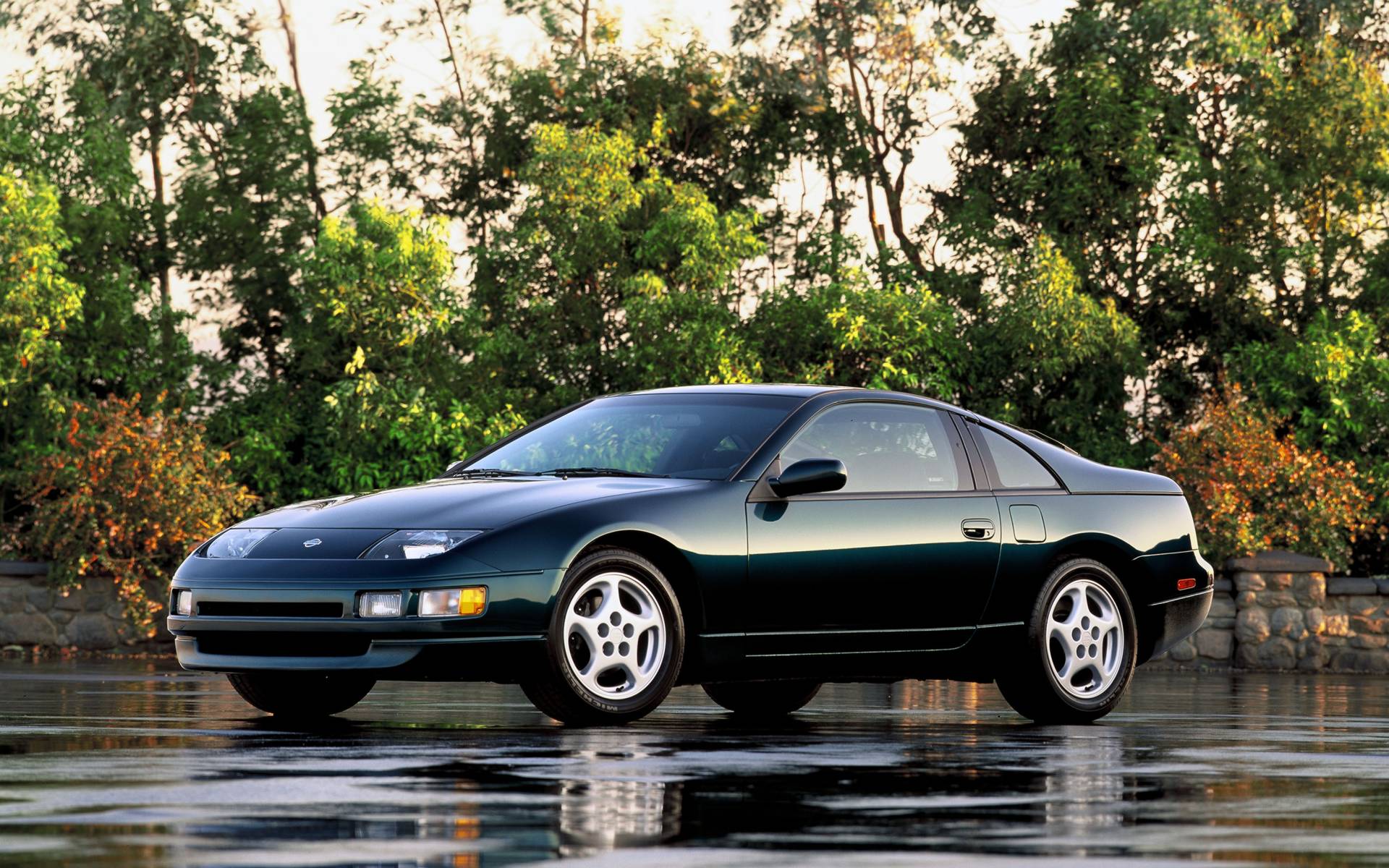
The success achieved by the first Z would force the hand of senior management: the 240Z would continue for several more years. Over the years, however, the model would become heavier and lose some of the agility that suited it so well in its early days. When Nissan introduced the 300ZX for the 1990 model year, the public's reaction was very positive. Under the hood, the new V6 engine – Nissan had swapped the inline 6-cylinder in 1984 with the introduction of the 280ZX for a more powerful atmospheric V6 engine – delivered 222 horsepower. The 300ZX would also receive help from engineers with a twin-turbo version of the same V6, reaching 300 horsepower.
Nissan 350Z
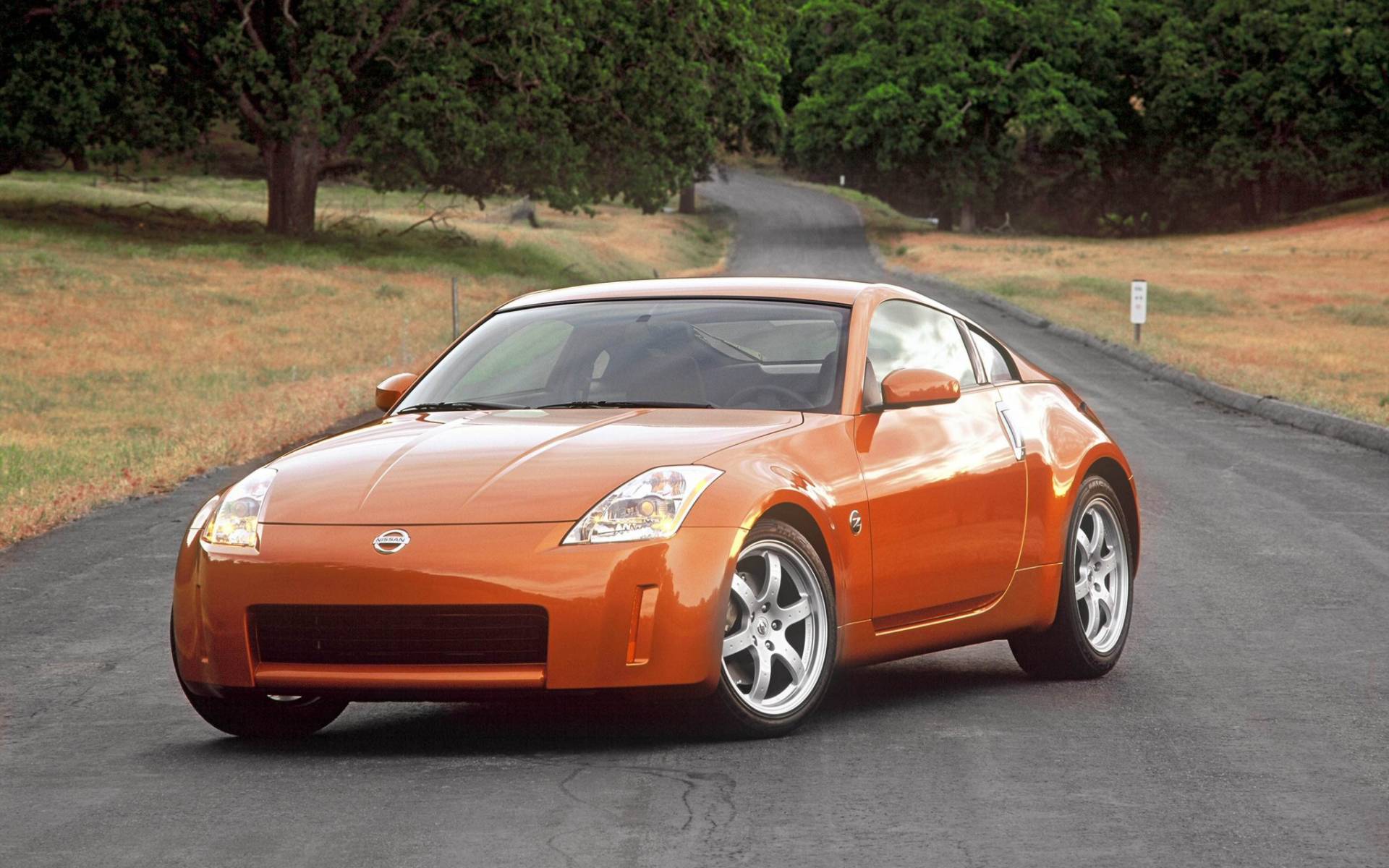
The Z will, however, be removed from the lineup (after the 300ZX cycle) for a few years. But in the early 2000s, Nissan, then in full swing, returned in 2003 with the new 350Z, reigniting the interest of enthusiasts. The manufacturer was about to reclaim its title as the sports car with the best price/performance ratio on the market. Under the hood, a flashy 3.5-liter atmospheric V6 engine could be paired with a 6-speed manual transmission (the choice of purists) or a 5-speed automatic.
Nissan Maxima
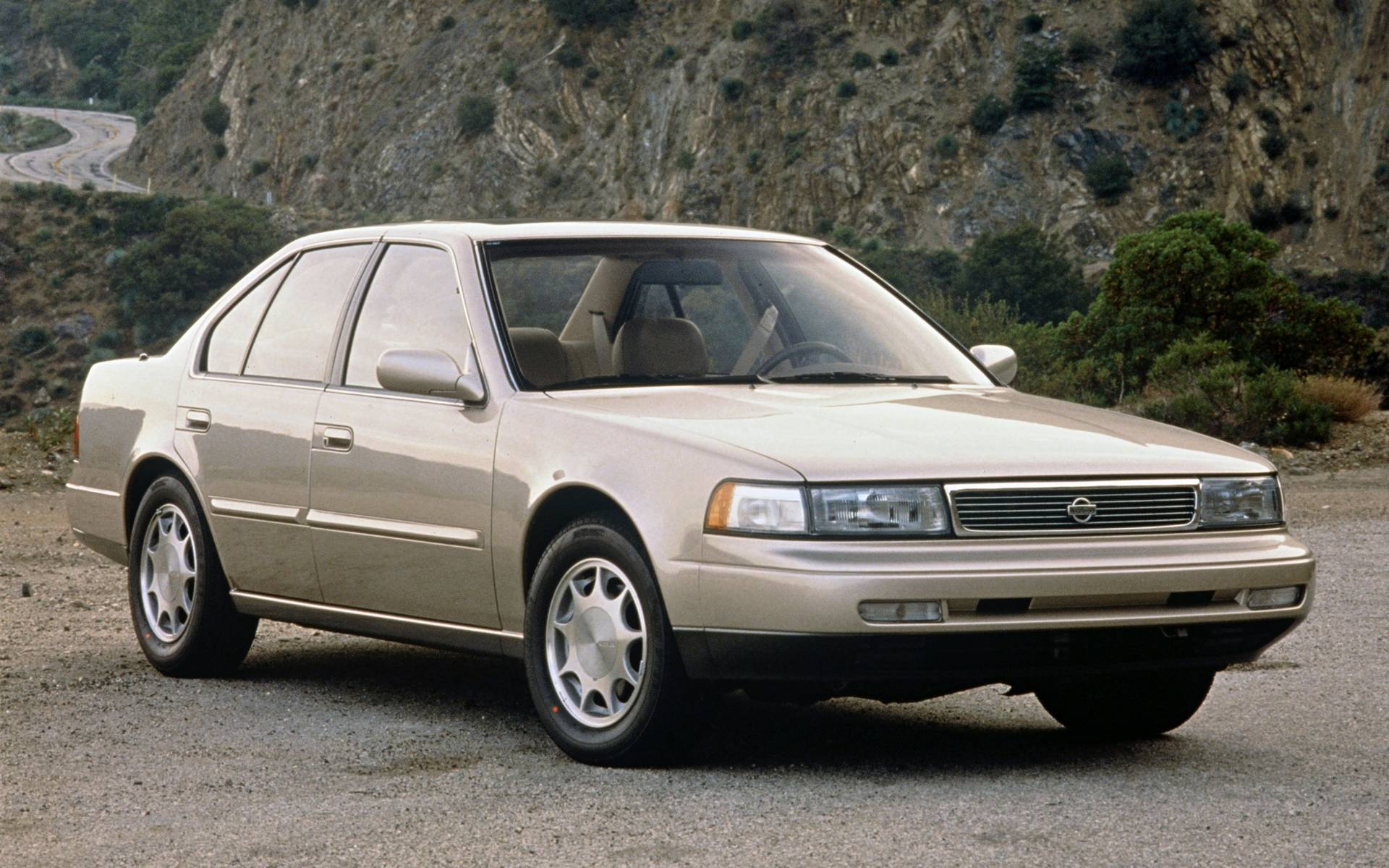
In addition to the popular sedan segment, Nissan would also focus on the higher categories. In the early 1980s, the first-generation Datsun 810 was set to be replaced by this car with a sharper design, a style that was very common at that point in history. The 810 Maxima, which would eventually be renamed Maxima, was still marketed in a rear-wheel-drive configuration with a 6-cylinder inline engine. However, starting in 1985, the Maxima would switch to a front-wheel-drive architecture with a V6 engine under the hood. It was in 1988, though, that the Maxima would establish itself as one of the top mid-size sedans on the market, with greatly improved driving pleasure.
Nissan Sentra
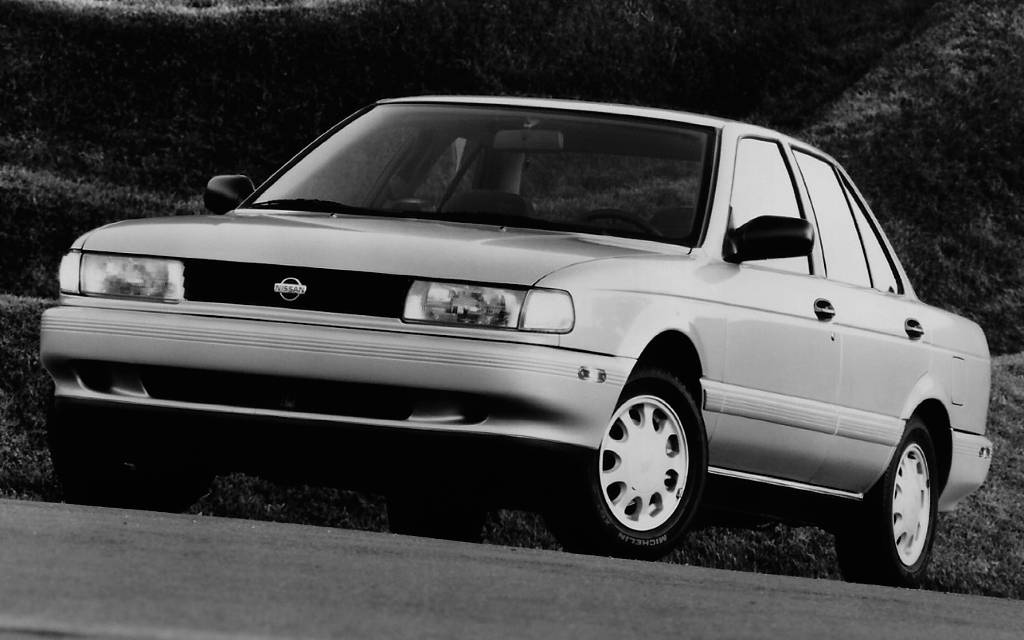
In the compact category, Nissan will take on the Honda Civic and Toyota Corolla with its Sentra, a reliable and honest sedan that has primarily focused on the comfort of its occupants. For those seeking thrills, apart from a few sportier versions over the years, one had to look elsewhere. However, this does not mean that the Sentra was a car to ignore. In fact, the latest version of the model lives up to its legacy with reasonable fuel consumption, notable comfort, and even a more engaging driving experience. On that note, the Sentra even has its own racing series in Canada: the Nissan Sentra Cup. This also explains why the sedan is still available with a manual transmission.
Nissan Altima
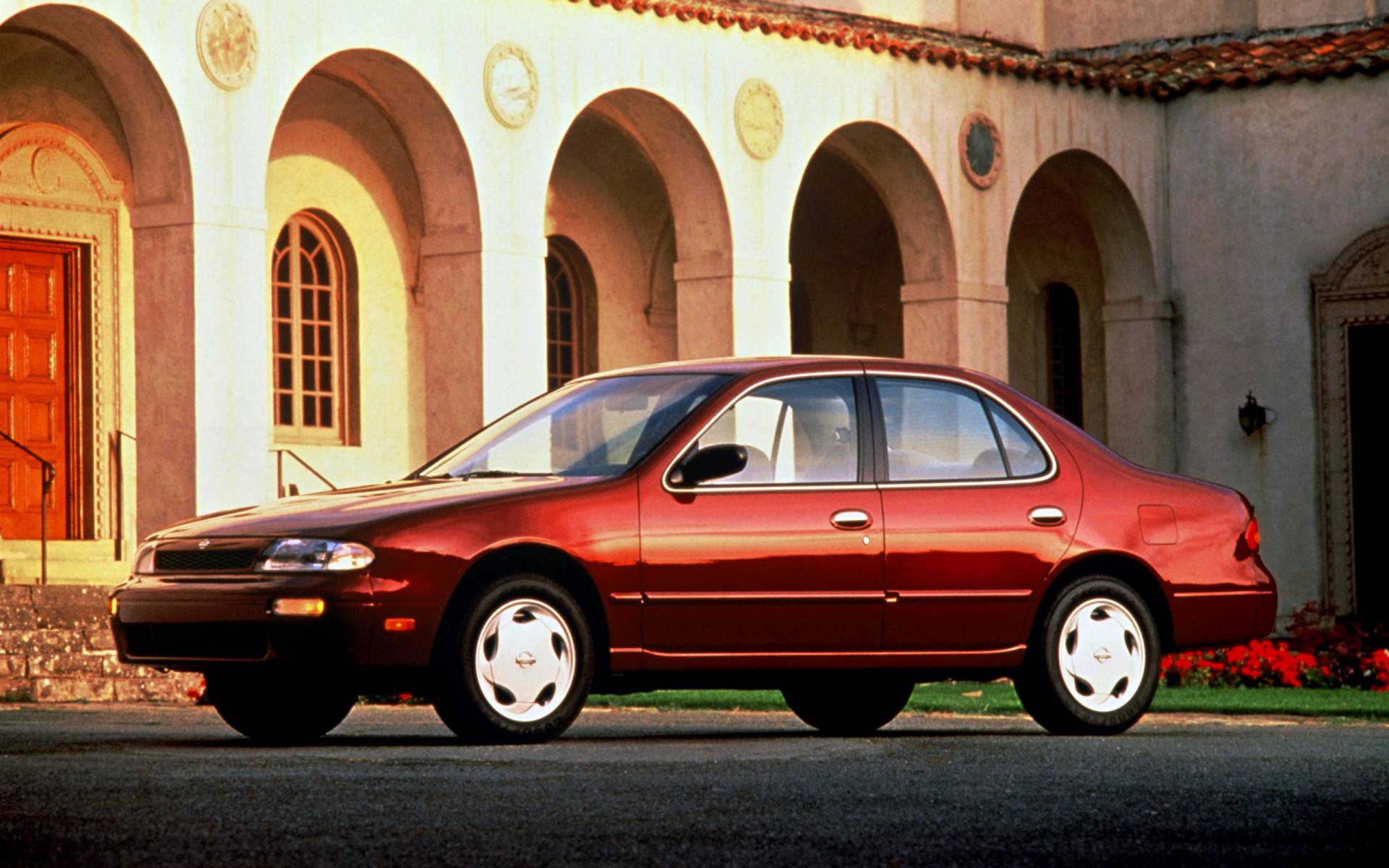
The first Altima made its debut in the country in 1992. Its curved design set it apart from its rivals on the road. Assembled in Smyrna, Tennessee, the first Altima was equipped with a 150-horsepower naturally aspirated 4-cylinder engine, which could be paired with a 5-speed manual transmission or a 4-speed automatic transmission. Over the years, the Altima grew, even competing with the higher-priced Maxima. A V6 engine was eventually offered, but since the introduction of the most recent generation in 2019, the Altima has returned to a single engine option in Canada: the 2.5-liter naturally aspirated engine paired with a CVT and all-wheel drive.
Nissan Pathfinder
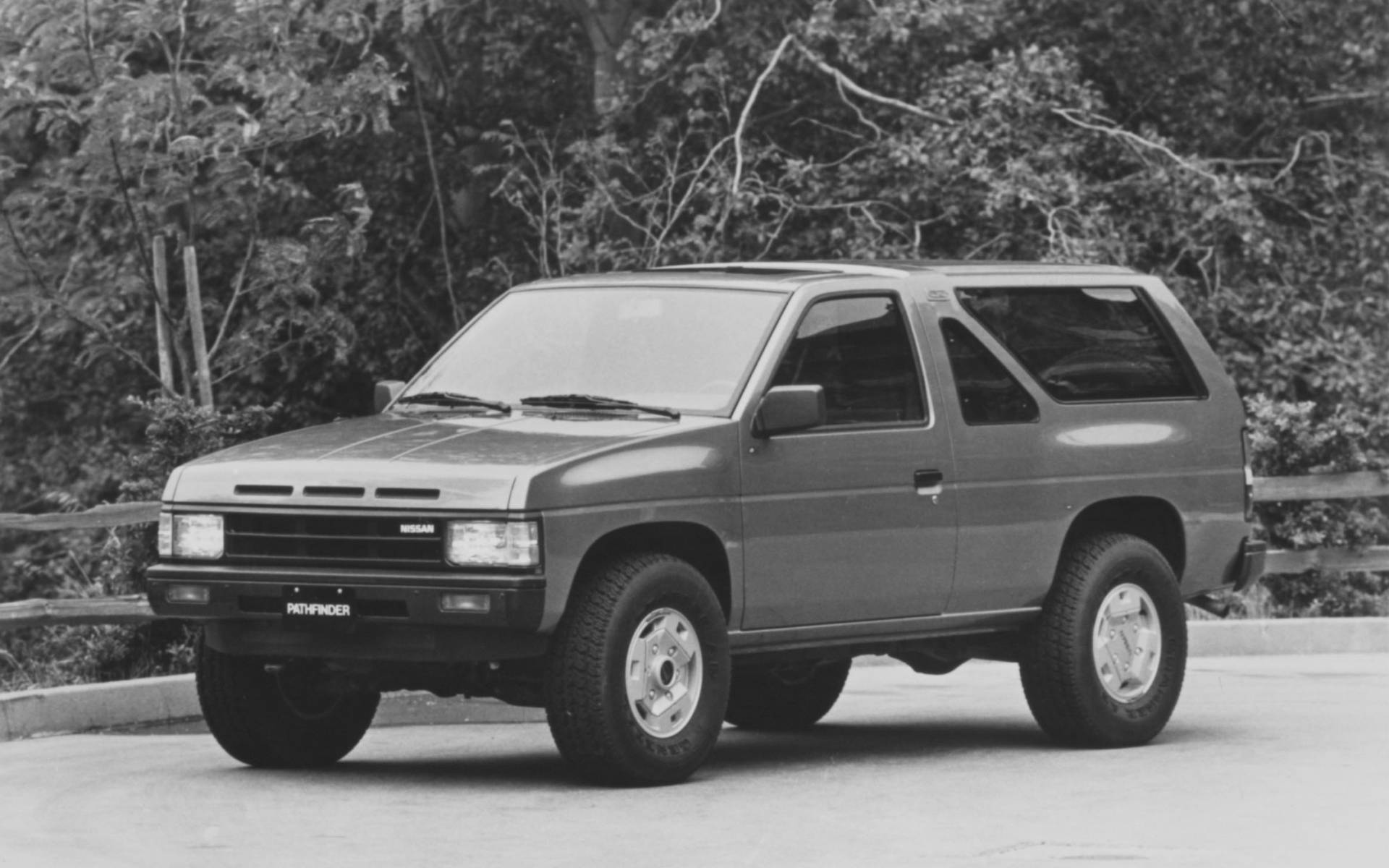
The very first Pathfinder, introduced in 1986, was nothing more than a direct response to the Toyota 4Runner, which was launched in 1984. The dimensions were similar, as was the two-door body style. Based on a ladder frame chassis, the Pathfinder remained a true and rugged 4x4, and the model could be equipped with either a 4-cylinder engine or an optional V6. Like all other 4x4s of its time, the Pathfinder would grow through the generations, so much so that it now belongs to the category of mid-size SUVs with three rows of seats.
Nissan Xterra
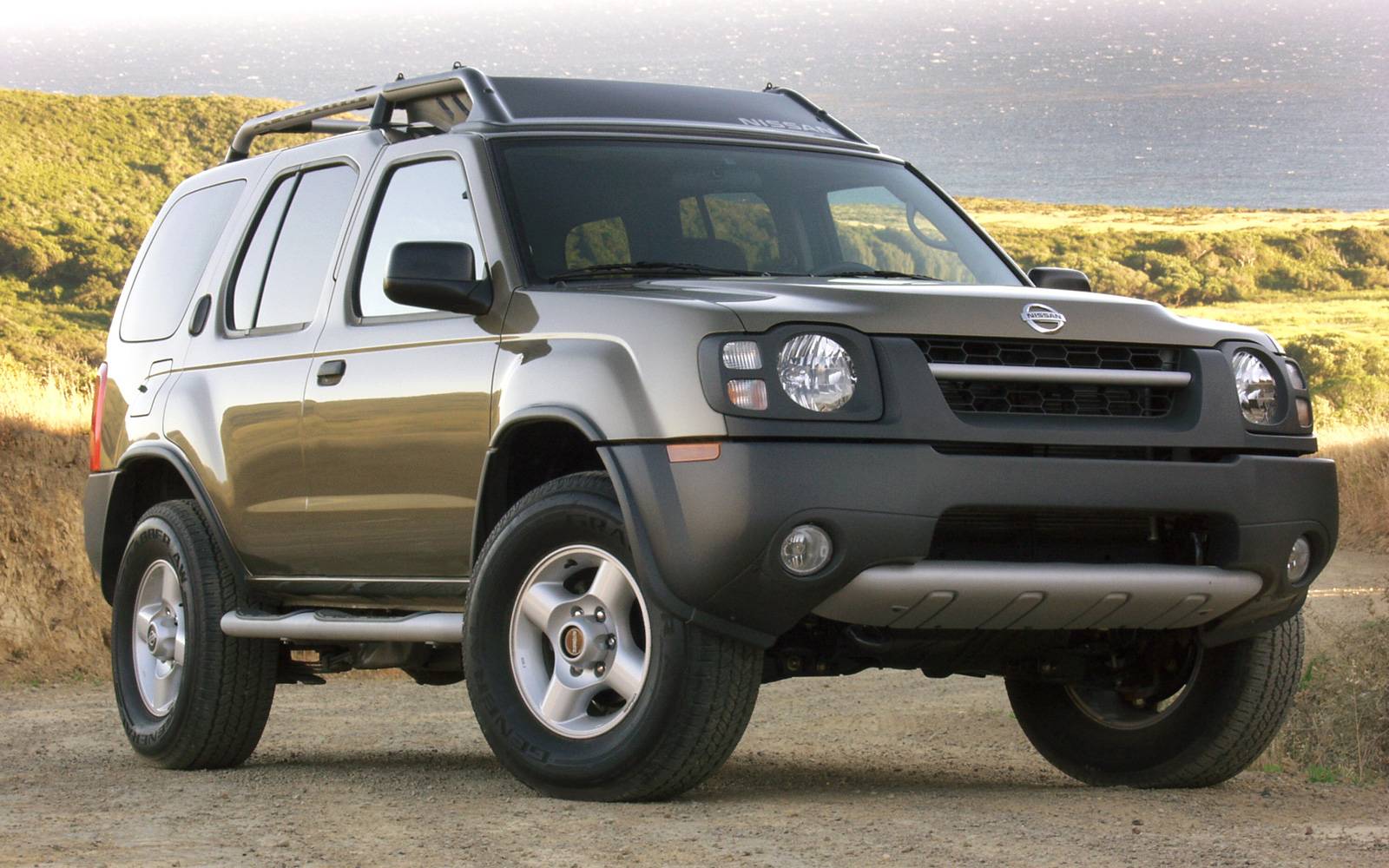
Still within the group of vehicles intended for off-road driving, the Xterra, launched in 2000, brought back enthusiasts from the first generation of the Pathfinder to the brand. Like its predecessor, the 4x4 was based on the chassis of the Frontier pickup truck, which brought it closer to the driving experience of Nissan's first North American SUV.
Nissan Costaud (Hardbody)
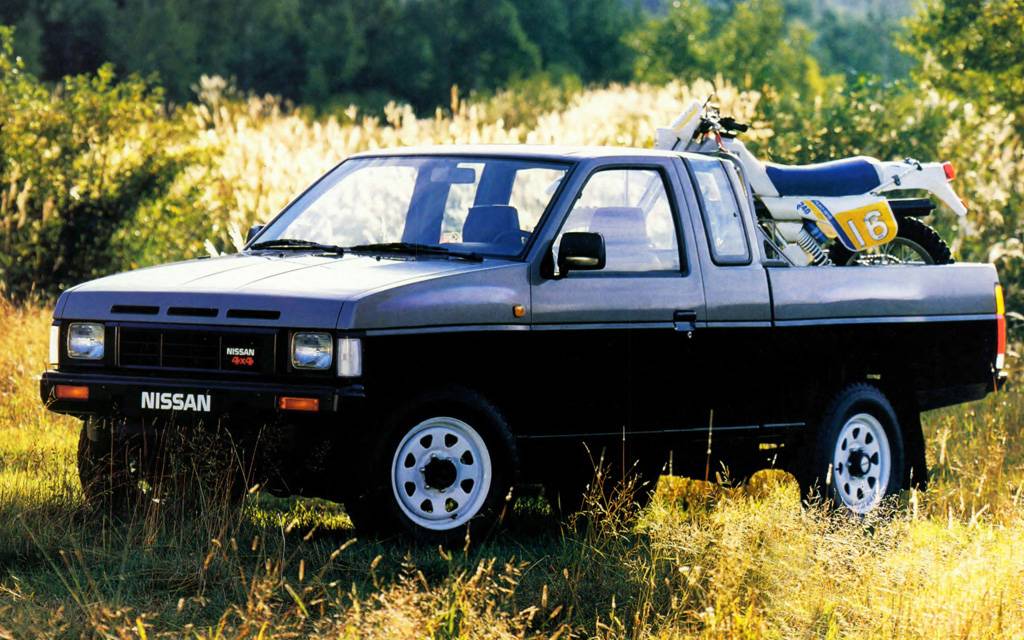
Before the Nissan Frontier, the Japanese automaker relied on the Hardbody. With its strong build and rugged truck-like behavior, the Nissan model remains one of the favorites among fans of compact/intermediate pickups. It would also serve as the precursor to the Frontier, the model that is still part of the Canadian lineup today.
Nissan 240SX
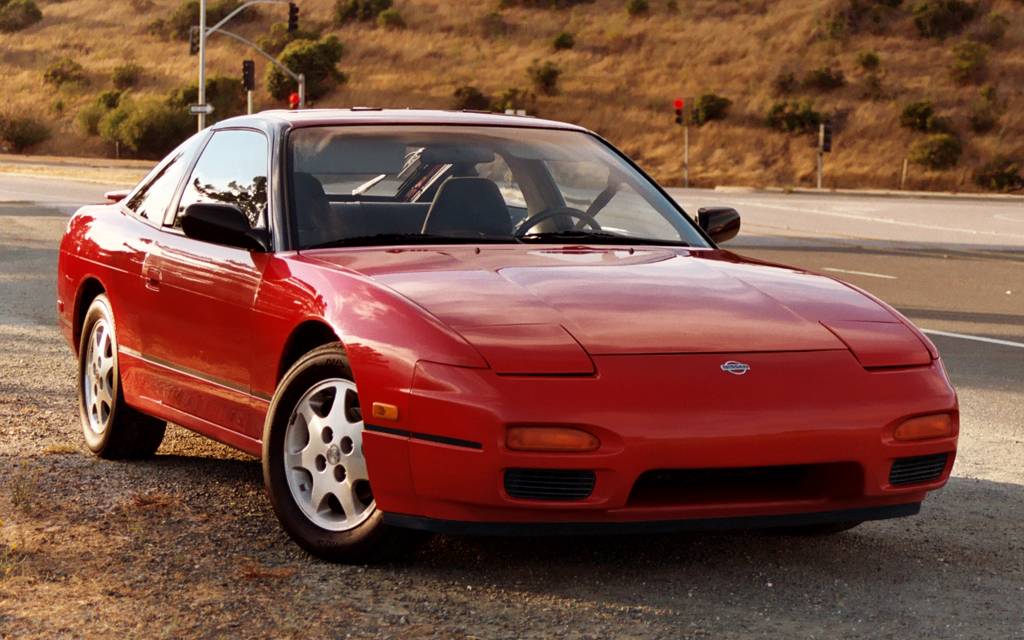
The sports car played a significant role in Nissan's Canadian history, particularly with models like the 510 series and the timeless 240Z. However, to attract a younger audience, the manufacturer turned to the 240SX coupe (code name S13), which combined a naturally aspirated 4-cylinder engine with a 5-speed manual gearbox and rear-wheel drive. In fact, it is no coincidence that this generation of the model quickly became a favorite among drift drivers, thanks to an abundance of affordable parts and the clear potential of this platform. The manufacturer had previously marketed the 200SX coupes, but the 240SX really took the model to the next level.
Nissan GT-R
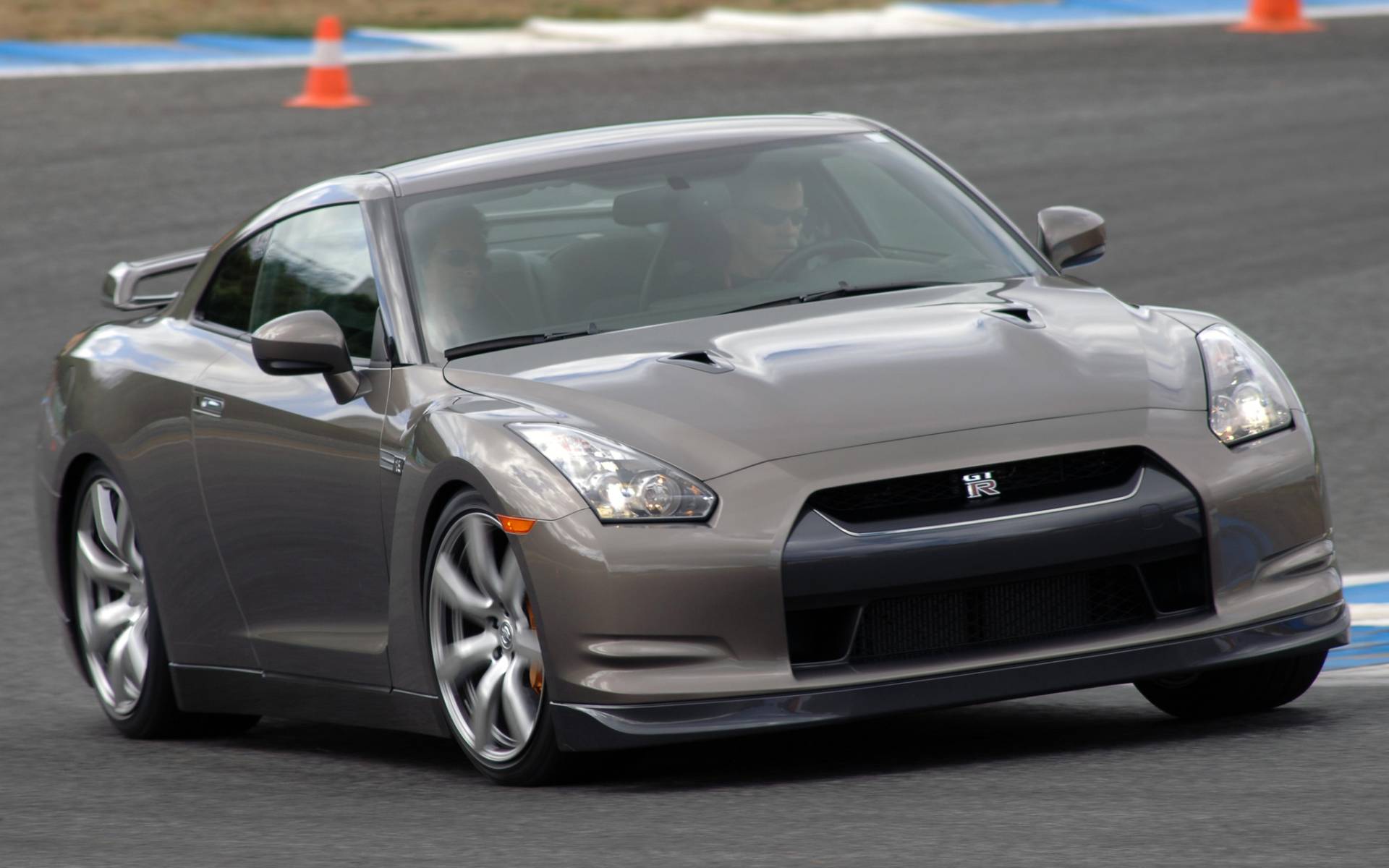
Unfortunately for North American adrenaline enthusiasts, the most high-performance model in the brand's history, the Nissan Skyline GT-R, remained beyond our borders for a long time. However, in 2009, the super Nissan finally crossed the Pacific Ocean. Unlike previous generations, the 6-cylinder inline turbocharged engine was replaced by a 3.8-liter twin-turbo V6 engine. All-wheel drive was still part of the formula, but the only transmission available was a dual-clutch gearbox, confirming the GT-R's status as a supercar. When it debuted in North America, its affordable price made it irresistible compared to much more expensive sports cars. But over the years, inflation took a toll on the flagship model, causing its prices to rise sharply.
Nissan Rogue
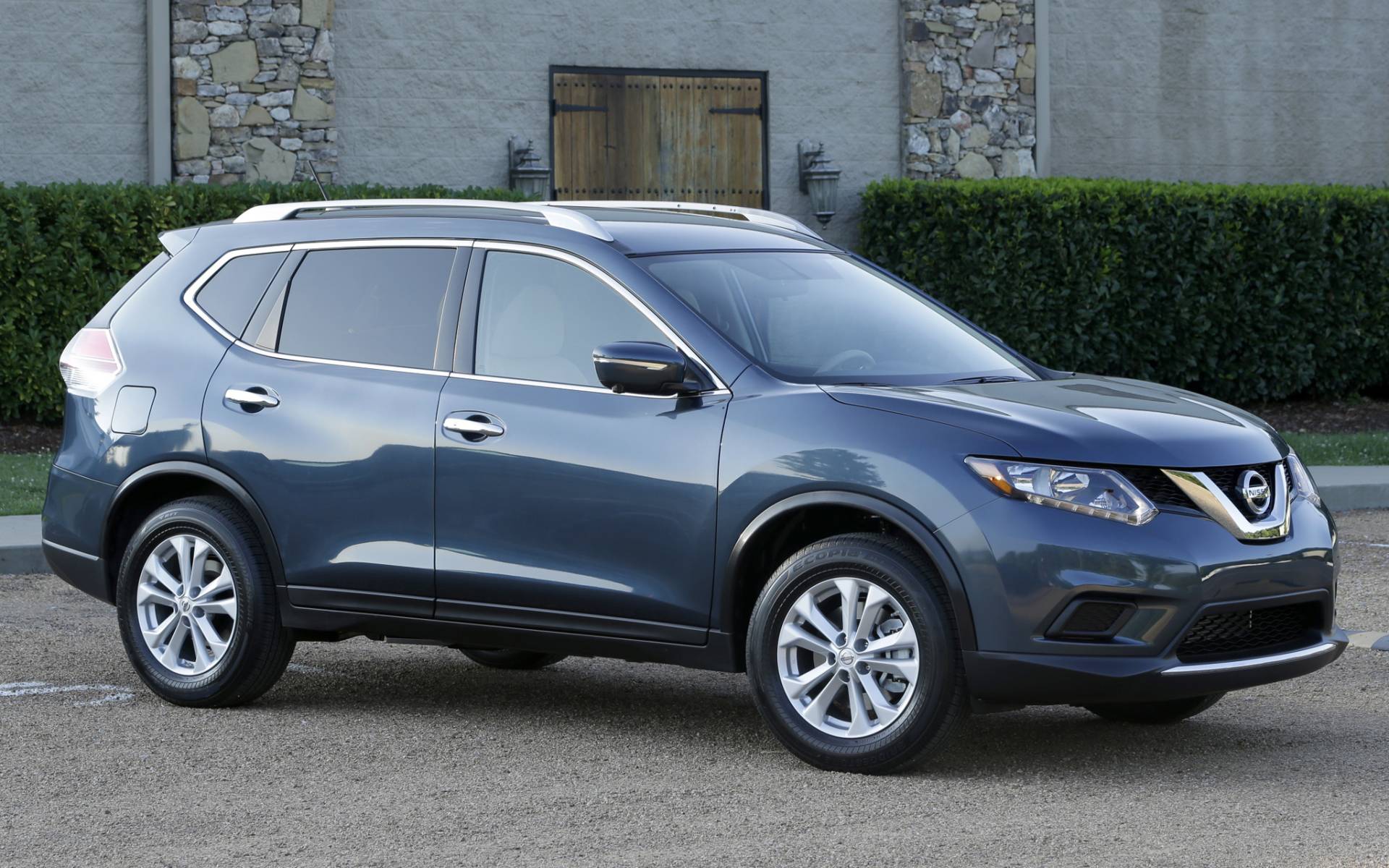
With the growing popularity of compact SUVs in the 2000s and 2010s, Nissan was forced to quickly bring a vehicle to market. However, the first attempt, the X-Trail, did not achieve the expected success. The very first Rogue was more inspired by the mid-size model, the Murano, and it can be said that it was really from the second generation of the SUV that sales started to take off.
Nissan Murano
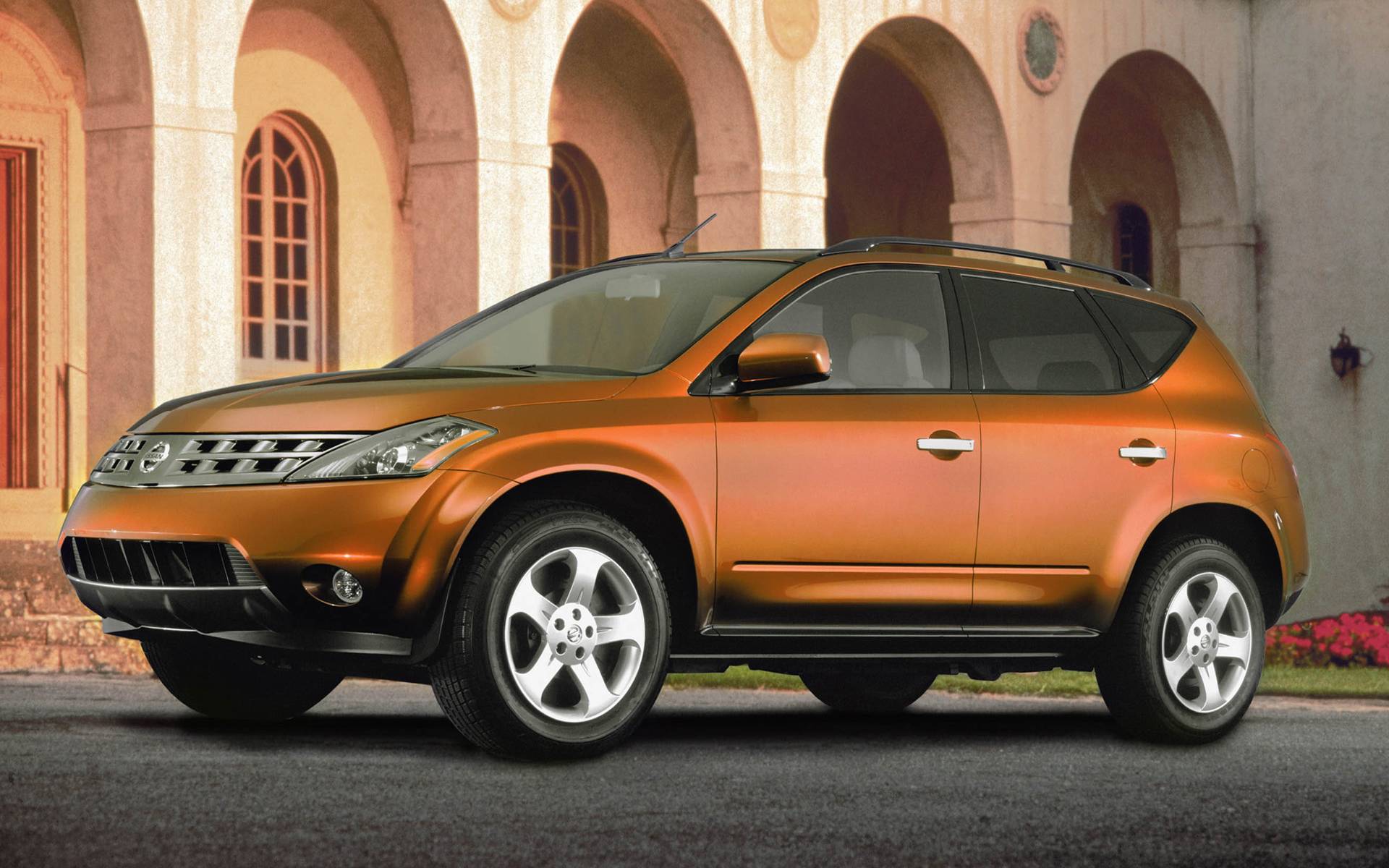
Launched in 2005, the highly successful design multi-segment became one of the best comfortable options for long trips. Equipped with a 3.5-liter V6 engine, the same one used in several other vehicles of the brand, the Murano was also distinguished by the presence of a CVT transmission. This formula remained unchanged until 2024. This year, the new Murano replaces its V6 with a turbocharged 4-cylinder engine and a 9-speed automatic transmission.
Nissan Micra
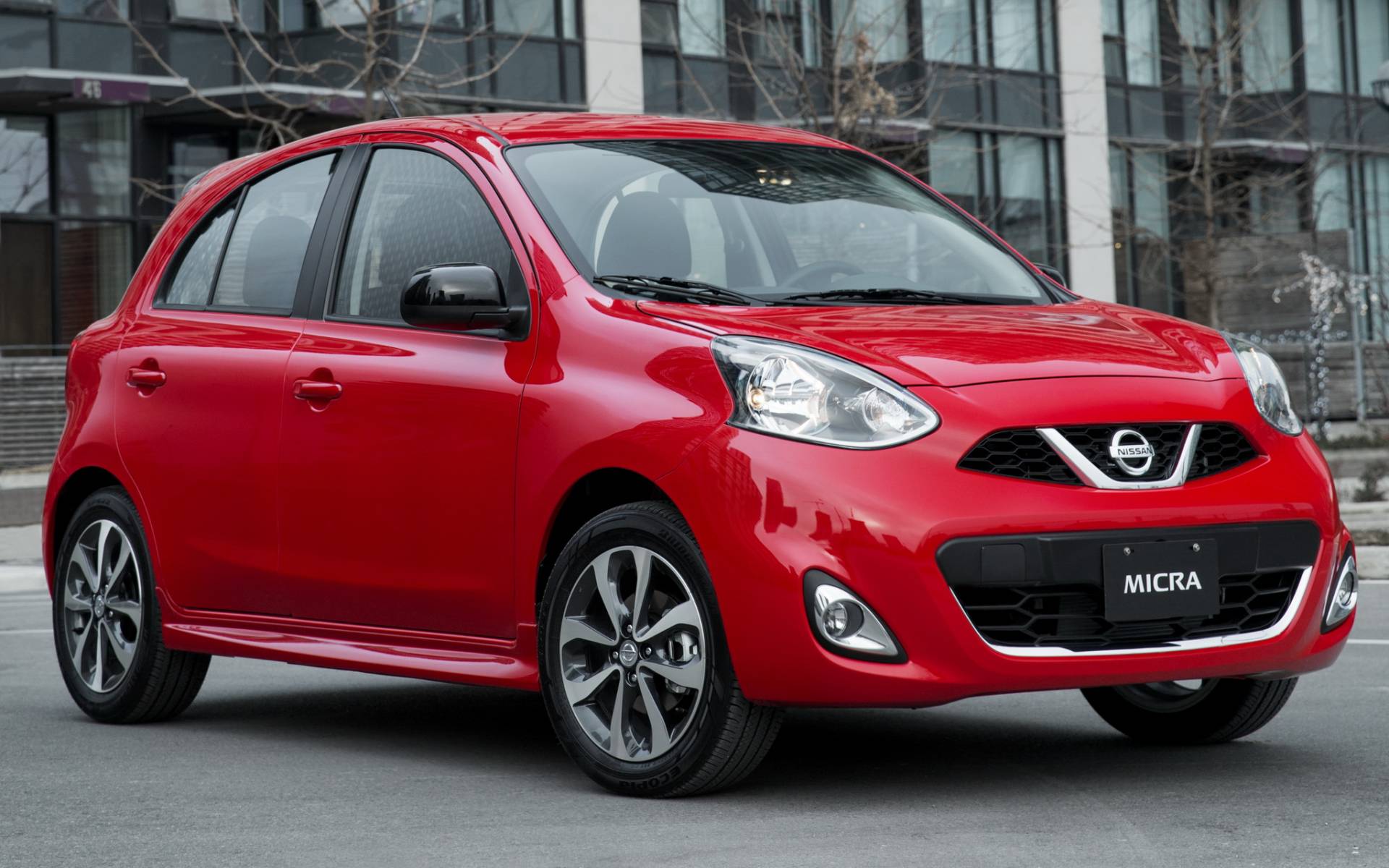
The small Micra was marketed in the country in the early 1980s, but the idea was quickly abandoned. However, in 2015, Nissan Canada ignored the disinterest of the American division by directly importing the subcompact car assembled in Mexico to make it an affordable entry-level option. Quebecers particularly appreciated this friendly, reliable model that was inexpensive to maintain. In fact, to make it more popular, Nissan Canada even turned it into a racing series: the Nissan Micra Cup.
Nissan Versa
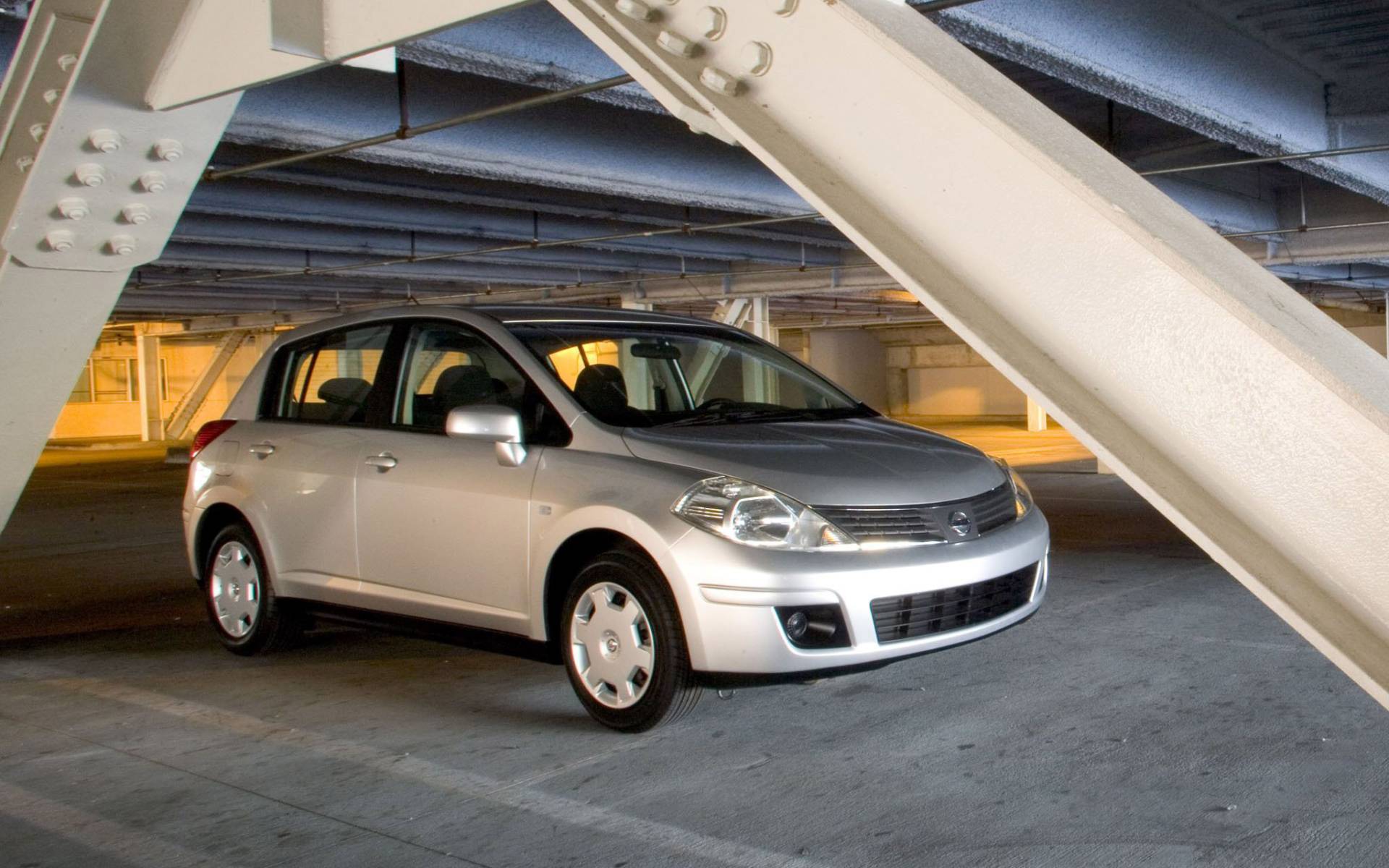
The trend of subcompact cars in the late 90s and early 2000s repopulated the Canadian automotive landscape with affordable small cars. Nissan did not ignore the movement by introducing the Versa, a subcompact with impressive dimensions for its category. The Versa, against all odds, is still being sold in Canada in 2025.
Nissan LEAF
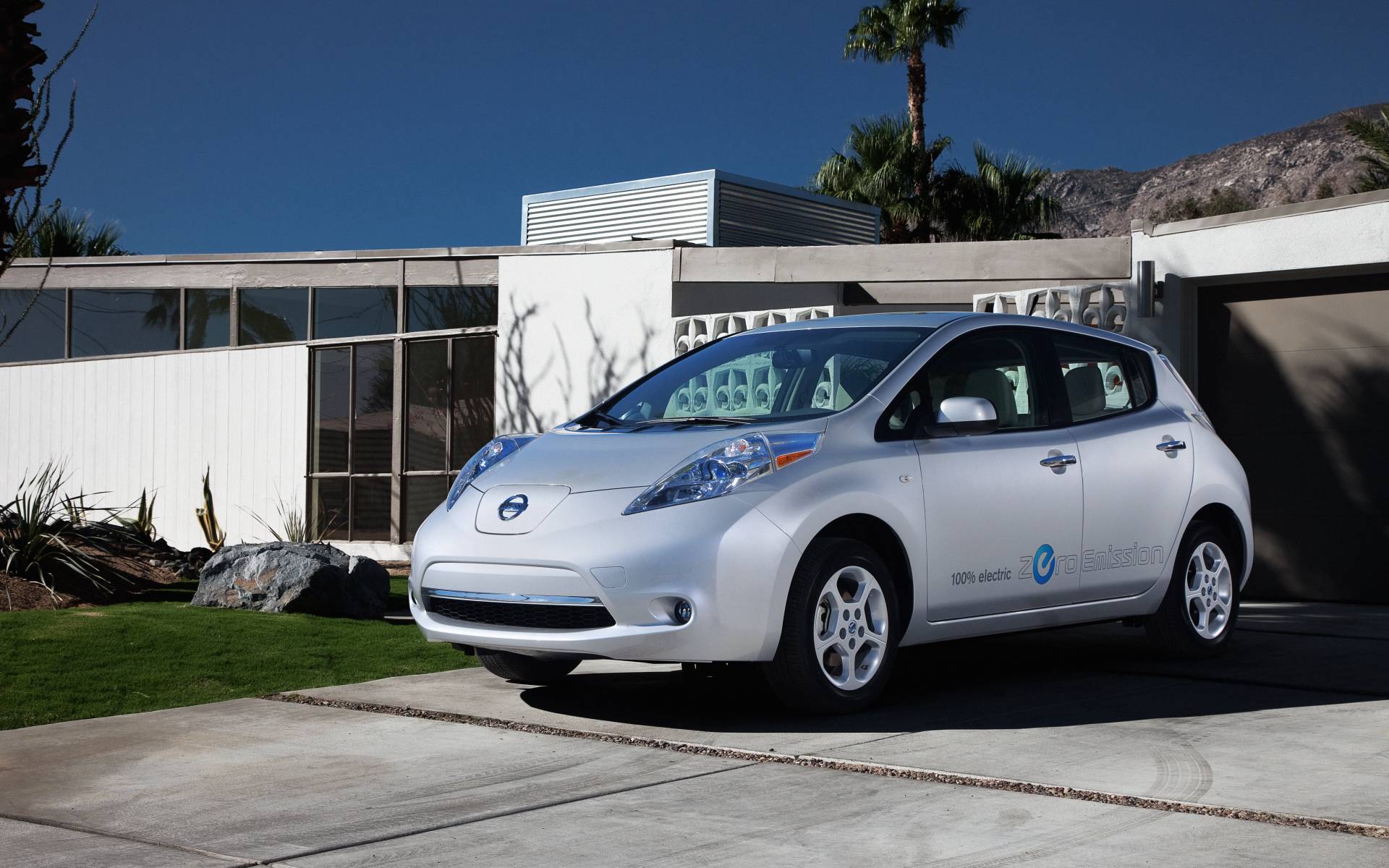
In 2011, Nissan began the commercialization of the 100% electric Leaf, making it the most accessible electric car on the market at the time. Unlike Tesla, which focused on performance and a certain luxury, Nissan opted for a more affordable car, which helped in the beginning, although the competition quickly responded. But still, the title of the first and most affordable electric car will never be taken away from Nissan's compact.