

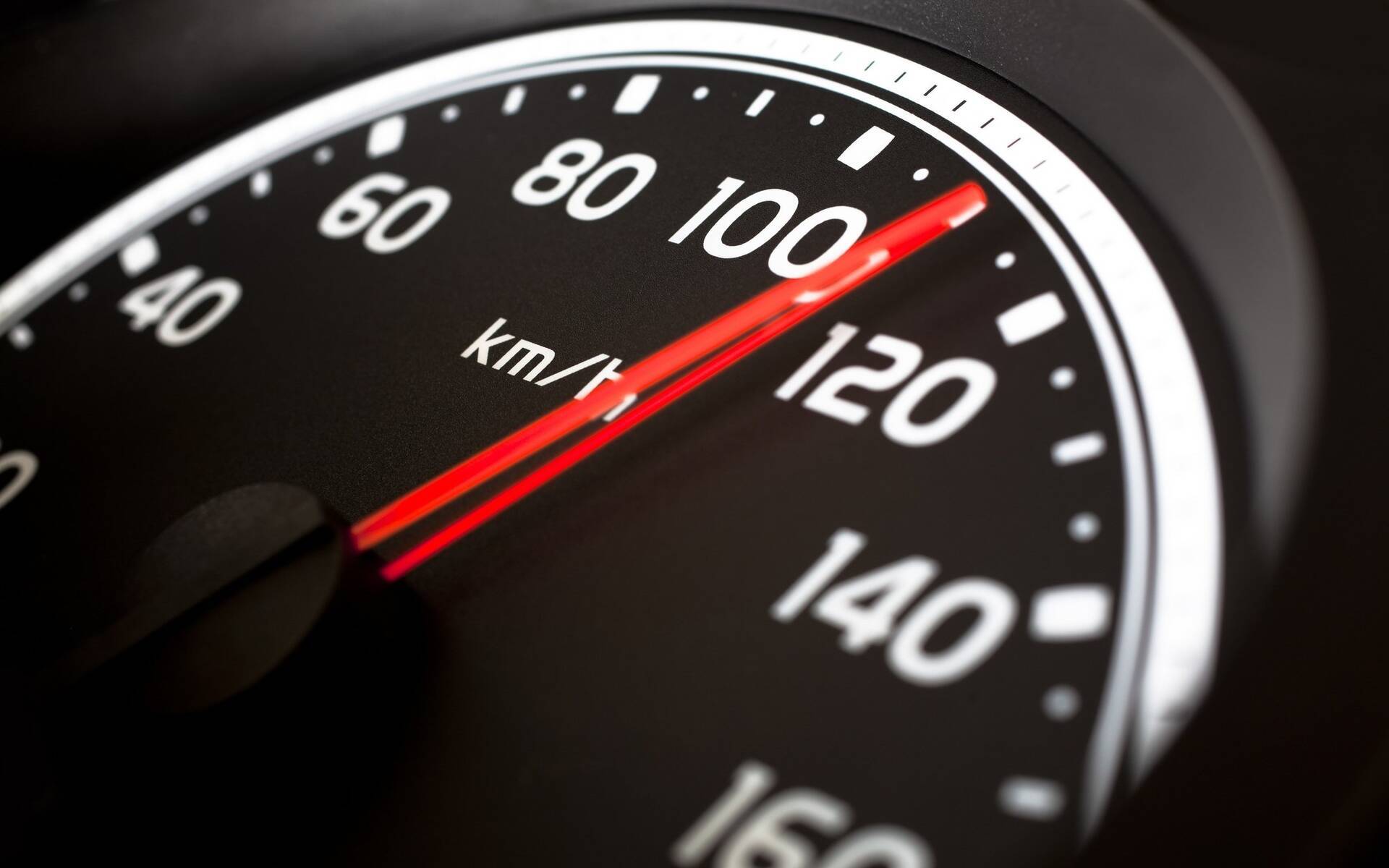
Speeding: California proposal sparks debate
A few weeks after the US federal authorities responsible for transportation safety went public to urge automakers to equip all new vehicles with so-called "intelligent speed adaptation" systems, California introduced a bill to this effect.
What's important here is that the system would be binding, not simply dissuasive. And that's far from enchanting everyone.
Backed by Democratic Senator Scott Wiener, the document proposes to install a speed limiter in "every passenger vehicle, truck and bus manufactured or sold in the state". Such a measure, if adopted, would take effect from the 2027 model year, less than three years from now.
The device would "electronically limit vehicle speed to prevent the driver from exceeding the posted speed limit by more than 10 mph" (16 km/h). All the time? Not exactly. The bill mentions that the driver could override the limiter momentarily, for example to get out of a tight spot in traffic.
Emergency vehicles such as police cars, ambulances and fire engines would of course be exempt. There could also be an exception for other vehicles, but only on condition that the commissioner in charge of road supervision authorizes it.
According to the California Transportation Safety Board, one-third of all accidents on the state's roads are the result of speeding.
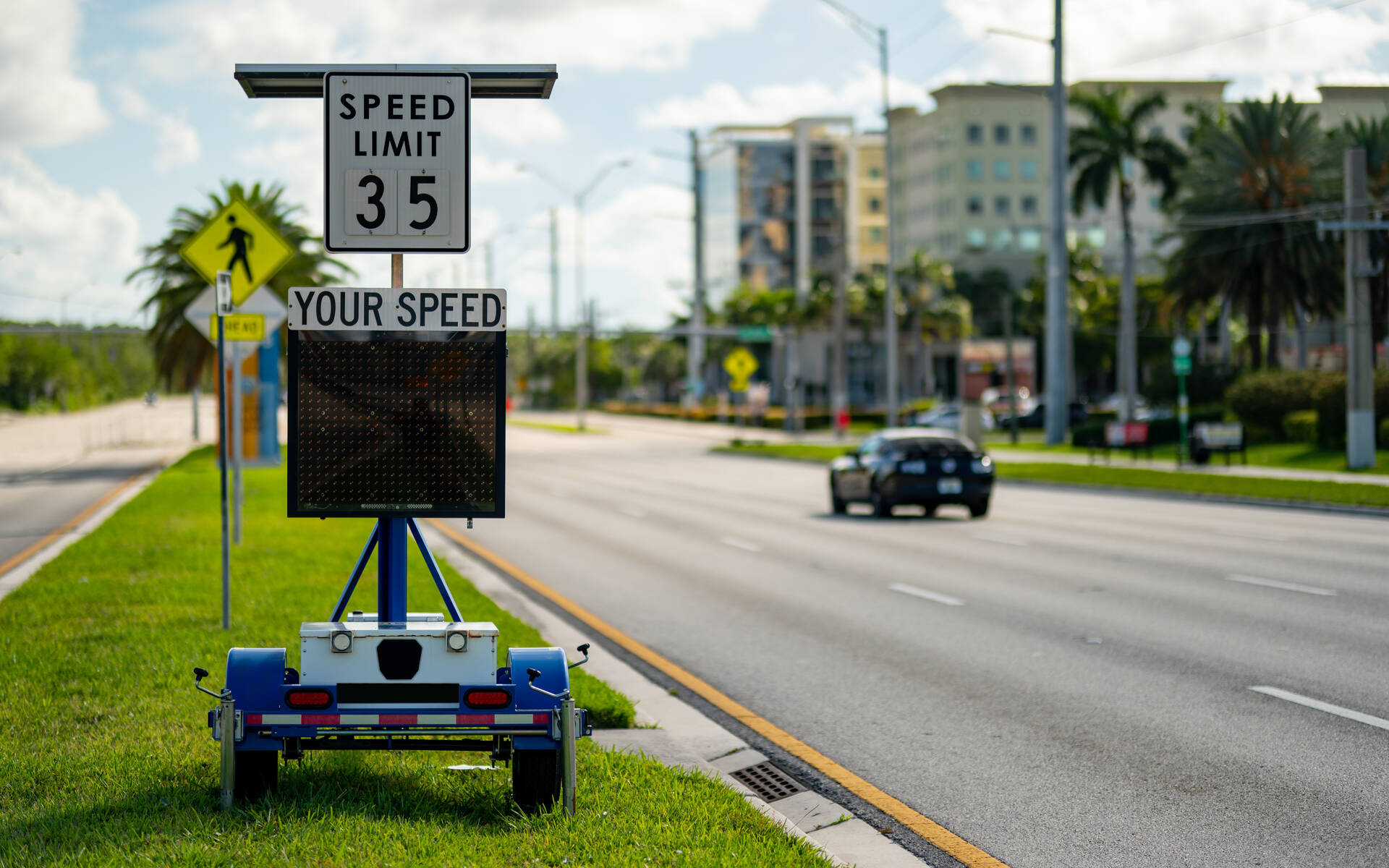
Other jurisdictions are considering moving in this direction. New York State is one of them. For its part, New York City says it wants to install such speed limiters in the vehicles of repeat offenders and drivers with 11 or more demerit points on their record in 18 months.
Closer to home, last August the Société de l'assurance automobile du Québec (SAAQ) unveiled a $180 million Road Safety Action Plan 2023-2028 to encourage drivers to take their foot off the accelerator.
In particular, the plan aims to combat speeding in school zones and near roadworks. Reduced speed limits, increased surveillance, harsher fines and a review of demerit points are all on the agenda. However, all these regulatory changes will first have to be the subject of a bill, promised for this fall by Transport Minister Geneviève Guilbault, but not yet tabled.