

Chinese electric vehicle surcharges: will consumers pay the price?
Ottawa wants to impose 100% tariffs on electric vehicles built in China, a decision that worries some experts who fear that Canadian consumers will ultimately pay the price.
The price of Chinese electric vehicles is likely to double with this measure, which was announced on Monday by the Trudeau government, which nevertheless has the objective of selling only 100% electric vehicles in the country by 2035.
Some experts doubt, however, that this goal is realistic, since electric cars would have to be made more affordable to encourage consumers to take up this option, which is not without cost in Canada.
Indeed, the cheapest electric model in the country is priced at $40,000, well below the national average of $73,000 for an electric car.
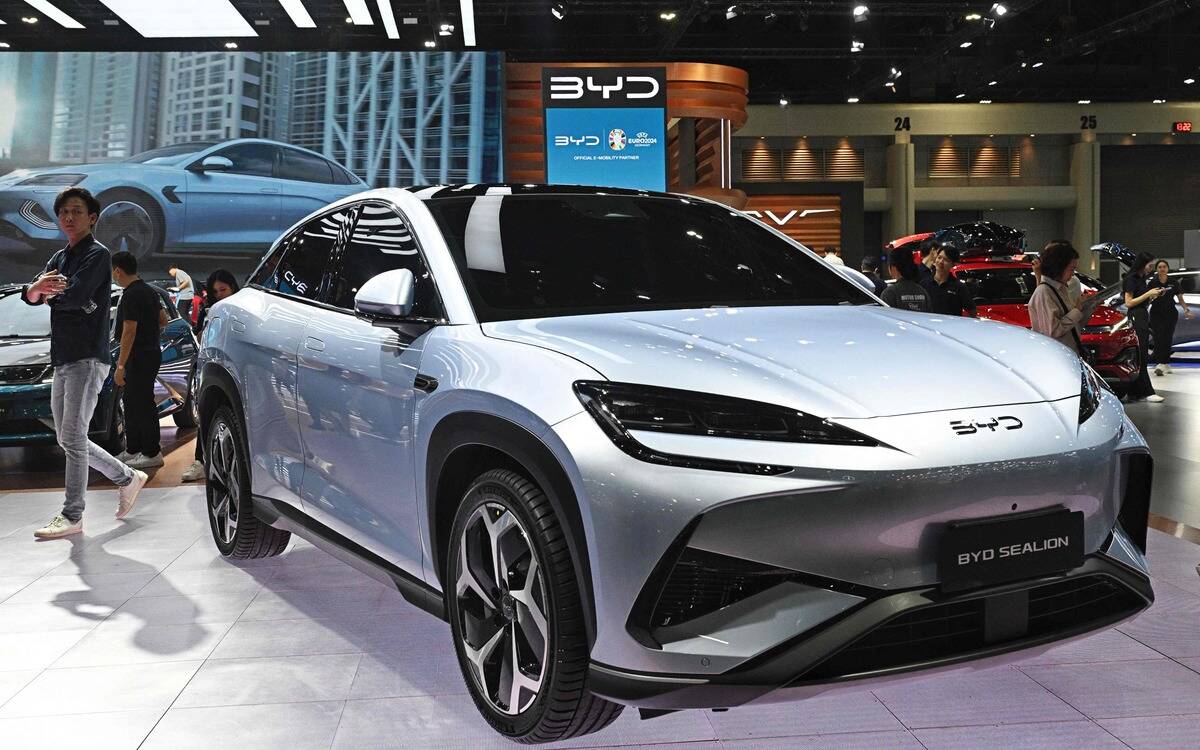
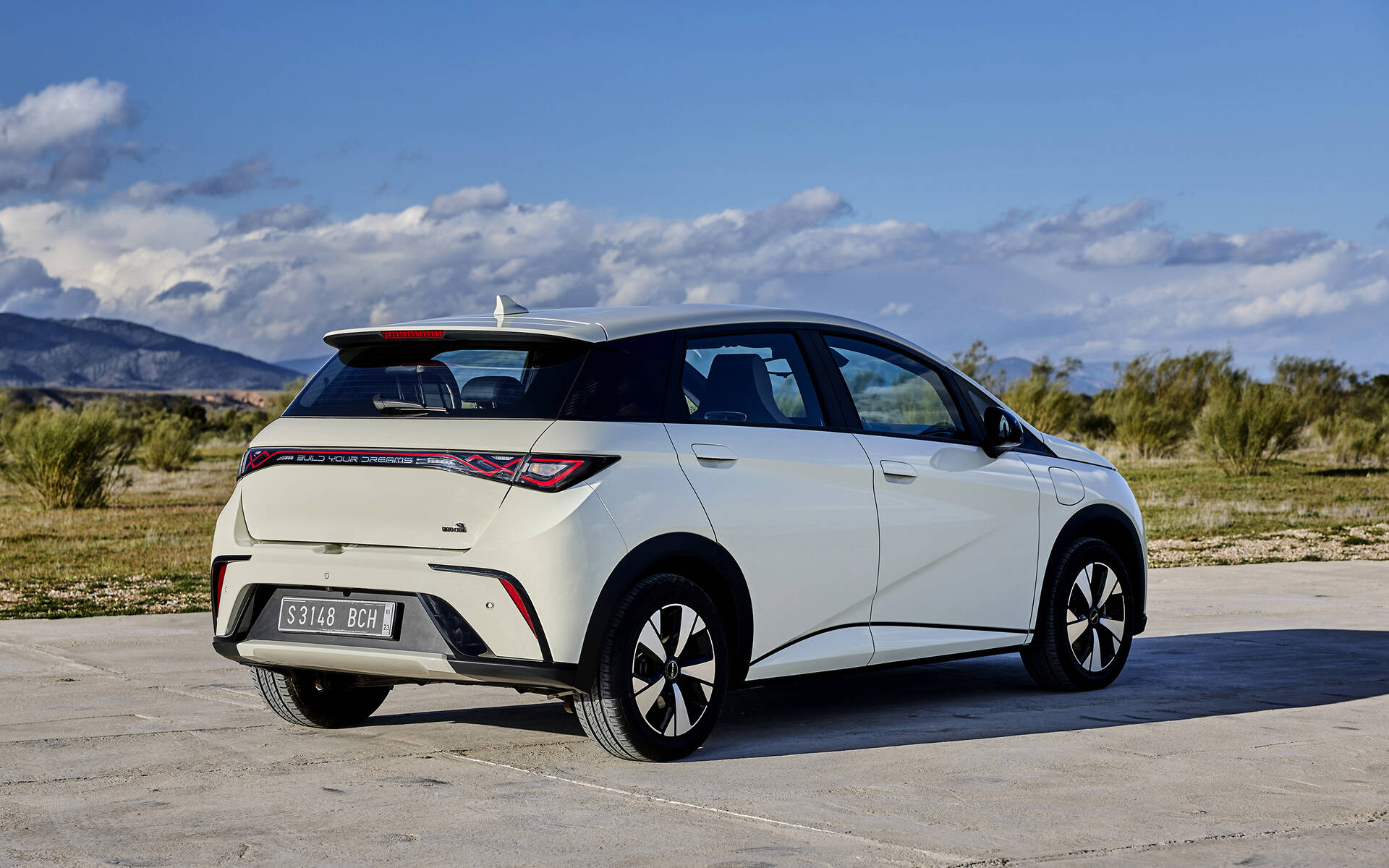
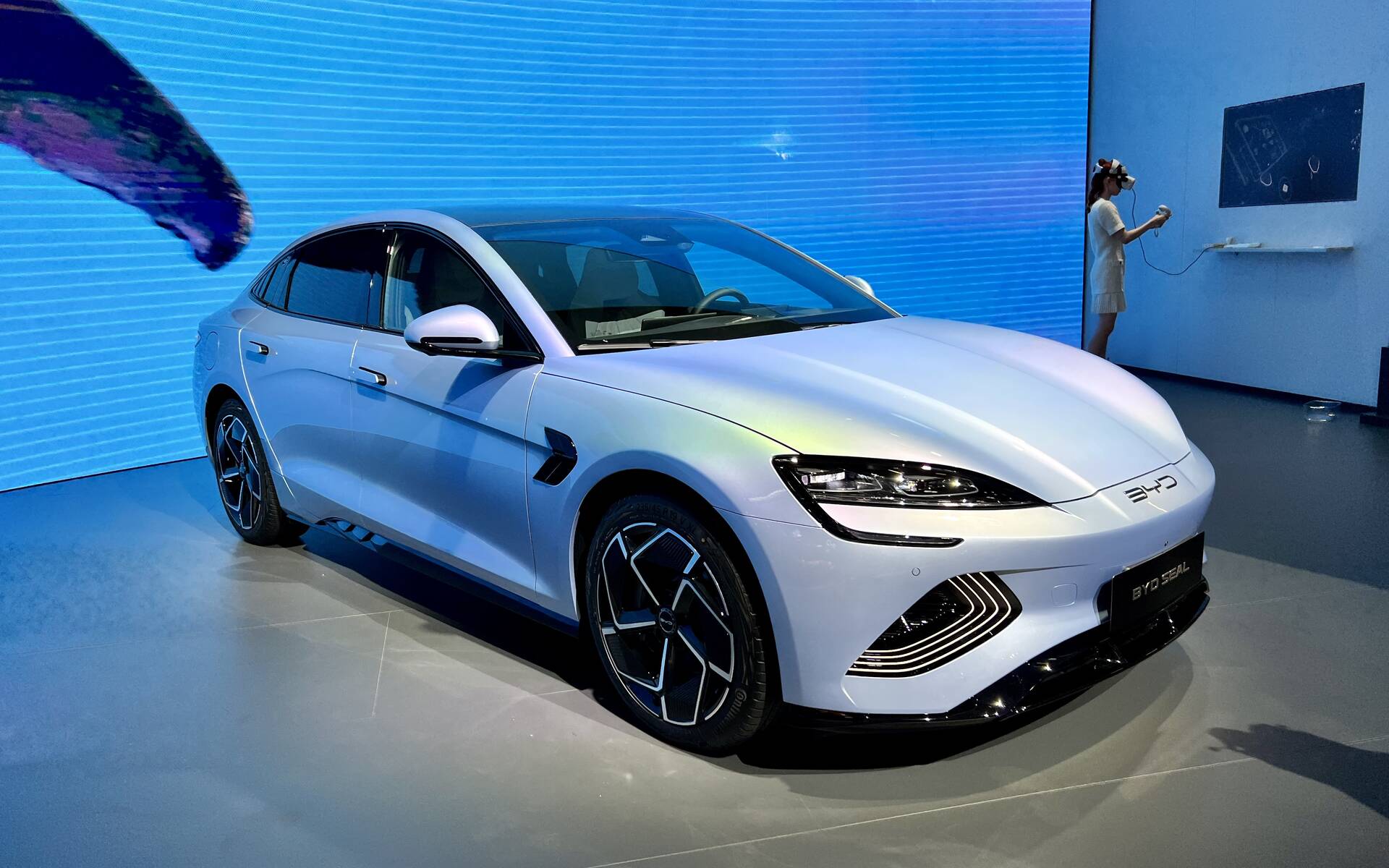
In comparison, the big Chinese player BYD, which Ottawa intends to block in particular, sells vehicles for around $19,000 in China.
“It's clear that they have a competitive advantage on the price side, partly because of sales volume, since China is the world's largest automotive market,” explains Gabriel Gélinas, columnist for The Car Guide.
“If Chinese brands could enter the North American market with little or no pricing, it would clearly have a direct impact on sales not only of American brands, but also of European brands,” he added.
While not all consumers would necessarily go for lesser-known Chinese brands, their presence on the Canadian market would have offered more choice, believes Simon-Pierre Rioux, spokesman for the Association des véhicules électriques du Québec.
“If they sell their vehicles for $17,000 in China, it's going to be $35,000 here in Canada, and there are still people who would be interested in buying a vehicle at that price,” he points out.
Ottawa's decision doesn't just affect Chinese brands, as manufacturers who have their vehicles assembled in China, such as Volvo and Polestar, will also be impacted.