

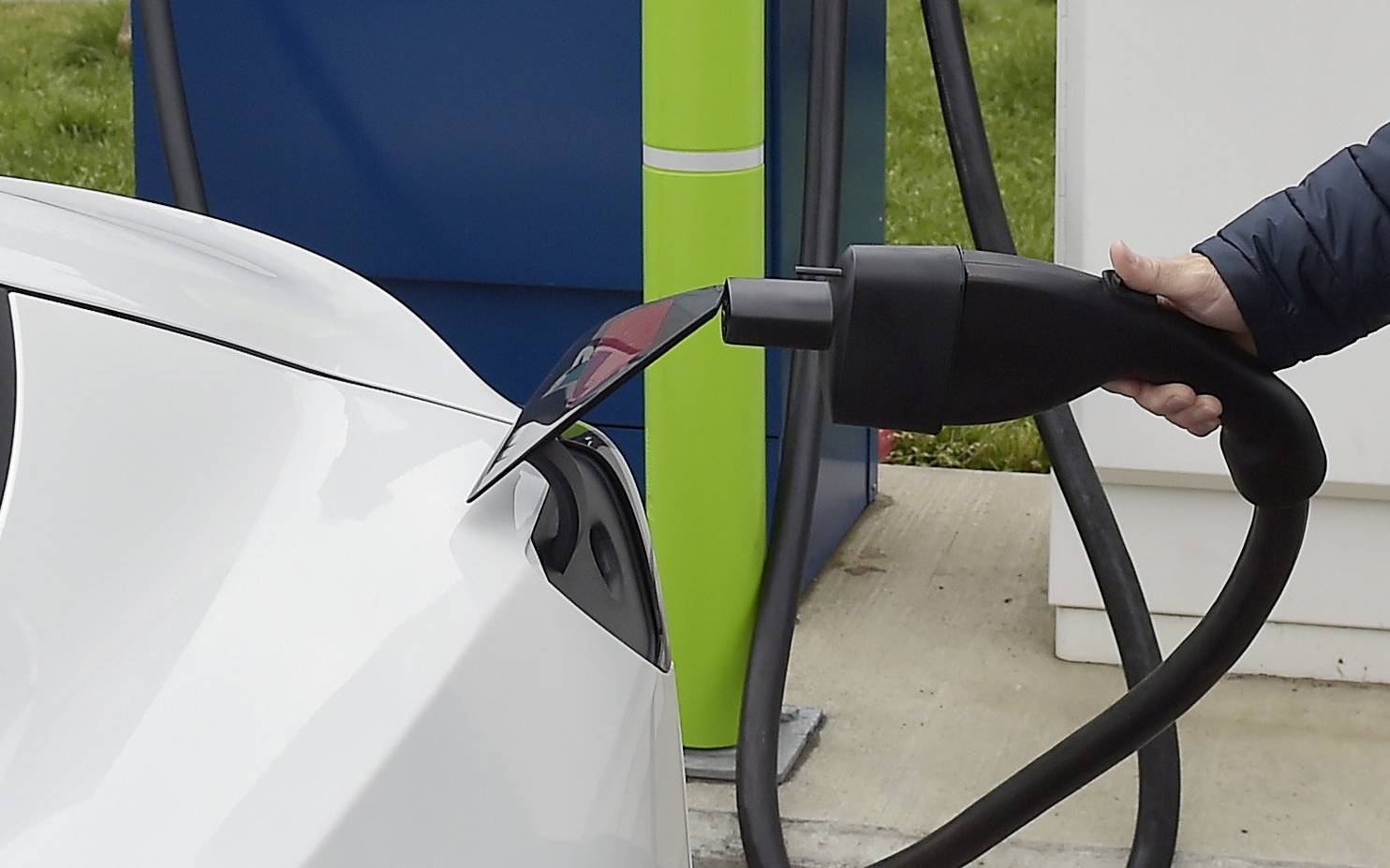
Poll: One in two Quebecers is considering switching to an electric car
Although they still find electric cars too expensive, half of Quebecers now say they're likely to buy one the next time they change cars, according to a new Léger survey.
“The majority of respondents in Quebec are in favor of going green,” sums up Patrice Maltais, Director of Quebec Affairs at World Automakers of Canada, the organization that commissioned the survey.
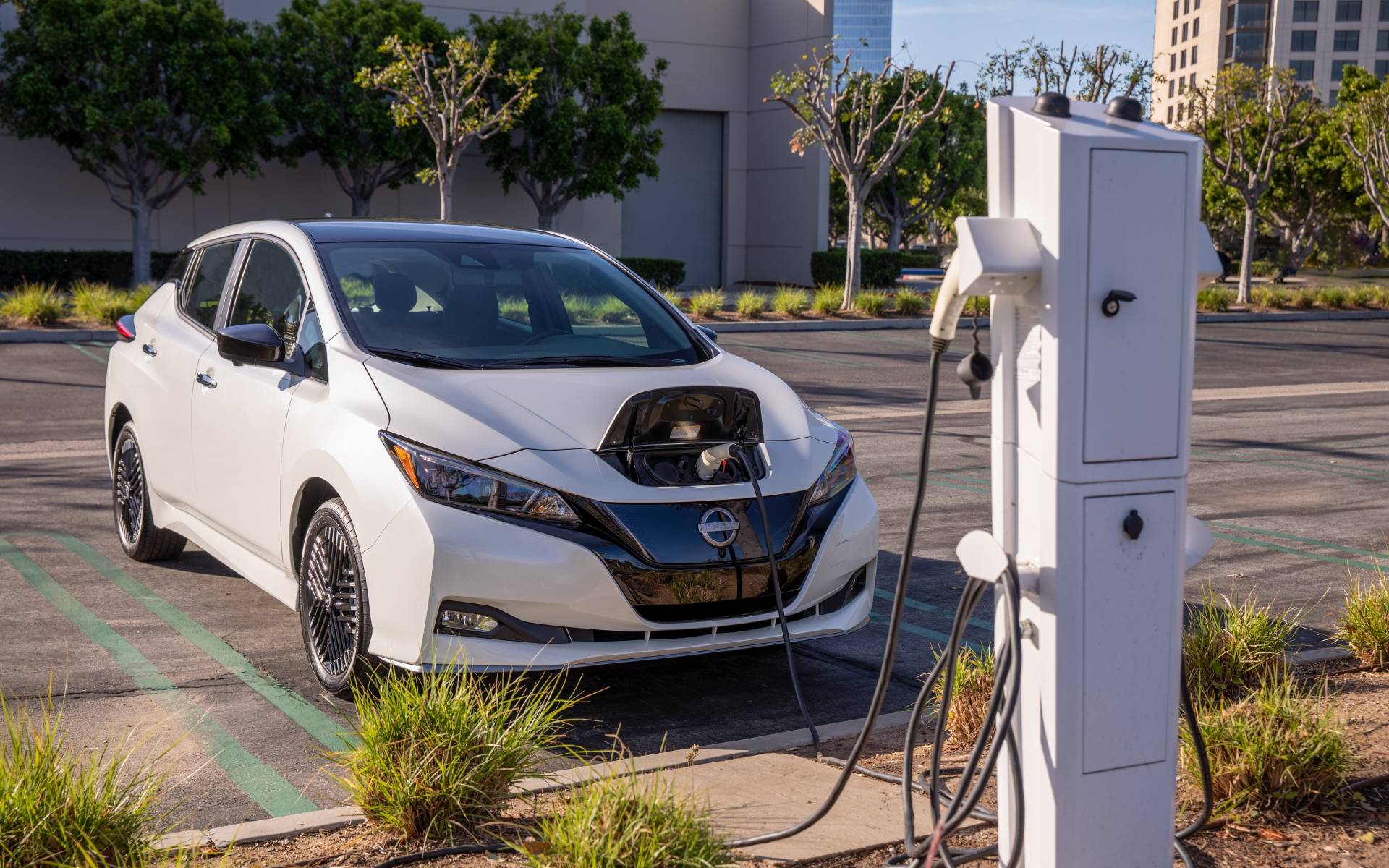
This is reflected in the fact that 50% of respondents would “consider” switching to an electric car when they have to replace their car, compared with 39% who still swear by gasoline-powered cars. Fewer than one in ten, however, plan to change their car in the next year, and a third of respondents expect to do so in three years or more.
“It's good news, but what worries us a little is that Quebecers are concerned about the speed with which this change will be implemented,” says Maltais.
Too expensive
The price (39%) and range (18%) of electric vehicles remain “barriers” for Quebec consumers, a sign according to Maltais that the Legault government should reconsider its decision to end the Roulez Vert subsidy program in 2027.
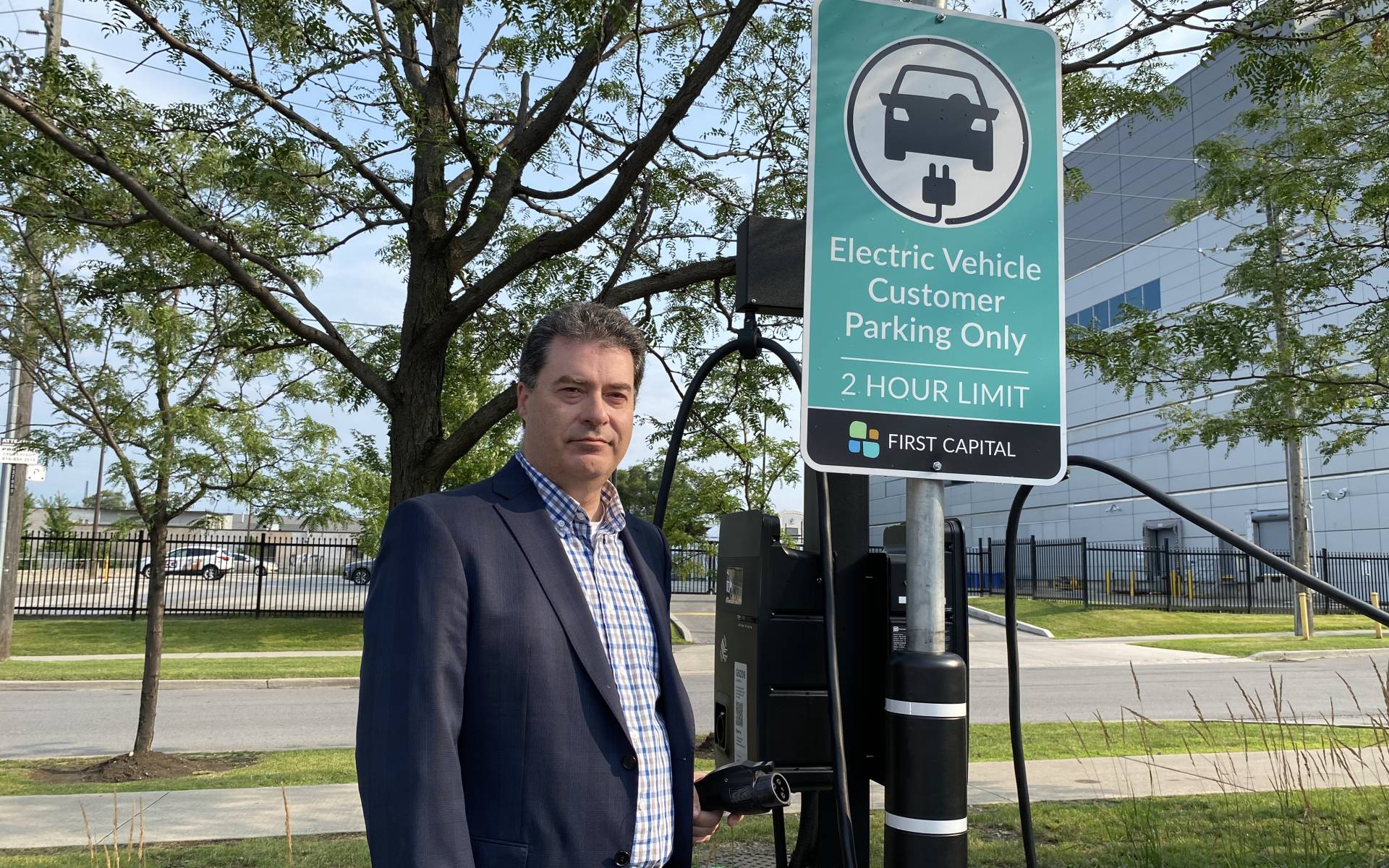
“It's good to turn the corner, but not everyone can do it now,” he says, arguing that incentives should be maintained until 2032 for cars and 2035 for trucks and SUVs.
In this respect, survey data shows that the majority of Quebecers (59%) are opposed to the elimination of the zero-emission vehicle incentive program. Notably, it is the most affluent who are most strongly opposed to the end of incentives.
Horizon 2035
The group of automakers also believes that the ban on the sale of gasoline-powered vehicles from 2035 is coming too soon.
“It's too early to completely take gasoline-powered vehicles off the market. There are some places, in the regions, where the charging infrastructure isn't ready yet,” explains Maltais, pointing out that 72% of Quebecers believe there aren't enough charging stations for the province to switch entirely to electric cars.
However, when asked whether they support or oppose the provincial government's plan to require 100% of new vehicles sold to be zero-emission vehicles by 2035, respondents were divided: 46% said they did and 46% said they did not.