

Is it possible to make a Subaru with almost zero emissions?
The growing popularity of electric models and the desire of many governments to ban the sale of new gasoline-only vehicles from 2035 has greatly contributed to the spread of the notion of “zero-emission vehicles” or ZEVs. This means any vehicle capable of operating without burning fuel over appreciable distances, so not only 100% electrics but also plug-in hybrids.
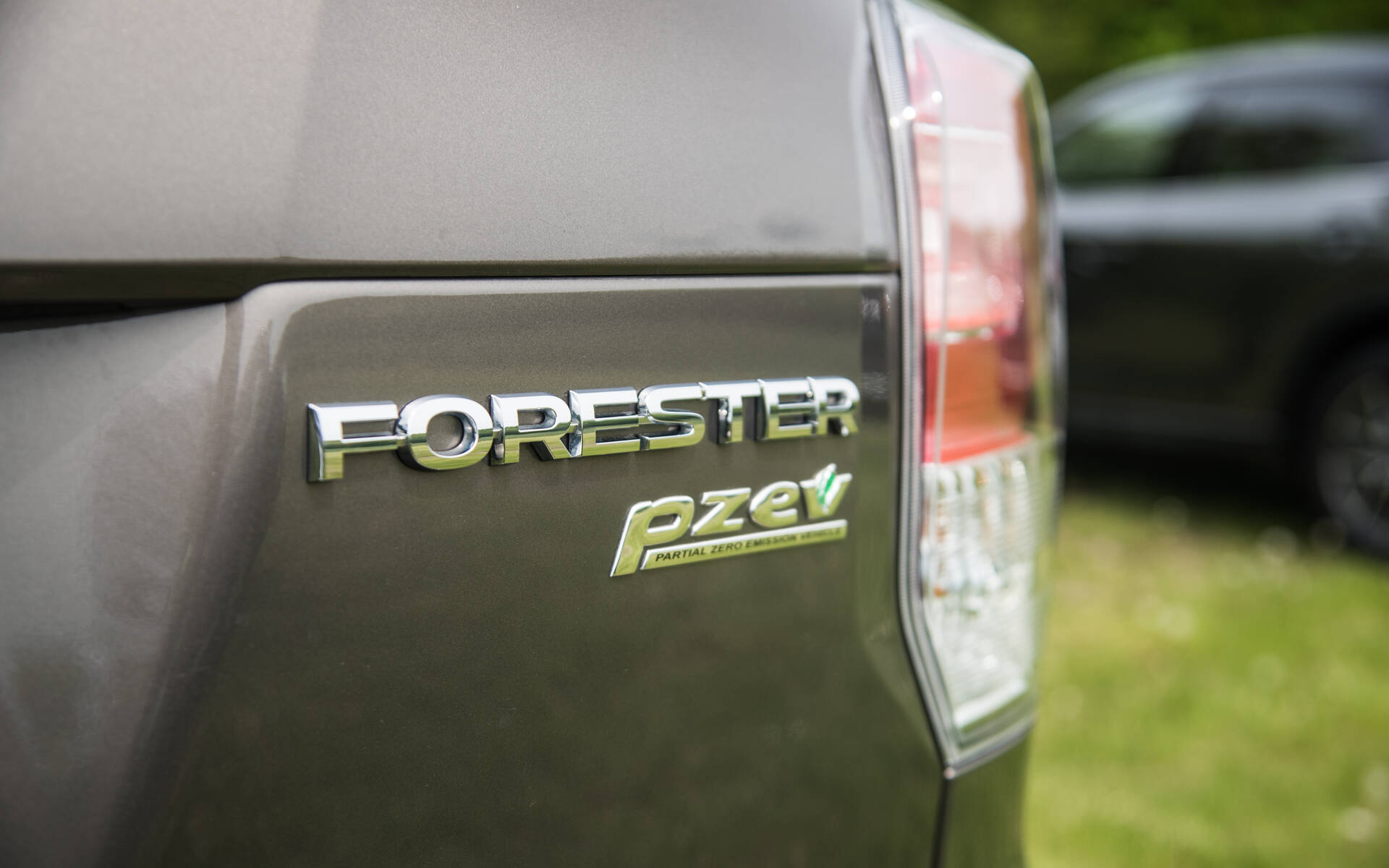
In the past, you may have seen Subaru vehicles sporting the PZEV badge for Partial Zero Emission Vehicle. But what's the point? Is it really effective, or just an attempt at greenwashing?
The PZEV standard was created several years ago by the California Air Resource Board (CARB) and is positioned between the SULEV (Super Ultra Low Emission Vehicle) and ZEV (Zero Emission Vehicle) standards. In French, we speak of “near-zero emission vehicles”. These are models with combustion engines only, i.e. not electrified, whose exhaust is as clean and smog-free as possible. They must not produce any fuel vapour emissions.
How does it work?
At Subaru, PZEV technology includes modifications in four key areas:
- Catalytic converter: made up of a large sieve of finer cells, coated with a thin layer of precious metal catalysts. The contact surface is twice as large as that of a conventional catalytic converter, enabling more efficient transformation of pollutants.
- Fuel injectors: they close more tightly than conventional injectors to prevent vapour emissions from leaking fuel to the intake manifold.
- Dual filtration air intake: incorporates an activated carbon reservoir to absorb unburned hydrocarbon vapours that would normally escape through the air intake as soon as the engine is switched off.
- Engine control module: its programming is modified to make the exhaust gases hotter, so that the catalytic converter heats up more quickly and emissions are reduced.
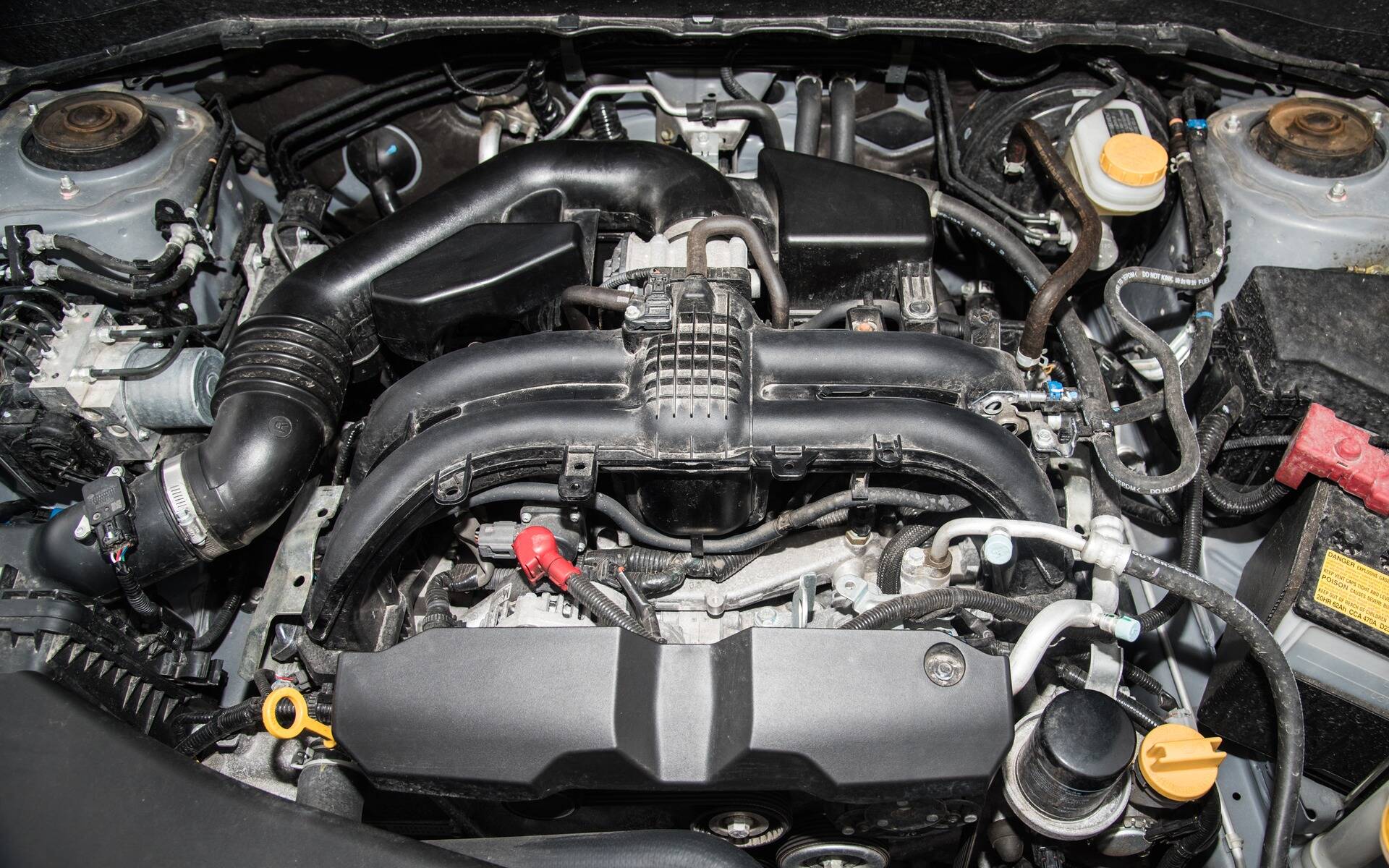
The company claims that these anti-pollution measures are so rigorous, and the fuel combustion process so complete, that the emissions produced can be cleaner than outside air in some cases - even cleaner than those of certain hybrid or alternative fuel vehicles (ethanol, for example).
In fact, a used Crosstrek emits 188 g/100 km of CO2, giving it a CO2 emissions index of 6 and a smog index of 6. A similar Hyundai Kona emits 202 g/100 km of CO2 and its indexes are 6 and 5 respectively. The Toyota Corolla Cross? It emits 182 g/100 km of CO2, has a CO2 emissions index of 6 and a smog index of 7.
Finally, for PZEV drivers, there are no additional maintenance requirements or special service schedules. Subaru adds that there's no compromise on engine performance either.