


Interest in electric vehicles drops sharply in Canada
There are more and more electric vehicles on the market, but is consumer interest keeping pace? A new study reveals that the opposite is true.
According to J.D. Power Canada, 66% of respondents across the country say it is "somewhat unlikely" or "very unlikely" that they will consider switching to electric for their next purchase.
Only 34% of Canadians will consider one within the next 24 months, down sharply from 47% in 2022 when the research firm conducted its first survey of this kind. It's also much less than in the U.S., where 61% of consumers say it's "somewhat likely" or "very likely" they'll consider an electric vehicle for their next purchase.
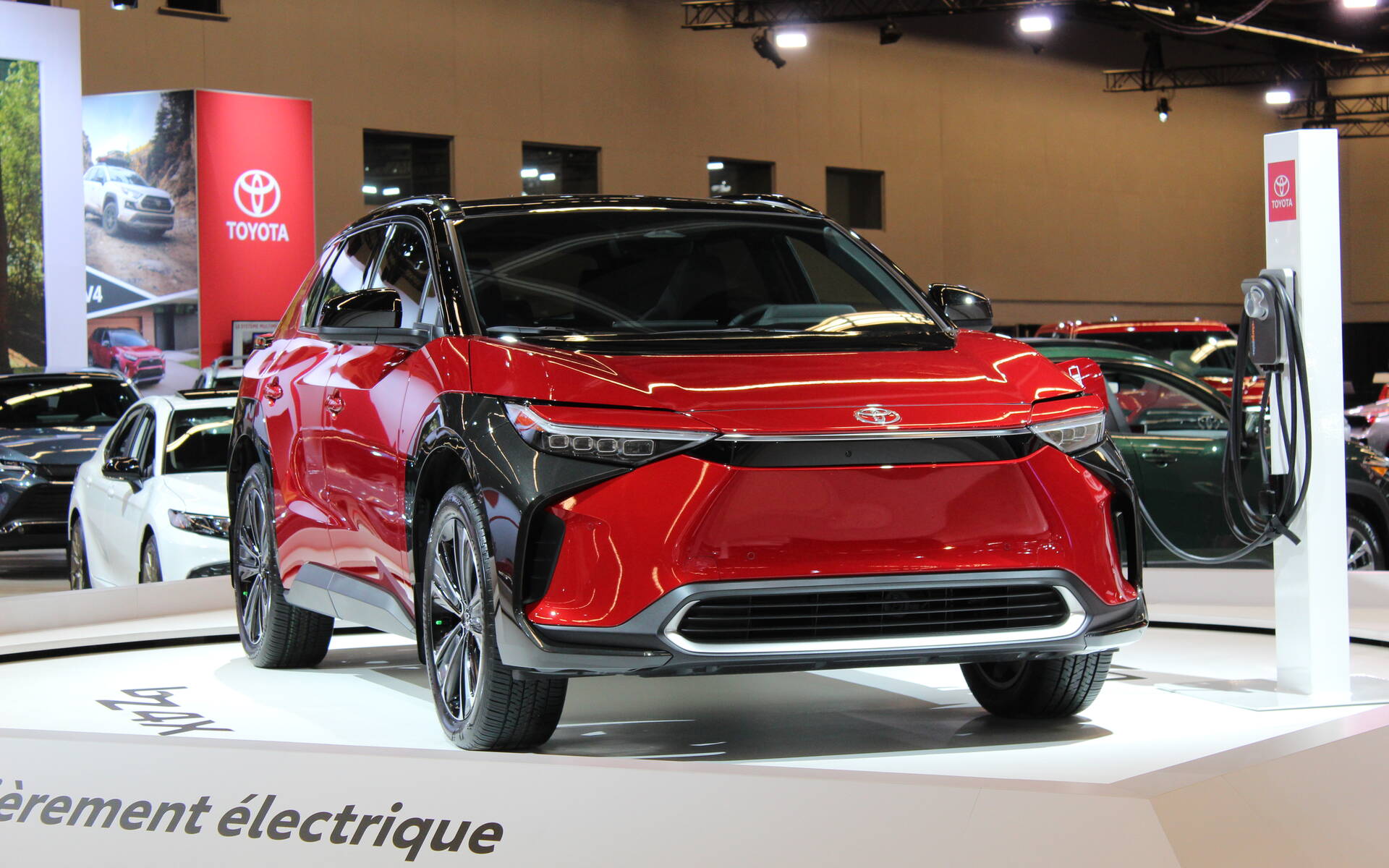
"Despite governments pushing hard to encourage the adoption of electric vehicles, Canadian consumers remain unconvinced. Growing concerns about price and infrastructure (charging stations and electrical distribution network) are leading to a significant drop in the number of people planning to store for an electric vehicle in the short term," explains J.D. Ney, Director of Automotive Business at J.D. Power Canada.
The company reports that the three reasons most often cited by respondents for not considering the purchase of an electric vehicle are range (63%), selling price (59%) and lack of availability of recharging stations (55%).
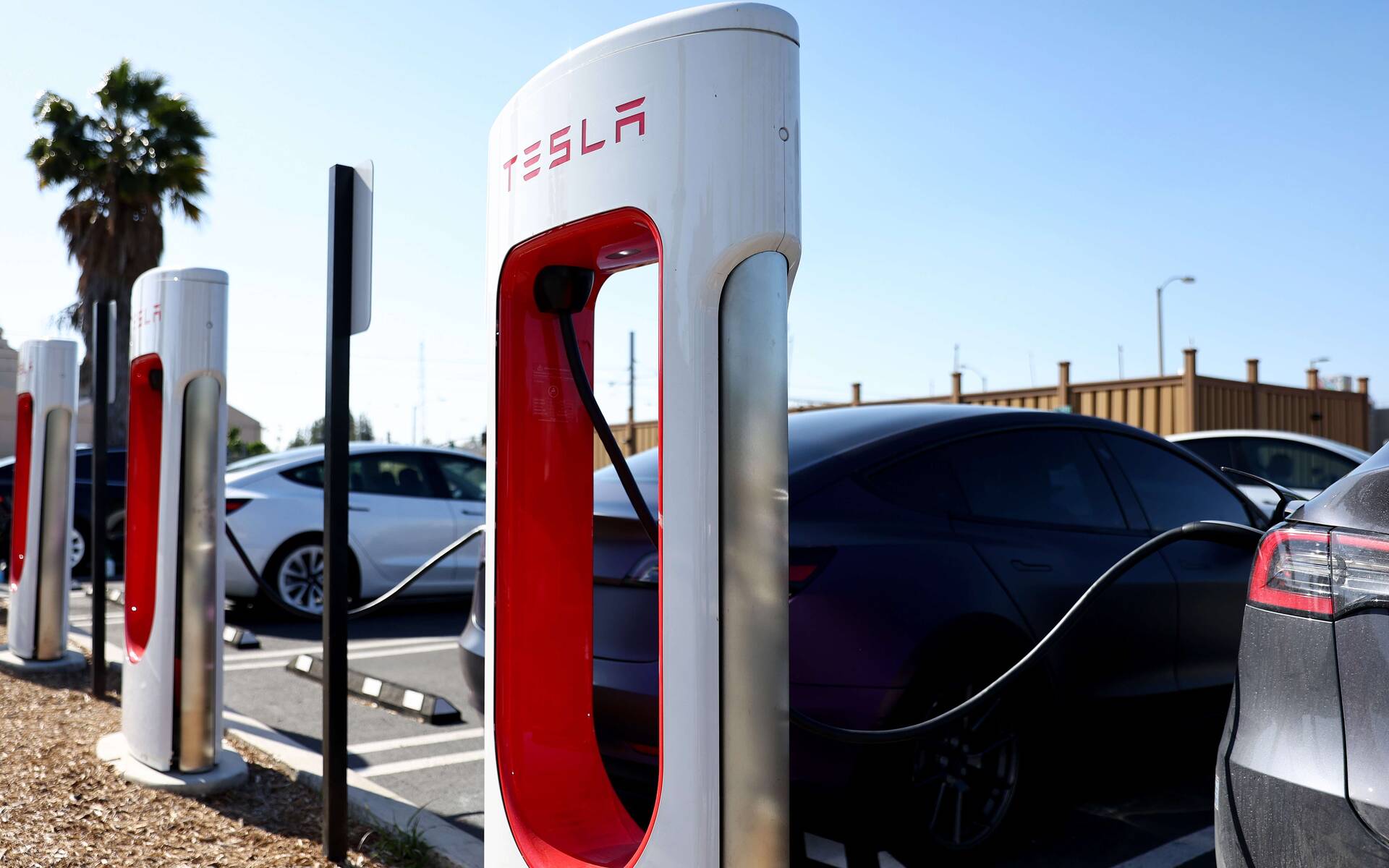
The same study reveals that 55% of consumers have never driven an electric vehicle. Among those who have, just 43% say they are "somewhat likely" or "very likely" to consider such a vehicle for their next purchase.
Interest is highest in British Columbia (46%), followed by Quebec (39%) and Ontario (34%), which comes as no surprise. Next, come the Maritimes (26%) and the Prairies (22%).
"In light of these figures, it will take major investment and close collaboration between manufacturers and governments to address the issues of range, pricing and infrastructure if Canada is to meet its national and provincial targets for electric vehicles on the road," added Ney.
The J.D. Power Canada study was conducted in April and May 2023 among 4,488 respondents across the country.