

Electric vehicles: the world's largest lithium deposit has been discovered
As electrification efforts gain momentum in the automotive industry, many are wondering whether there will be enough raw materials to manufacture the batteries that will power future electric vehicles.
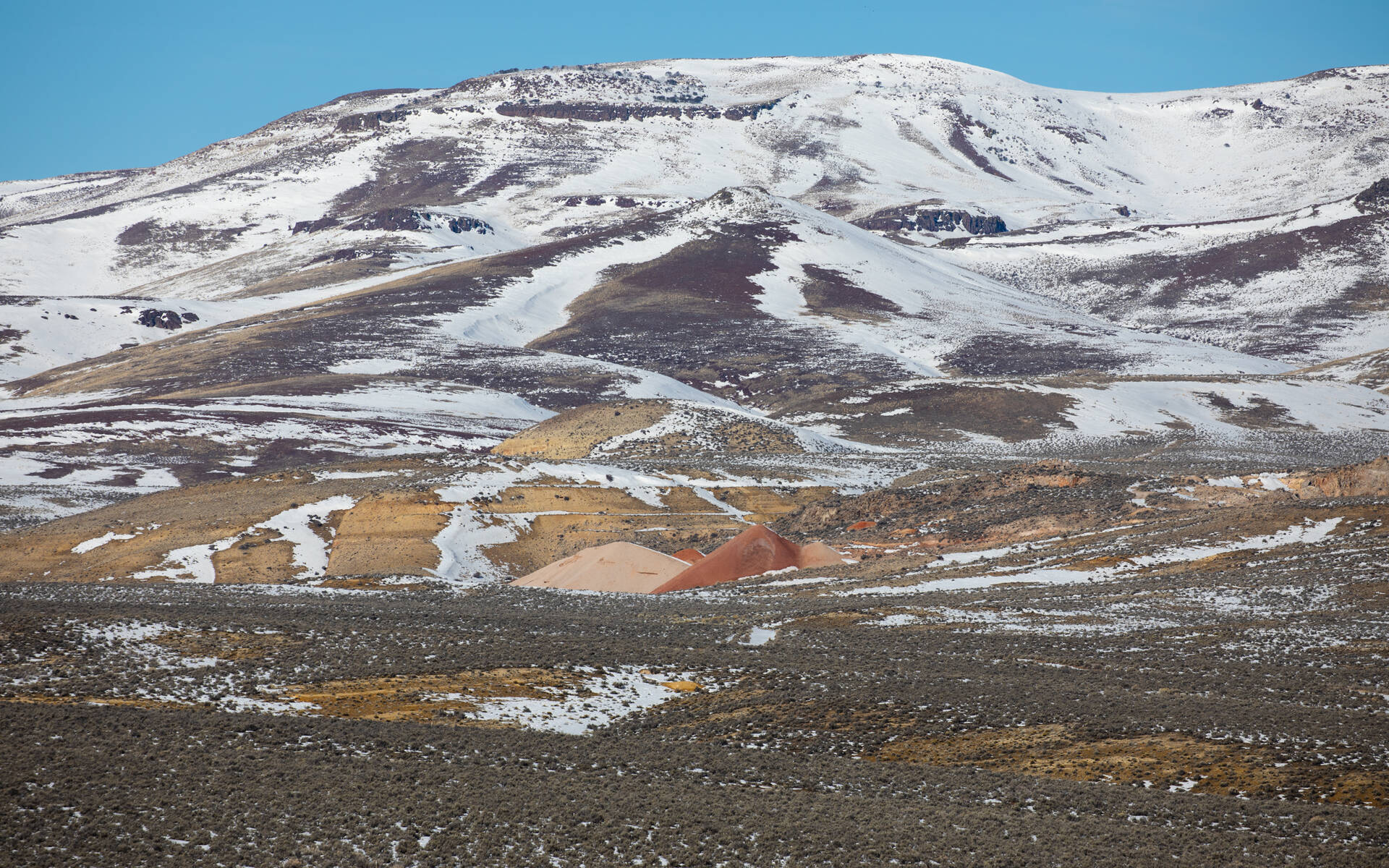
Quebec is well positioned on the world stage thanks to its abundant resources, including the coveted lithium. This week, we learned that volcanologists have discovered what could be the largest deposit of this mineral on the planet, on the border between the American states of Oregon and Nevada.
The explosion of a gigantic volcano some 16 million years ago is believed to be the source. According to initial estimates, the site could contain as much as 120 million tonnes of lithium - enough to produce batteries for many decades to come.
To give you an idea, that's around 12 times more than the salt plains of Bolivia, currently reputed to be home to the world's largest reserve. What's more, the lithium present would be highly concentrated, facilitating its eventual extraction.
Eventual? Let's say hypothetical. Any project in this sector will not only run up against a number of environmental constraints, but also the opposition of the First Nations on the Nevada side of the border, who claim the territory is sacred. If the go-ahead is given, American specialists estimate that extraction could begin in 2026.
What about us?
This time last year, a Canadian company, Snow Lake Lithium, based in Manitoba, was claiming to be able to begin extraction for commercial production in 2025, supplying lithium to 500,000 North American electric vehicles a year. Over 10 years, i.e. by 2035 (Quebec and Canada's target for banning the sale of new gasoline-powered vehicles), 5 million batteries could be built using Manitoba lithium alone. And that's considering that the company has only explored 1% of its 22,000-hectare site.
Closer to home, carmaker Ford signed an 11-year agreement in May with Nemaska Lithium to source lithium products from its plant in Bécancour, Centre-du-Québec. Also this year, Sayona Québec and its American partner Piedmont Lithium announced that the raw material they will supply to Tesla will come from the La Corne open-pit mine in Abitibi.