

Electric vehicles: 3 other companies review their plans and ambitions
The list of car companies having to revise their electric vehicle plans and ambitions due to slower-than-expected growth continues to grow.
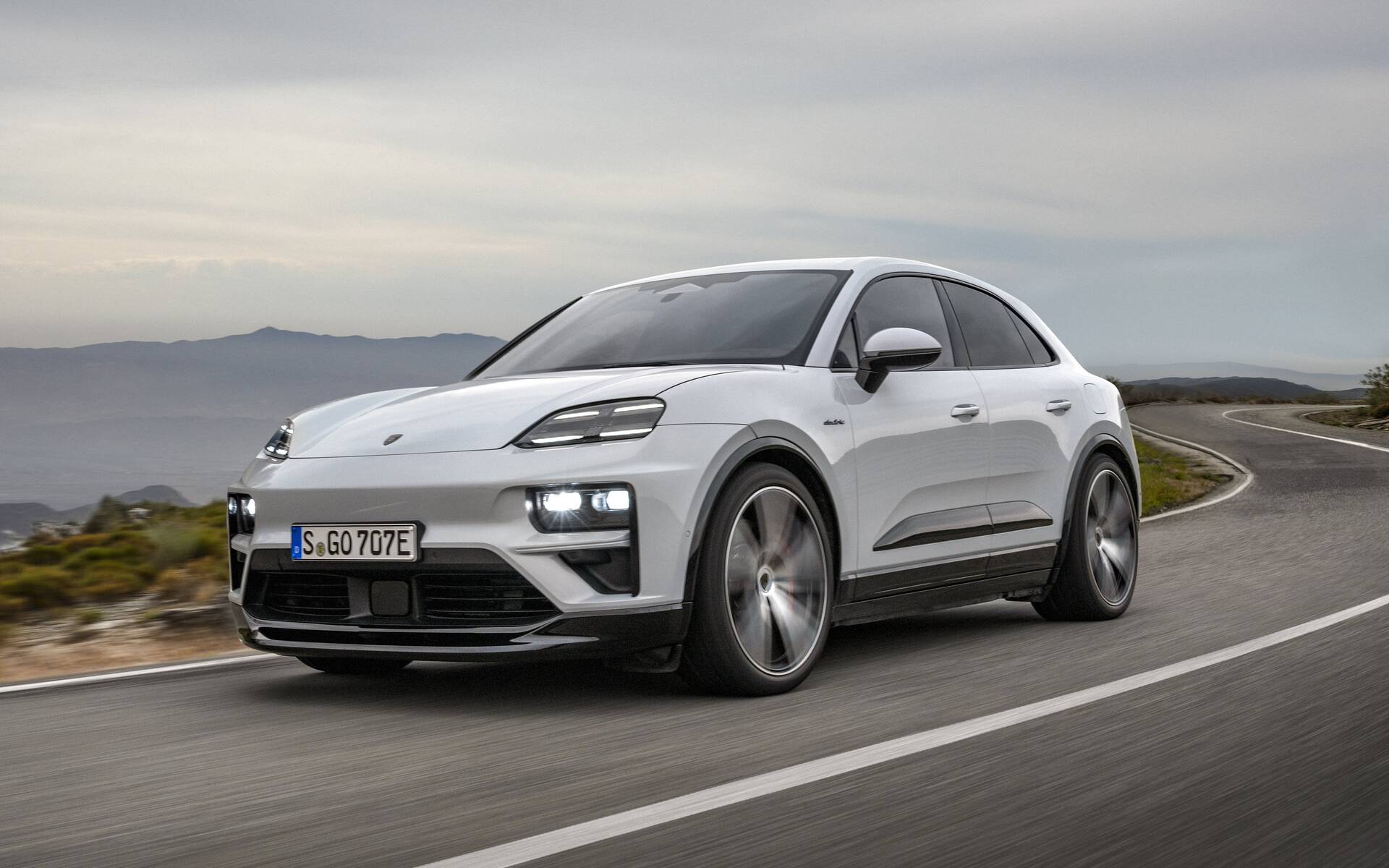
Porsche is the latest to speak out on the issue. In statements reported by Reuters, the German sports car brand mentioned that its transition to electric will take longer than it anticipated five years ago when its target was for 80% of sales from 2030 to be battery-powered models.
It maintains that its product strategy is in place to achieve this, including the Taycan, the new Macan, future electric 718s and a possible large SUV at the top of the range, but that this will be impossible if consumer demand and developments in charging infrastructure don't keep pace. No new targets have been set for the time being.
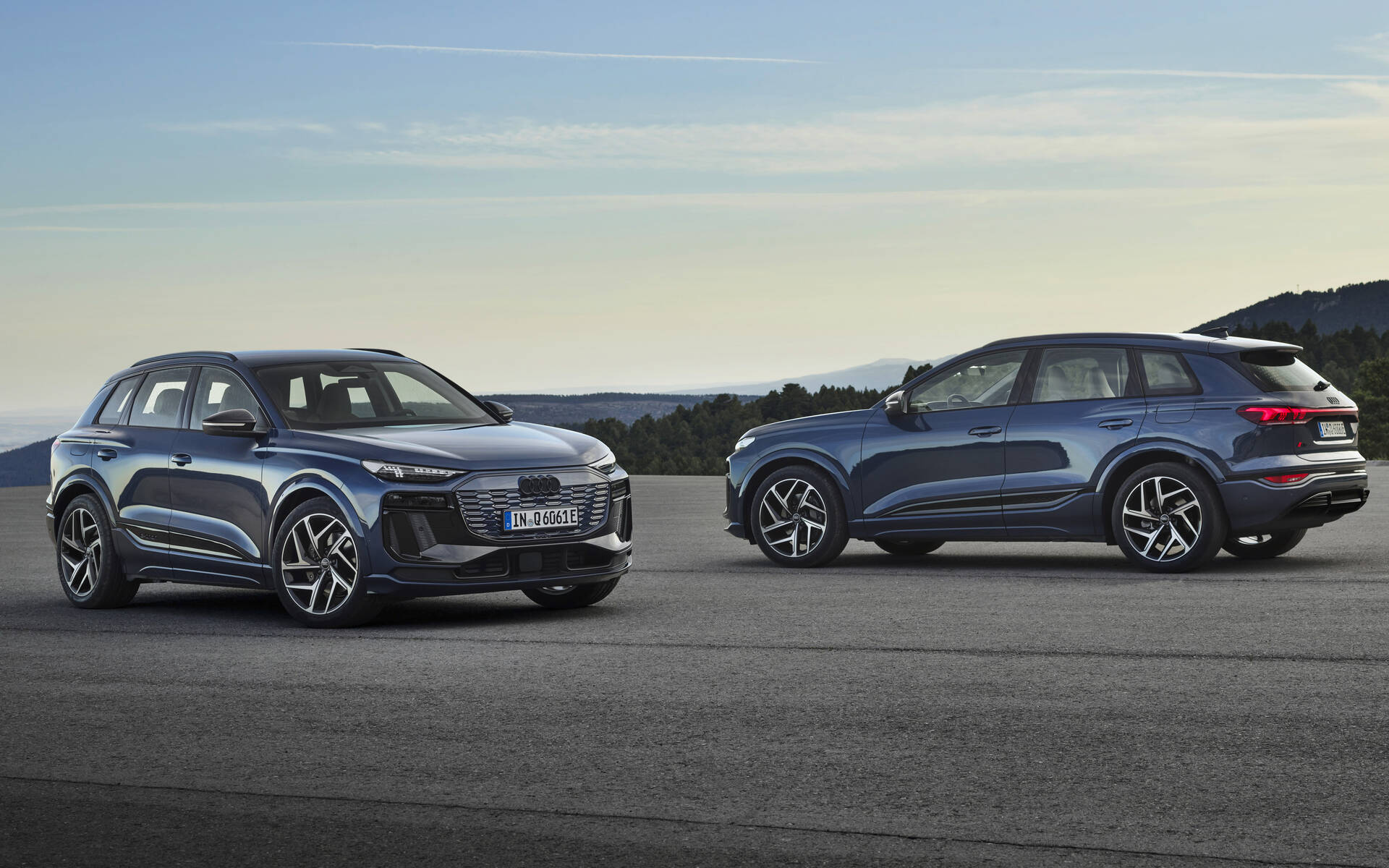
Audi, another luxury banner owned by the Volkswagen group, had already pushed back its target for becoming an all-electric brand to 2033. In the last few days, its CEO Gernot Döllner told the British media Autocar that the move away from combustion engines would take longer.
The company, which has just launched the new Q6 e-tron and will follow up later this year with the A6 e-tron sedan, says it is “flexible” and intends to rely more on plug-in hybrid models in the years to come, particularly in North America.
There is also an increasingly persistent rumour that the current Q8 e-tron may be phased out in the short term due to declining sales and uncertain demand. Audi has yet to comment on this.
Finally, the Korean Genesis brand, owned by Hyundai, was planning to launch only electric vehicles from 2025, and was aiming for a complete purification of combustion engines five years later. However, its plans have changed in the present context.
Speaking to UK website TopGear, global head Mike Song confirmed that Genesis will offer its first hybrid model “as soon as possible”, as we reported in a February article. Drivers, he says, are more interested in this type of vehicle than in electric ones at the moment.
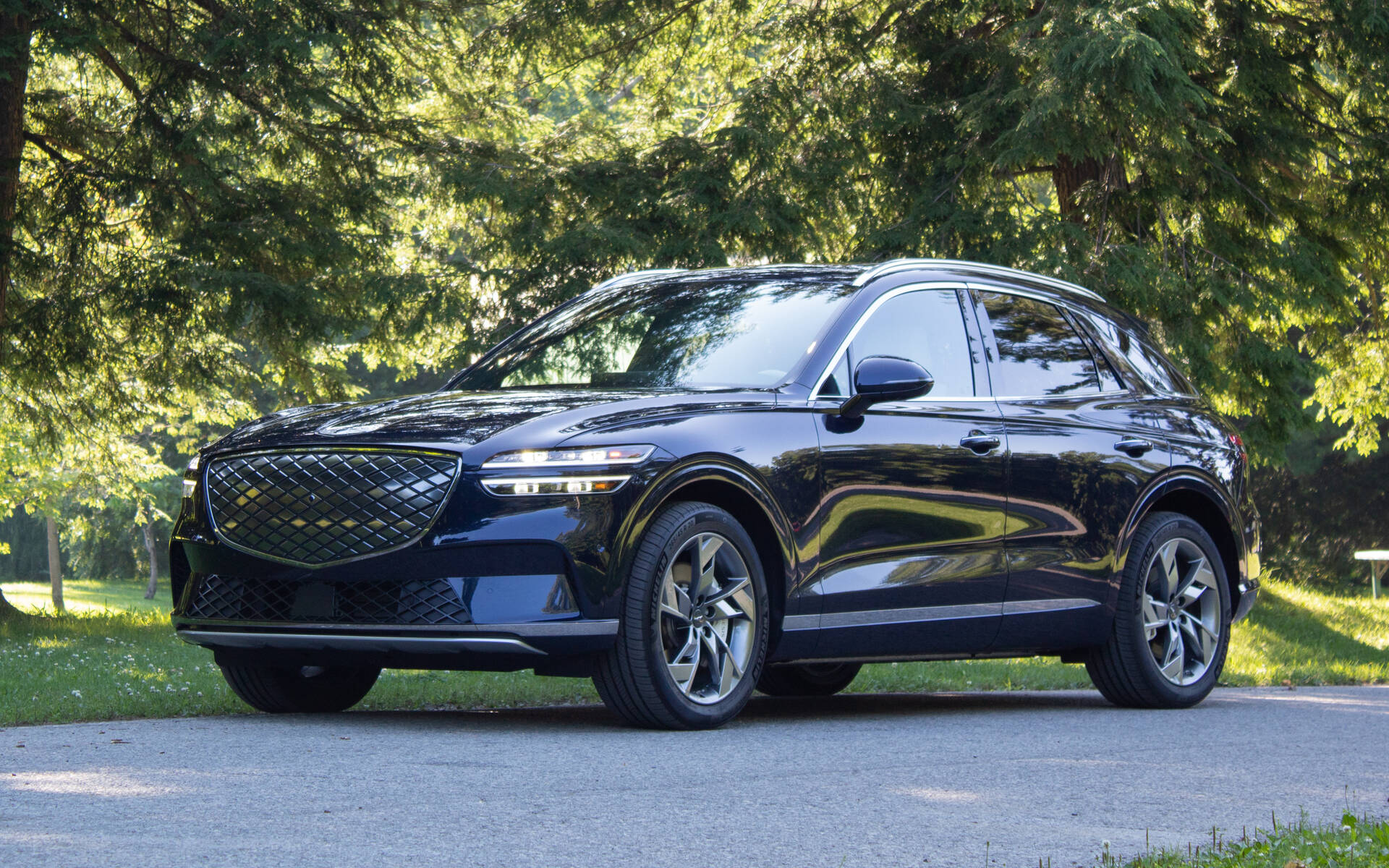
No details on the models in question, but the idea is to have “as many as possible”. Genesis will of course be able to rely on its parent company's hybrid (and plug-in hybrid) technology.