

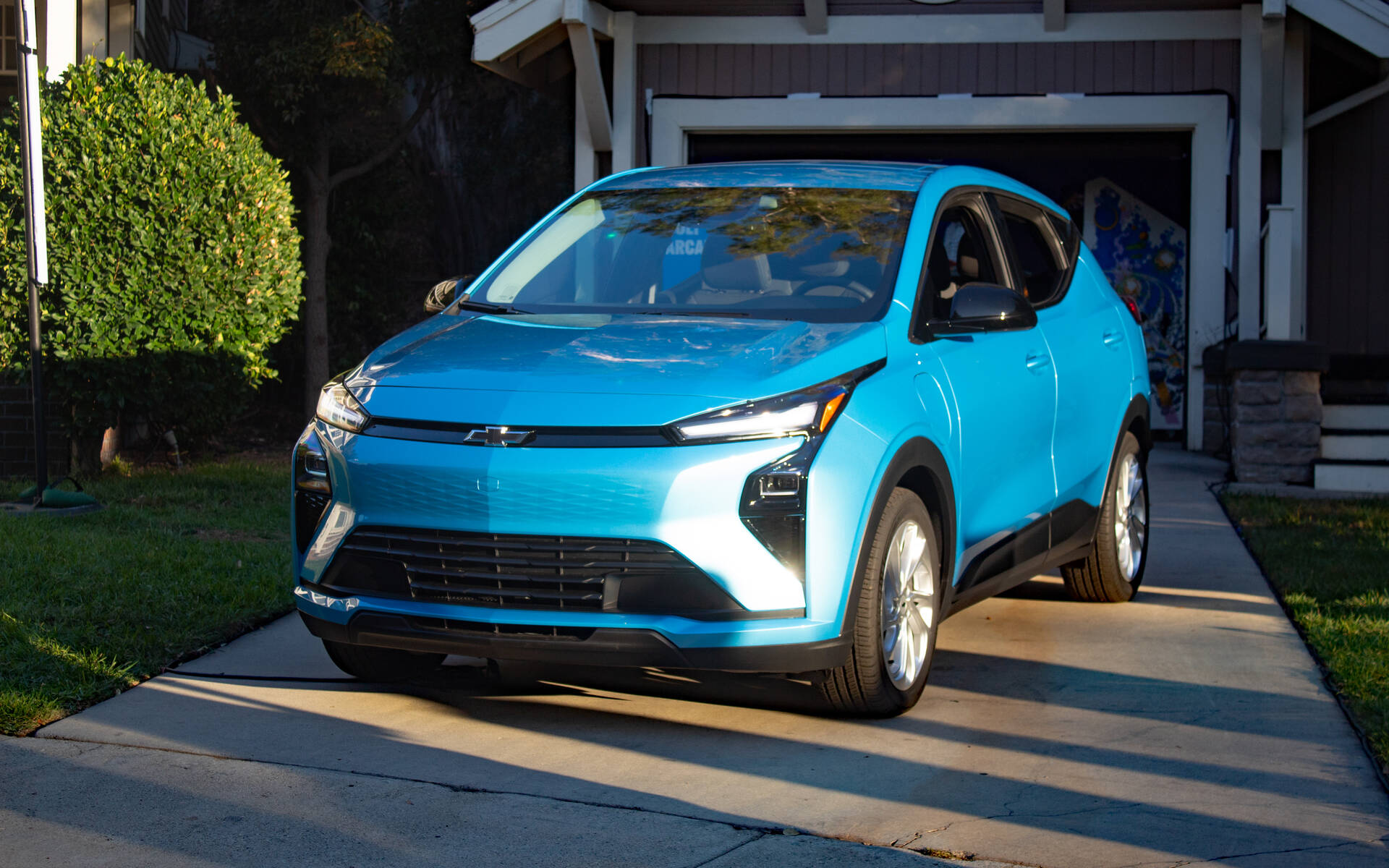
Canadian exclusive: We drove the 2027 Chevrolet Bolt
The Chevrolet Bolt EV enjoyed a successful run between 2017 and 2023, winning over many consumers with its practicality, range, and, of course, attractive price. Unfortunately, a massive battery recall tarnished its reputation, even though both the Bolt EV and EUV had positive reliability records overall.
That's now a thing of the past, because after a few years away, Chevrolet is bringing the Bolt back into its lineup of electrified vehicles alongside the Equinox EV, Blazer EV, and Silverado EV. The 2027 Chevrolet Bolt will arrive at dealerships in the first quarter of 2026 as a limited-production model. The entry-level LT model is priced at $43,470, all fees included (MSRP of $39,999). The more dynamically designed RS variant retails for $46,025, and the Bolt is manufactured at the Fairfax plant in Kansas.
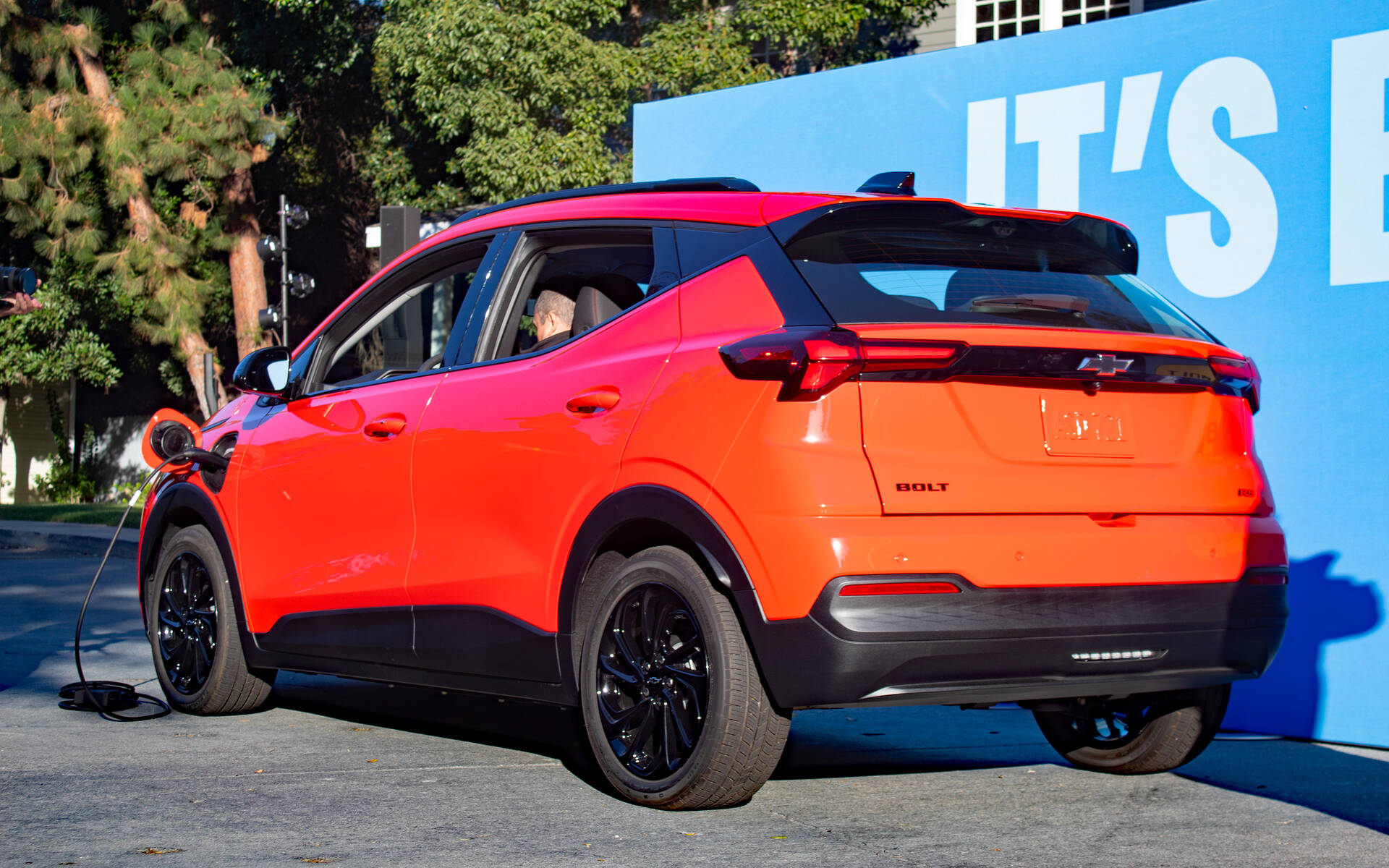
In the meantime, The Car Guide had the opportunity to take a closer look and test drive the new generation of the 2027 Chevrolet Bolt in California. Here are our impressions.
Familiar yet modernized interior
Owners will feel right at home in the new Bolt, which features an updated design and adopts the format of the previous EUV. You'll also notice that the rear turn signals are now integrated into the taillights. The RS version stands out visually with its emblems, black wheels, and roof rails. It's available in yellow with an exclusive red interior as an option.
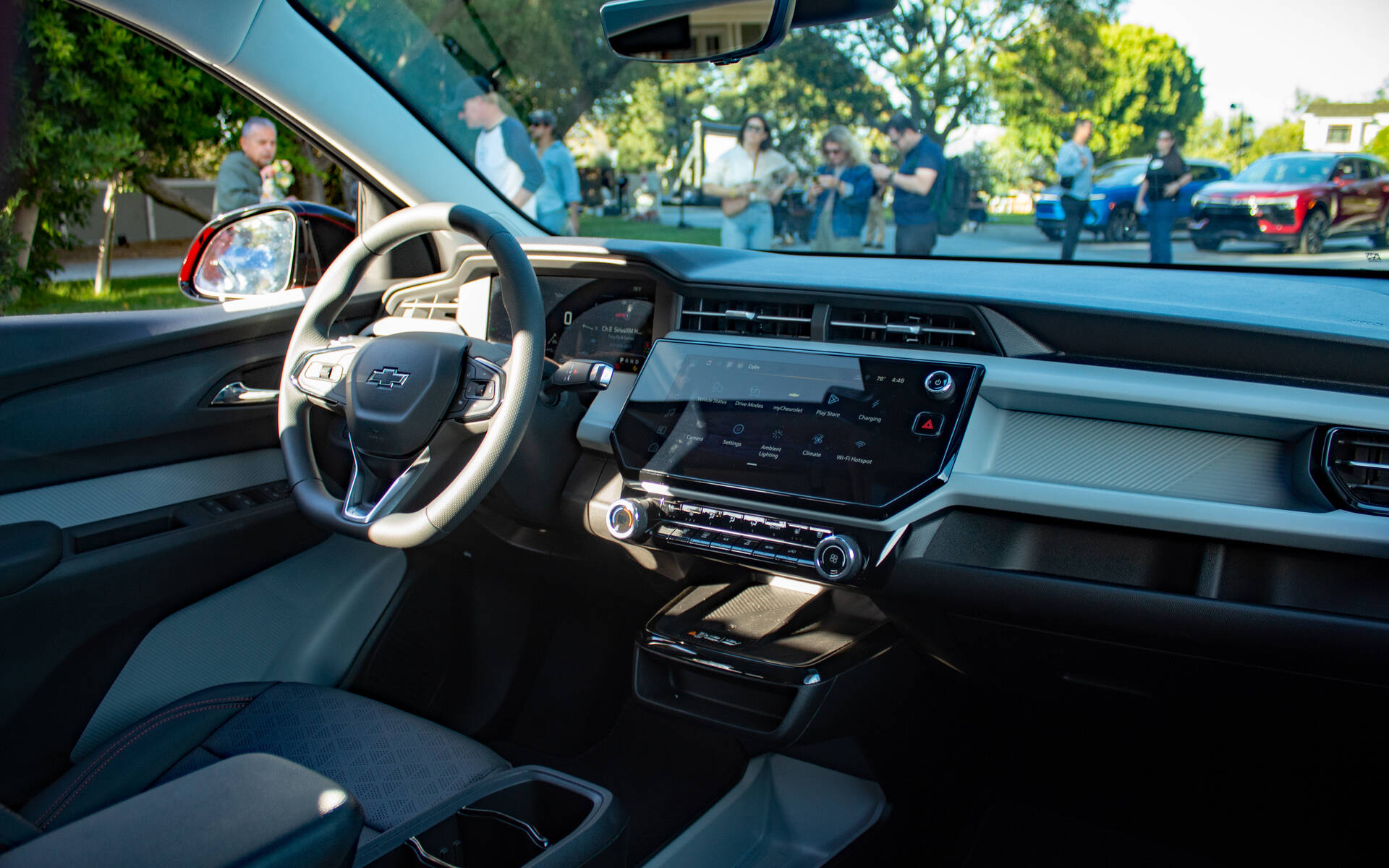
The cabin is spacious for both front and rear passengers, and the trunk includes a compartment under the floor for storing small items or the portable charging gun. On that note, there is no additional storage space under the front hood. The seats are comfortable and remain fairly similar to the outgoing model. The center console has been redesigned, as it is now open at the front and incorporates a modular cup holder that can accommodate large water bottles. The gear lever is now attached to the steering column.
In fact, the biggest difference is in terms of technology. The modernized 11-inch digital instrument cluster features the same aesthetic found in other Chevrolet products. The same goes for the 11.3-inch multimedia system, which uses the Equinox EV's operating system with Google built in—fortunately very intuitive and easy to use.
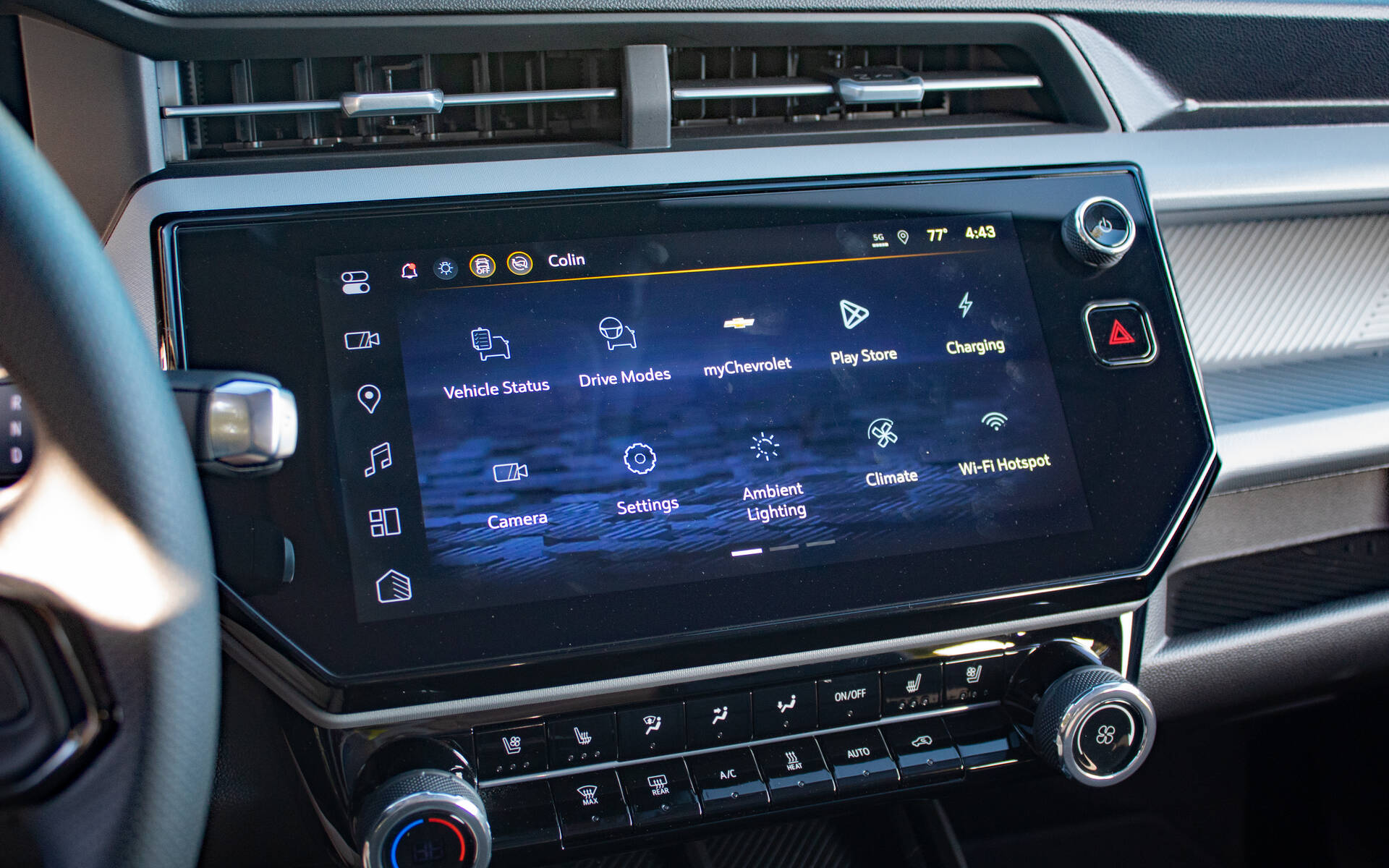
Once parked, the infotainment system allows occupants to play games and access several entertainment platforms such as Prime Video and Tubi, for example. The LT and RS models can be equipped with an optional technology package that adds Super Cruise hands-free driving. Finally, seven exterior colors are available, and 17-inch wheels are optional.
And how does it drive?
We had the opportunity to briefly test drive the new Bolt in a festive atmosphere in the heart of Universal Studios in Los Angeles. Current owners will feel right at home, as the driving experience remains similar to the previous model.
Our short drive did not allow us to record energy consumption that was representative of everyday driving. However, with its new LFP (Lithium Iron Phosphate) battery from Chinese company CATL, the usable capacity reaches 65 kWh and, according to General Motors (GM), promises a range of 410 km (compared to 397 km for the Bolt EUV and 417 km for the previous Bolt EV).
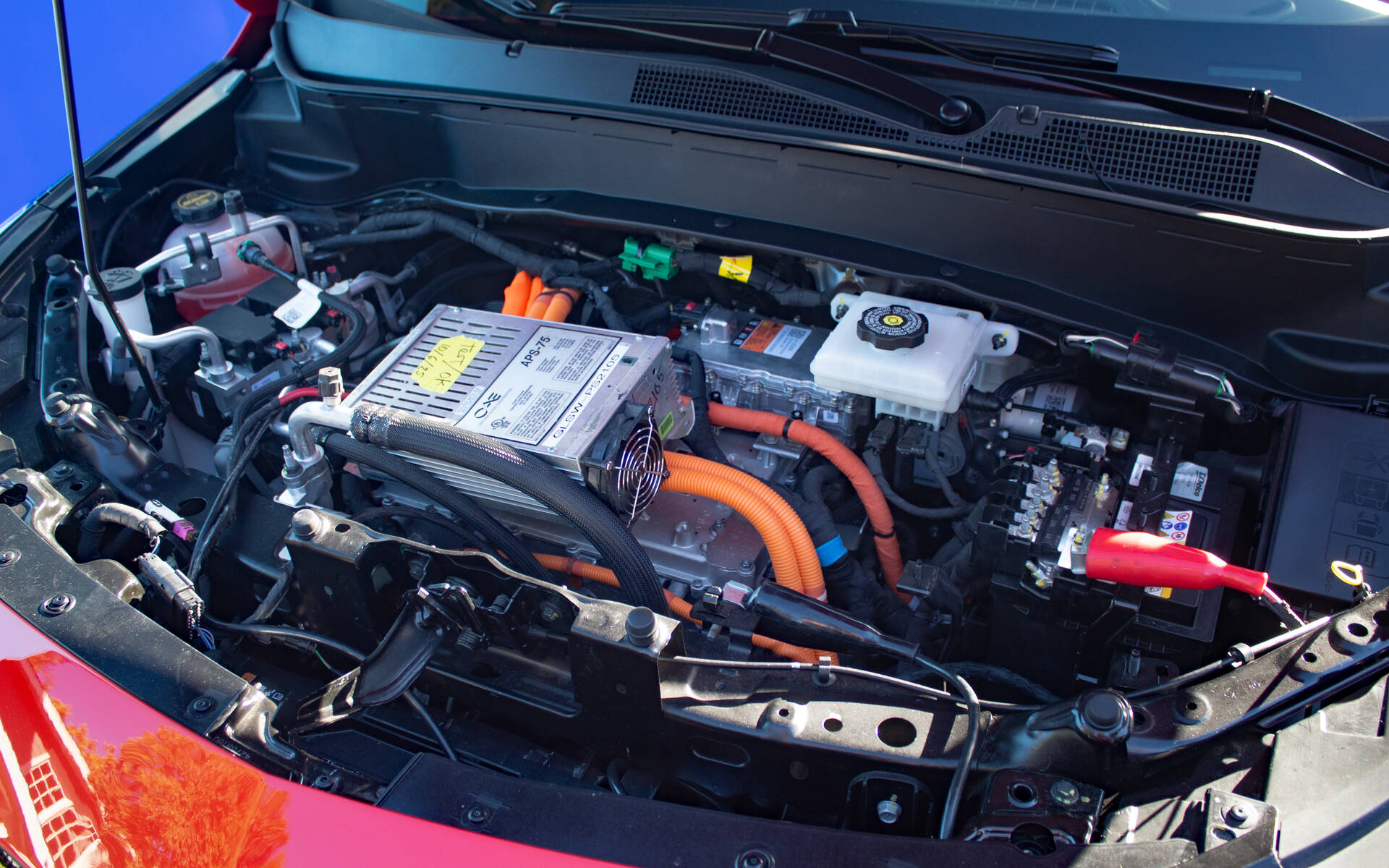
GM would eventually like to produce its own LFP battery, but the manufacturer has not disclosed any further details on this subject. The big news—which will be particularly appreciated by Bolt enthusiasts—is the significantly increased charging power, which has been boosted from 55 to 150 kW. In addition, the old CCS Combo port has been replaced by a NACS plug.

Chief Engineer Jeremy Short told us that the charging curve is much more linear than in the past. What's more, it takes only 26 minutes to recover 10 to 80% of energy. In addition, the Bolt now features a heat pump and a battery preheating system.
The permanent magnet powertrain—called X76—was developed in-house. It comes from the Equinox EV and still (and only) powers the front wheels. Despite this, acceleration is brisk, especially in the city, thanks to its 210 horsepower and 169 lb-ft of torque. Acceleration is less impressive, but it's more than enough for passing on the highway.
It's really in urban environments where the Bolt shines with its maneuverability and generous windows, giving it excellent visibility. This is enhanced by the front camera, which is activated at low speeds. Finally, the Bolt comes standard with more than 20 safety technologies and a range of ambient lighting options.
Improving on a good recipe
Affordable vehicles are becoming increasingly rare on the market, but Chevrolet is back with a name that resonates with Canadian consumers... especially those in Quebec! If nothing changes in the coming months, the Bolt could be one of the most affordable electric vehicles on the market (excluding discounts offered by certain manufacturers).
In fact, it's priced lower (including shipping and preparation) than the 2026 Kia Niro EV ($48,976), 2025 Hyundai Kona Electric ($49,266) and 2026 Nissan LEAF ($47,846 for the S+). In fact, only the 2025 Fiat 500e is cheaper ($42,290). However, although the latter is pleasant to drive, it has a much shorter range (227 km) and is less practical. Admittedly, the Bolt has gone up in price, but it remains competitive with its rivals and could be another big success.