

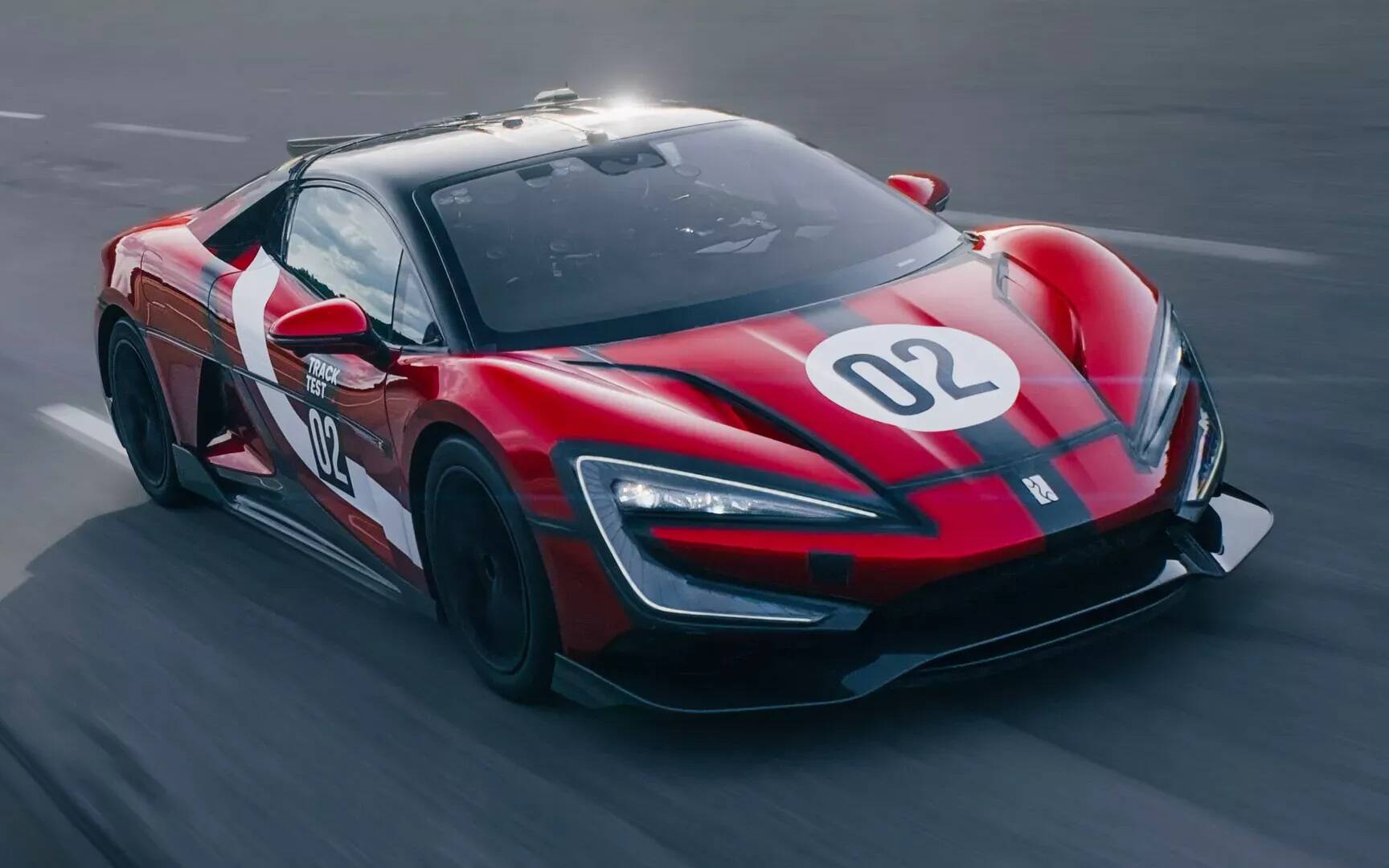
BYD's electric bomb strikes again and eclipses the Bugatti Chiron.
The YangWang U9 sports car, manufactured by Chinese giant BYD, is still making headlines. Shortly after reaching a speed of 472.4 km/h — a new record for a production electric vehicle — it returned to the track and soared to 496.2 km/h, no less.
The U9 Xtreme (formerly the U9 Track Edition) achieved this feat at the same Papenburg testing facility in Germany, and in the hands of the same professional driver and 24 Hours of Nürburgring champion, Marc Basseng.
You can see it all in a video posted on BYD's Facebook page. It appears the car could have gone even faster, but Basseng had to ease off the throttle and apply the brakes to steer away from the barrier on the left side of the track.
With this speed, the YangWang U9 Extreme surpasses the Bugatti Chiron Super Sport 300+, which had recorded a top speed of 490.5 km/h in 2019. In both cases, however, this cannot be considered an official record. For that, the average of two runs in opposite directions must be calculated. According to this standard, the SSC Tuatara remains the fastest production car in the world, with an average speed of 455.3 km/h.
Still, this is a new demonstration of the technological power of Chinese automakers. In fact, the U9 Extreme also claims the title of the fastest production electric vehicle on the Nürburgring Nordschleife circuit, with a lap time of 6:59.157 minutes.
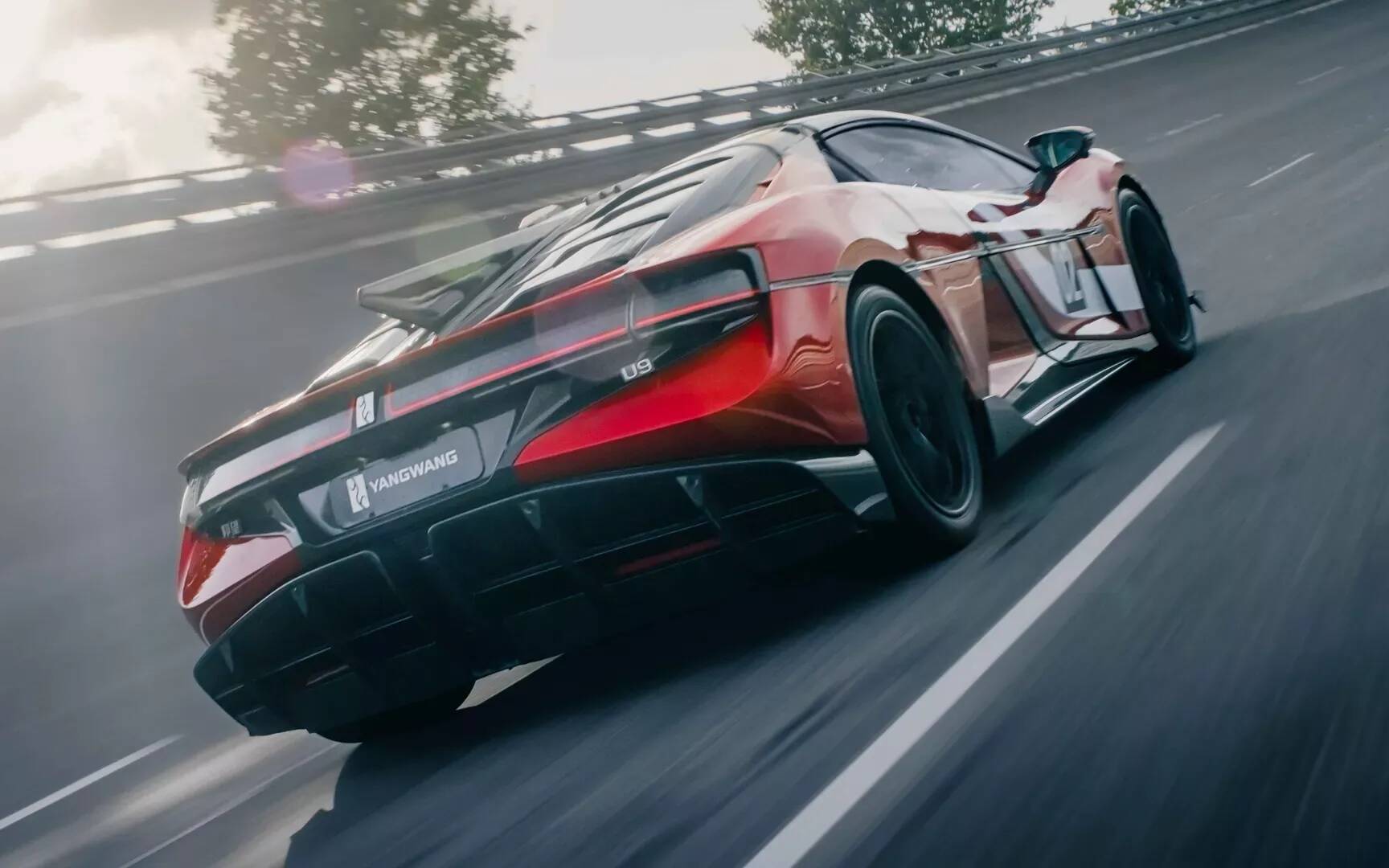
By the way, its four electric motors can spin up to 30,000 rpm and generate a total of just over 2,950 horsepower. It is also the first production car to feature a 1,200-volt platform and batteries that are significantly denser than those in any other BYD models.
Additionally, its highly advanced drivetrain can adjust torque distribution to the wheels more than 100 times per second, and its intelligent chassis control system — the same one that allows it to lift off the ground when needed — constantly makes fine adjustments to the suspension to minimize body movements.
Only 30 units of the YangWang U9 Extreme will be produced.