

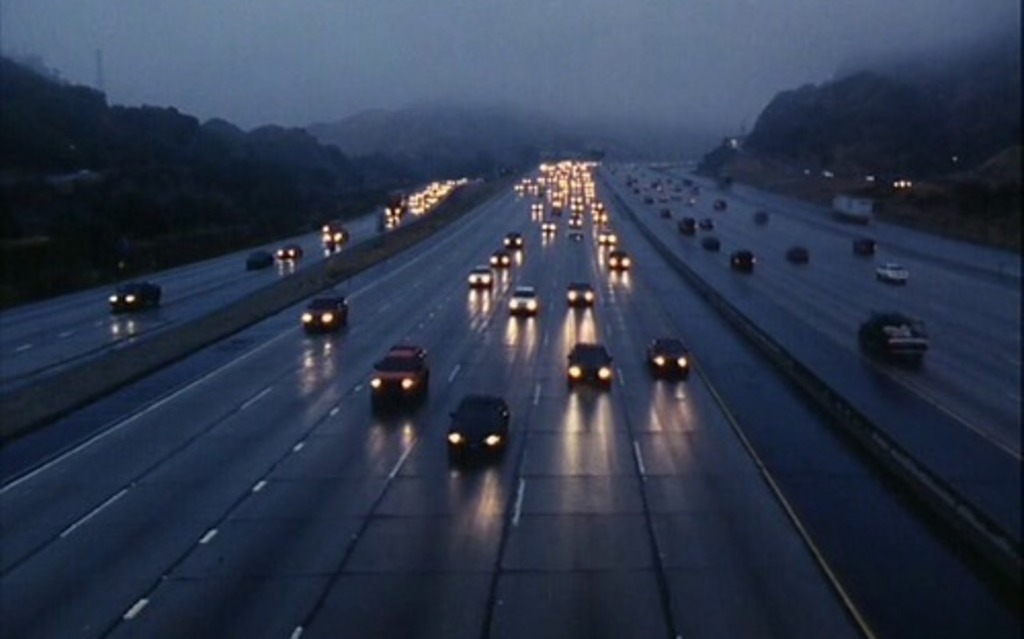
Adapting your driving at night
Driving at night brings its own set of challenges. Driver fatigue, reduced visibility and glare from other vehicles' headlights are risk factors that require you to adjust your driving to ensure your safety and the safety of others.
The driver and his vision
At night, vision is affected by the reduction or absence of natural light. Unfortunately, headlights do not completely fill this gap. Contrasts are diminished, which modifies the perception of depth and movement. In this way, objects illuminated by headlights lose some of their color. The movements are more difficult to identify. Fixed objects, on the other hand, melt into the darkness, which makes it impossible to distinguish them and thus to evaluate their distance adequately. Objects can therefore be perceived too late and cause an accident.
To properly read the road, you must:
- Look beyond the range of the headlights
- Reduce speed (to match the driver's vision)
- Increase distance to the vehicle you are following
- Make sure you always have a clean windshield
The vehicle
Make sure your headlights are clean and properly adjusted. Be aware that it is mandatory to dim your headlights at least 150 metres before passing another vehicle, when following another vehicle or when the road you are on has sufficient lighting. To avoid glare when passing a vehicle, turn your head to the right. Do not look at the headlights of oncoming vehicles.
Make sure your tail lights are in order as well. Interior lights should be turned off at all times to avoid glare. Dashboard lights should be set to minimum when there is little or no light on the road. This will prevent eye strain.
Reduce speed
It is important to mention this again, as it is the most important thing to do when driving at night. Also be aware of animals on the road, they may be present even if there are no signs indicating this.