

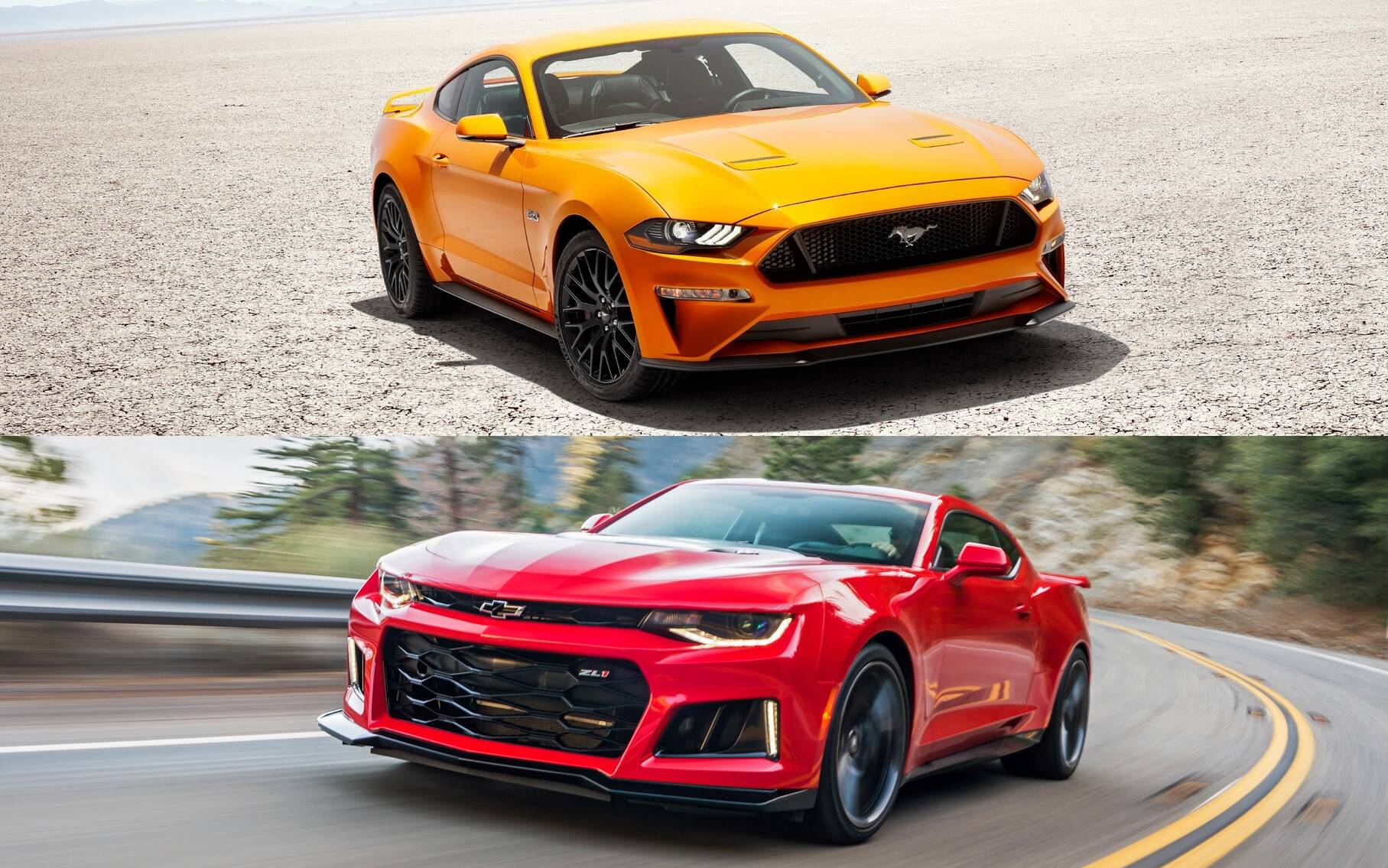
Pre-Owned Ford Mustang or Chevrolet Camaro: Which One Should You Choose?
The Ford Mustang and the Chevrolet Camaro are eternal rivals that have been part of the automobile landscape for over 60 years. These two sport coupes are very popular with those who love high-performance cars and big 8-cylinder engines, but their most recent generations, believe it or not, are also offered with much smaller 4-cylinder engines.
Of course, their power and sound don’t match the V8’s, but they benefit from a better fuel economy and a reduced weight that makes them more agile on the road.
Which one would you choose? Mustang or Camaro? Not an easy question! Assuming that there is no Ford or Chevrolet logo already tattooed on your heart, we can give a few answers based on some facts and numbers. To make it a little bit easier, we’ll focus on the current generations, which have been introduced for model year 2015 (Mustang) and 2016 (Camaro).
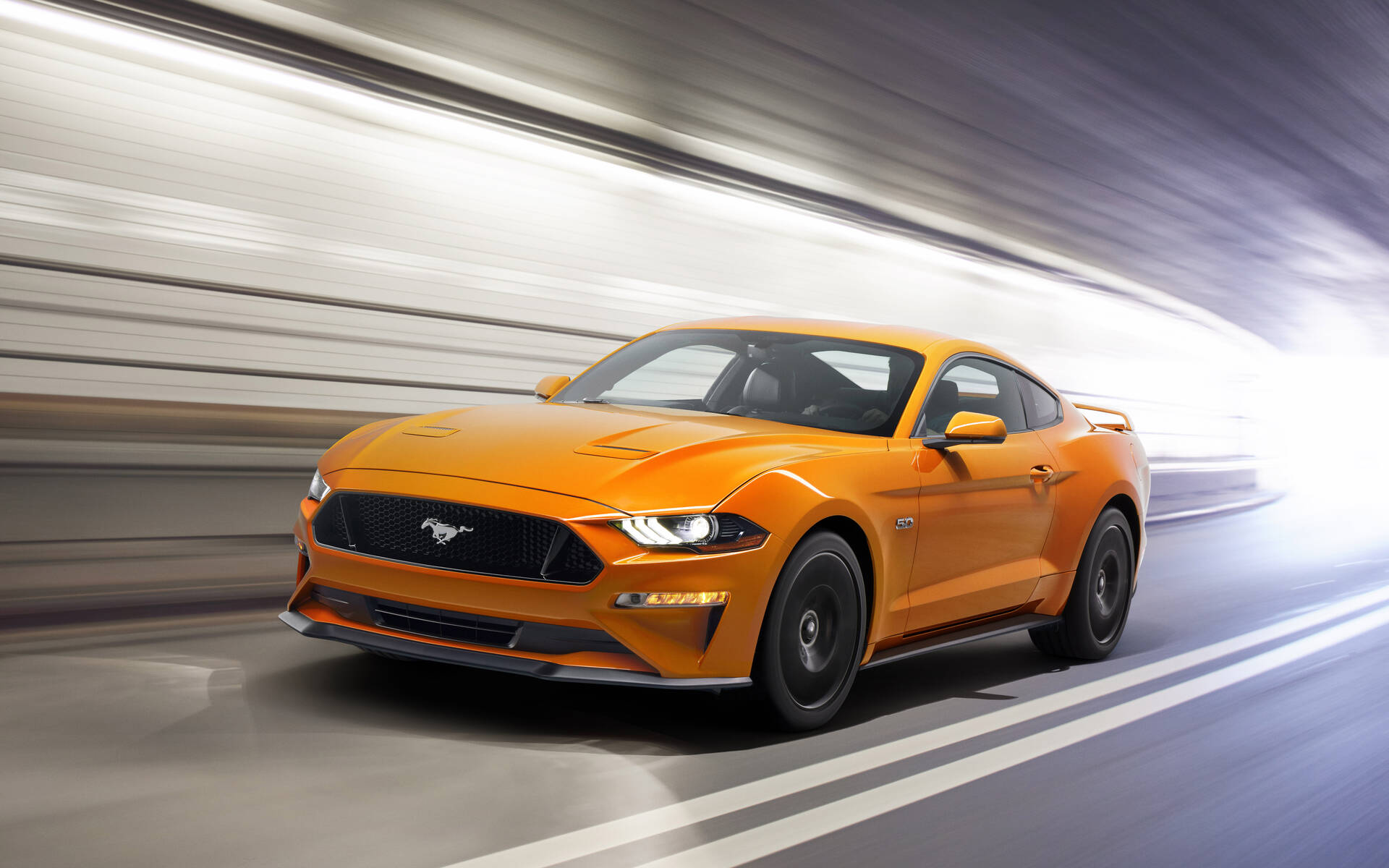
First, each one is available in several trims with four, six and eight cylinders (the mustang abandoned its V6 in 2018), and with a six-speed manual transmission, or a ten-speed automatic. If your budget is limited, or if four cylinders is enough for you, the Mustang offers significantly higher amounts of horsepower (310 versus 275) and torque (up to 350 ft-lb versus 295 ft-lb).
However, the Camaro wins more points with its V6 (335 horsepower versus 300) and V8 (455-650 horsepower versus 435-526). The only exception is the Mustang Shelby GT500, introduced in 2020, which is in a class of its own, with 760 horsepower. As for their fuel consumptions, if that’s relevant to you, they are pretty similar, but the Camaro’s V8 is a little bit thirstier than the Mustang’s.
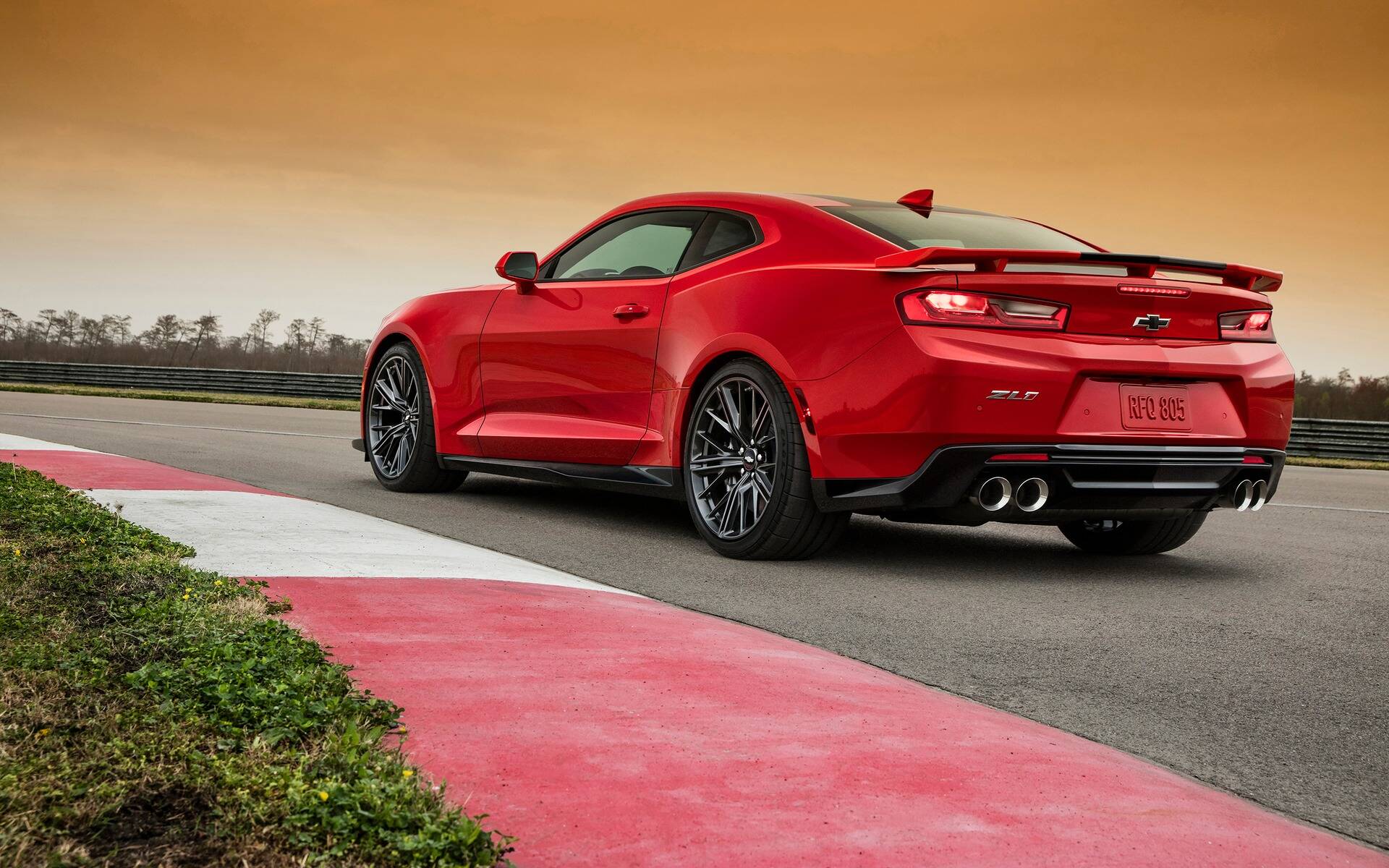
We won’t talk about design much, because it’s all a matter of taste, but be aware that Chevrolet’s robust Transformers looks was achieved at the expense of visibility, which is quite poor. With Ford, it’s not as bad.
Handling-wise, the advantage goes to the Camaro, notably because its various trims are generally lighter by a good hundred pounds. The mustang, which still handles very well, shows a little bit of sway and instability.
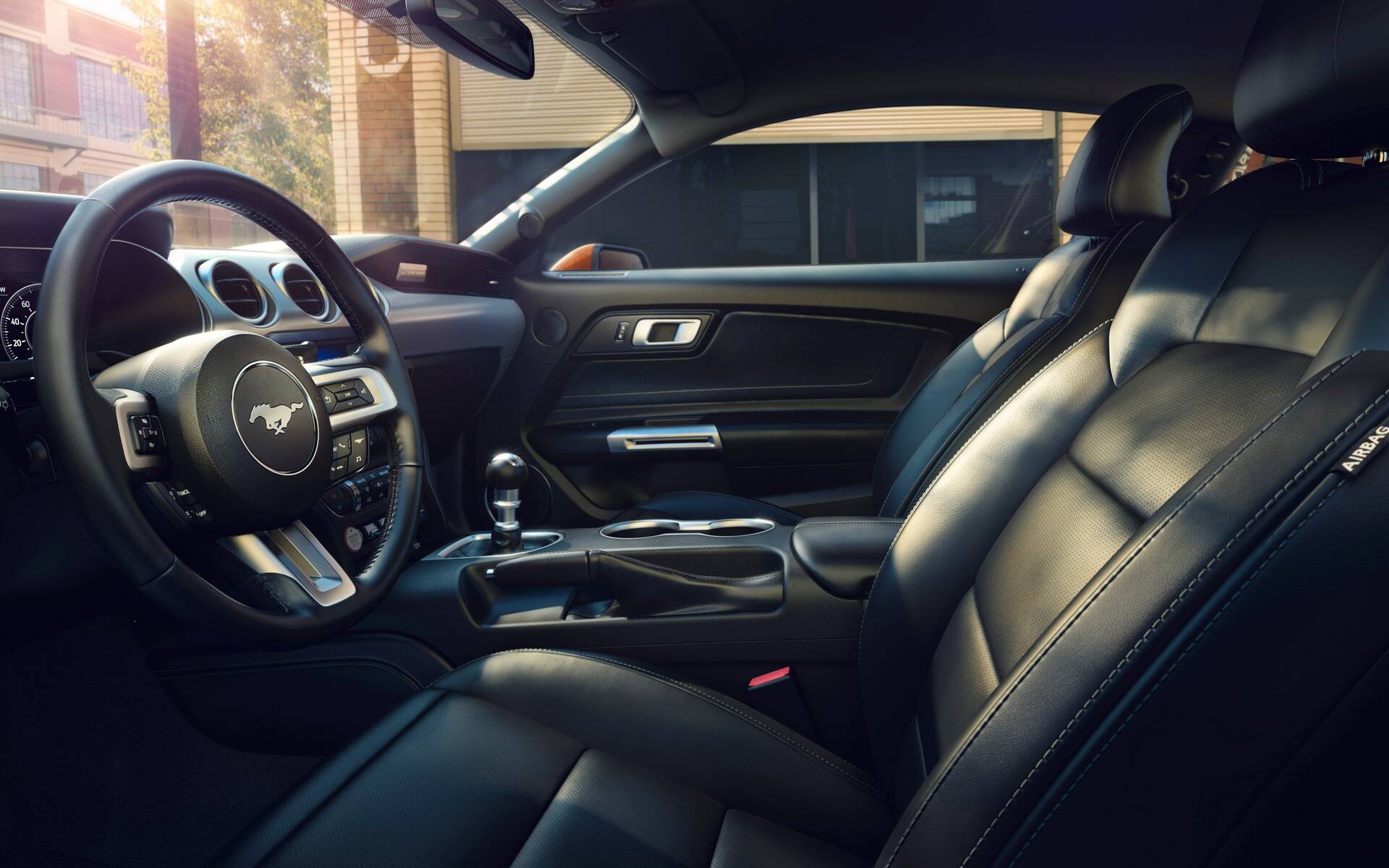
And when comparing their convenience, the Mustang has a bigger trunk, more spacious rear seats and better safety features, thanks to the Co-Pilot360 system. This last item is probably what really sets the Mustang apart from its great American rival.
As a buyer and a driver, what are your needs, preferences, and priorities? We hope this short article helps, but we strongly recommend you try them both in quick succession to make an enlightened decision.