

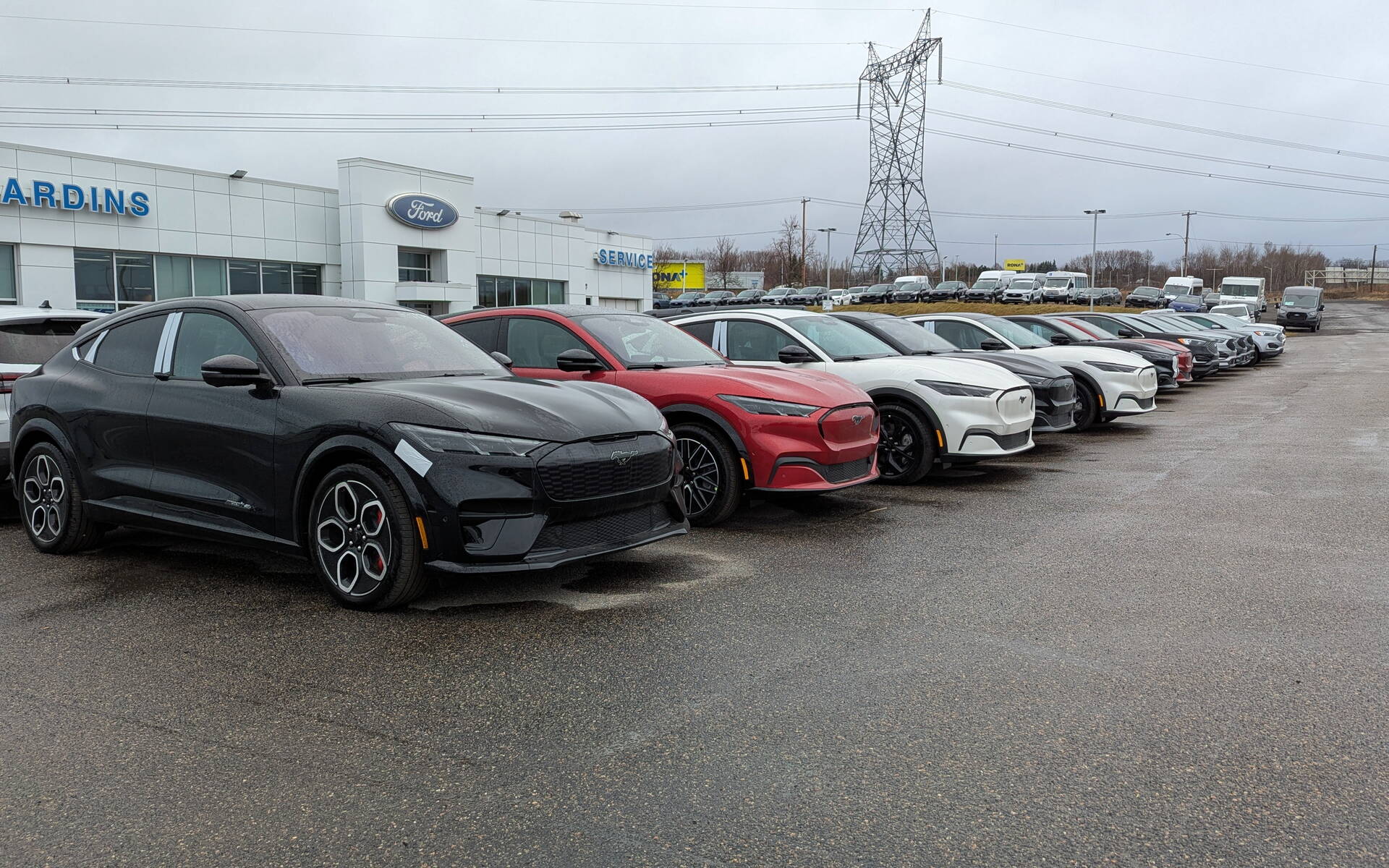
We need to make room in electric vehicle dealership lots for the 2026 models.
The discounts offered by several manufacturers on electric vehicles (EVs), particularly in September, are the result of rising inventories, a phenomenon that is also affecting gasoline-powered cars this year.
And if EV inventories are so high, it is because of sales, which have suffered from the drastic reduction in government subsidies.
"This is linked to the reduction in government rebates. The targets for electric vehicles were very high this year (22%), and sales have not met expectations. Including hybrids, they are at 14.7%. Electric vehicle inventories are very well stocked. We still have a lot of 2025 models and pressure to bring in the 2026 models. Manufacturers are helping dealers with promotions," explains Ian P. Sam Yue Chi, CEO of the Quebec Automobile Dealers Corporation (CCAQ).
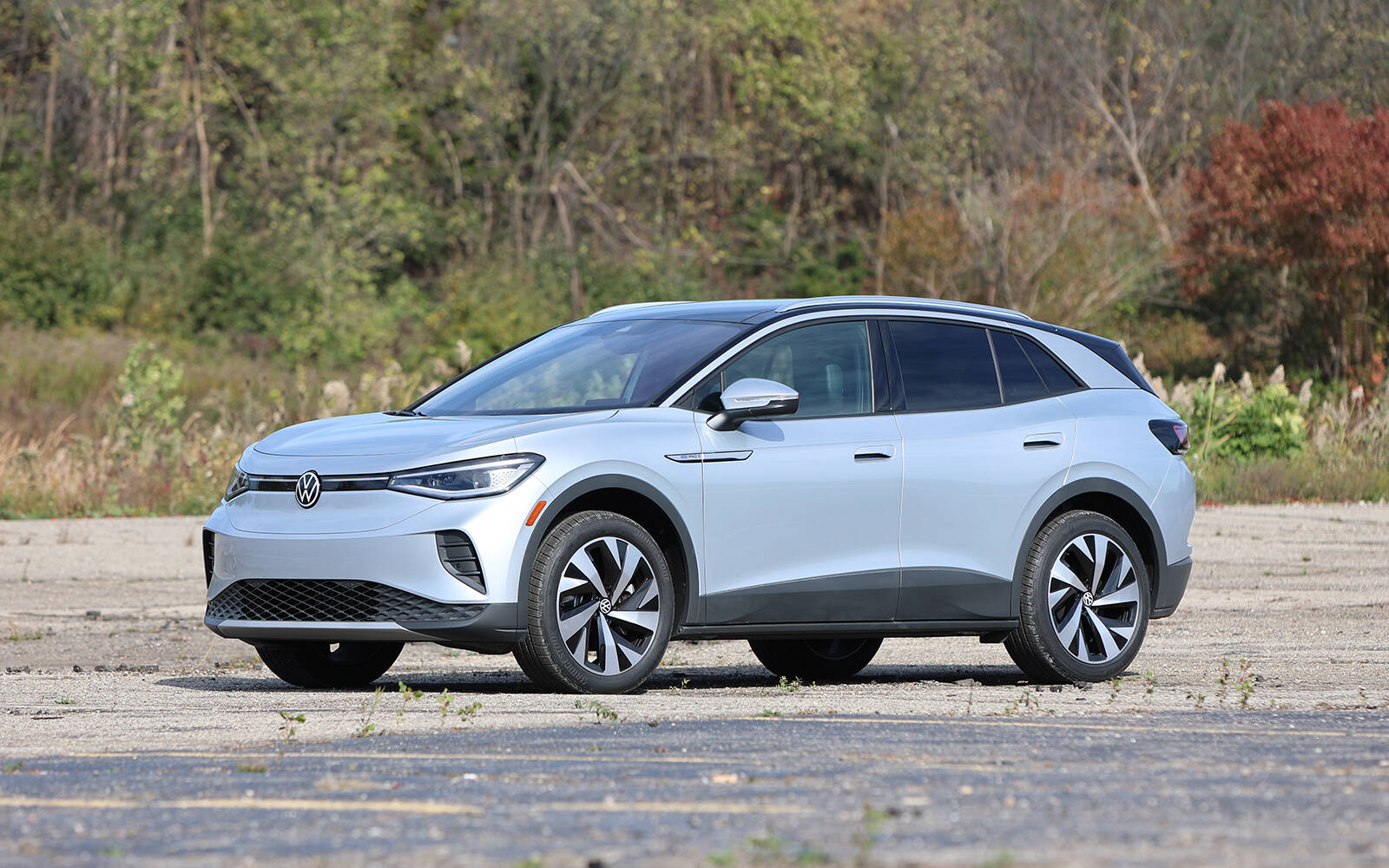
The entire market contracted. Vehicle sales—all types of engines combined—fell by 5% in August in Quebec, according to figures obtained by Mr. Yue Chi.
"Dealers had to beg manufacturers to give them some breathing room. Many had ordered EVs in large quantities. We knew that Quebec's subsidy was going to be reduced, but Canada's subsidy disappeared faster than we thought. Some found themselves with large inventories of vehicles that suddenly became less attractive to consumers,“ said Jesse Caron of CAA Quebec.
”As long as these vehicles are on their lots, dealers are paying interest on them. If they're not making a profit by selling them, at least they've stopped paying expenses," he added.
Other discounts to expect?
In the context of less generous subsidies, can we expect promotions to return or continue?
"There is a limit to how much manufacturers can offer in promotions. There is a cost associated with them. We could see the market contract because manufacturers will not have the capacity to run promotions at a level that the market responds to,“ fears Mr. Yue Chi.
”Discount programs are generally monthly. In the fall, there are usually a lot of them to clear out the current year's models. We could expect this to continue (for EVs), especially given that the provincial subsidy will be reduced further and there is no indication that the federal subsidy will be reinstated," says Mr. Caron.
Prices
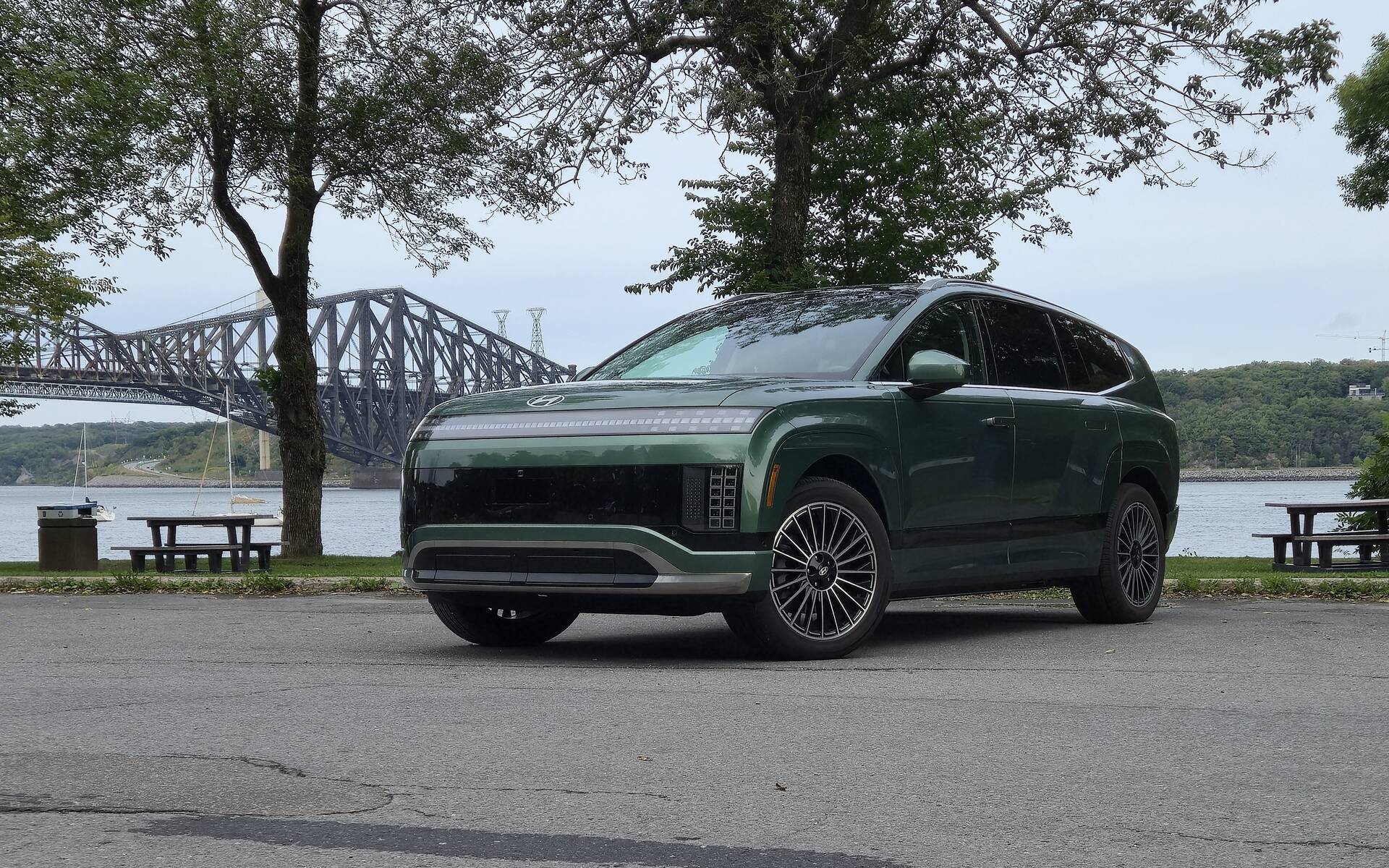
In its investigation, The Journal noted that the recently launched seven-seat Hyundai IONIQ 9 SUV was priced at just $4,500 more than the much more compact IONIQ 5 in its base version. Two comparable gasoline-powered vehicles would have a more significant price difference. Are prices for new EVs starting to fall?
“The more electric vehicles we sell, the more we recoup our investments, and the more we are able to sell them at a lower cost. There is a movement happening at this level. It looks good for the future,” says Ian P. Sam Yue Chi.
"It's starting to become apparent, actually. Were manufacturers relying on subsidies to charge higher prices and recoup more of their investments? That was also Quebec's gamble in reducing its subsidy to ensure that manufacturers offer EVs at more affordable prices. Today, the biggest obstacle is price rather than range," says Jesse Caron.
He also urges people to do their math carefully, because promotions, particularly on financing, can make an EV much more affordable than you might think.
You have to look at the transaction price. I recently compared the monthly payments for a gasoline-powered Chevrolet Equinox with an electric one. Despite a $10,000 difference between the two similar versions, the electric model cost only a few dozen dollars more per month thanks to the government rebate and the interest rate promotion."
What manufacturers are saying
The Journal also asked GM, Volkswagen, and Kia about their pricing policies in light of the end of government subsidies, but only Hyundai and Ford responded within the given time frame.
"We regularly adjust our commercial strategy in line with market developments and government policies. Our goal remains to make electric vehicles accessible to as many consumers as possible," wrote Hyundai spokesperson Frédéric Mercier.
Ford responded in a similar vein.
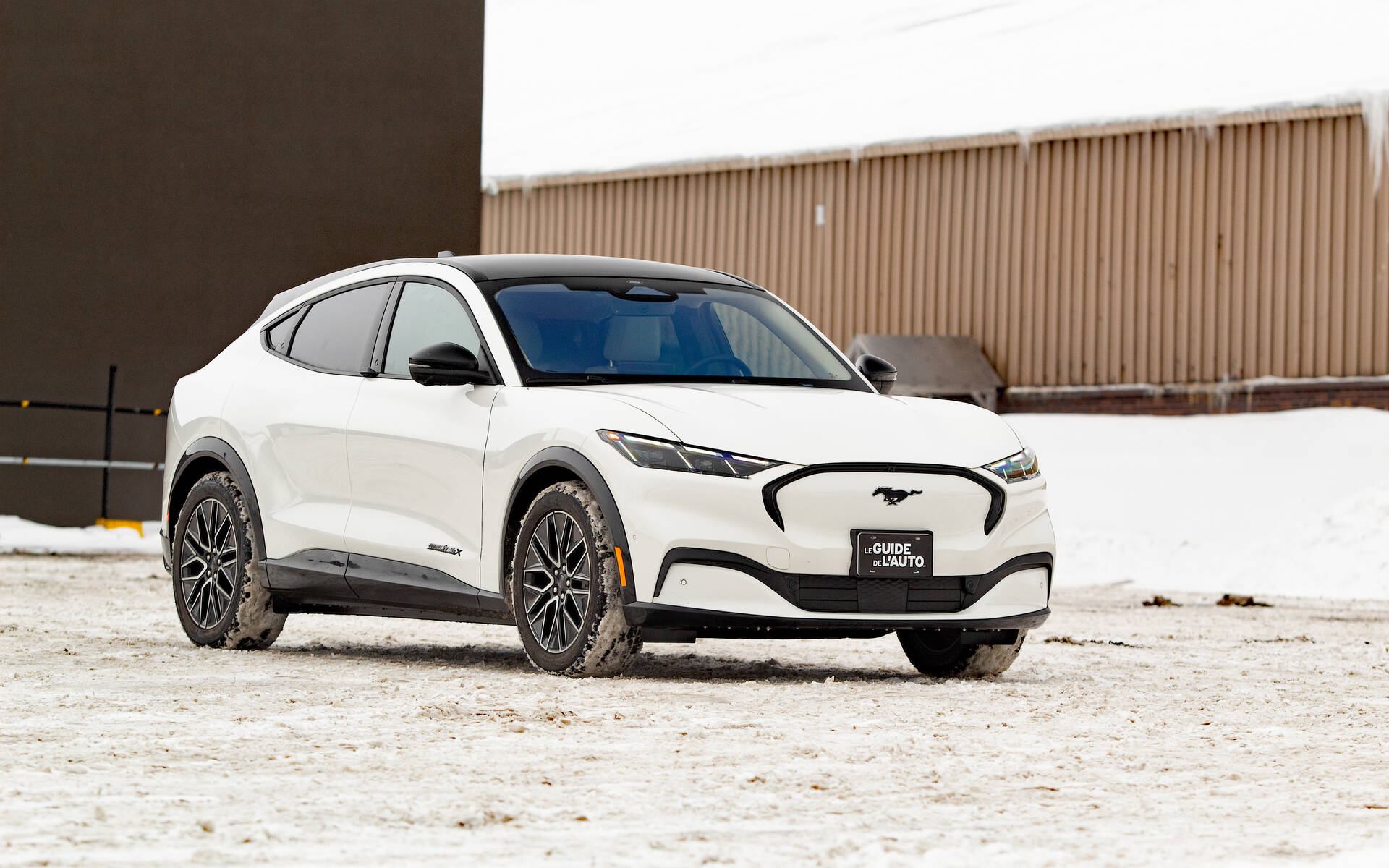
The incentives currently offered on the Mustang Mach-E are part of Ford's overall commitment to making electric vehicles more accessible to Canadians. While they may help manage inventory for the 2025 model year, they are also intended to offset the reduction in federal and provincial incentives, ensuring the continued adoption of electric vehicles," explained Kamran Niazi of Ford Canada.
He added that Ford is committed to supporting the transition to electrification and that closing the price gap between electric vehicles and gasoline cars is “a key priority for Ford.” This commitment was reinforced by CEO Jim Farley's recent announcement of a new mid-size electric truck, scheduled to launch in 2027 with a starting price of around $30,000. Farley described it as a “Model T moment” for Ford, marking a major breakthrough in terms of accessibility, design, and innovation.