

The difficulties of driving electric
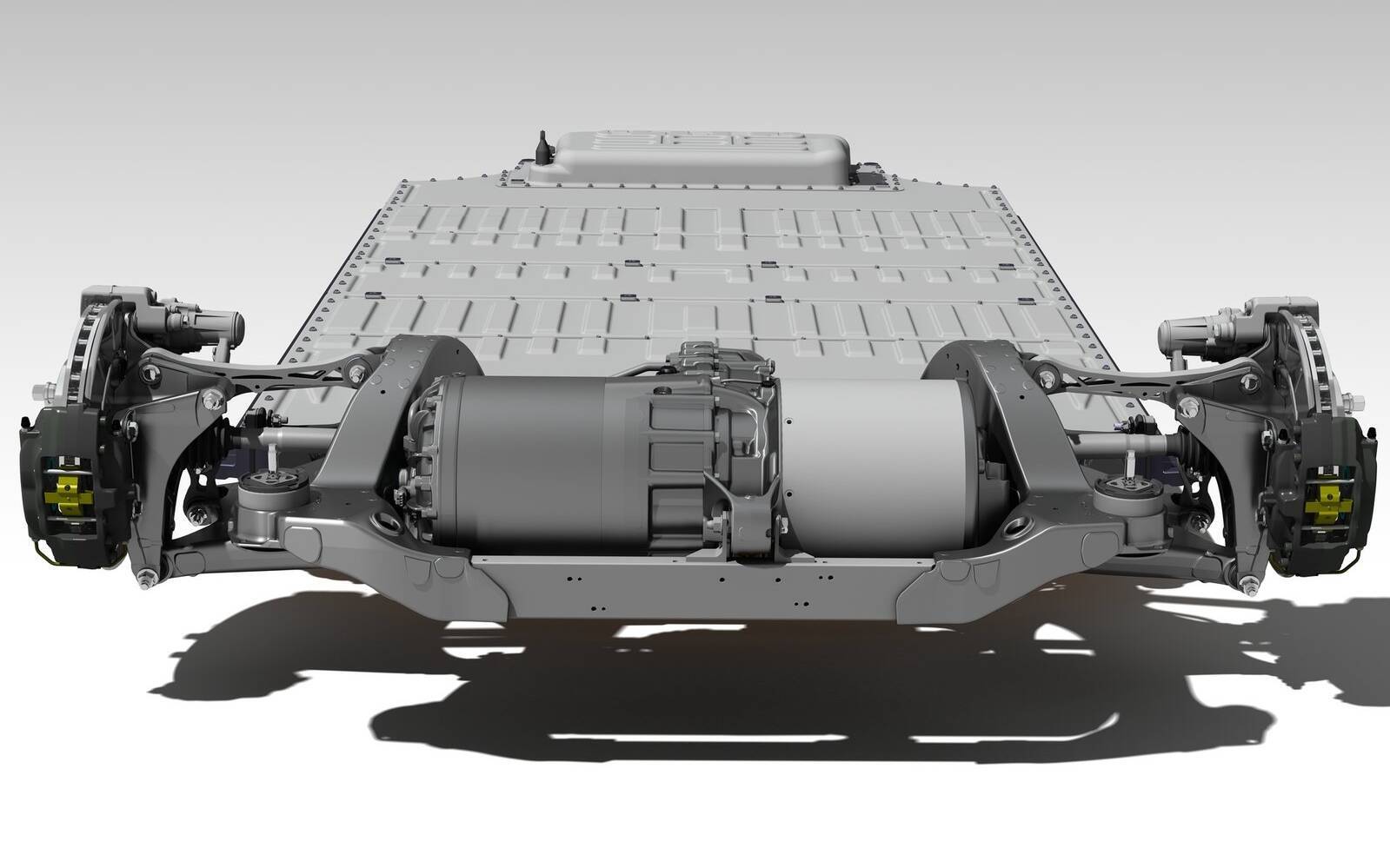
More and more Quebecers are adopting electric cars, a good thing since the province aims to ban the sale of gasoline-only vehicles by 2035. Reducing dependence on fossil fuels and greenhouse gas emission is a great thing, but with new technology comes new realities. From purchase to daily use, here are the challenges to consider.
1 – Delays that make you lose patience
The shortage of electric vehicles is discouraging many potential buyers. For some brands, customers who placed orders two years ago are now receiving their cars. Although the situation is improving, manufacturing and delivery times remain long. Experts believe it will take a few more years for the automotive market to catch up.
2 – Price is still a barrier to purchase
More than half of Canadians (58%) who plan to buy a vehicle in the next five years would like it to be more environmentally friendly, but 42% will end up choosing a gasoline-powered car because of the higher prices of electrified models. That's according to a KPMG survey. The reasons buyers will settle for a gasoline vehicle are high prices (26%), anxiety about the range and charging infrastructure (14%), or waiting lists and delivery times (8%).
"The survey indicates that the recession and significantly higher financing rates have brought about a certain pragmatism: consumers are opting for what's available rather than waiting for the 'life-changing' vehicle," explained Damiano Peluso, partner and national automotive leader for KPMG in Canada.
3 – Autonomy, a source of stress
The number one question that comes up when buying an electric car is the autonomy. And in our country, we have to take into account a reality that has a strong impact on batteries: the cold.
In some cases, we can observe a loss of autonomy of up to 40%.
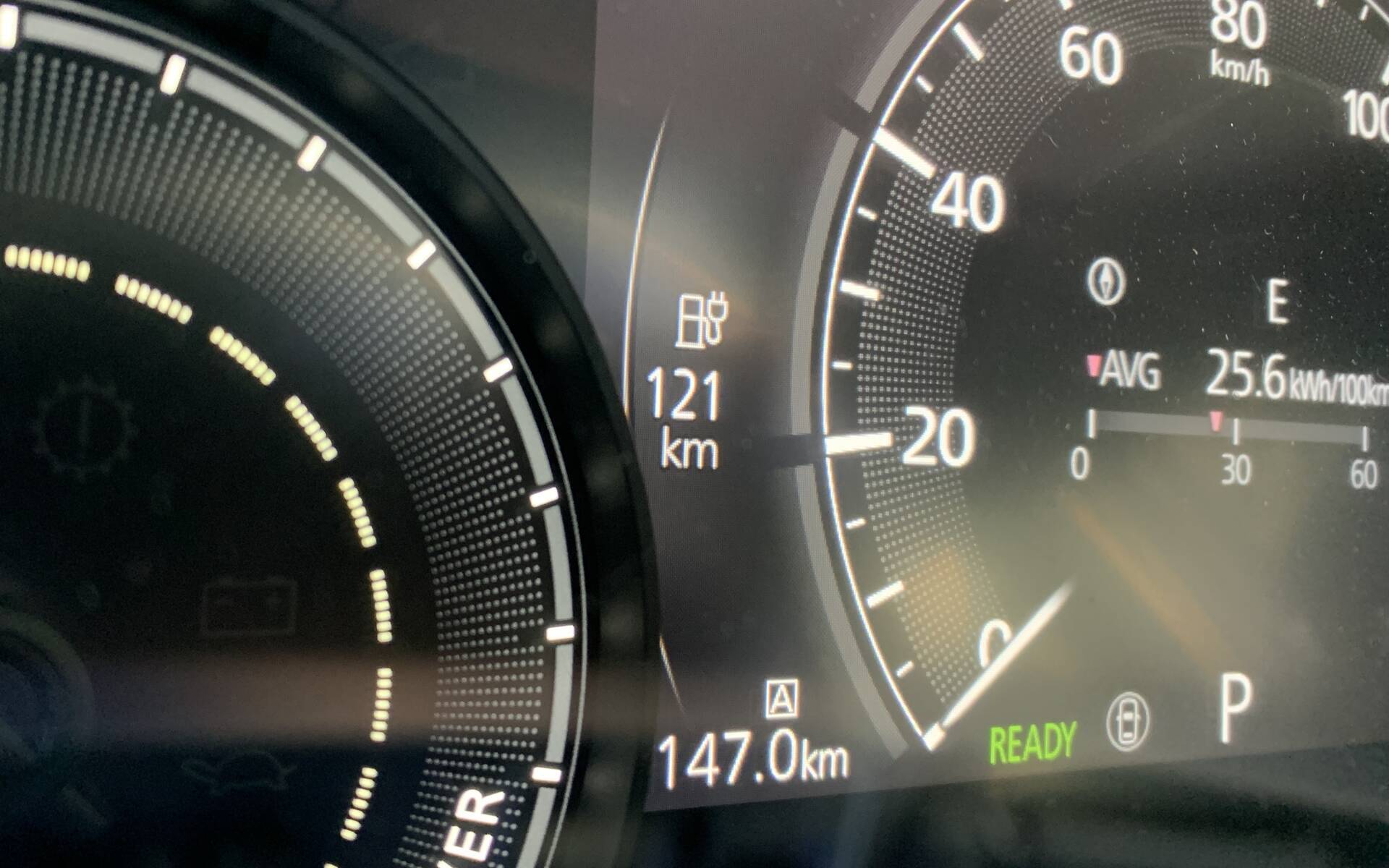
There are many reasons for this. At low temperatures, electron transfer is slower in the battery and the car's management system will use more energy to maintain an optimal operating temperature. Then there is the higher power consumption for heating.
While a combustion vehicle mainly recovers heat from the engine, an electric vehicle uses the energy from the battery to heat the cabin.
Fortunately, there are ways to partially correct these problems. First, when the vehicle is parked, manufacturers recommend that it be left connected to a charging station in very cold weather (below -20 degrees), regardless of the charge level. Then, the driver can activate the preheating parameters on the dashboard in order to condition the battery and the interior before departure.
On the road, heated seats and a heated steering wheel can be used to reduce heating. Finally, some vehicles have been offering heat pumps. That said, not all models are equal. Some are more resistant than others to temperature drops.
4 – The variable recharge time
This is a new parameter to take into account when managing your trips. In theory, calculating the recharging time of an electric car is very simple. You simply divide the capacity of the vehicle's battery in kilowatt hours (kWh) by the power of the charging station in kilowatts (kW), and you get the time required. As a demonstration, let's take a Chevrolet Bolt 2023 with a 65 kWh battery. Here is the time required to recharge this car from an empty battery on different types of charging stations:
-Residential 120V outlet with dedicated 15 amp fuse (1.4 kW): 46 hours and 26 minutes
-240V level 2 charging station (7.2 kW at 30 amps): 9 hours and 2 minutes
-Intermediate power terminal (24 kW): 2 hours and 42 minutes
-Fast charging station (50 kW): 1 hour and 18 minutes
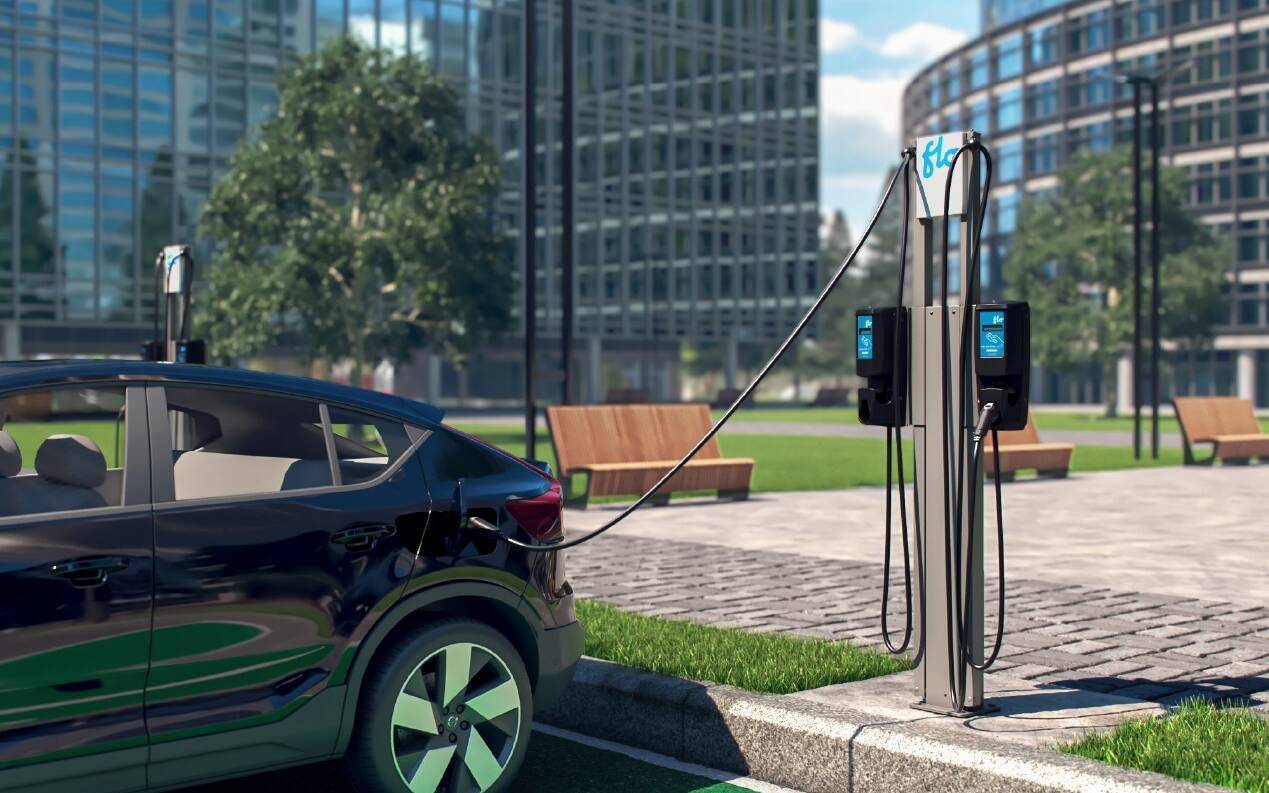
Simple, right? In theory yes, but in practice not really. Fast charging is controlled by the vehicle's charging management system (BMS). The BMS sets the charging current according to criteria of temperature, battery cell voltage, charge level, etc. The result is a power curve that varies with temperature and time. Typically, the power will rise quickly after the initial connection, then, after a certain level of charge, will start to decrease.
It should be noted that not all BMSs are programmed in the same way. In addition, many manufacturers now offer battery preconditioning: while the vehicle is moving, the system uses energy to warm the battery to a level that allows for optimal charging speed.
In addition, the good news is that on Quebec's highways, it is now more common to find a Circuit Électrique fast charging station than a Tim Hortons restaurant.
5 – The use in the city, a headache?
What happens when you find yourself in a situation where it is impossible to install a charging station when you live in an apartment and have to park your vehicle on the street? It depends a lot on the total range of the vehicle and the annual mileage of the driver.
With charging infrastructure having evolved to the point where you no longer need to carry around a 100-foot extension cord (!), let's take a look at the main options available to drivers without a fixed parking spot.
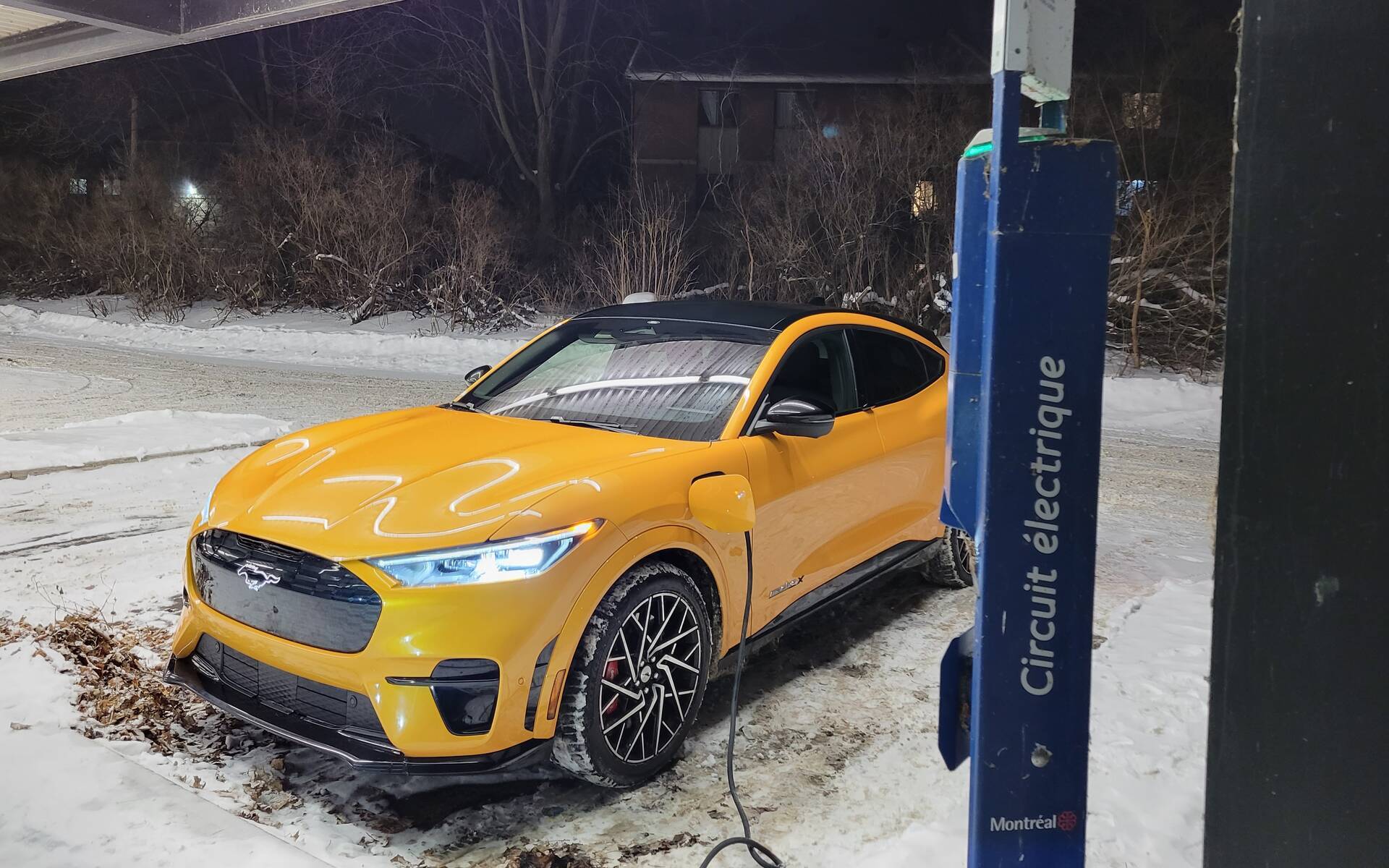
-Recharge with a street charging station: there are more than 1,000 on the island of Montreal alone! There are also on-street charging stations in the parking lots of several boroughs, which can be particularly useful during snow removal operations. There are about 350 of them in Quebec City. However, there are a few drawbacks. First, you have to disconnect your vehicle if you don't want to pay for its use once the recharge is over. Then, you have to move it, and that can be difficult at night in some neighbourhoods.
-Charging at work: some companies offer their employees subsidies linked to the "Go Green" program and install charging stations.
-Recharging at the mall: many businesses offer charging stations to their customers.
6 – Insurance could cost more
In some cases, switching from gasoline to electric could increase your insurance premium, according to research by the Car Guide. This seems counterintuitive. There are four reasons for this:
-The complexity for an insurer to honour its obligations following a claim, considering the scarcity of electric vehicles on the market. The same is true for the availability of parts.
-Secondly, the cost of these parts is generally higher than for a gasoline car.
There is a risk associated with semi- or fully autonomous driving technologies, most commonly installed on electric vehicles. If the accident is caused by a failure of the technology and not due to human error, the driver and therefore the insurer remains liable.
-There is the issue of decontamination in case of fire. Not that electric cars burn in greater numbers, but because when there is a fire, the costs of decontaminating the site are disproportionately higher than with a gasoline car, with a lithium battery emanating extremely toxic elements.
7 – More easily a total loss
A recent survey by Reuters news agency reveals that insurers are having to report more and more electric cars as total losses, even after minor accidents. Even minimal damage to the battery can render it completely unusable. Since the battery is the most expensive component of an electric car, many of them end up being declared a total loss. Knowing that today the recycling of batteries is still a thorny issue, we could potentially see an increase in waste.