

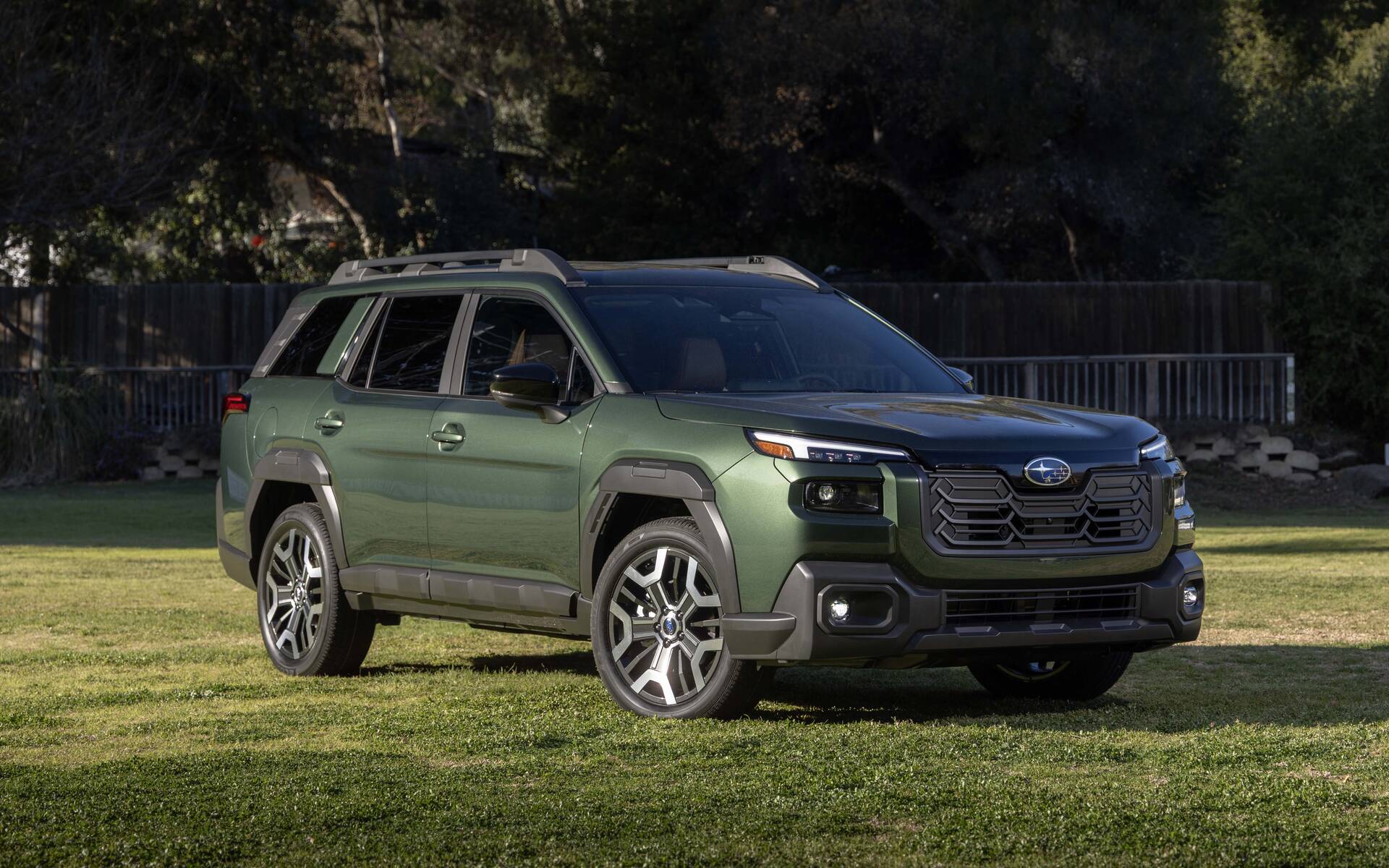
Subaru Outback 2026: five things you need to know
One of the highlights of the recent New York Auto Show was undoubtedly the Subaru Outback 2026, the seventh generation of the Japanese elevated wagon. Now more of an authentic SUV, the vehicle adopts a squarer, sturdier look that certainly won't appeal to everyone, but follows a well-established trend in the automotive industry.
As we wrote in a previous article, the Outback for the Canadian market will now come from Japan rather than Indiana in order to avoid the 25% counter-tariffs imposed by the Canadian government on vehicles imported from the USA following a similar measure announced by Donald Trump's administration on foreign-made automobiles.
Available in Touring, XT Limited, Wilderness and XT Premier versions, the Subaru Outback 2026 will go on sale towards the end of 2025. Until then, here are five things to know about it:
1. More adventure than ever
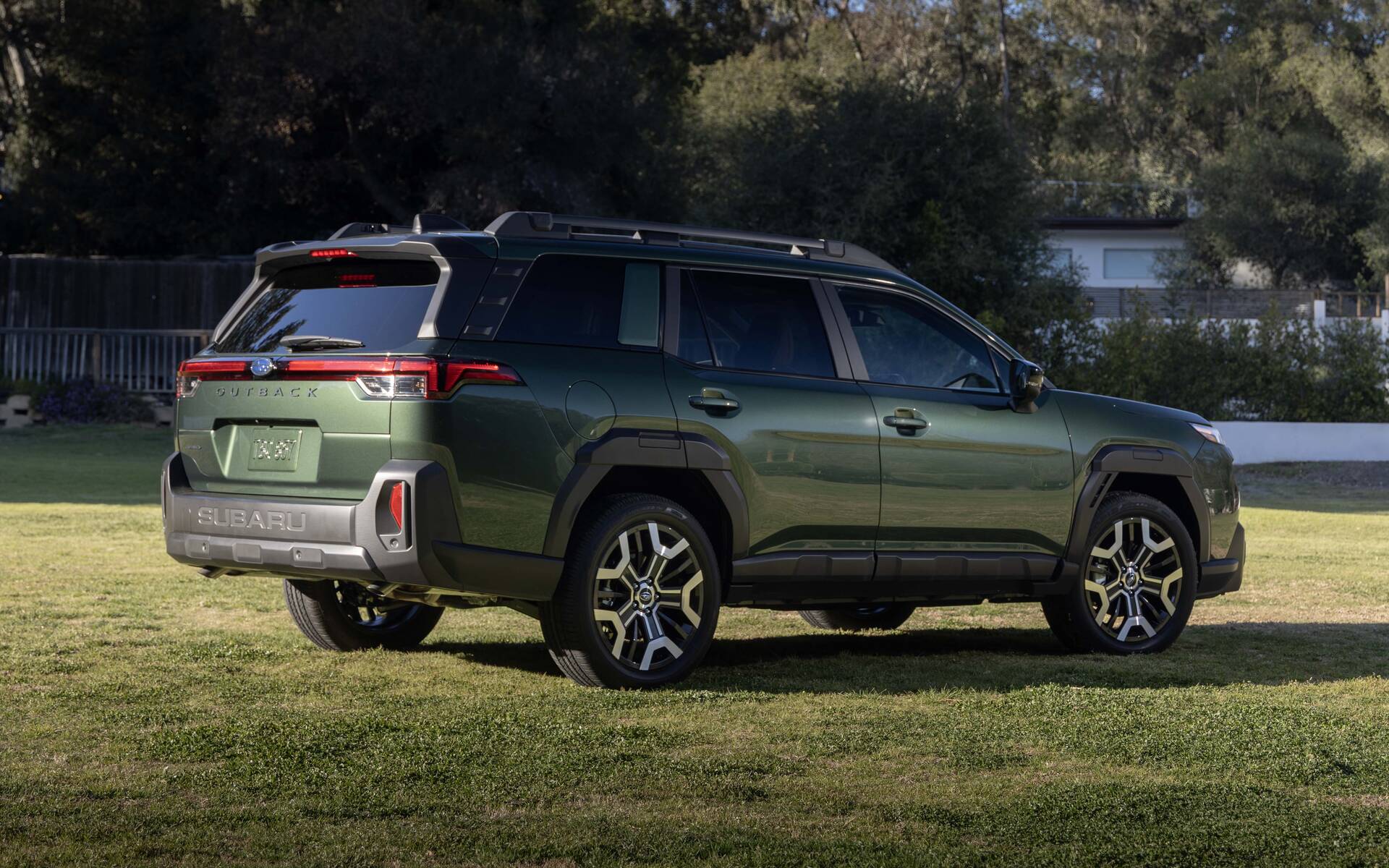
First of all, expect more passenger (especially headroom) and cargo space than in any previous Outback, thanks in particular to a 50 mm higher roofline and a less sloping rear window. Trunk volume increases from 923 to 980 liters, and the floor is now 1,100 mm wide. A configurable, washable luggage cover is included as standard.
For transporting additional equipment, the raised roof rails have a static load capacity of 363 kg (no problem for erecting a tent) and a dynamic load capacity of 100 kg. In addition, for the first time on a Subaru vehicle, the lateral load-bearing capacity reaches 100 kg on the sides of the crossbars, making it possible to hang a hammock or clothesline.
2. A more user-friendly interface
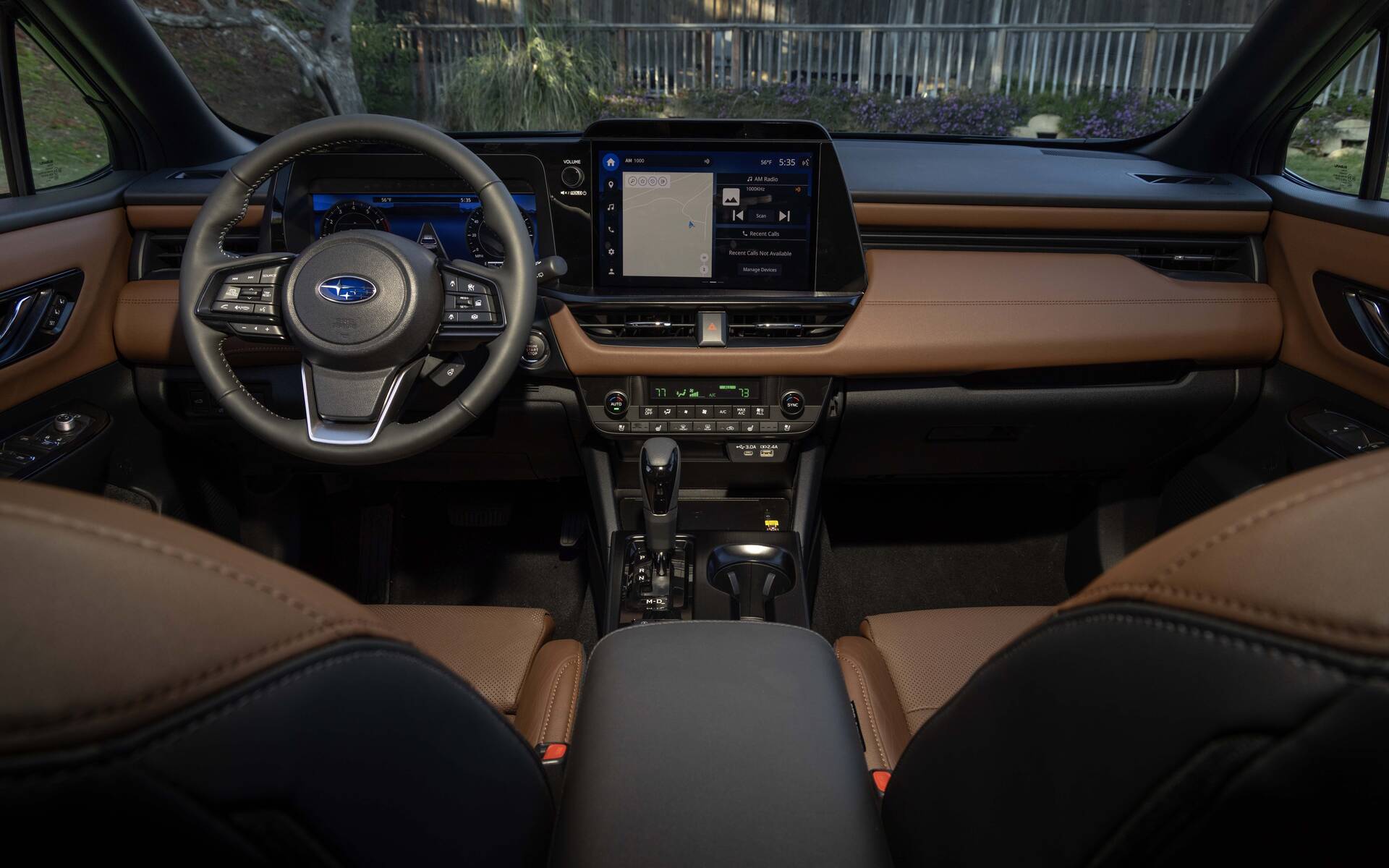
The Subaru Outback 2026 features an all-new 12.1-inch infotainment screen (no longer vertical, but horizontal, making it more visible and accessible) and a 12.3-inch all-digital instrument cluster. The former is powered by a new advanced processor that offers greater responsiveness and customization, while the latter features a variety of displays, including a new quiet mode that minimizes distraction.
Wireless Android Auto and Apple CarPlay compatibility comes as standard, allowing owners to switch between full-screen and integrated displays for smartphone systems. The temperature controls, meanwhile, have been relocated below the screen, making it easier to use in cold weather while wearing gloves.
3. Increased comfort
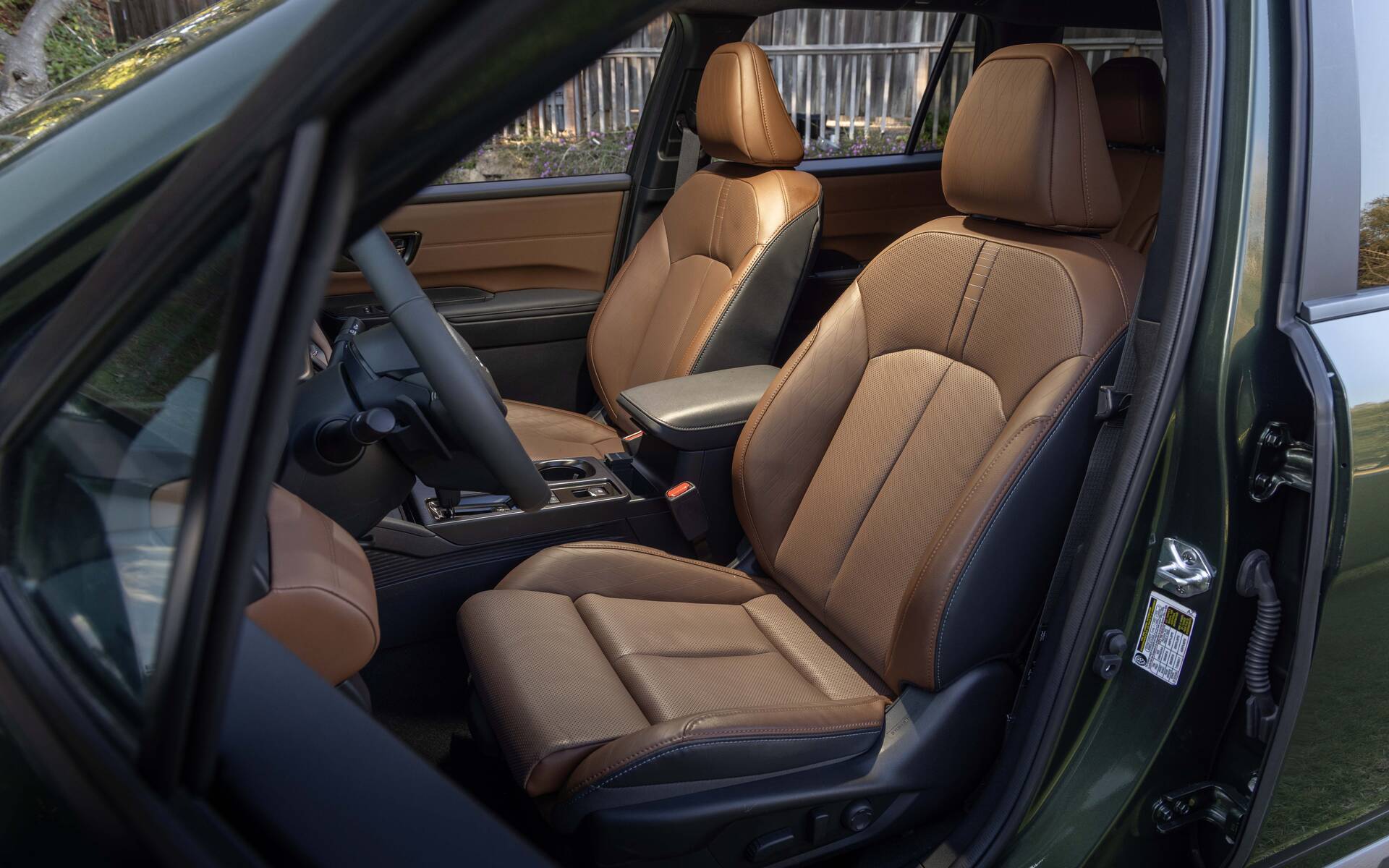
The Outback 2026's new anti-fatigue seats, mounted directly on the chassis, improve comfort and reduce head movement, explains Subaru. The vehicle's lateral sway has also been reduced by 42% compared with the outgoing generation, and an adjustable driver's seat cushion helps support legs on long journeys.
Meanwhile, engineers have reduced noise levels in the cabin thanks to the sound-absorbing materials used in the roof and headliner. Wind noise has been reduced by 10% thanks to aerodynamic elements in the body sides and roof rails, which is more good news.
Comfort also means peace of mind, which is provided by the latest version of EyeSight driver assistance technology with its many features. There are three forward-facing cameras and new radar sensors for more comprehensive support.
4. The same engines
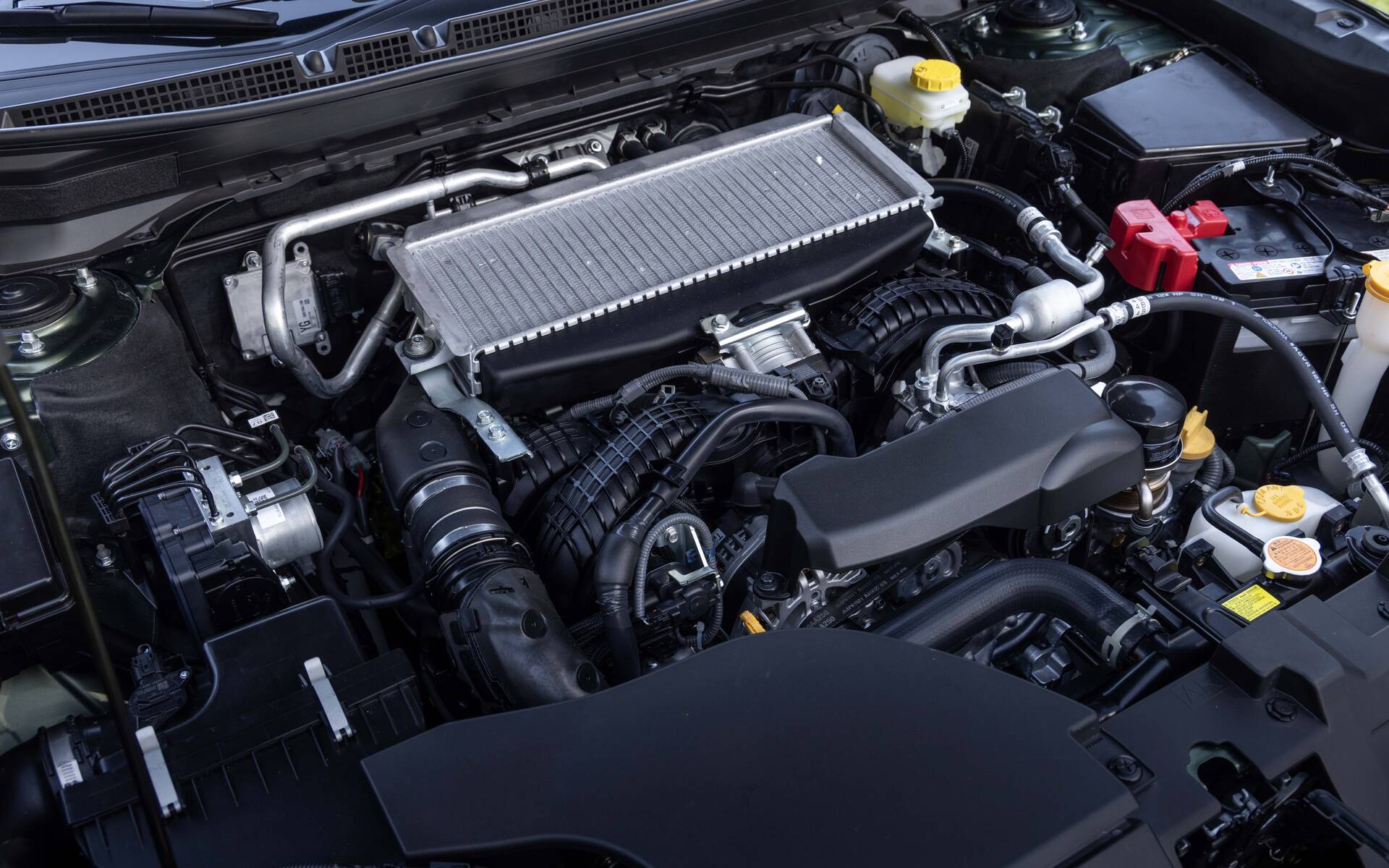
The Subaru Outback 2026 remains virtually unchanged under the hood. The naturally-aspirated 2.5-liter engine develops 180 hp (-2) and 178 lb-ft of torque (+2), but continues to team up with a continuously variable transmission. The symmetrical all-wheel drive with constant mesh offers faster locking of the central differential, helping to reduce wheel slip. The X-MODE function, revised for improved off-road performance in a variety of conditions, can now be activated via a switch on the steering wheel.
Available on Outback XT and Wilderness models, the 2.4-liter turbocharged engine still generates 260 hp and 277 lb-ft of torque. Please note that fuel consumption ratings had not yet been published by Natural Resources Canada at the time of writing.
5. Outback Wilderness: not for the look
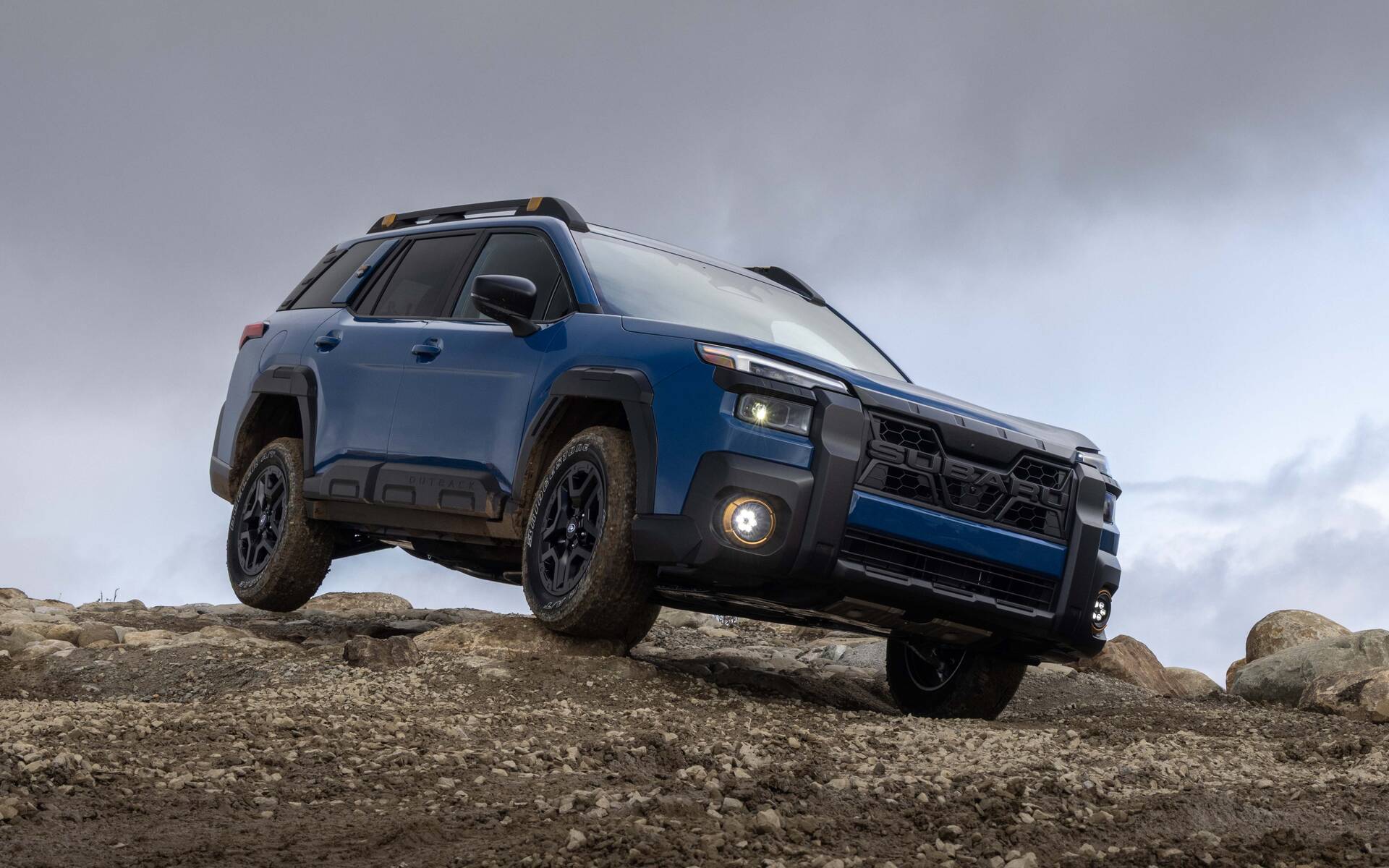
Last but not least, the Outback Wilderness, aimed at true off-road enthusiasts, boasts an even more polarizing appearance, but retains its 241 mm ground clearance and 17-inch wheels fitted with all-terrain tires. Its approach, peak and departure angles are improved compared to the rest of the Outback range.
Above all, the suspension has been calibrated to provide greater stability over rough terrain while retaining comfort and handling on the open road, thanks to new electronically-controlled adaptive dampers. Towing capacity rises to 3,500 lb, as on other turbocharged Outback 2026 models.