

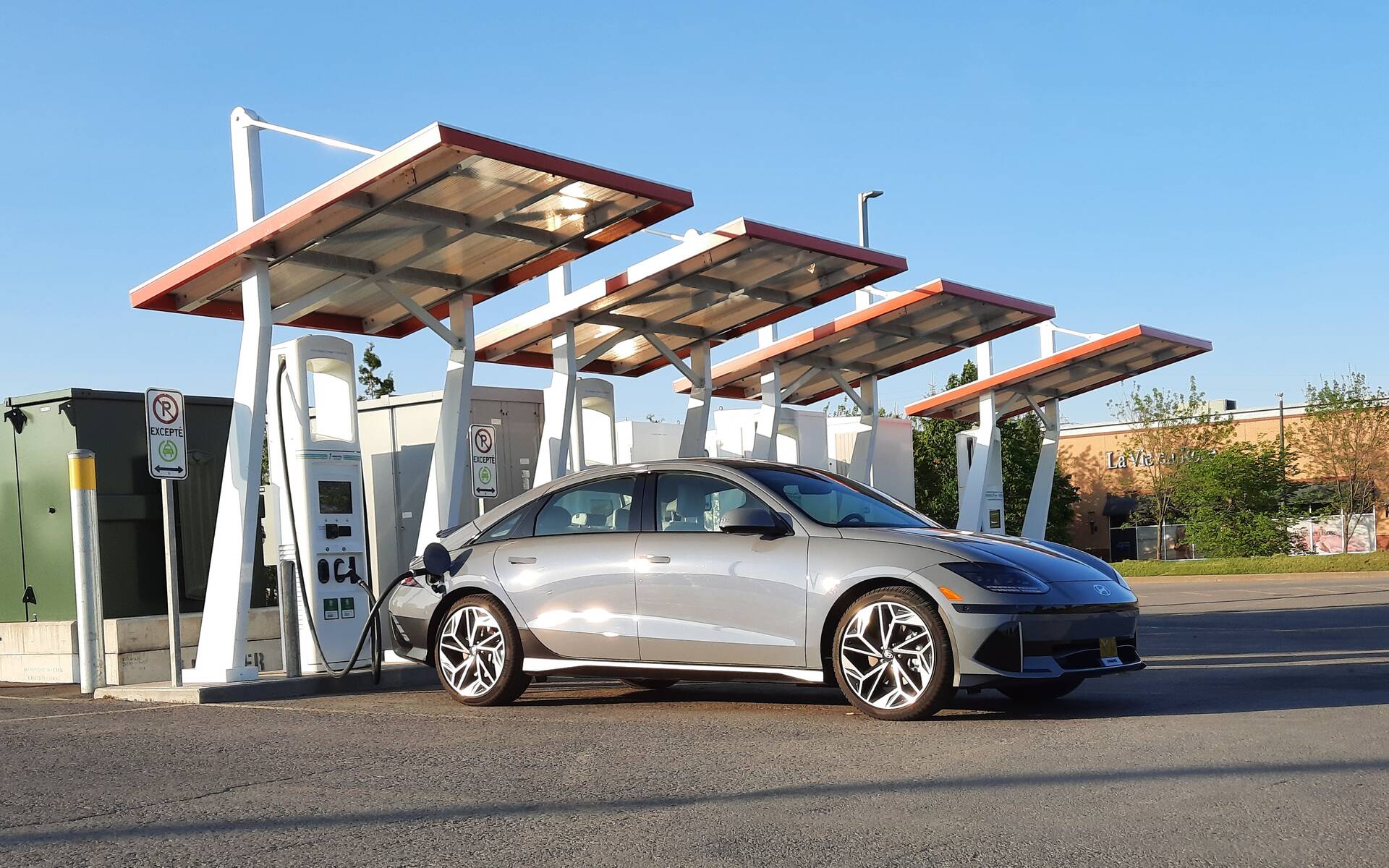
Studies show that charging station reliability must improve
Public charging stations continue to grow in number and spread geographically, here and elsewhere in North America, but their unreliability in some locations and communication problems remain major issues that the industry must address, at the risk of dampening demand for electric vehicles and the achievement of government targets.
That's what emerges from a new study published by ChargerHelp, a US company that manages and maintains charging stations, and from our own experience during a recent test drive of an electric Hyundai Kona.
The study revealed errors in at least a quarter of the bollards analyzed. More than 12% appeared to be inactive when they were in fact active, or vice versa, 3.6% did not return the correct information regarding their availability, and around 10% of active charging points had technical or IT problems preventing recharging.
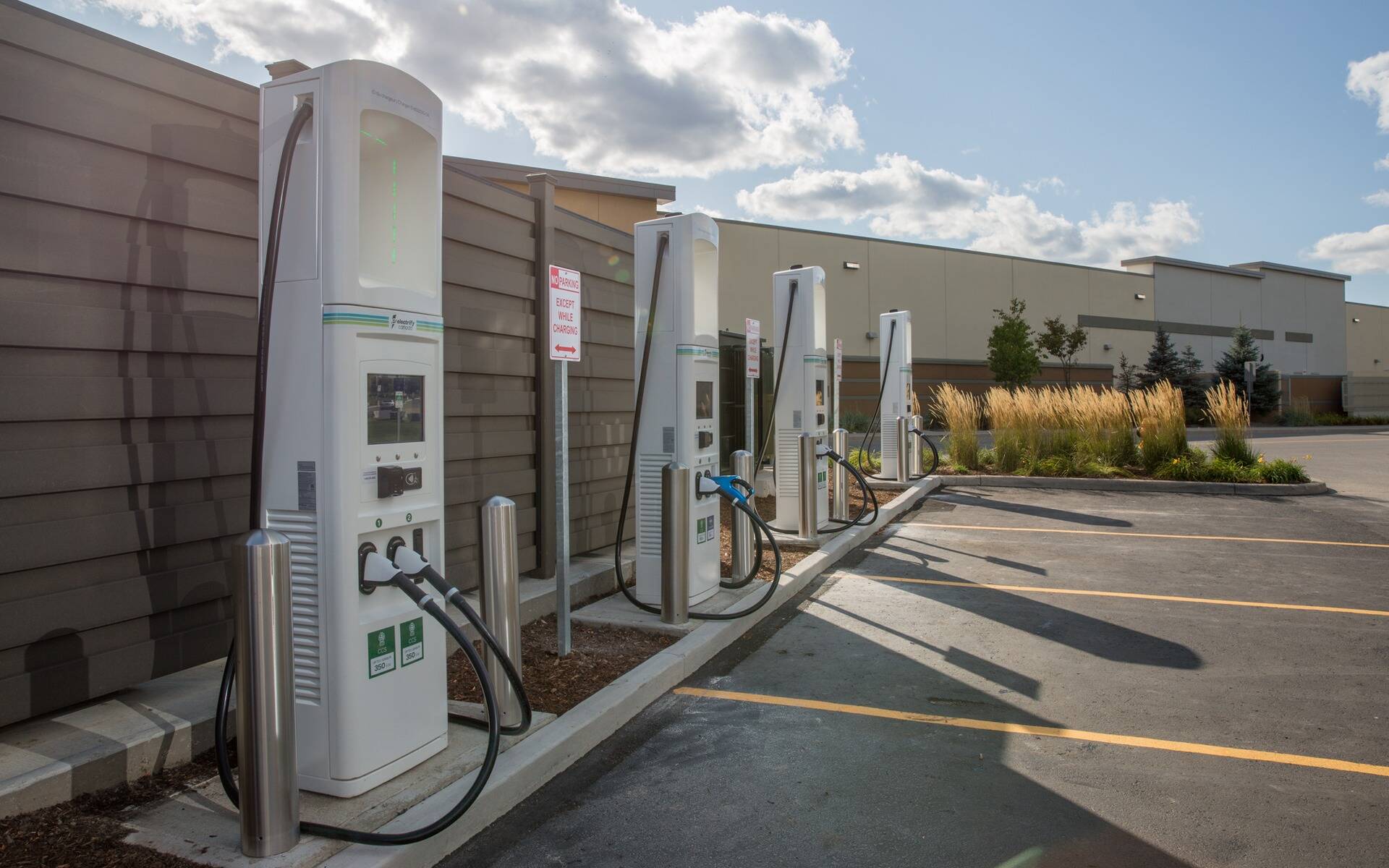
In many cases, these problems were caused by the payment system (including the credit card reader), which uses a different software and communication protocol from the kiosk itself, designed by a different company.
Another American study, this one by J.D. Power, revealed last autumn that 18% of charging sessions at public charging stations in the USA failed. The lack of availability of charging stations and long waits continue to affect electric vehicle drivers.
Quebec fares better, but...
What's the situation back home? Well, charging stations in Quebec are perceived as being more reliable, but there's still plenty of room for improvement, as you may have already noticed.
According to Pollution Probe's 2023 Survey of Electric Vehicle Owners' Charging Experiences in Canada, Quebecers are generally more satisfied with the reliability of public charging infrastructure, with only 19% complaining that stations were out of service and 30% worried about being stranded due to out-of-service stations - compared to 44% and 48%, respectively, in other provinces.
Another interesting fact highlighted by the report is that 41% of electric vehicle owners in Quebec would be prepared to pay more to recharge their vehicles if faster charging methods were available. Elsewhere in the country, the figure is over 55%.
The real-life experience of the Car Guide
As mentioned in the introduction, Le Guide de l'auto was able to test an electric Hyundai Kona for a week, observing a lack of reliability and erroneous information on the status of the charging stations, both in terms of the vehicle's infotainment system and applications such as Circuit électrique and ChargeHub, and in terms of the charging stations themselves.
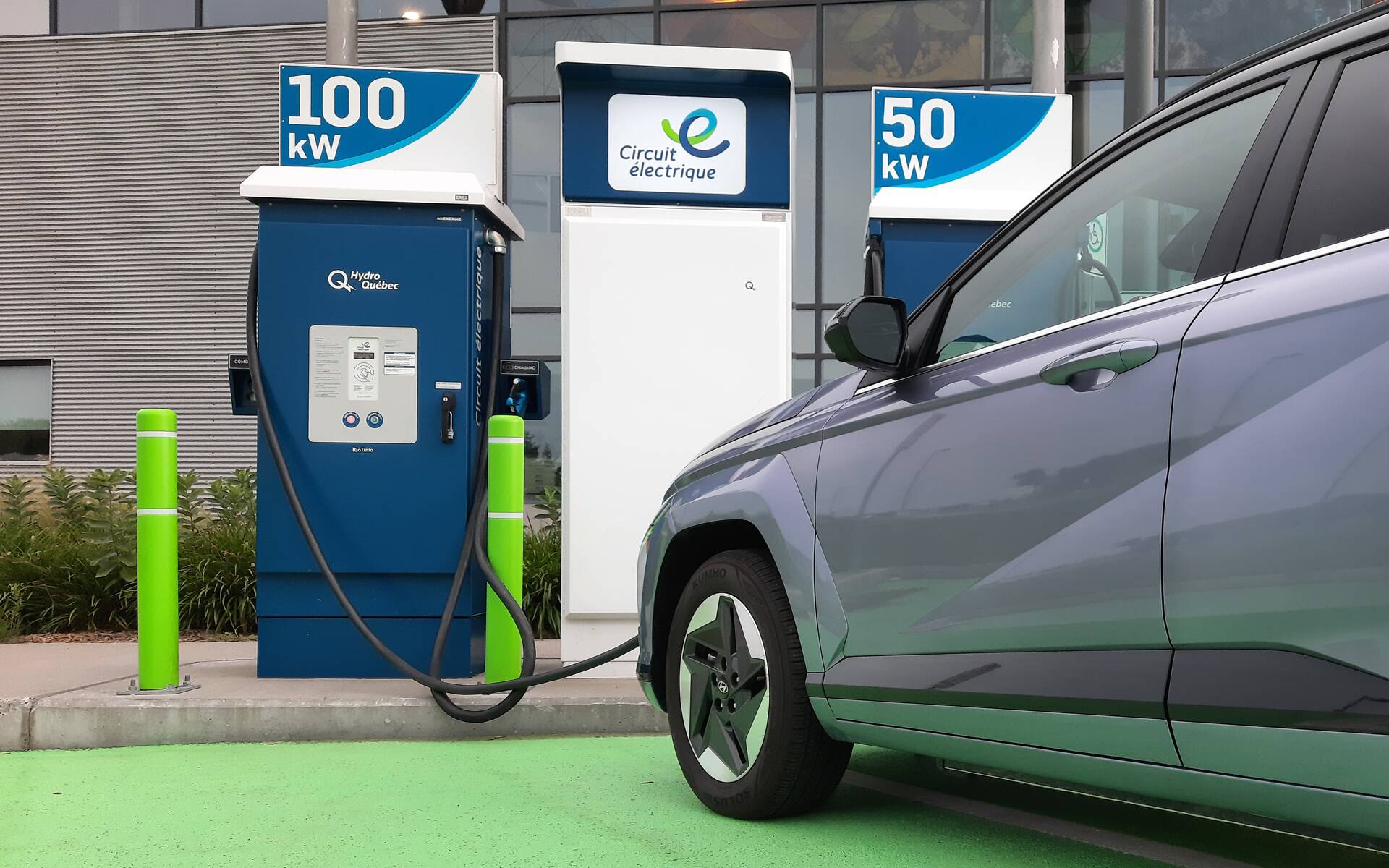
On two occasions, for example, we went to a supposedly free Electric Circuit terminal only to find that another driver had already plugged his vehicle in. On other occasions, no information on availability was offered, and it turned out that all the terminals (in the Electrify Canada network) were occupied. What's more, during a stopover at a Couche-Tard station, two of the four new 180 kW charging stations on site were unable to start charging due to a problem with the screen.
This brings us to another point: there's a desperate shortage of 100 kW+ charging stations in Quebec. With 50 kW, recharging (even to 80%) takes far too long and imposes major changes in travel habits, even more so in the face of gasoline-powered vehicles.