


Pollutant emission tax: logical?
For many years now, various European governments that don't offer credits for electric vehicles have opted instead to tax vehicles according to their greenhouse gas emissions. This simple calculation, based on the number of grams of CO2 per kilometer, has enabled sub-compacts and hybrids in particular to enjoy unprecedented success. This is also encouraging many buyers to opt for plug-in hybrids, which are exempt from any form of taxation because they can be driven on short distances in all-electric mode.
Please understand that I'm not at all thrilled with the idea of a new tax, except that Quebec motorists are being taxed stupidly because of obsolete laws and because they're financing a public transit system they won't use, for which users pay only a token sum. The addition in 2025 of a $100-plus registration tax for residents of more than 80 cities and municipalities will do nothing to change the habits of commuters, who will continue to use their vehicles because they are poorly served by public transit.
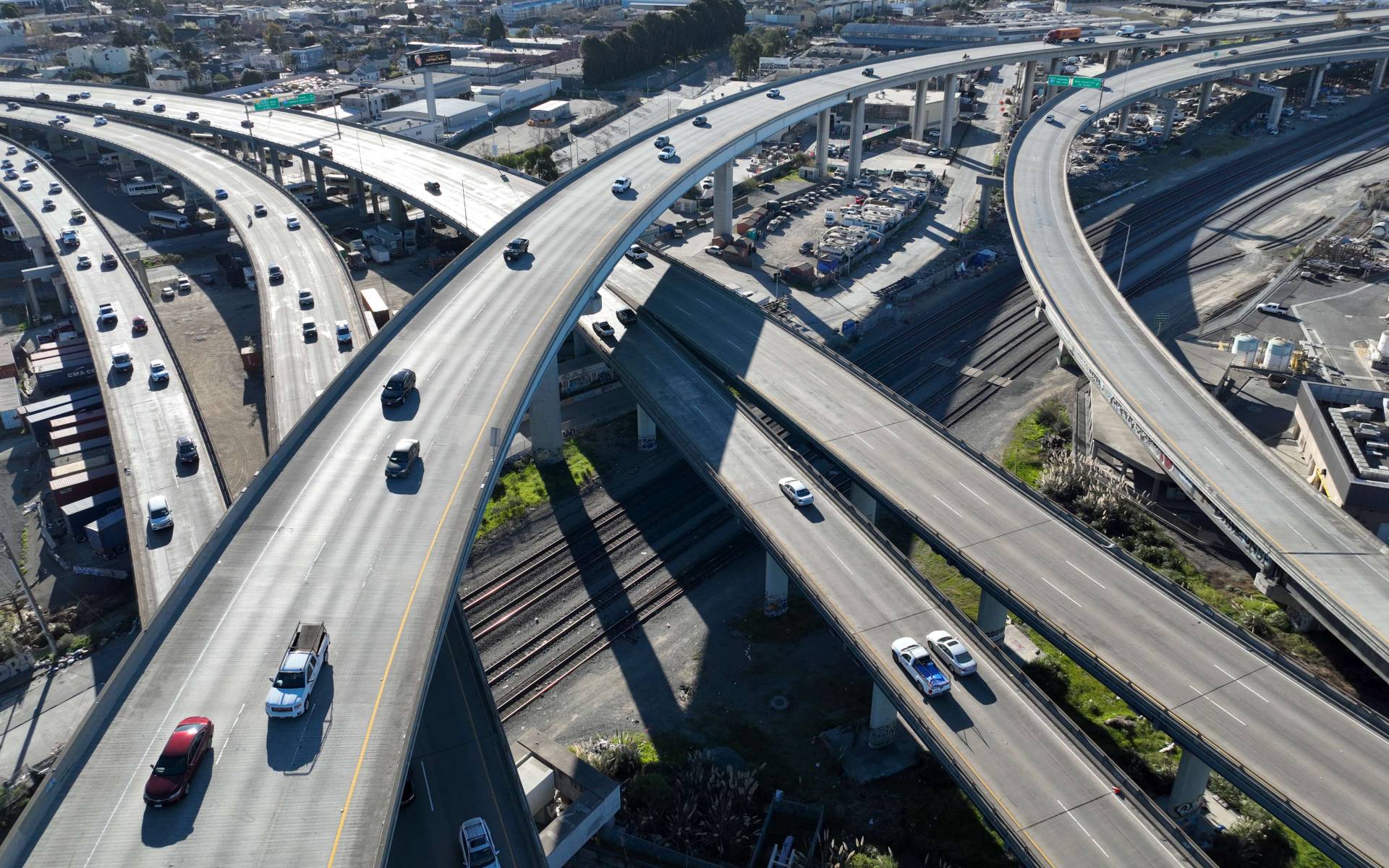
And what about the luxury registration tax on any vehicle sold for more than $40,000, especially considering that the average price of a new vehicle is over $63,000? As for the displacement tax (introduced by the SAAQ in 1995), it's simply ridiculous. A tax that only affects vehicles with engines of 4 liters or more, while most manufacturers have long been eliminating large-displacement engines in favor of turbocharged engines, which are no less fuel-hungry (or hardly at all...).
The Quebec government alone will have spent over $650 million to subsidize the purchase of electric vehicles by 2024. Individual Quebecers benefited from a “gift” of up to $7,000, taken directly from taxpayers' pockets. Not a unanimous decision, but a political gesture that Quebec may well repeat in the next budget.
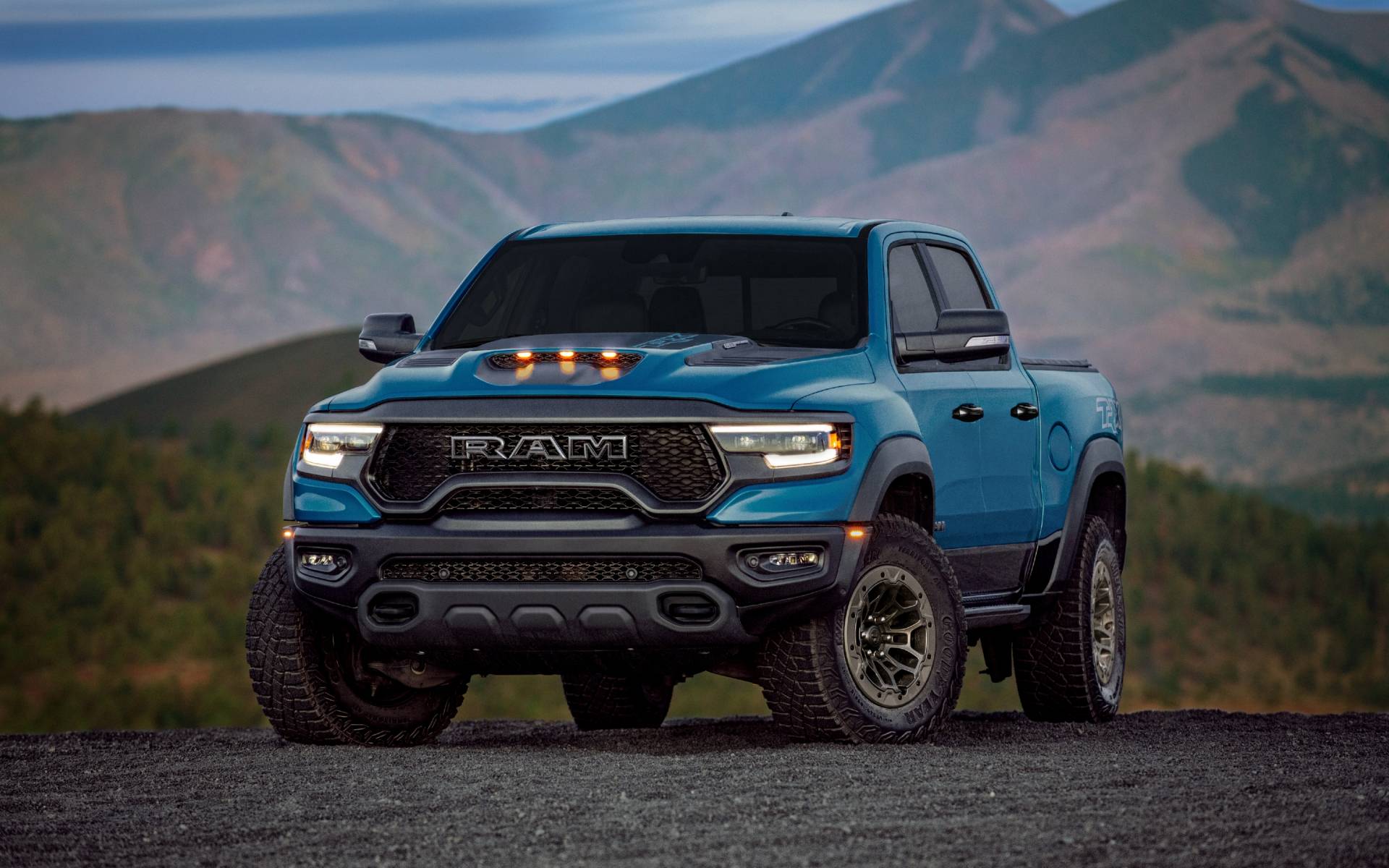
That said, shouldn't such a sum come from those who choose not to buy an electric vehicle? Shouldn't the $650 million be divided among the 500,000 gasoline-powered vehicles sold in La Belle Province (approximate figures for 2024)? This would represent an average tax of $1,300 per new vehicle, which would of course vary according to pollutant emissions. For example, the buyer of a Corolla hybrid (4.9 L/100 km or 115 g/km) would pay only a symbolic sum in taxes, while the buyer of a Ram TRX (19.8 L/100 km or 465 g/km) would pay close to $10,000, exceeding the average emissions of new gasoline vehicles sold by almost three times.
Those who choose an electric or plug-in hybrid vehicle could be exempted from such a tax, and thus benefit from a sort of advantage, as is currently the case. However, rather than offering a large “gift” to every motorist who switches to electrification, it would be up to the consumer to make an informed decision as to which type of vehicle would suit him or her best. This would also enable governments to meet certain targets and force American players to reinvent themselves to eliminate the more polluting powertrains found mainly in full-size trucks.
To be logical, however, we'd have to do away with that pesky luxury tax on vehicle registration, which is a form of collective theft based on sheer nonsense, as well as the displacement tax, which would no longer be necessary. Let's not forget that by forcing the purchase of electric vehicles, which cost considerably more, the government is encouraging consumers to buy more expensive vehicles, which systematically exceed the $40,000 threshold (considered to be the entry point to the world of luxury).
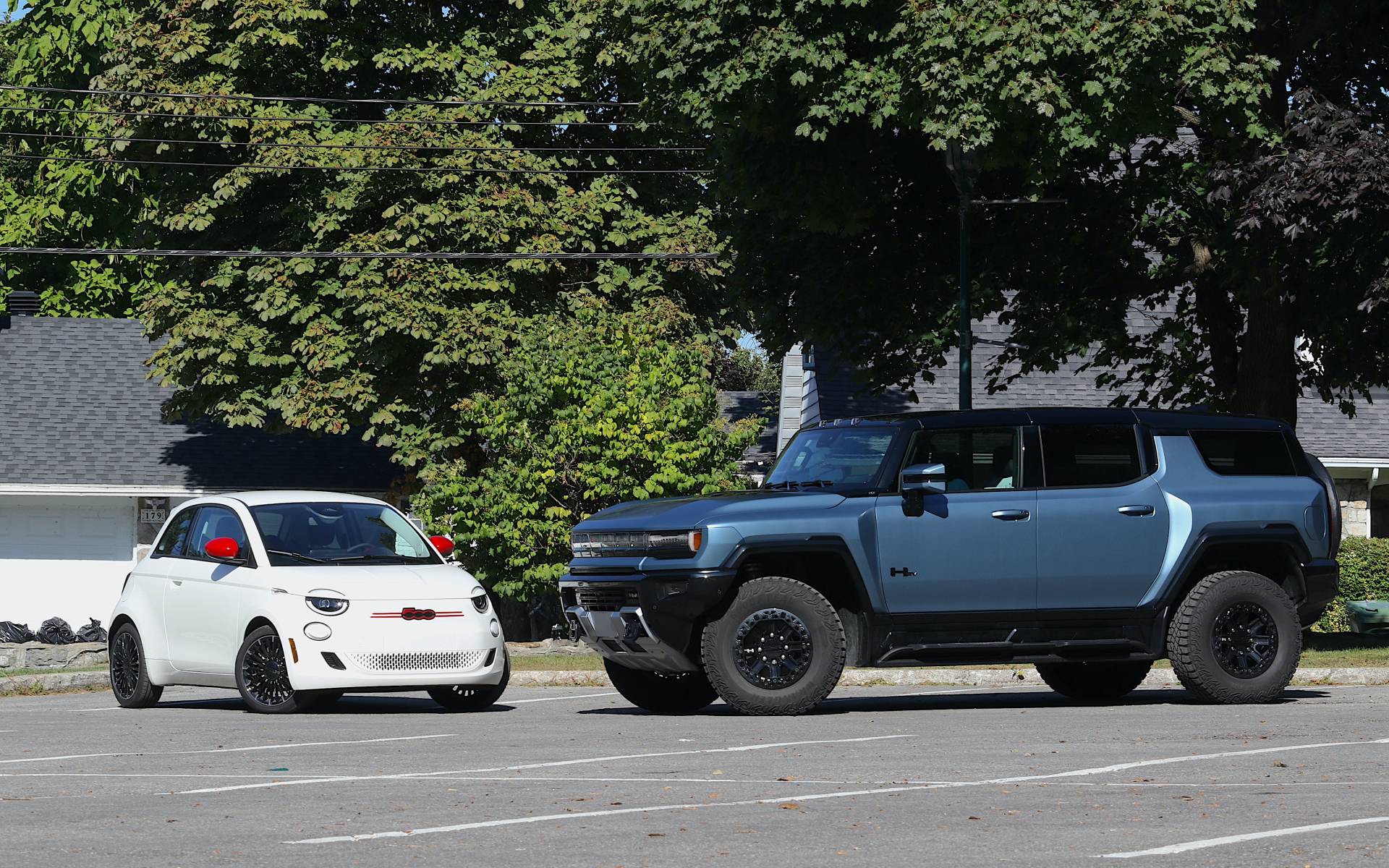
To give you an idea, a Fiat 500e costs $42,595. Even a Honda Civic Hatchback in Touring trim ($40,948) is taxed as a luxury vehicle, albeit a token sum. So imagine what it's like for a mass-market electric vehicle like the Equinox EV or the Tesla Model Y, with prices still hovering between $55,000 and $70,000. And I'm not even talking about the federal luxury tax for luxury vehicles over $100,000!
And what do we do with the money? Give it back to those who choose to buy an electric vehicle? No. I think this gesture has gone on long enough. Instead, we should be investing massively in recharging infrastructures that would enable motorists to refuel more efficiently and more quickly in la Belle Province.
Needless to say, with the growing number of EVs on our roads, recharging on stretches like the 20 or 40 between Montreal and Quebec City has become a serious issue. In short, it's time to get our brains into gear and take collective action, especially with money that doesn't just fall from the sky.