

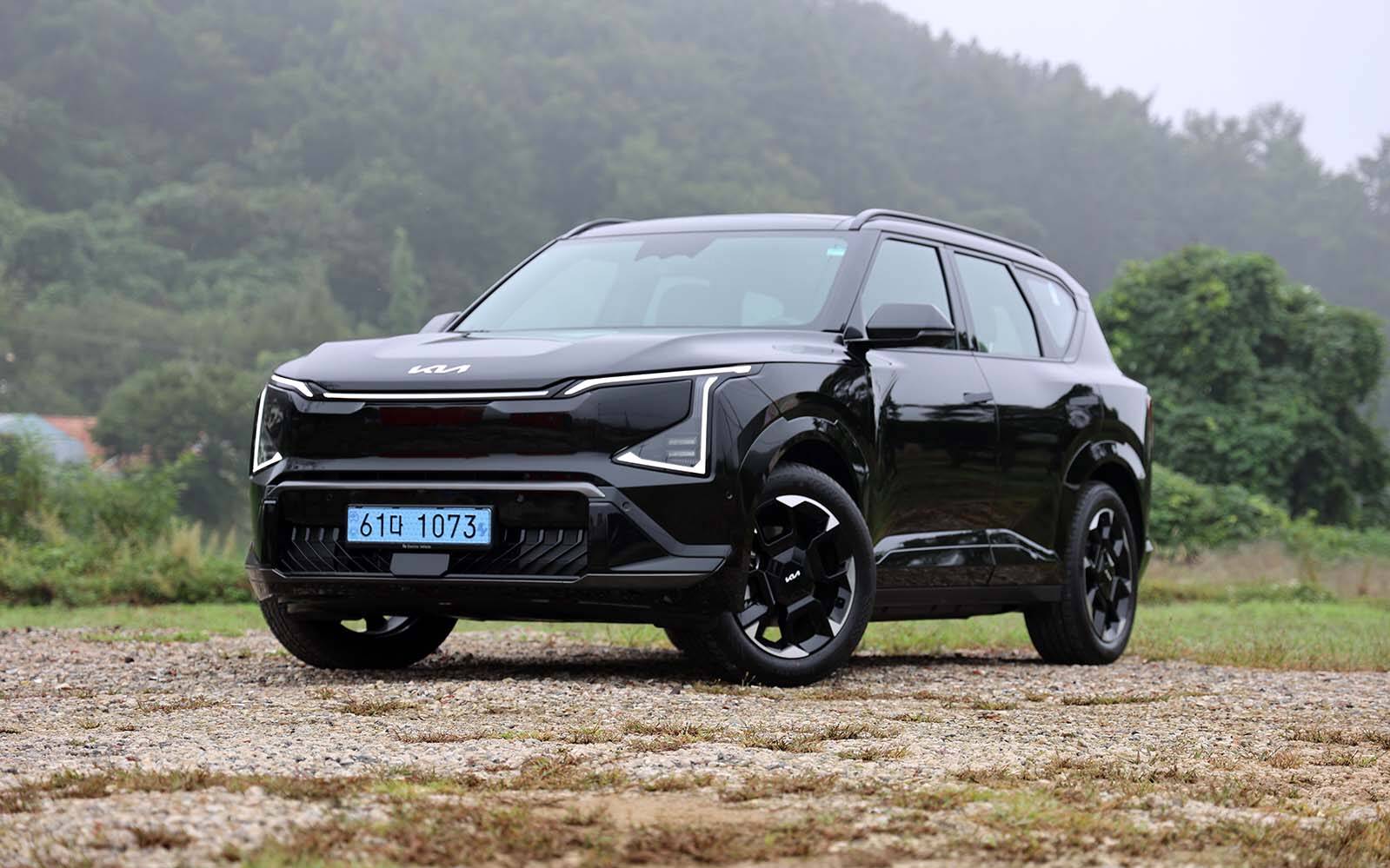
Kia EV5 2026: What the customer wants
Boldness, originality, and experimentation have been at the heart of the development of many electric vehicles launched in recent years, even though manufacturers still had in mind to market them out of obligation and without necessarily wanting to make them successful models. Electric vehicles such as the BMW i3 and Genesis GV60 are prime examples of vehicles that have been used to gather data, but have not been profitable.
As funny as it may seem, Kia is already seeing a slowdown in sales of the EV6 because it is difficult to categorize. Is it a car or an SUV? Compact or mid-size? And who are its rivals? When the answers to these questions remain unclear, it's a sign that the venture is struggling. However, with the upcoming arrival of the EV5, things will be very different. A SUV equivalent in size to a Sportage, 100% electric, and with a design and versatility that will satisfy the desires of all those looking for the ideal formula.
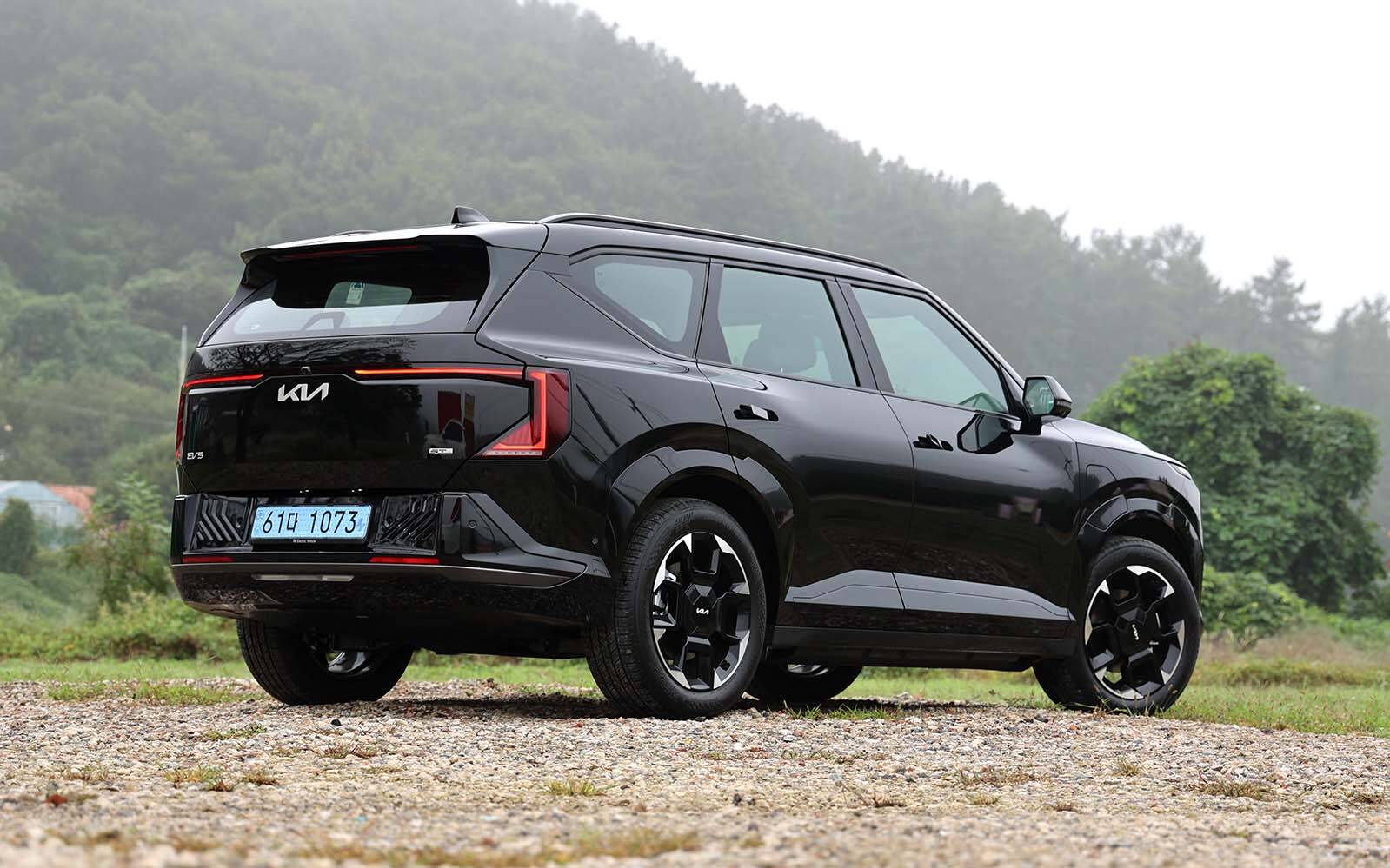
The model arriving next spring will clearly steal the EV6's thunder. The EV6 is currently no longer being imported into Canada because it is manufactured in the United States. Kia Canada may decide to have it manufactured in South Korea in the not-too-distant future to avoid the Carney government's counter-tariffs, but one might also question the relevance of keeping it, given that Kia will also be offering the EV4 and EV5. Essentially, a sedan and an SUV, both electrified, in the most popular vehicle segments.
A pocket-sized EV9?
Today, we're focusing on the EV5, which will arrive a few months after the EV4. An SUV whose lines are reminiscent of the EV9, both inside and out. In fact, think of it as an EV9 that's been put through the dryer! Because the proportions, styling elements, and interior layout are very similar... but smaller.
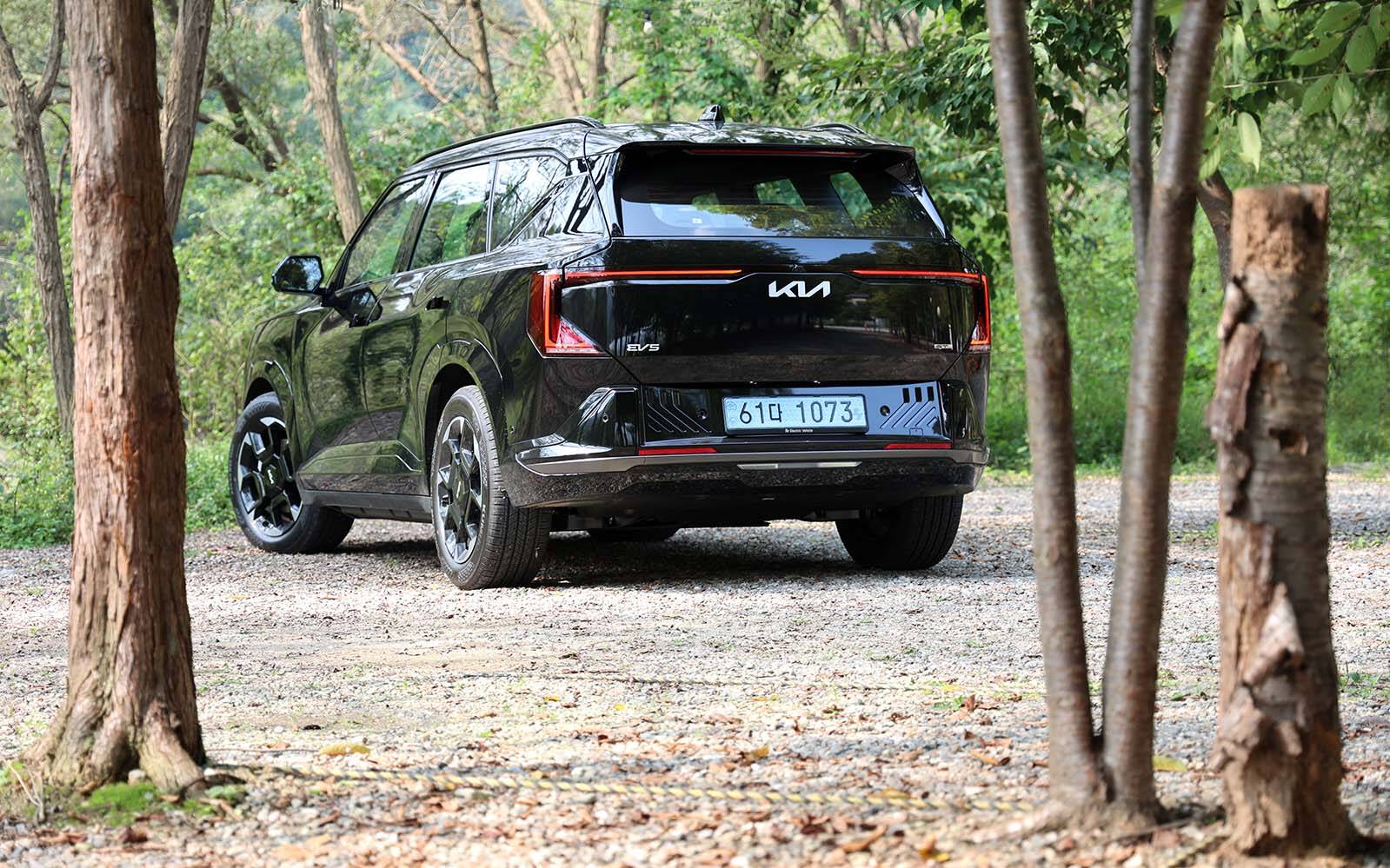
The vehicle is 70 mm shorter than the EV6, but also shorter than the Sportage, which does not prevent it from offering 805 liters of cargo space. The EV5 even offers a small space in the front (under the hood) where you can store a first aid kit, a windshield washer fluid container, and a few other odds and ends.
Aesthetically pleasing, the EV5 intended for us will differ slightly from the test model, which has Korean specifications. For example, we will have tinted windows as standard, but will still be able to choose between front-wheel drive and four-wheel drive versions. This technology differs from that of the EV6, which is powered in its basic version. Here, a 160 kW (215 hp) electric motor will power the base version, while the all-wheel-drive version will have a 155 kW front motor and a second 70 kW rear motor. Together, they will deliver 262 horsepower, allowing the vehicle to go from 0 to 60 mph in 7.3 seconds.
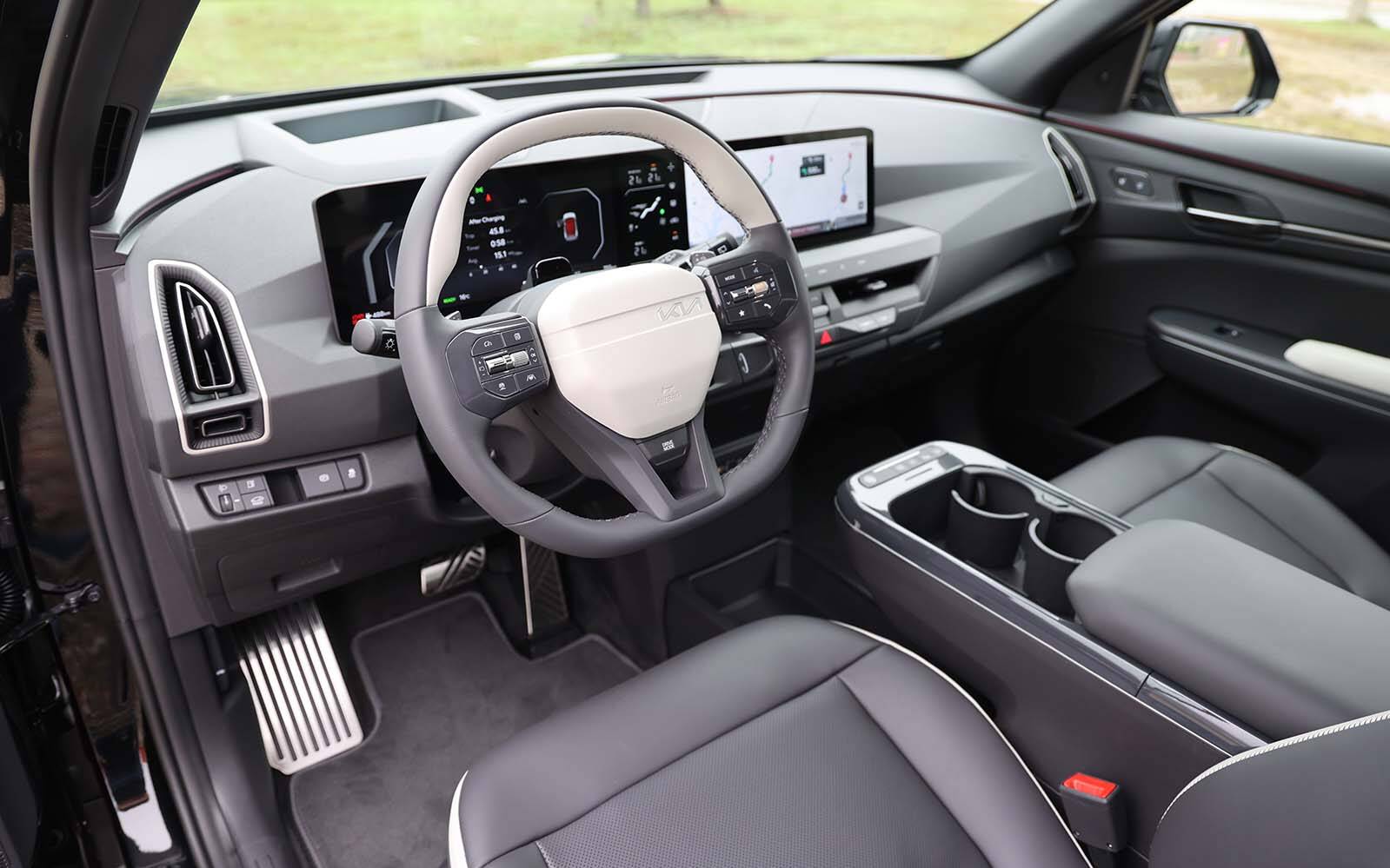
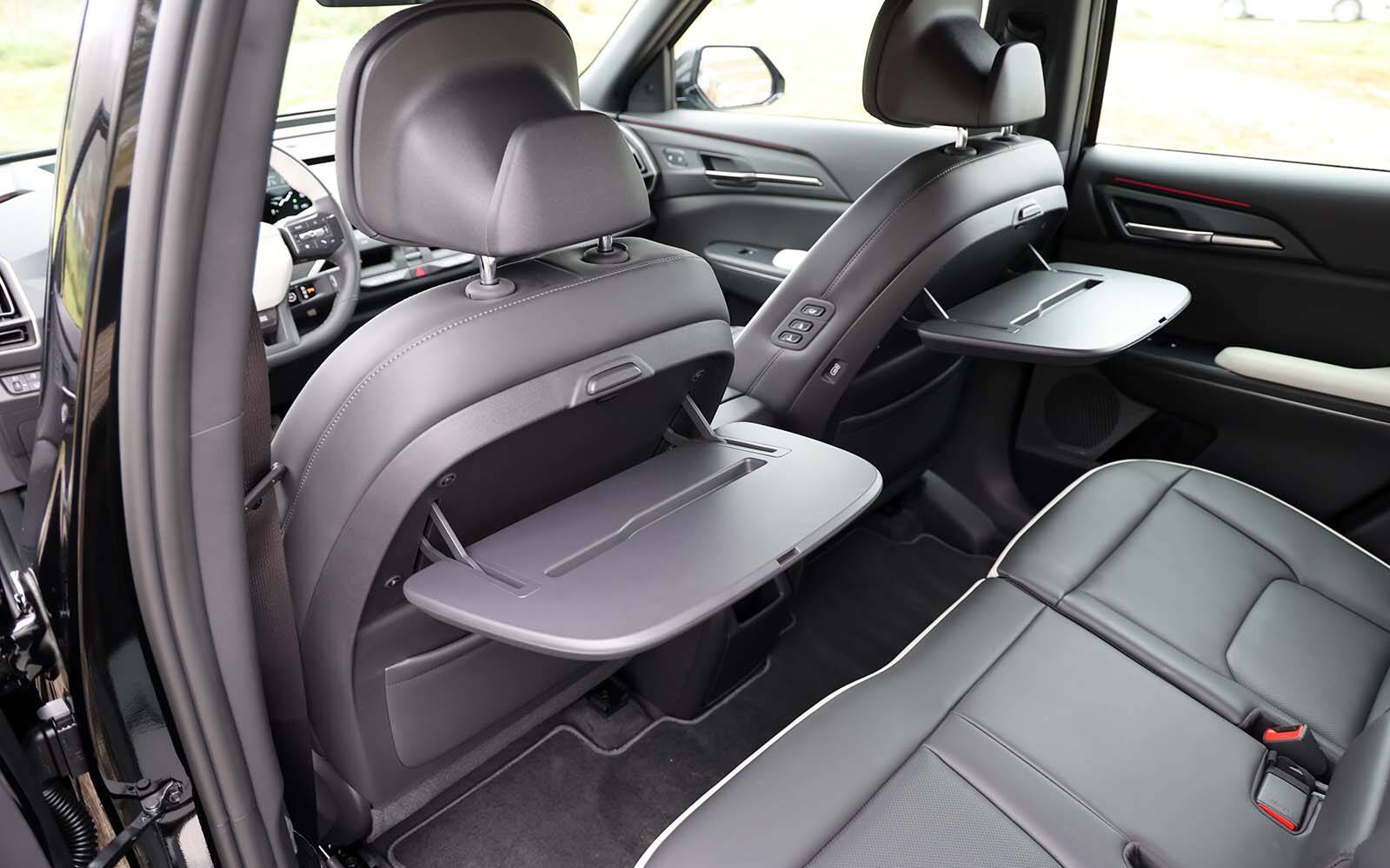
So no, Kia isn't playing the performance card here, although we anticipate the possible arrival of a GT version with 301 horsepower. In fact, the EV5 will compete directly with the Chevrolet Equinox EV and Volkswagen ID.4, but in a way that I'm sure will appeal even more to consumers. Not only because of its charming design, but also because the interior gives the impression of a much more spacious vehicle than it actually is. The careful presentation of the interior and the attention to detail will also appeal, although it's a shame that the folding tables attached to the front seats are not available in Canada. Never mind, the space is more than generous, both in the front and rear.
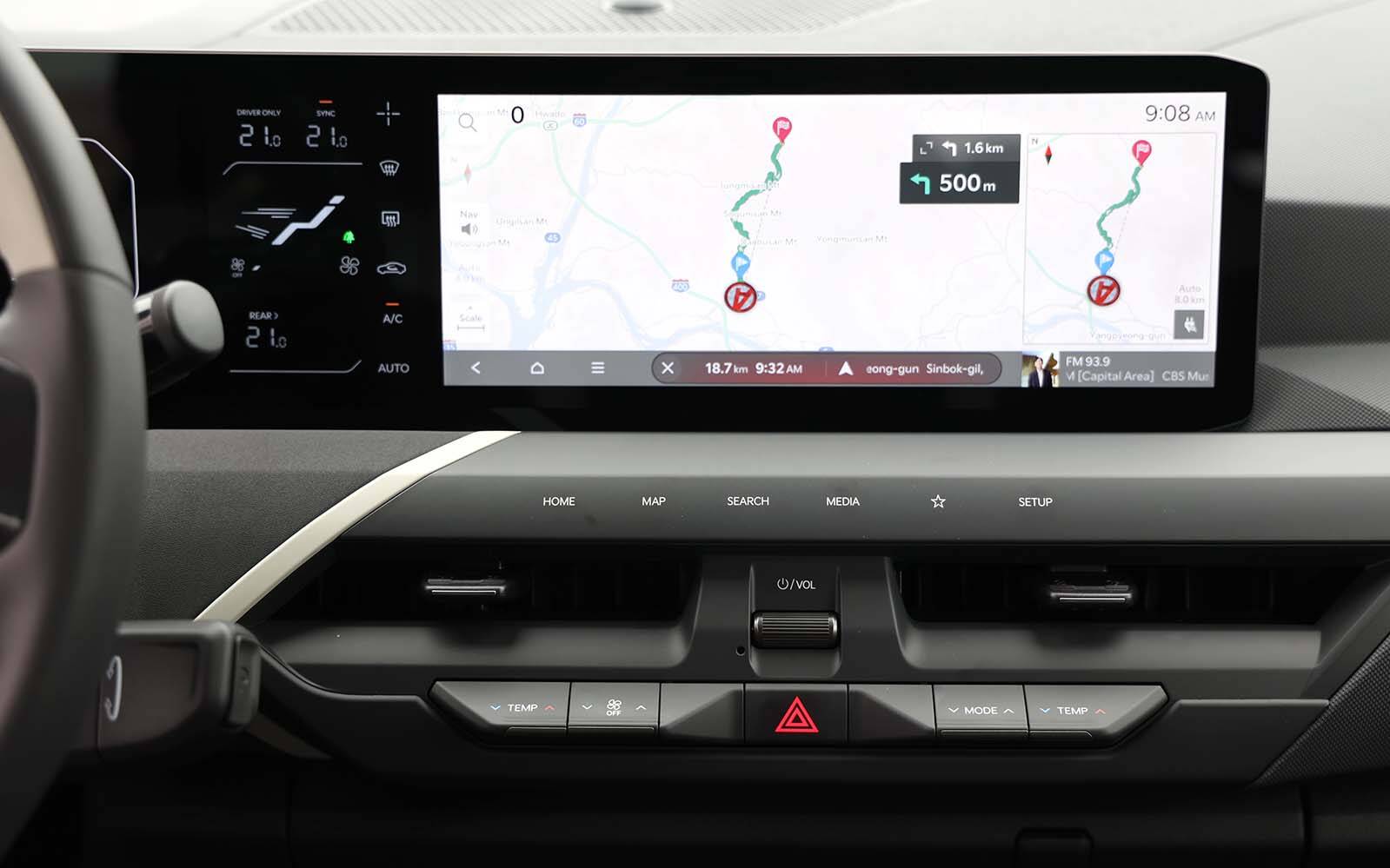
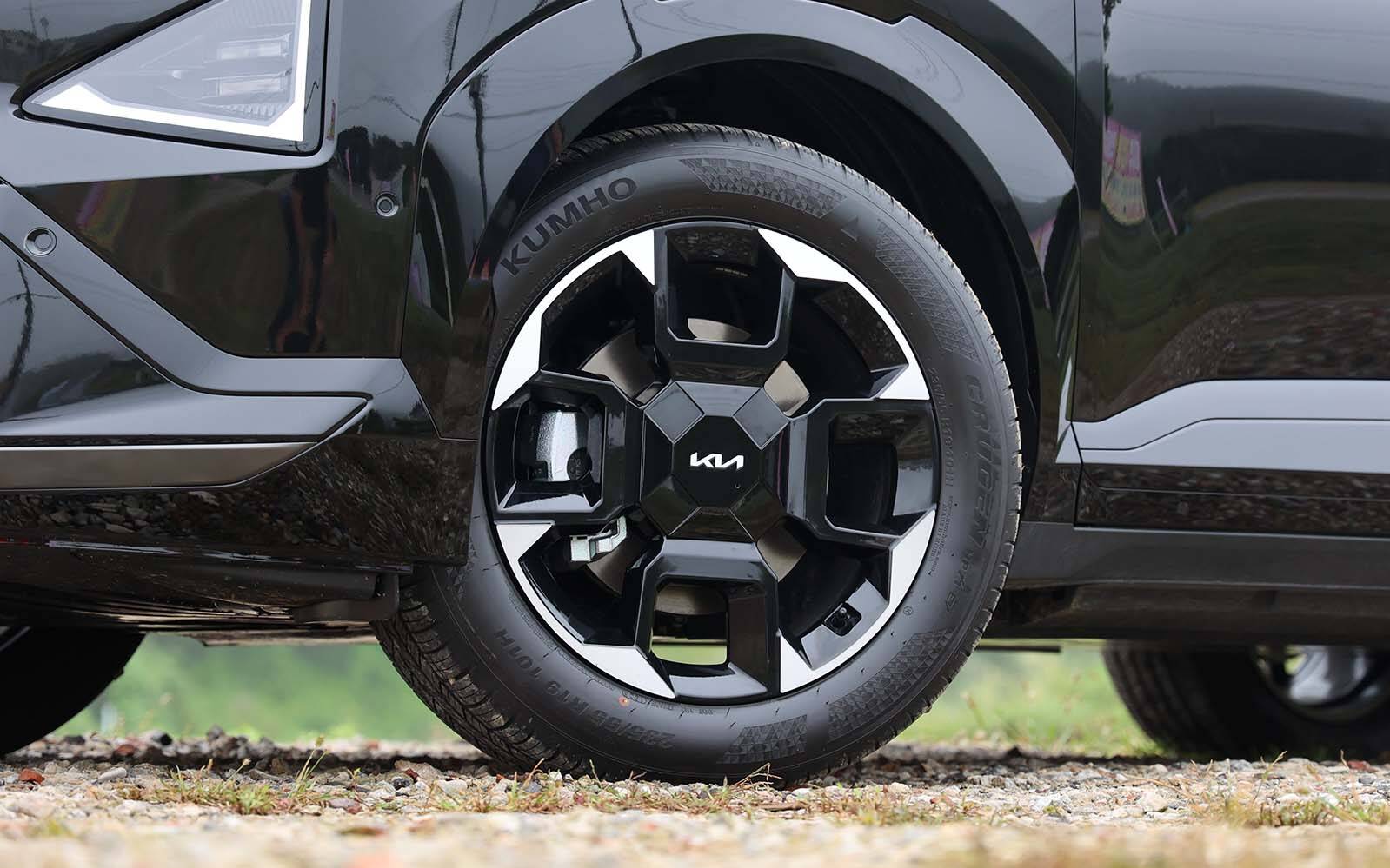
The version tested was a GT-Line model with distinctive LED lights, 19-inch wheels, and a two-tone interior combining black and cream. This configuration has not been confirmed for our market, but it is visually very appealing. That said, we know that the models destined for us will come standard with 18-inch wheels and will feature two 12.3-inch stacked screens, separated by a third 5-inch screen for heating/air conditioning controls. This is identical to the EV9, where the steering wheel rim obstructs the view of the small screen. However, this is probably the only ergonomic criticism that can be made of the EV5, which otherwise offers a multitude of storage spaces and a well-designed floating console with a rear-accessible drawer underneath. The V2L system, which allows accessories to be charged from the vehicle's high-voltage battery, will also be available, as studies have shown that buyers make good use of it.
Range
Converting WLTP figures to North American standards gives an anticipated range of 454 km for the front-wheel-drive model. This is slightly less than Chevrolet claims for the Equinox, although after traveling 250 kilometers, the EV5 still had 258 kilometers remaining on the odometer, for an anticipated actual range of 508 kilometers. The official figures will be released shortly, and we will of course test the vehicle under our own conditions to find out the truth. But one thing is certain: it won't be a problem.
The EV5 is based on a 400-volt architecture, allowing it to recharge from 10 to 80% in about 30 minutes, according to Kia. Equipped with an 81.4 kWh thermoregulated battery, it also features a preconditioning device that comes in handy during the winter months. The vehicle is quick to accelerate and never lacks punch. It doesn't have the verve of a 320-horsepower EV6, but surprisingly feels lighter, even though it's not. A four-wheel-drive GT-Line model weighs in at around 2,220 kg, saving some 300 kg compared to the EV9. Once again, Kia is simply applying a 7/8th scale formula to its big brother, which is very successful in our market. That's why we expect the same thing with the EV5.
Exclusive?
Kia Canada's strategy with the EV5 is also interesting in that it will not be available to our neighbors to the south. It is because it is assembled in South Korea that Americans are turning their noses up at it, allowing us to get all the inventory we want. Will they instead keep the EV6, which they would emphasize more? One thing is certain: this type of situation is likely to occur more and more in the industry. The only drawback will probably be obtaining replacement parts, which is always more complicated when it comes to a model not available south of the border.
Now all that remains is to determine the price. It will inevitably be higher than that of the Niro and the EV3, which will arrive in late summer 2026, but it will have to be competitive with the Chevrolet Equinox EV, Hyundai Ioniq 5, and Volkswagen ID.4, which will undoubtedly be in its sights.