

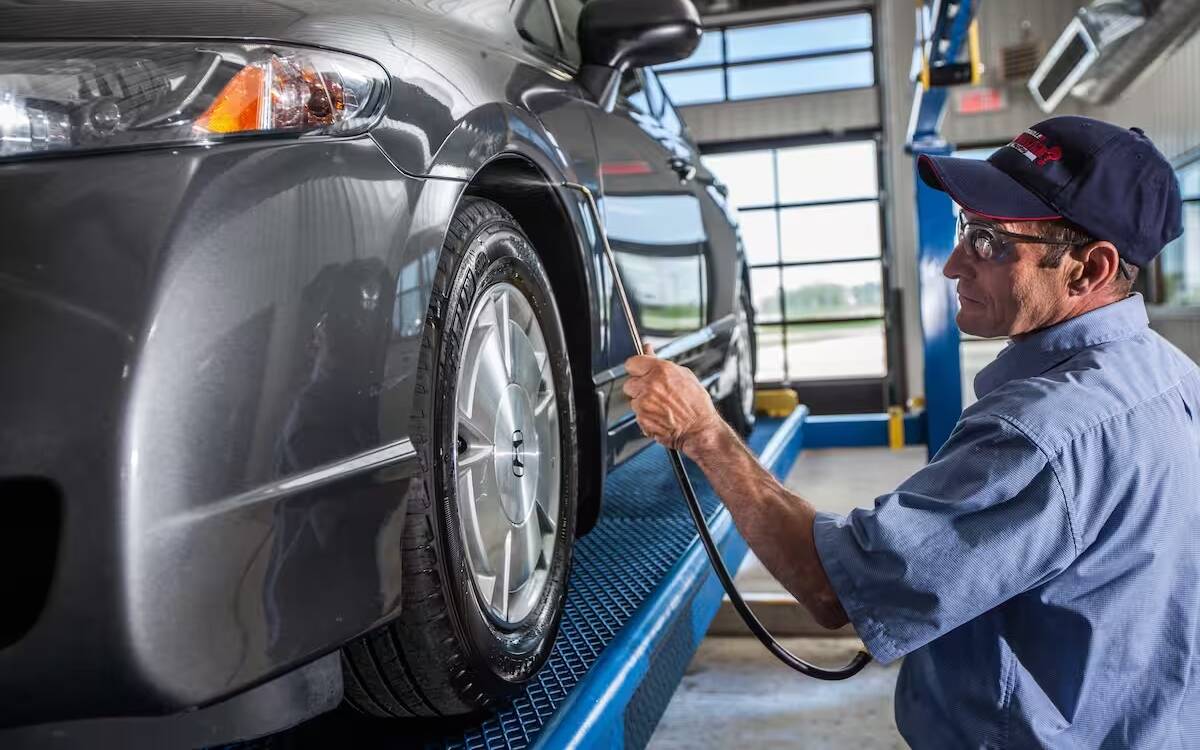
Is it true that summer is the best time for rustproofing?
Even though today's vehicles are more resistant, an annual rustproofing treatment is still beneficial, especially in Quebec's climate. Need we remind you of the high cost of bodywork and paintwork? The health of the various underpinnings also depends on it.
We invite you to read our various articles on the subject for answers to your questions. With summer just around the corner, we're going to focus here on a frequently asked question: is it true that summer is the best time of the year for rustproofing?
Let's start by saying that there's never a bad time to have a rustproofing treatment applied to your vehicle, in the sense that any protection is better than none at all. And this one is designed to last a full year.
"If your vehicle has never been protected, the best time to do it is now," adds Krown specialist Marc Poirier.
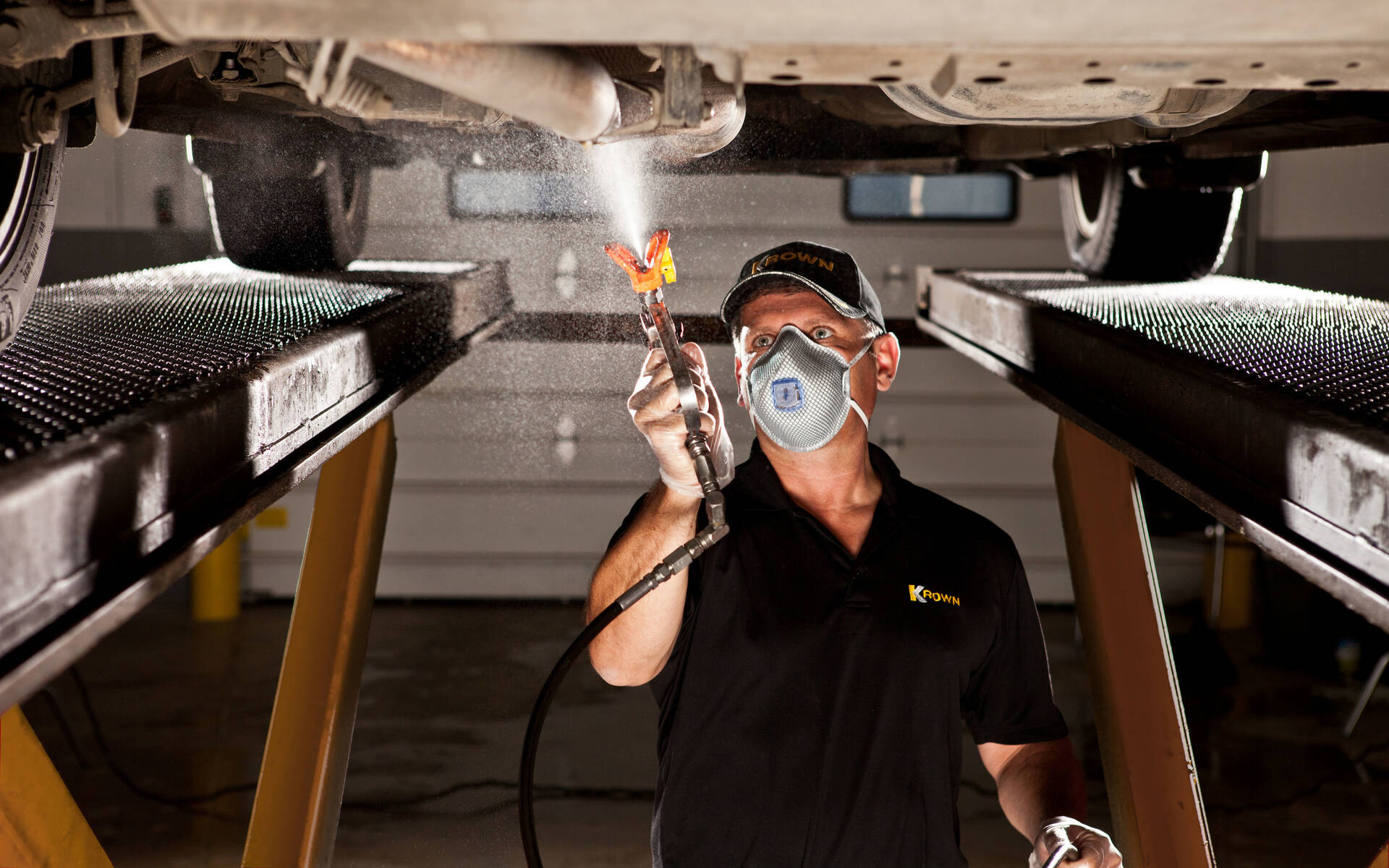
Of course, it's best not to wait until the cold season, when the cocktail of precipitation and road spray poses the greatest threat to the integrity of bodywork and underbody components. At this time of year, your appointment at the workshop will be longer, so that the staff can properly de-ice and dry your vehicle before application. We're talking about an hour instead of 35 to 45 minutes.
The best time for rustproofing is certainly during dry periods when the roads aren't wet or slick with salt. Spring and summer are the ideal seasons for this.
During these two seasons, rustproofing products penetrate parts more easily, prolonging the effect of the treatment and offering better protection, experts confirm.
A few final words of advice...
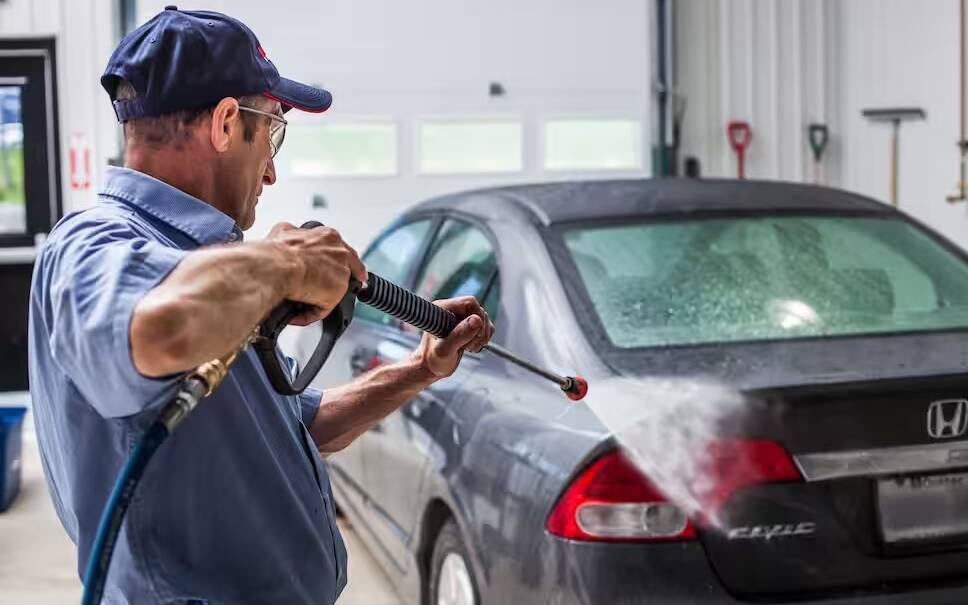
Whether it's you or the workshop, it's important to wash the vehicle thoroughly beforehand, because applying a coat of oil or grease to dust and mud is not very effective.
If you want to keep your car for a long time, continue the treatments every year, even if it starts to rust on top and underneath. The layer of oil or grease applied to the bodywork will help slow down the corrosion process.
Finally, in winter as in summer, remember to clean your car regularly to prevent the build-up of salt and dirt that retain moisture and promote corrosion.