


Hyundai Sonata 2024: aerodynamic silhouette, sophisticated interior
After a complete overhaul of the Sonata in 2020, it was more than time for a half-cycle overhaul. And this time, we weren't content with a few minor tweaks. The silhouette has been radically altered, as has the interior. On the mechanical side, however, we've limited ourselves to two engines.
These changes modernize the sedan's silhouette while offering its occupants a more refined, more comfortable interior, with a wider range of electronic settings.
In doing so, Hyundai continues to believe in the vocation of sedans, since the Elantra, a compact version, has also been modified unlike the American competition, which abandoned sedans several years ago. However, according to research carried out by the Korean automaker, it seems that demand for sedans will experience a revival in the coming years. Incidentally, it should be remembered that the Tesla Model S, which revolutionized the market, is a sedan...
The stylists again!
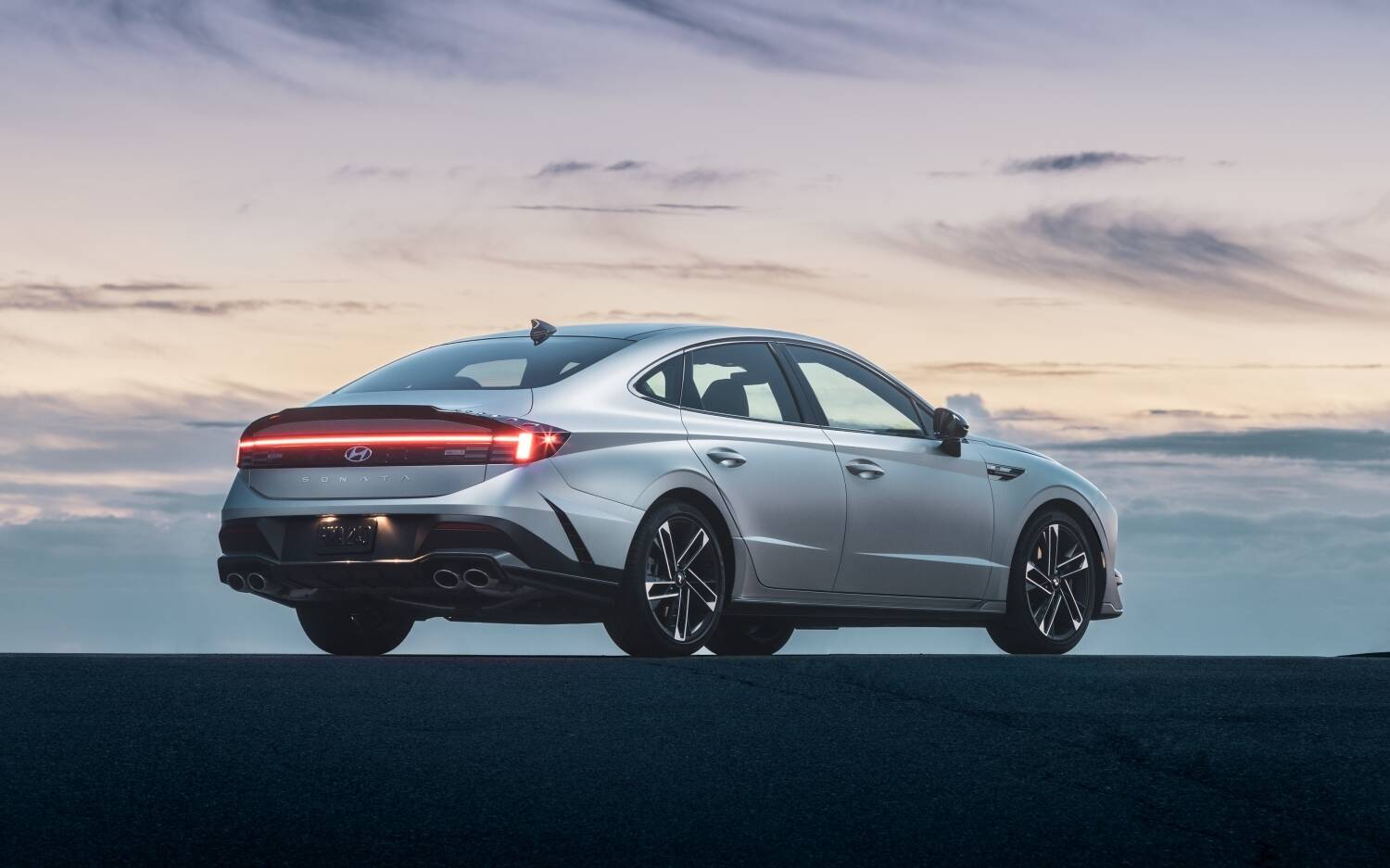
In addition to offering a multitude of models in all categories, Hyundai also places great emphasis on styling. Indeed, in recent years, this manufacturer has made major investments in this area, including a state-of-the-art building and a squad of talented designers. However, this emphasis on styling can have negative repercussions if the solutions used are not popular with the public. Fortunately, this was not the case with the Sonata, although it did undergo a number of aesthetic modifications.
In fact, the front end is distinguished by a strip of light that runs right across the bottom of the hood and overhangs a large grille. It's spectacular and quite effective, since this is the kind of car that turns heads. This strip of light also extends to the rear, where a spoiler adds character. From the side, it's a success too. There's something retro yet modern about it.
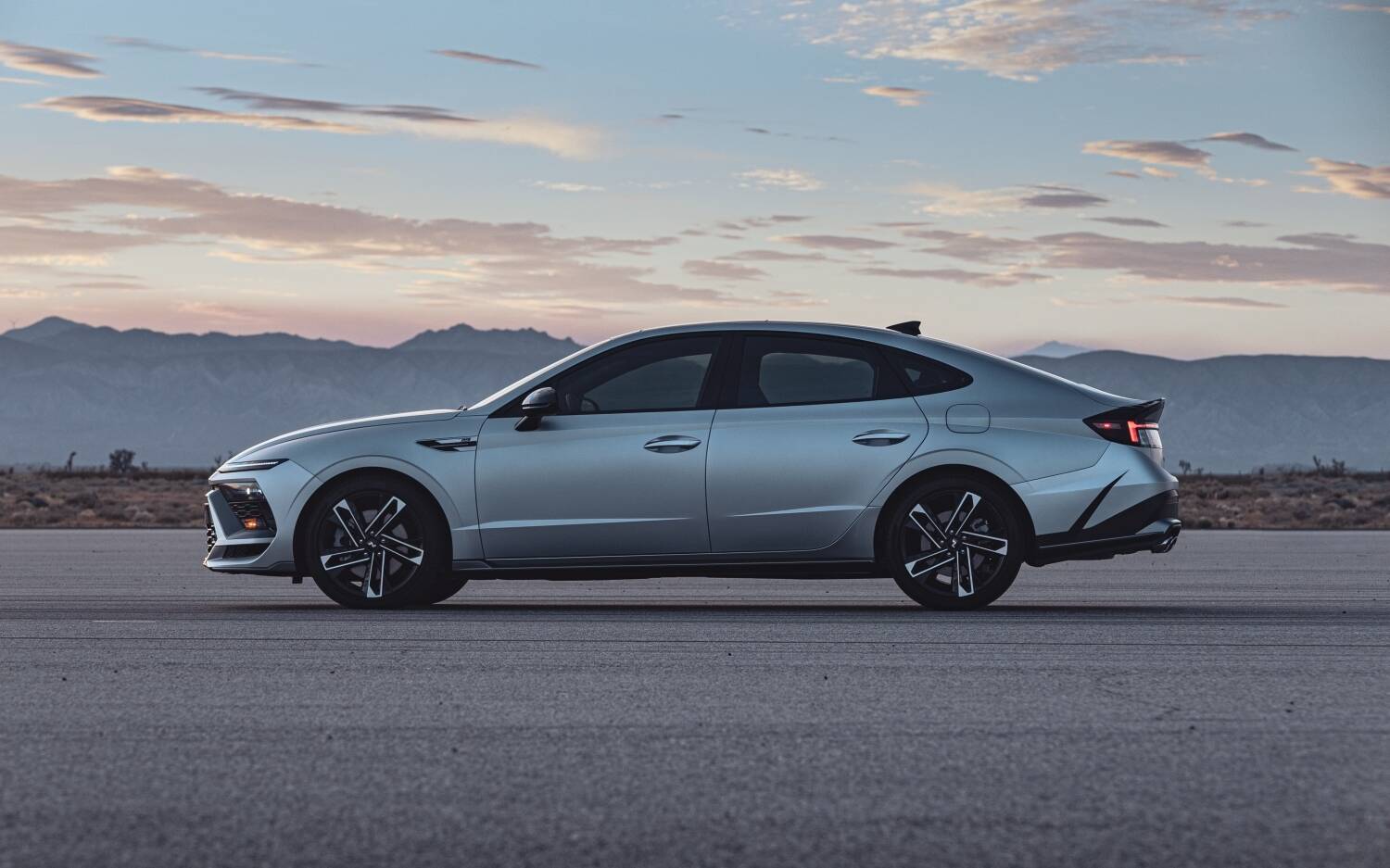
And these modifications have improved the car's aerodynamic coefficient from 0.27 to 0.24.
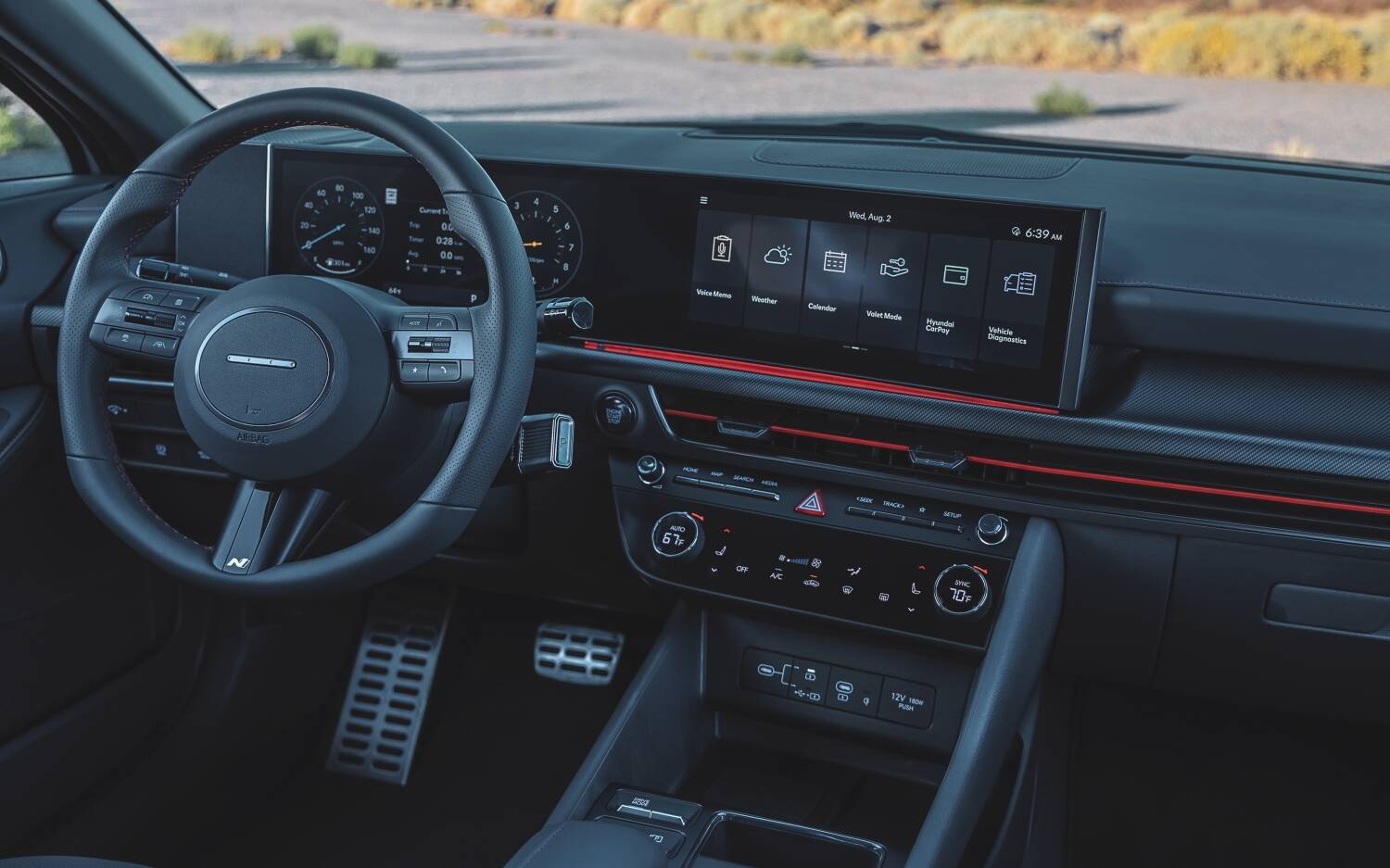
Hyundai hasn't skimped on the interior either, as the dashboard has been redesigned with two 12.3-inch rectangular screens. The first houses the instrumentation. It can be programmed almost at will, and the display features innovative and practical elements. To the right of this is the information and management screen, used to manage the audio system and other electronic components. Beneath this are the air-conditioning management pads, framed by buttons for regulating temperature levels.
The front seats are comfortable and heated, while rear-seat passengers enjoy generous legroom. However, the four-door coupé silhouette means you have to bend your head to get in, and headroom is average. As for the luggage compartment, its 453-liter capacity is average for the category. The quality of materials and assembly is also noteworthy.
Goodbye hybrid engine
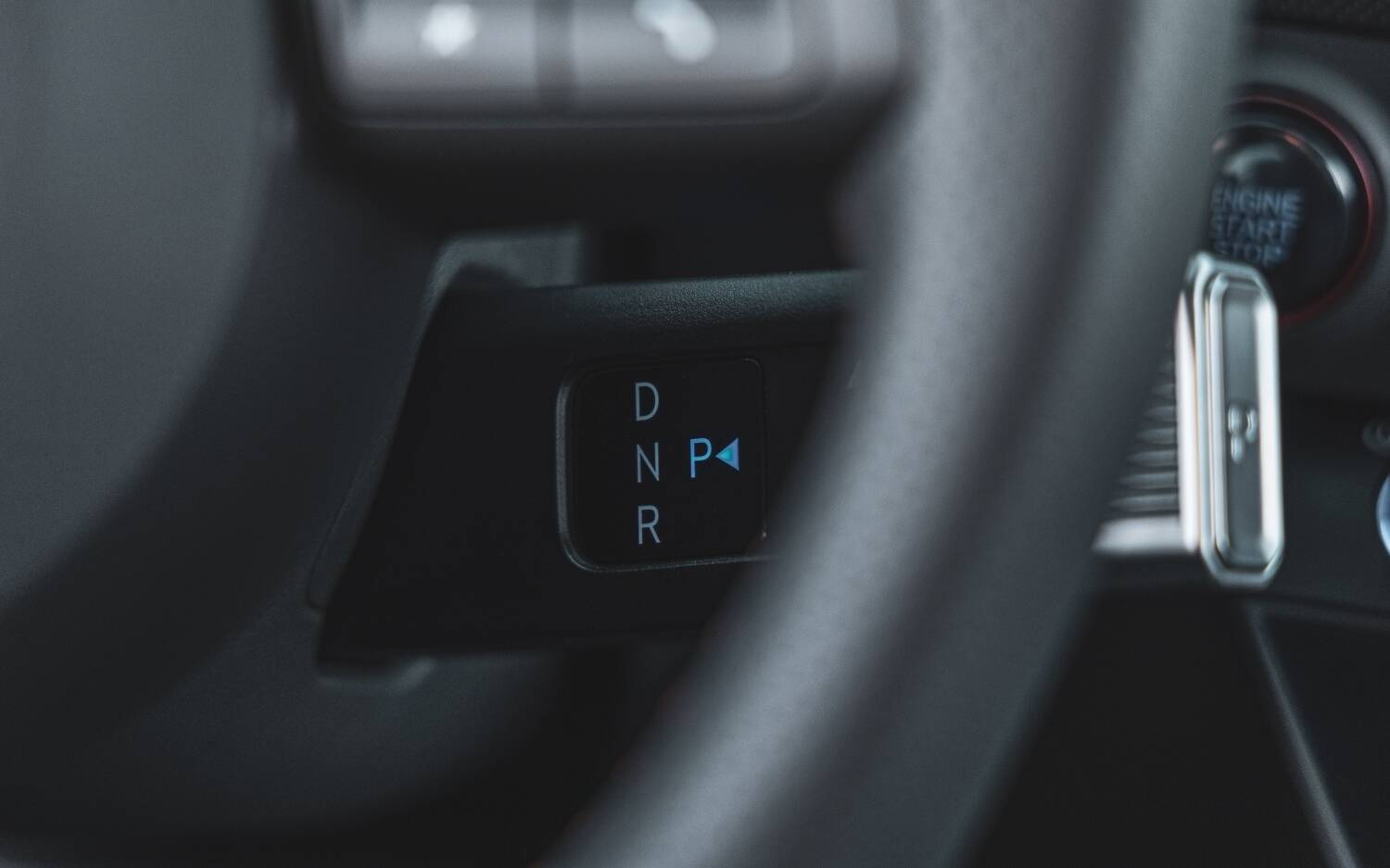
For the 2024 model year, the Sonata is no longer offered with a hybrid powertrain. This time, the base engine is a 2.5-liter naturally-aspirated 4-cylinder fed by a direct-injection system, producing 191 hp and 185 lb-ft of torque. It is mated to an 8-speed automatic gearbox. Of particular note is the ingenious gear selector lever to the right of the steering column. At the end of the lever is a button for shifting the transmission into Park mode. Flip this lever forward and you're in forward gear. Tilt this lever backwards and you have, of course, reverse gear. It's simple, ingenious and a pleasure to use.
Our test model was equipped with this naturally-aspirated engine. What's more, it came with optional all-wheel drive. This system is Hyundai's most sophisticated to date and distributes torque evenly to avoid oversteer and understeer.
Those opting for the N Line version, which boasts more luxurious equipment and a more upscale exterior, will benefit from the turbocharged version of the same engine. Power is 290 hp and torque 311 lb-ft. This is the most powerful Sonata ever built.
N Line versions don't usually offer a powerful powertrain, but this time they do. The same eight-speed automatic gearbox is used, but the all-wheel drive system is not offered on this version.
Just what you need
At first glance, getting behind the wheel of the version that has to concede 99 hp to the N Line model should lead one to conclude that the drive will be testing due to an obvious lack of power. This is a mistaken perception. In fact, with the 191 horsepower available and an intelligent gear distribution, everyday driving is no problem at all.
What's more, this engine is relatively economical, with an average fuel consumption of 7.7 L/100 km. Those opting for the N Line version should achieve an average consumption of around 8.9 L/100 km, which is still attractive given the power supplied.
Unlike SUVs of all classes, whose driving pleasure is limited by a high center of gravity and extra weight, this sedan allows you to tackle bends with confidence, while the steering is precise and its power assistance correct. Handling is slightly better than average, but the Honda Accord and Toyota Camry lag.
The Sonata is also packed with electronic driving aids. For example, the cruise control with stop-start setting is much appreciated in traffic jams. In short, the Sonata offers consistency and generous equipment at a competitive price.