


Hyundai Motorstudio: a different way to sell vehicles
Alongside our latest trip to South Korea to test-drive the Hyundai IONIQ 9, we also had the opportunity to visit an original place developed by the automaker to promote its brand: the Motorstudio.
Unlike a traditional car dealership, the Hyundai Motorstudio brings together a variety of themes, including temporary exhibitions, antique vehicles and the chance to drive models from the range for a few miles. The idea is to present the cars and SUVs currently on sale, of course, but also to celebrate the brand in a broader sense.
Hyundai has inaugurated several of these locations around the world over the years. At the time of writing, there are seven. The majority are in South Korea, of course, but there are also others in Russia, Indonesia and China.
For our part, we visited two Motorstudios in the Seoul area. The first was in Goyang, some fifty kilometers from the city center.
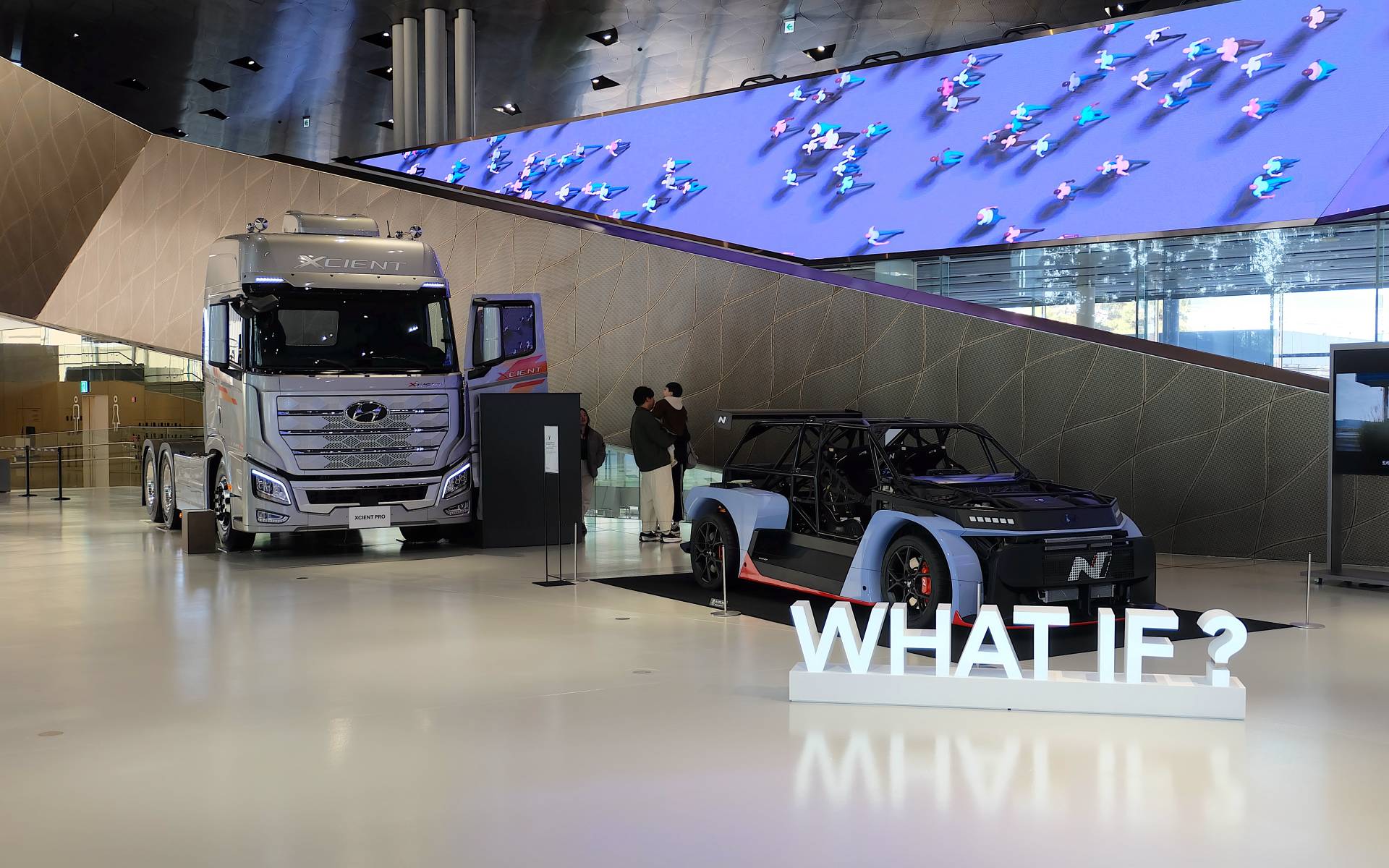
As you enter the huge, sleekly designed building, employees all dressed alike (turquoise-blue sweaters and beige pants) are on hand to answer visitors' questions.
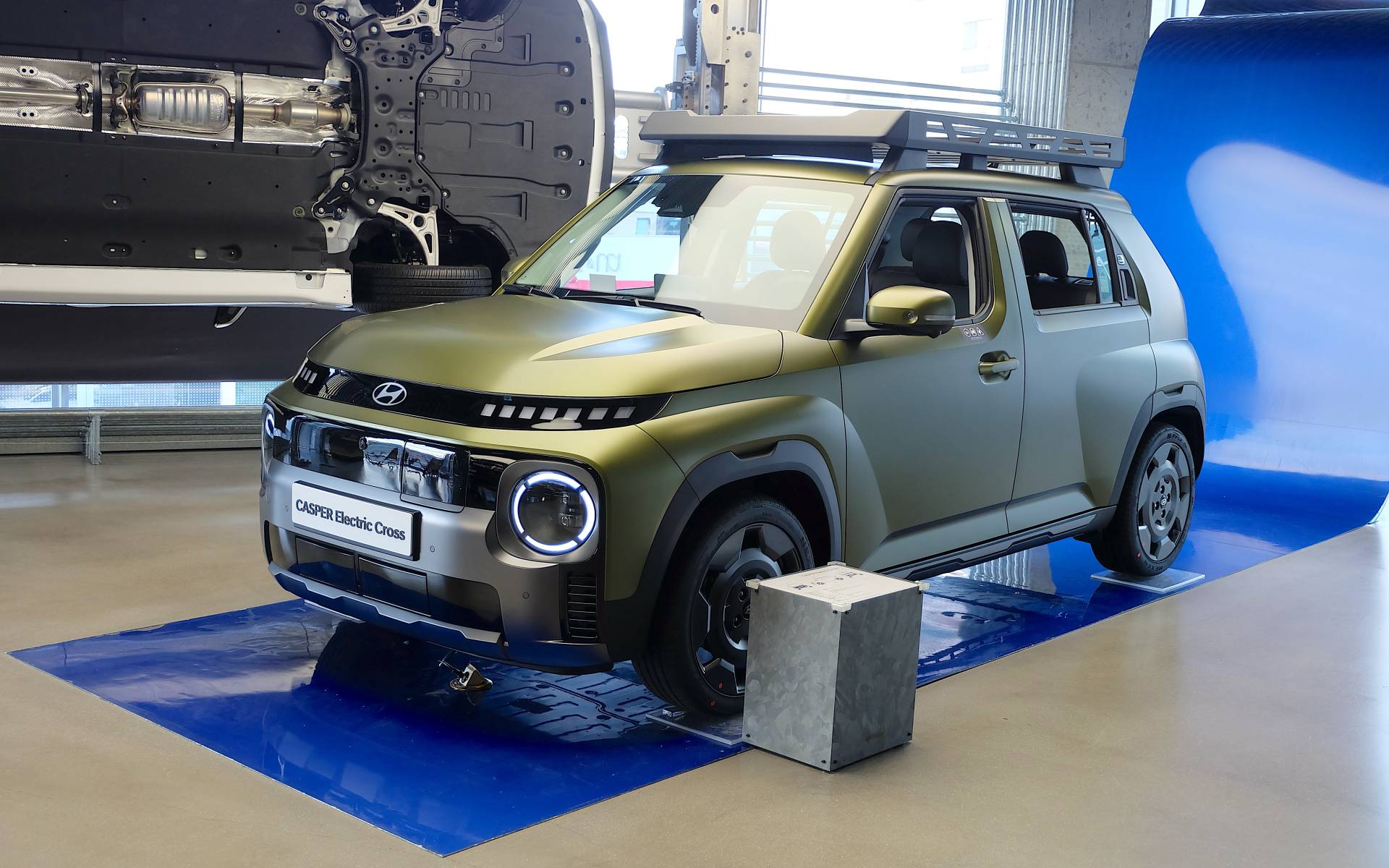
There's also a booth where you can sign up to drive the various vehicles available for test drives. We would have liked to have taken the Hyundai Casper for a spin, a small SUV popular in South Korea with a rather distinctive design. Unfortunately, the test drive section was closed on Monday, the day of our visit.
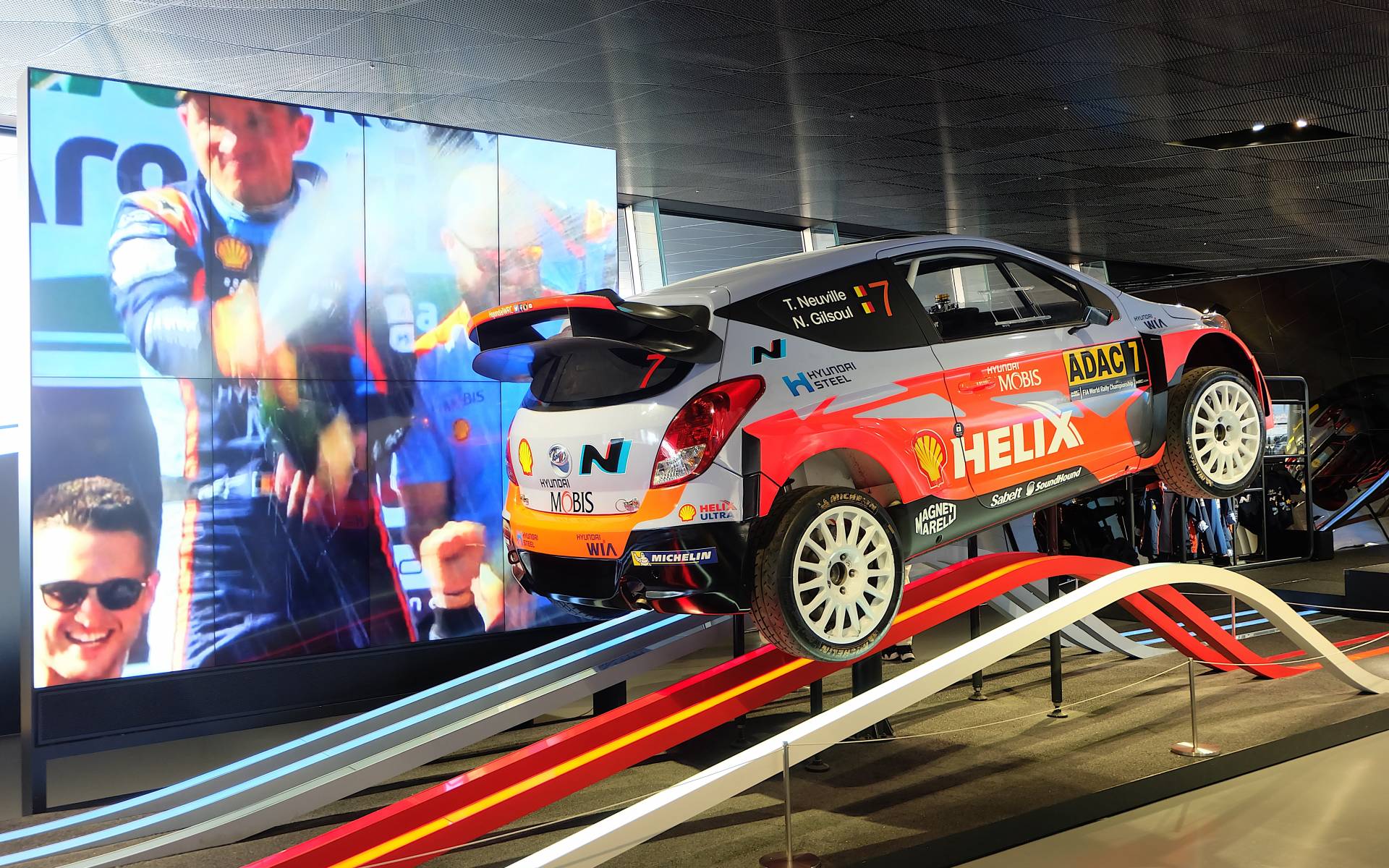
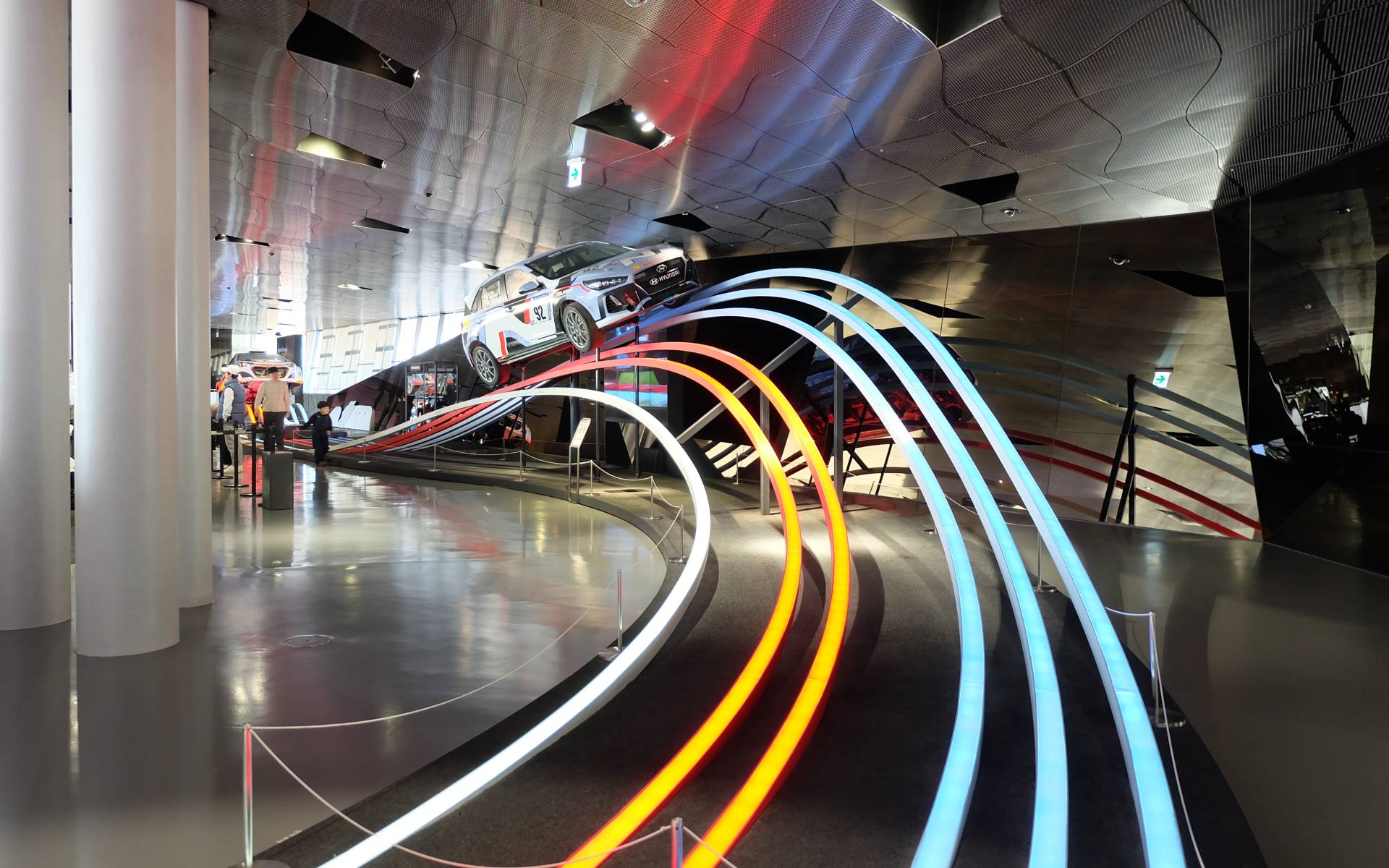
We were comforted by the N section, a floor featuring a number of Hyundai racing vehicles. The vehicles are positioned as if on a track, and highlighted by light strips reminiscent of a thrill ride. Cars that have taken part in races such as the 24 Hours of Nürburgring and the World Rally Championship (WRC).
This is also where you'll find free driving simulators. The vehicle we could drive was a Hyundai i30 TCR on the Monza circuit in Italy. As there's no charge for the activity, driving time is limited to around two laps of the track, but with quality equipment (Fanatec pedals and steering wheel) and the option of a virtual reality headset.
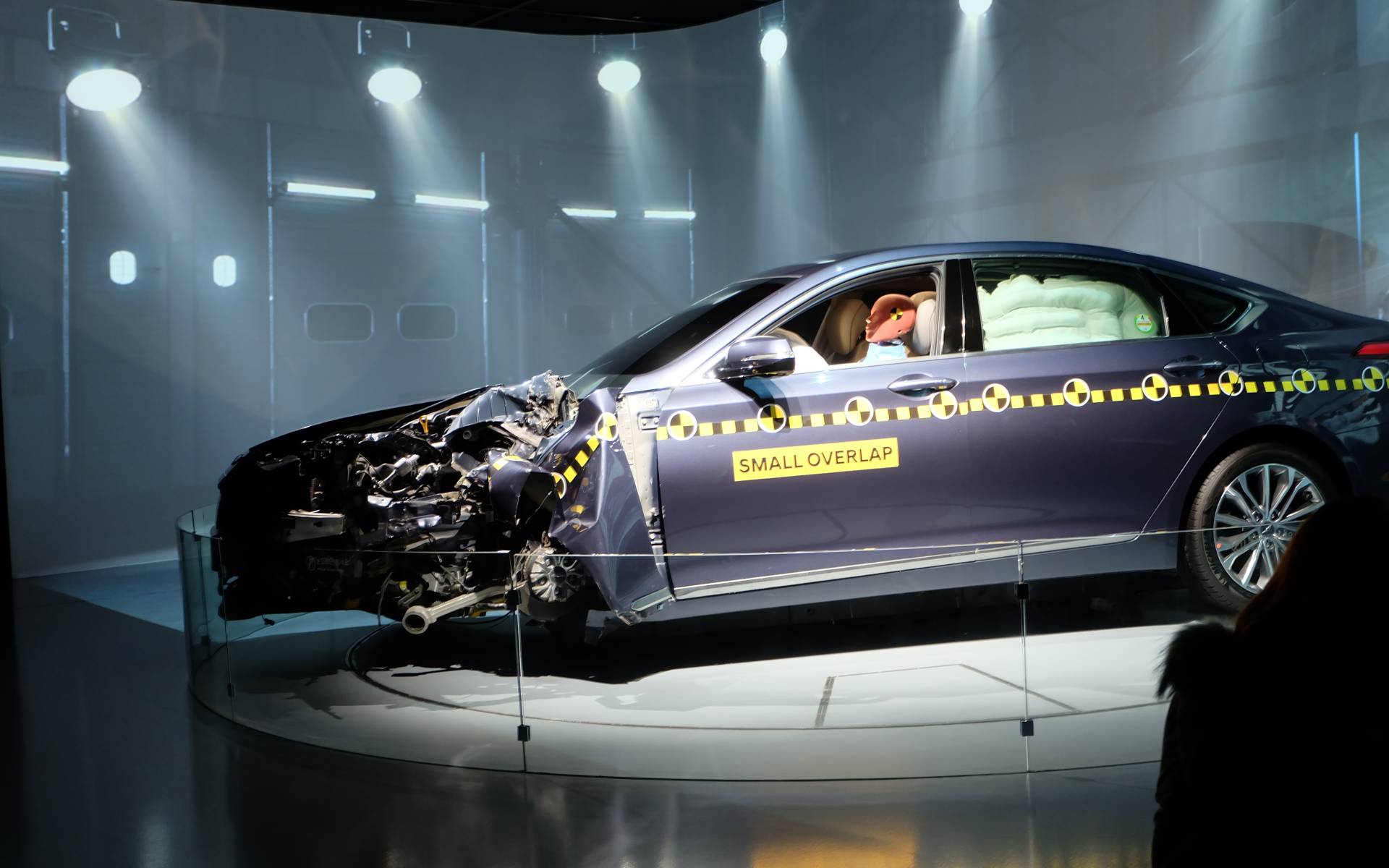
For a fee of $10, you can also opt for a guided tour (in Korean only, unfortunately...) explaining how the vehicles are made. Lasting around an hour and a half, it gives children and adults alike a better understanding of how a vehicle is built. Interactive workshops show how steel is processed, how bodywork is welded, and how safety is ensured during crash tests. The final section also looks at new technologies, with a workshop explaining how a hydrogen-powered powertrain works.
A page of history
In the afternoon, we headed for the Motorstudio in the upmarket Gangnam district (the one featured in Psy's famous song Gangnam Style). At the time of our visit, the manufacturer's temporary exhibition was referring to Hyundai's 100 millionth vehicle.
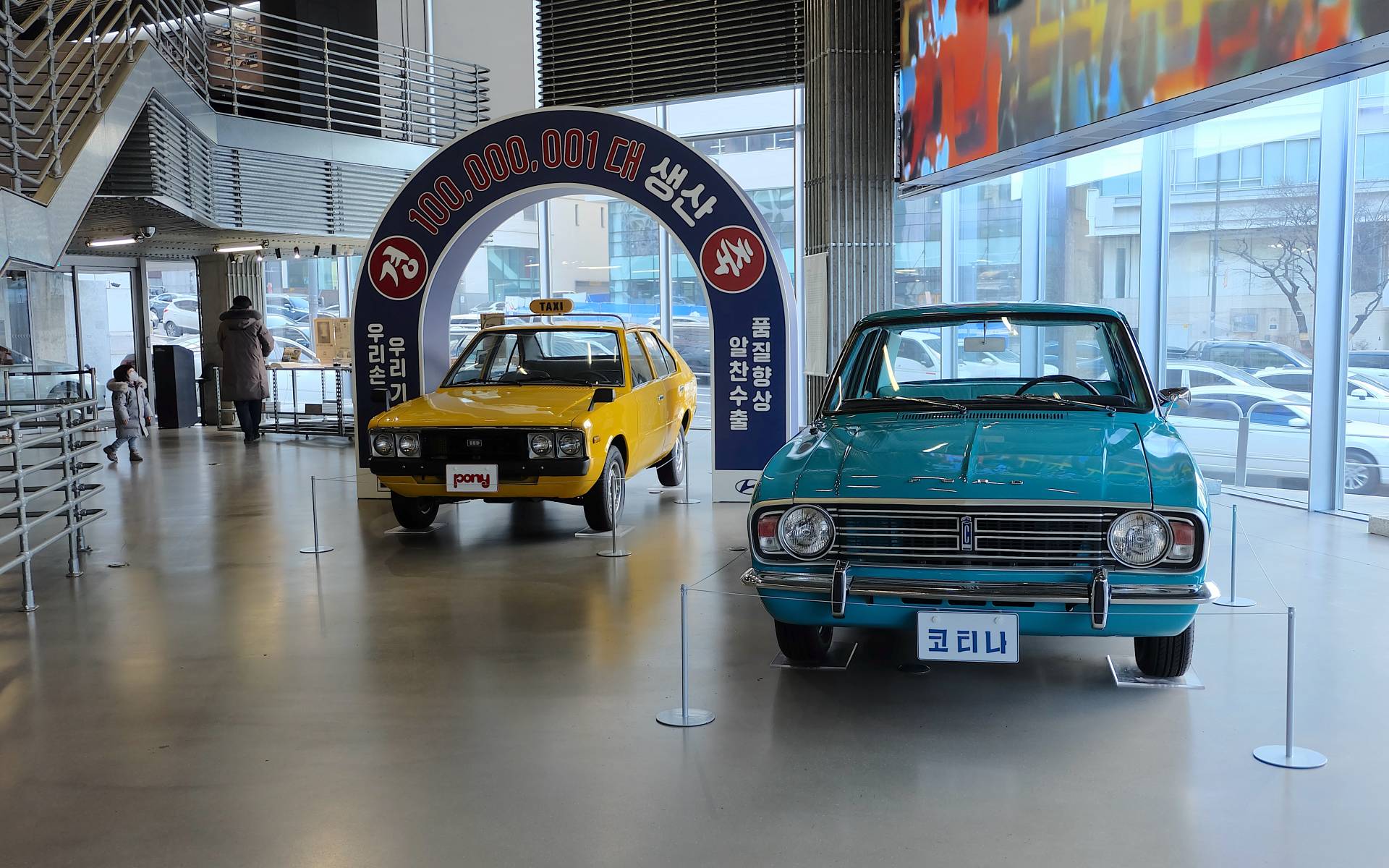
To celebrate this anniversary in style, several booths retraced the brand's very beginnings, notably when it produced Ford Cortinas under license. The first Hyundai Pony, a flagship model from the early days of the Korean manufacturer, was also featured, with a cab vehicle and photos of the factory's early days, when production rates had nothing to do with the industrial empire that Hyundai has become today.
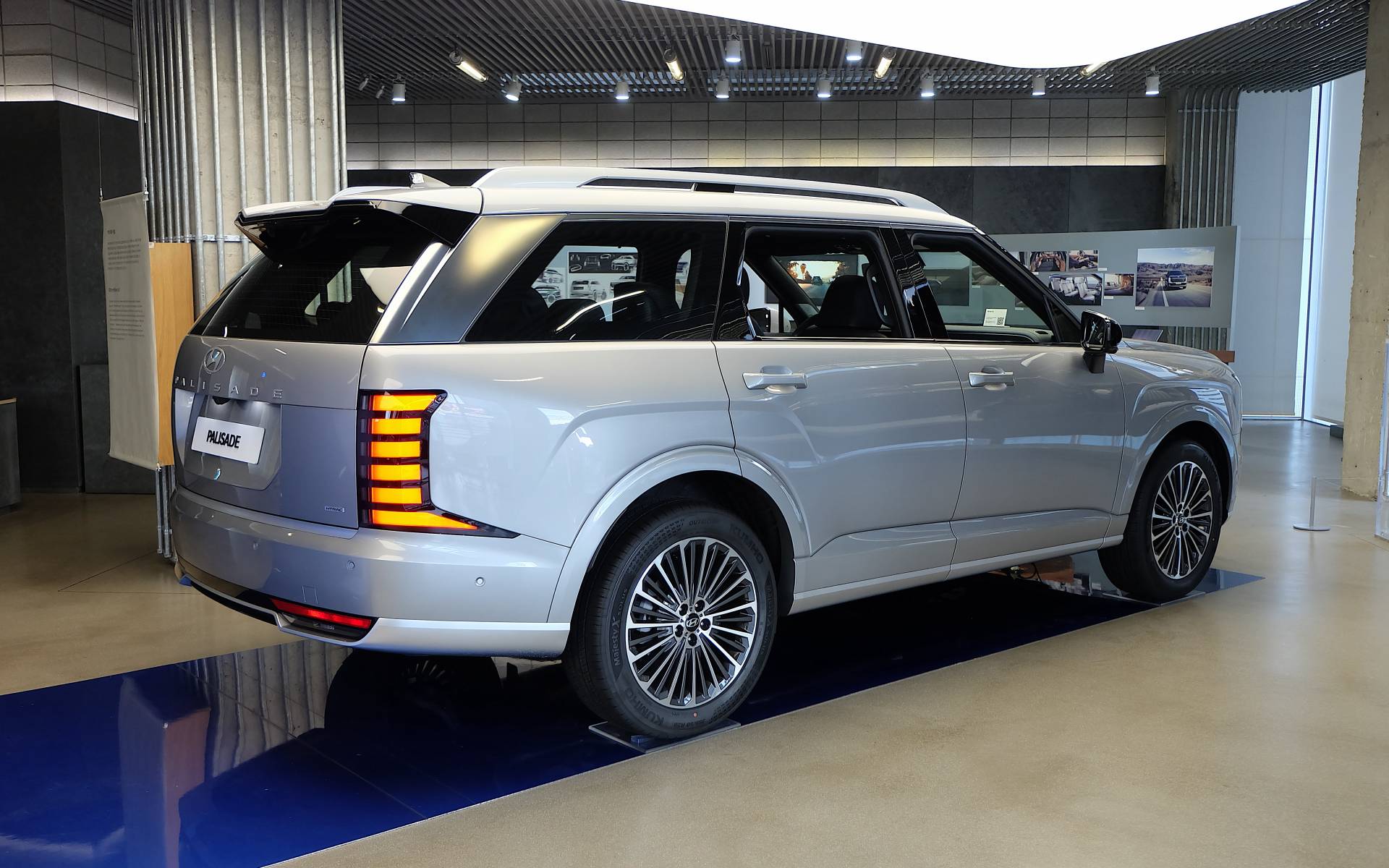
Smaller than the one in Goyang, the Seoul Motorstudio is divided into several floors, each with its own theme. We were able to see several vehicles from the current range, including the brand-new Palisade with its 4-cylinder turbo engine, which we still don't know if it will be identical in Canada.
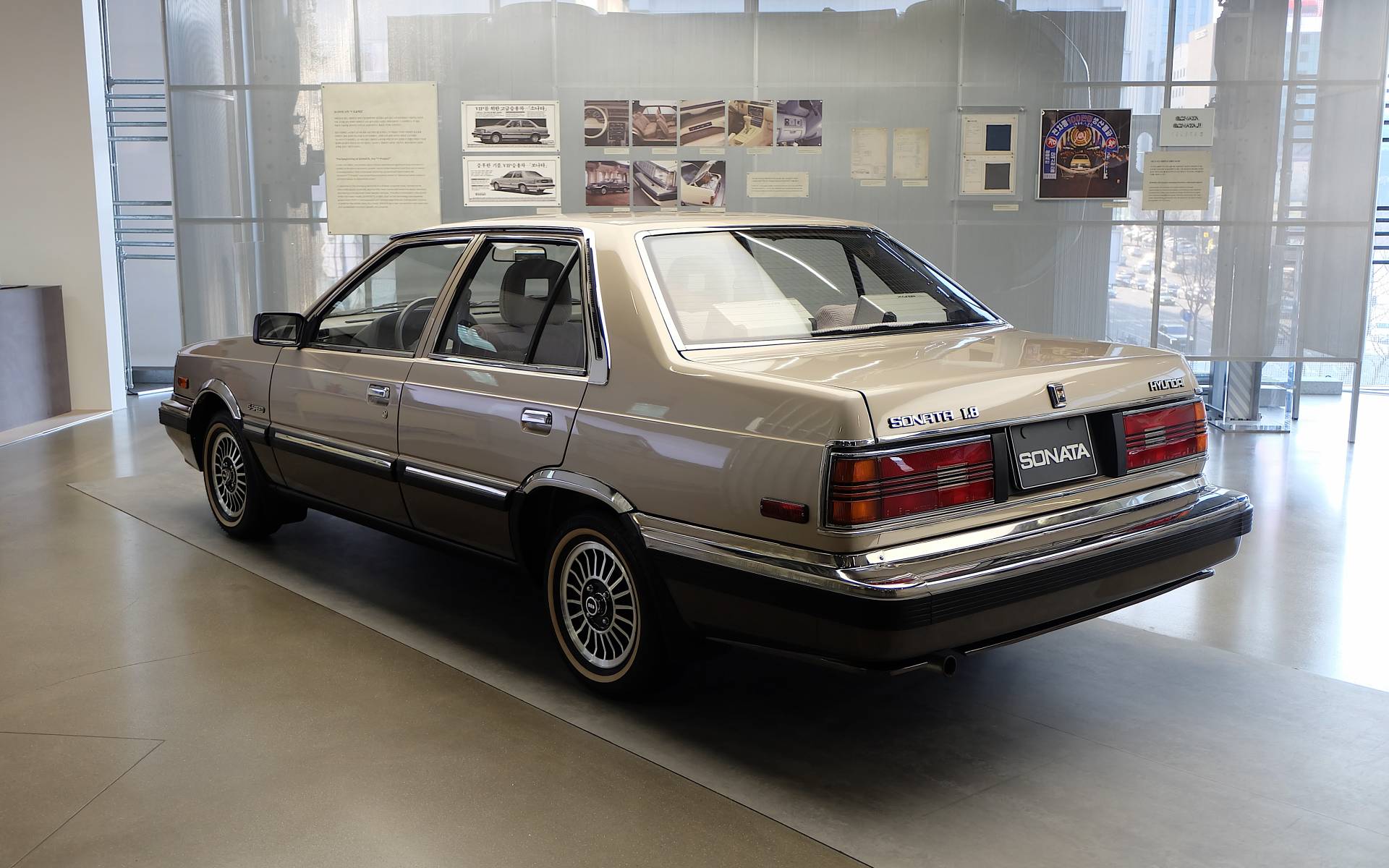
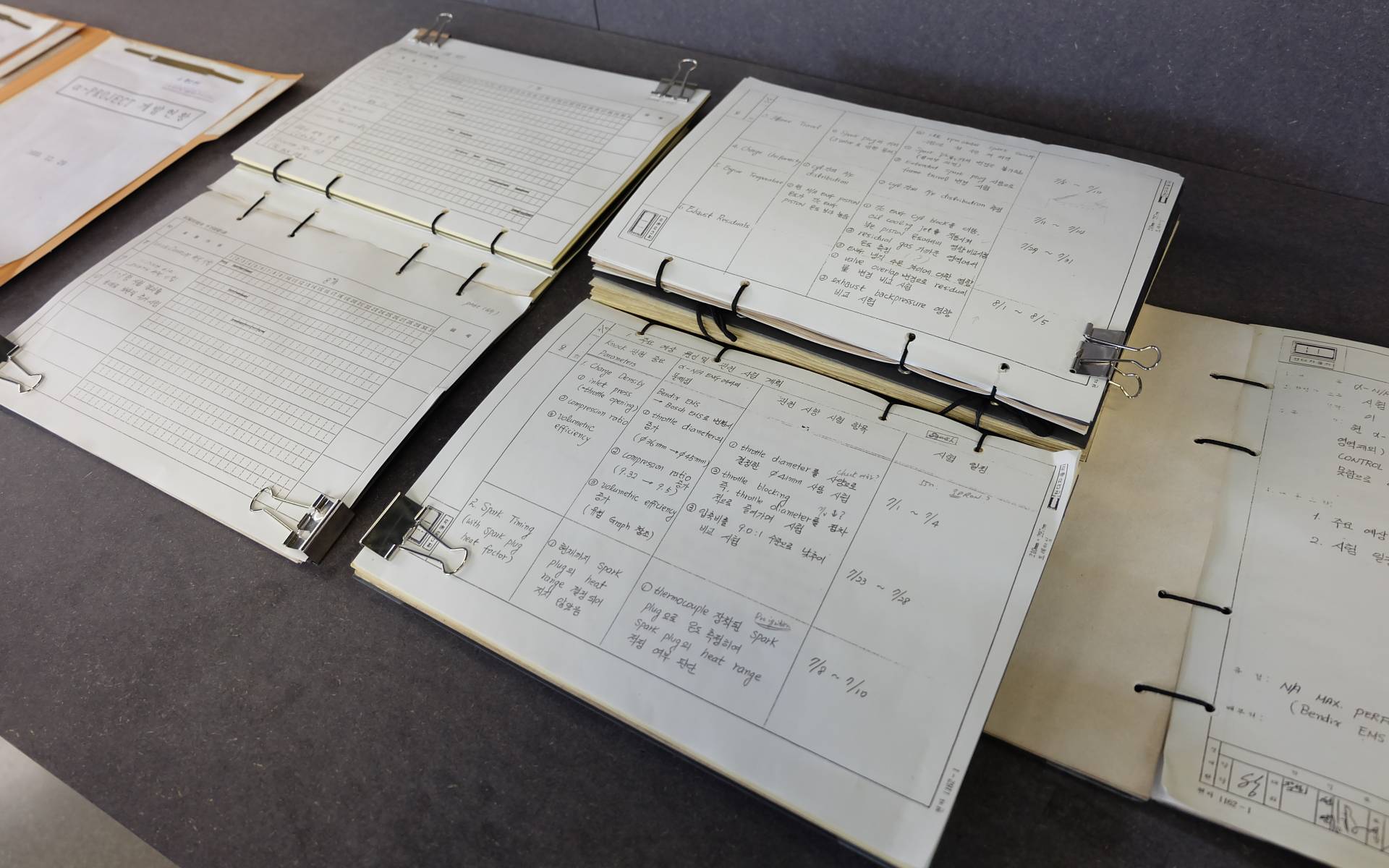
But the floor we were most interested in was the one featuring several classic cars in absolutely exceptional condition. These included a 1987 Hyundai Sonata, a 1992 Scoupe and a 1990 Elantra. These vehicles were accompanied by period advertisements and archive documents tracing the technical choices made by the manufacturer.
The exhibition also recalled the development of the first 100% Hyundai engine in place of the Mitsubishi blocks used previously.
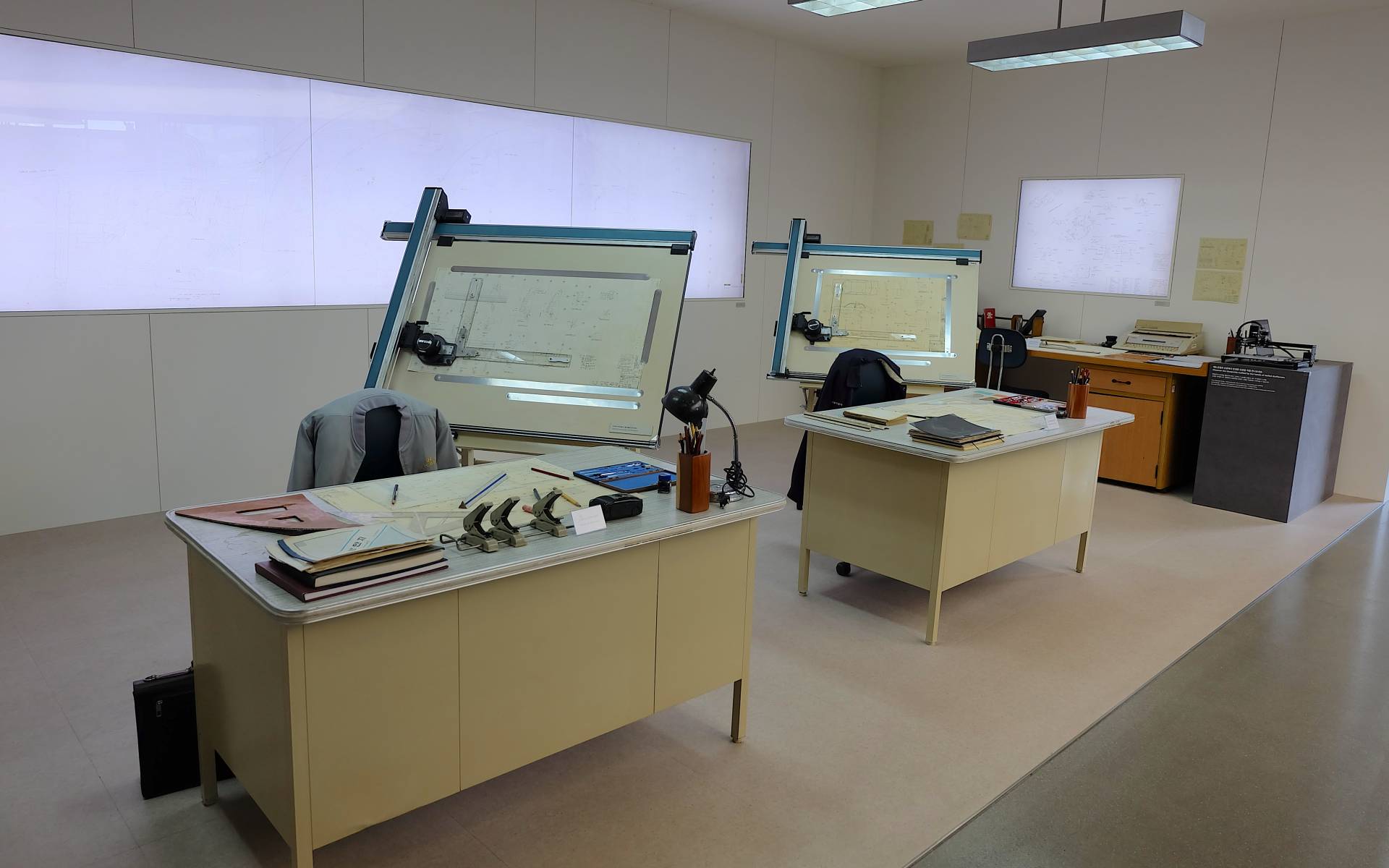
To recall the atmosphere of the design offices of that era, the automaker even brought back furniture, office equipment and drafting tables to immerse visitors in the daily life of engineers in the 70s. Employees on site even offered visitors a choice of paper reproductions of plans for the Pony, Elantra and IONIQ 5. We took one home as a souvenir...
Unlike in Canada, where Hyundai doesn't place much emphasis on its past to sell vehicles, we were surprised to see how much the brand's beginnings and its progress are highlighted in South Korea. The sense of pride and belonging to the brand is also palpable, as evidenced by the number of Hyundai and Kia cars you encounter on the streets.
15 or 20 years ago, a Hyundai Motorstudio might have been mocked in a North American city. But now that the brand has raised its game and has nothing to envy its direct competitors, opening a similar location could make sense.
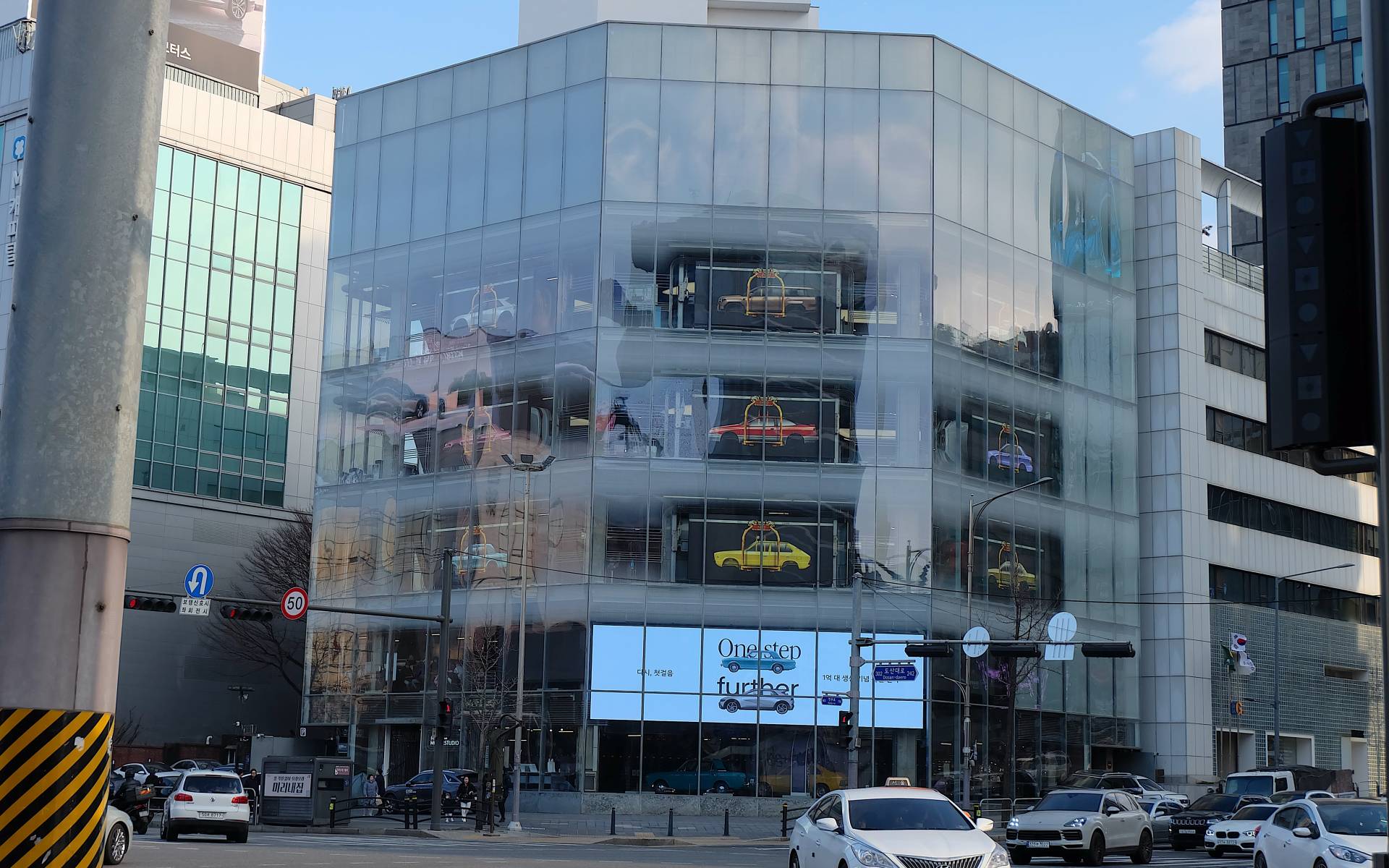
Admittedly, the early Pony and Excel weren't the most famous cars in Canada. But unless you're particularly closed-minded, who'd laugh if you came across a perfectly restored Hyundai Pony at a classic car show? By the way, it might even be possible to copy what Seoul's Motorstudio does, offering short rides (as a passenger) in classic cars.
At the end of the day's visit, we feel that opening a Motorstudio in North America could be a good idea, and why not here in Montreal?
Without taking the place of dealerships, which are obviously essential for selling vehicles, this could be a different way of raising the brand's profile among North American consumers. And thus help sell more vehicles. What do you think? Let us know what you think!