
GM gives another reason for abandoning Apple CarPlay and Android Auto
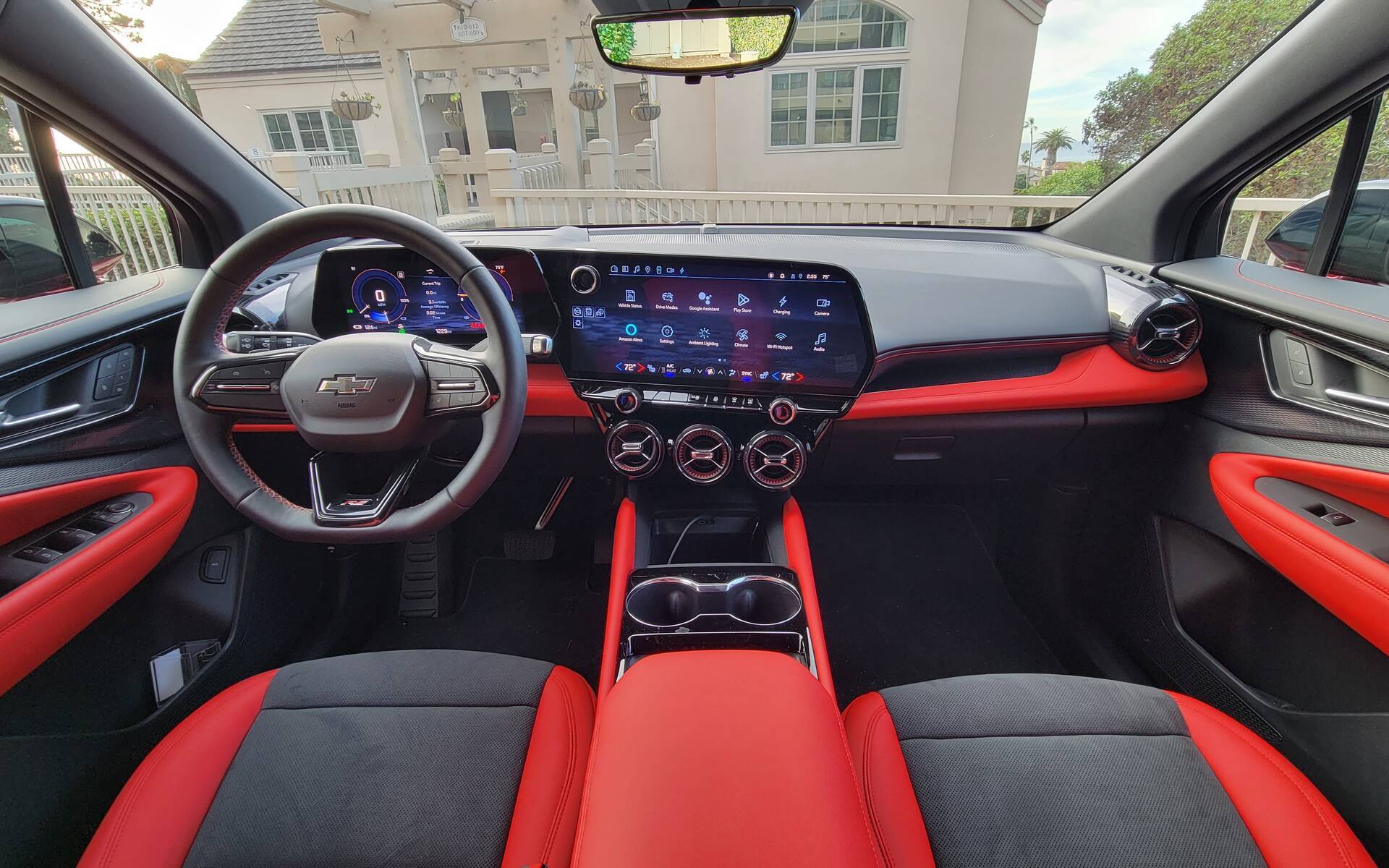
General Motors has been taking a lot of flak ever since it announced that it would be phasing out Apple CarPlay and Android Auto from its vehicles, starting with future electric models like the Chevrolet Blazer EV 2024 we just tested.
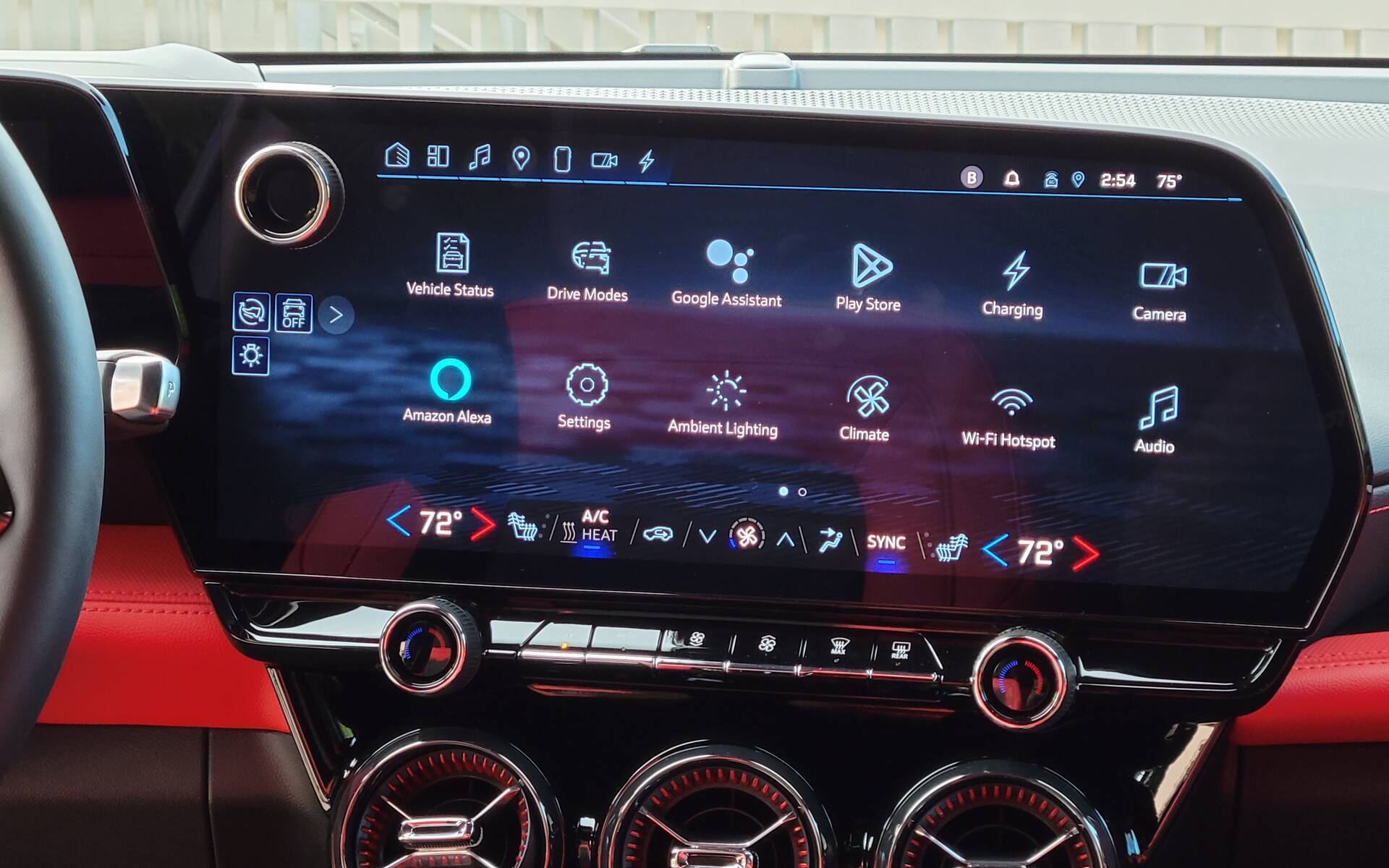
Instead, GM wants to rely solely on its own next-generation infotainment and navigation system developed with the help of Google, which integrates features such as Google Maps and the Google Assistant as well as other popular applications such as Spotify and Audible - and which will require a paid subscription after a number of years.
Initially, Mike Himche, executive director of digital on-board experience, made a good point by saying that GM has several new driving aids in development that will be further integrated with navigation, and that the company doesn't want their operation to depend on the driver having his or her phone in the vehicle.
It's worth noting that GM and Google have been teaming up since 2019 to develop the software foundations (called "Ultifi") of infotainment systems capable of better interacting with other on-board technologies. We can think of the Super Cruise driving assistant, for example.
For safety's sake?
Now, another explanation comes from Tim Babbitt, in charge of infotainment at GM. In an interview for Motor Trend, he cited security as the reason for abandoning Apple CarPlay and Android Auto.
Citing studies by J.D. Power, Babbitt mentioned that many owners experience problems connecting (even with a USB wire), displaying or using these systems, problems that force them to take their eyes off the road, or even hold their phone in their hands, causing distractions while driving.
With Google Maps already integrated and a powerful voice assistant that can control a large number of vehicle functions, GM believes it has a good part of the solution - and at the same time renders CarPlay and Android Auto superfluous. On the other hand, it's questionable why the driving mode selector is hidden under several on-screen menus instead of being quickly accessible on the dashboard or console, as our colleague Louis-Philippe Dubé pointed out in his test of the Blazer EV.
In the end, consumers will decide if it's right for them. Let's not forget that GM is not alone in this. Tesla has never offered Apple CarPlay or Android Auto, which doesn't seem to hurt it too much when you look at its sales. The same goes for Rivian, a new player just starting to establish itself in Canada (still without a point of sale or service in Quebec at the time of writing).